

You've probably been told that dehydration or a lack of electrolytes is the main cause of muscle cramps and that lactic acid is our sworn enemy. In this article, we'll find out what the truth really is.
Text by Shanna Hilaire, third-year student in the Kinesiology Bachelor's program
Muscle fatigue: the real culprit
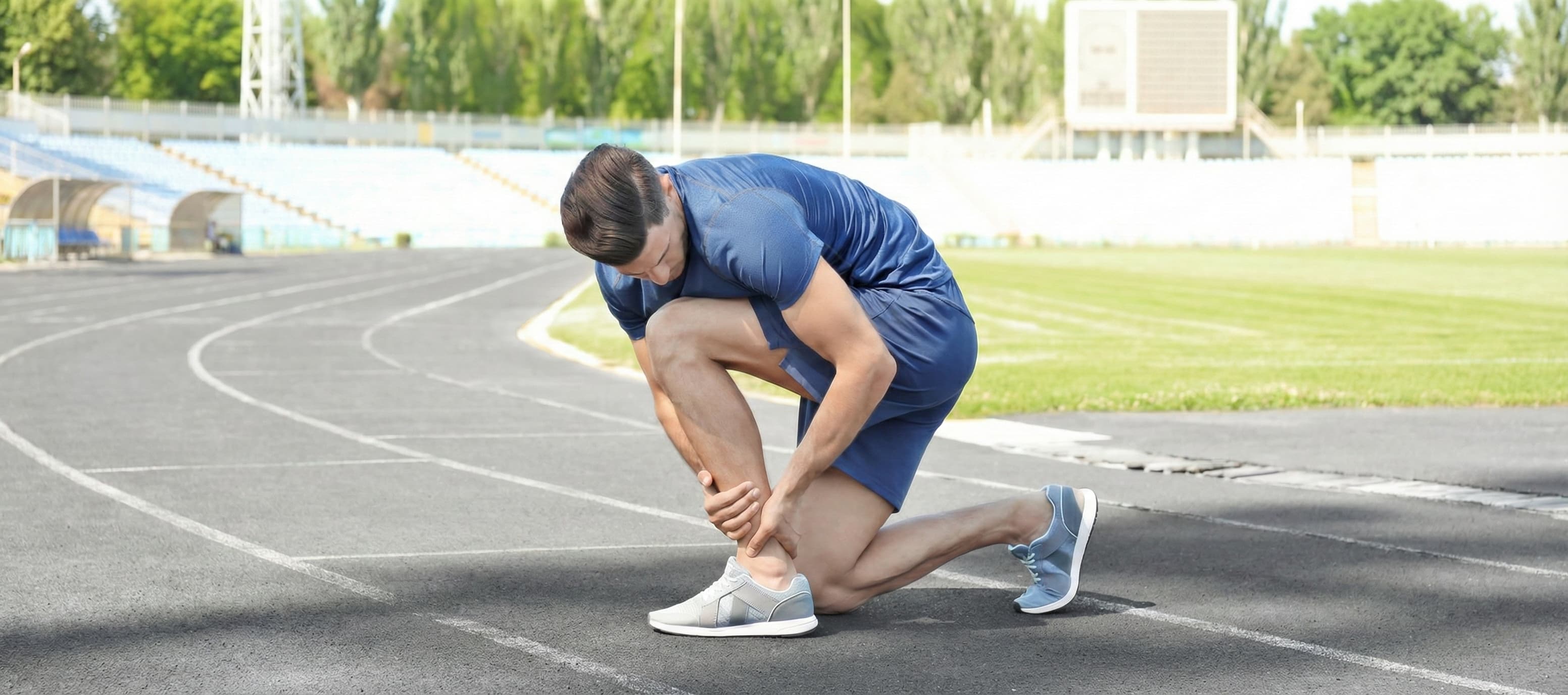
Contrary to popular belief, muscle cramps are not directly caused by a lack of water or electrolytes. In fact, several studies show that muscle fatigue is the main trigger for cramps. When a muscle is overworked or fatigued, it can temporarily lose its ability to relax, causing a painful involuntary contraction commonly known as a cramp. This fatigue can be linked, for example, to insufficient recovery or excessive exertion.
Lactic acid: friend or foe?
Lactic acid, on the other hand, is a substance produced by muscles during intense physical exertion. Contrary to popular belief, it does not directly cause post-exercise muscle pain (soreness). However, its temporary accumulation may be responsible for the burning sensation felt during exercise.
The role of hydration
On the other hand, water is essential for the proper functioning of the body, including the muscles. It accounts for about 60% of body weight and plays a key role in regulating vital functions. Dehydration can lead to decreased performance, increased fatigue, and slower muscle recovery. However, although hydration is crucial to our well-being, it is not the main cause of cramps.
It's normal not to know what to do with your pain.
We were never taught this. Our newsletter helps you understand what your body is trying to tell you and how to respond.
I'm signing upTo better understand my pain
How can cramps be prevented?
Finally, to prevent muscle fatigue and, consequently, reduce the frequency of cramps, it is crucial to allow the body time to recover after exercise. In other words, rest allows muscle fibers to repair and strengthen themselves. In short, proper hydration, a balanced and healthy diet, and restful sleep are essential habits for keeping your muscles fresh and ready for your next workout.
Resources
- McKinley, M. P., & Tarini, L. (2019). Anatomy and Physiology: An Integrated Approach (2nd ed.). Chenelière.
- Nelson, N.L., & Churilla, J.R. (2016). A narrative review of exercise-associated muscle cramps: Factors that contribute to neuromuscular fatigue and management implications. Muscle & Nerve, 54.
Our clients' satisfaction is our priority.
At Physioactif, excellence defines our approach. But don't take our word for it, see what our patients are saying.












Discover our physiotherapy clinics
We have multiple locations to better serve you.
Blainville
190 Chem. du Bas-de-Sainte-Thérèse Bureau 110,
Blainville, Quebec
J7B 1A7
Laval
Montreal
St-Eustache
Vaudreuil
21 Cité-des-Jeunes Blvd. Suite 240,
Vaudreuil-Dorion, Quebec
J7V 0N3
Book an appointment now