Cervical osteoarthritis
.png)
.png)
.png)


What is cervical osteoarthritis?
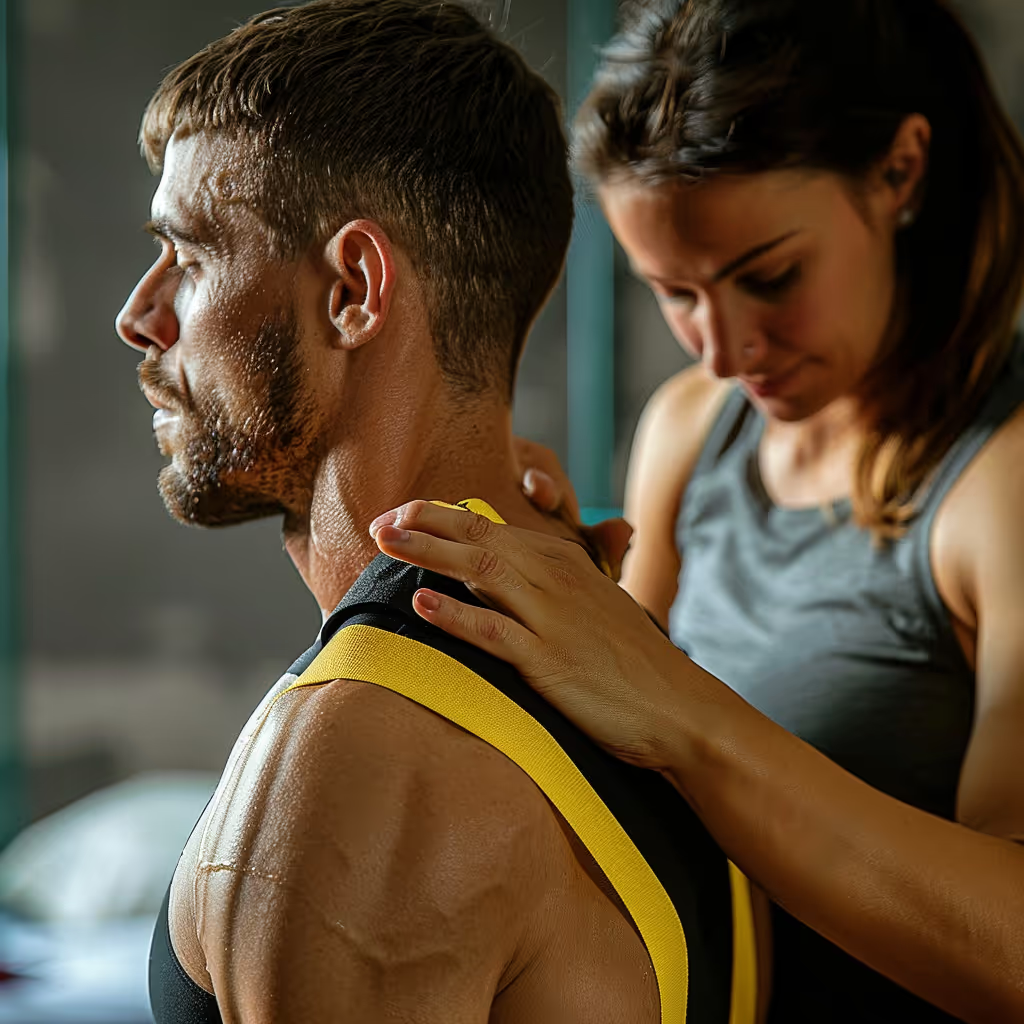
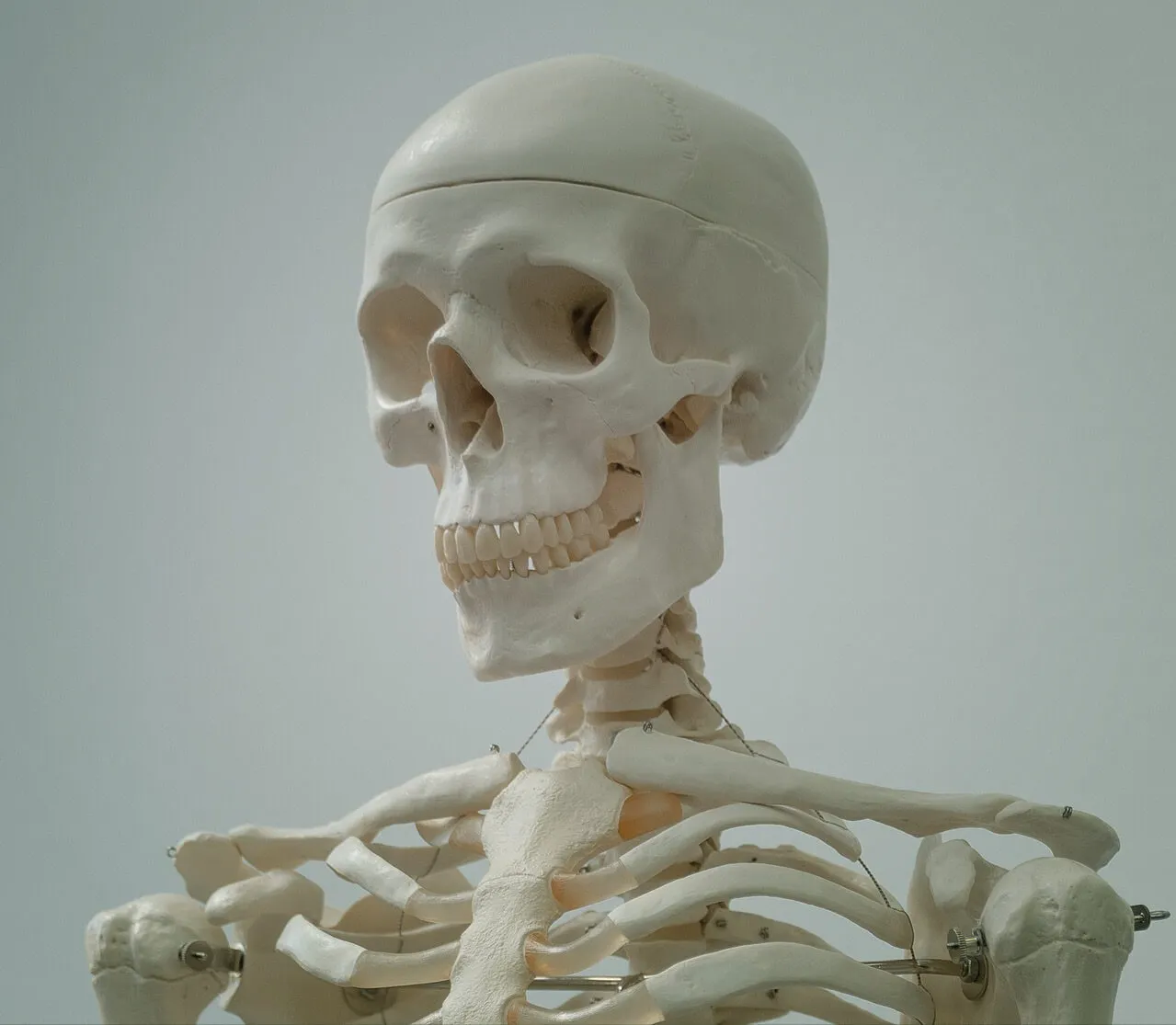
It is normal wear and tear on the joints of the vertebrae in the neck. Osteoarthritis is often described as wear and tear on the cartilage between our vertebrae. This is true, but it is more than just the cartilage. Cartilage is a tissue that acts as a cushion between the surfaces of our vertebrae, allowing them to slide and move smoothly.
With the development of osteoarthritis, it is true that the cartilage will become more worn. However, all the structures that form the vertebral joint can be affected by osteoarthritis. So we can have wear and tear on the cartilage, bone, ligaments, discs, capsule, synovial membrane, and muscles around the joint.
What are the symptoms of cervical osteoarthritis?
"It's important to understand that osteoarthritis doesn't always cause symptoms. Many people live with osteoarthritis and feel absolutely nothing. Does that surprise you? Read our blog post to learn more."
When osteoarthritis is symptomatic, here is what people may experience:
- Neck pain
- Neck stiffness that is often worse in the morning or after a period of inactivity
- Neck stiffness that usually improves with movement
- A decrease in neck flexibility
- You may feel crackling or popping in your neck when you move it.
It is also possible to have other symptoms in addition to these, such as:
- Headaches (caused by neck problems)
- Pain in the shoulder blades, shoulders, or arms
We understand this issue and treat it frequently.
What are the causes and risk factors for cervical osteoarthritis?
Aging is the main factor that causes osteoarthritis, regardless of which joint in the body is affected. By the age of 50, almost everyone will have cervical osteoarthritis. However, osteoarthritis does not develop overnight. It is a process that occurs gradually over several years.
The following are risk factors that increase the chances of developing cervical osteoarthritis more quickly or severely:
- A past neck injury (whiplash, fracture, sprain, car accident, concussion)
- Women are more at risk than men
- Obesity
- Inactivity and a sedentary lifestyle
- Having a job in a static position throughout our lives (office work)
- Certain inflammatory diseases
It's normal not to know what to do with your pain.
We were never taught this. Our newsletter helps you understand what your body is trying to tell you and how to respond.
I'm signing upTo better understand my pain
How is cervical osteoarthritis diagnosed?
Cervical osteoarthritis can be diagnosed based solely on symptom history and clinical examination. An X-ray of the neck can also reveal signs of cervical osteoarthritis, but is not required to make a diagnosis.
It is important to know that what we see on an X-ray or other types of imaging is not always relevant. Did you know that 98% of adults between the ages of 21 and 83 show signs of osteoarthritis in the neck when undergoing magnetic resonance imaging (MRI)? Yes, even at age 21! However, not 98% of people have neck pain!"
When should you see a physical therapist for cervical osteoarthritis?
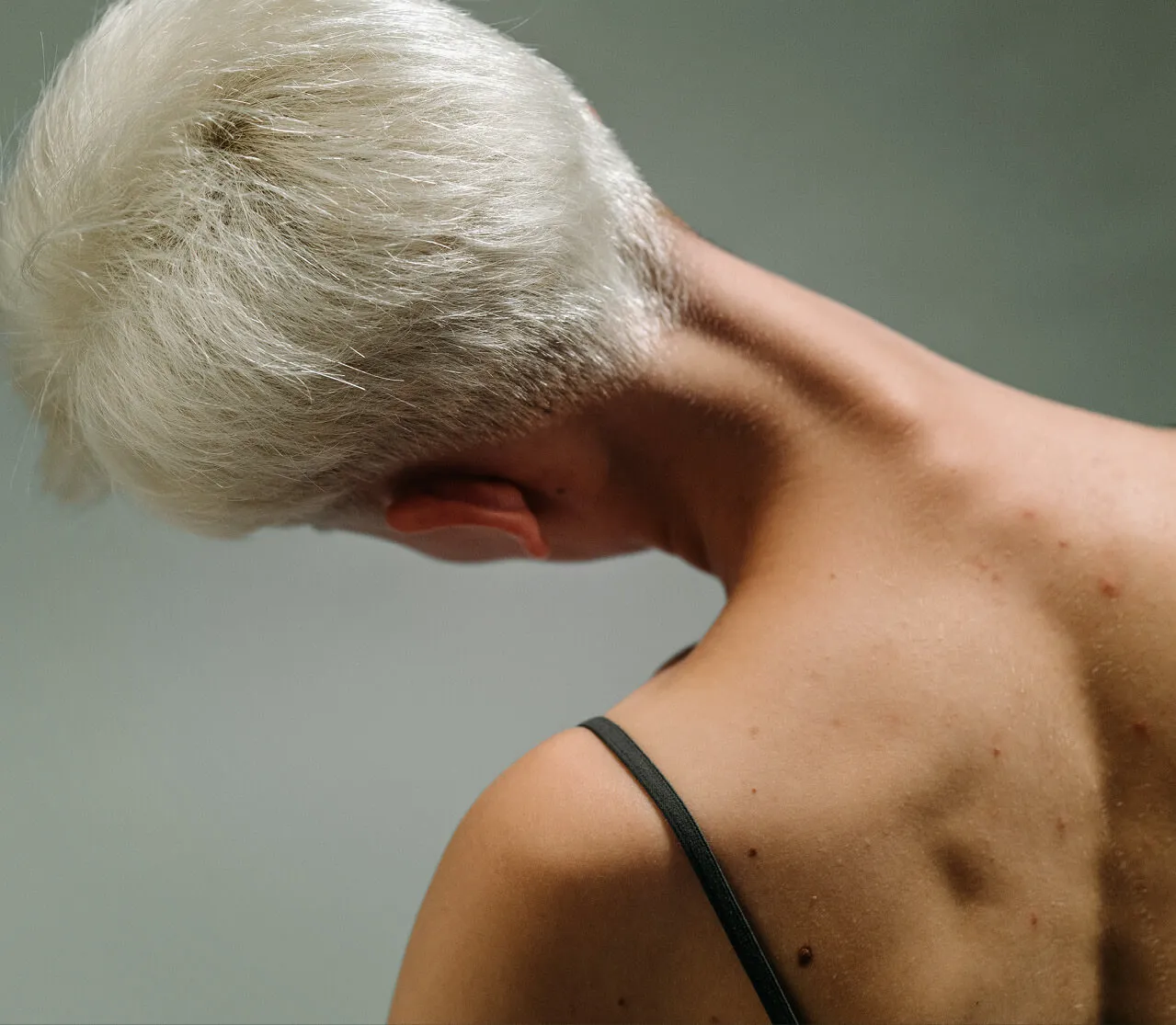
You should see a physical therapist if you have neck pain or stiffness that prevents you from doing your daily activities or hobbies the way you want to.
You do not need to see a doctor before consulting a physiotherapist. If your condition requires you to see a doctor, the physiotherapist will be able to tell you.
What are the physical therapy treatments for cervical osteoarthritis?
The best treatment for osteoarthritis symptoms is movement.
The physical therapist will perform an assessment to determine why your neck osteoarthritis is causing you pain. The physical therapist will evaluate the following:
- Your joint mobility
- The gliding of your nerves
- Your postural habits
- The quality of your movements
- Your strength and stability
Based on the assessment results, the physiotherapist will:
- Mobilizes the joints in your neck to reduce pain and improve movement
- Provide you with specific exercises to do at home to address the cause of the problem
- Teach you how to properly manage your daily activities and hobbies to optimize healing
- Give you advice for your postural habits and movements
It is important to note that osteoarthritis itself cannot be cured, as it is a degenerative process that cannot be reversed. However , "the symptoms associated with cervical osteoarthritis can be completely eliminated with treatment, even if the osteoarthritis is still present in the joints."
Need professional advice?
Our physical therapists can assess your condition and offer you a personalized treatment plan.
Book an appointmentWhat can you do at home for cervical osteoarthritis?
The best thing to do is to stay active.
- If you are sedentary, start by taking regular walks and doing mobility exercises for your neck and shoulders, paying attention to any pain you feel each day.
- If you are already active, continue with activities that do not cause too much pain.
Here are some other tips that may help at home:
- Temporarily stop doing the movements that cause too much pain, and then gradually start doing them again.
- Limit the amount of time you spend in the same position for more than an hour (computer, television, reading). Get up regularly for a few minutes to move your neck and shoulders a little.
- Ensure your neck is well supported at night with a pillow that fills the hollow of your neck. Sleeping on your stomach should be avoided if you experience stiffness or pain in the morning.
How can I reduce my chances of developing cervical osteoarthritis later in life?
If you are still young, you have the power to reduce your risk of developing osteoarthritis later in life. If you are older, these tips will definitely help reduce your chances of experiencing symptoms, even with osteoarthritis.
Here are the best tips to follow from a young age and to continue throughout your life to reduce your chances of developing osteoarthritis:
- Be active regularly and throughout your life
- This is certainly the most important factor. Your joints are nourished by movement and become stronger through movement.
- Here are some targets to aim for regarding physical activity, according to Canadian recommendations:
- 150 minutes per week of moderate to high intensity cardio activity
- Stand as often as possible (this counts as light activity)
- Do strength training with exercises that include large muscle groups 2x/week
- Limit sitting time to 8 hours/day
- Maintain a healthy weight (this will vary greatly from person to person)
- Avoid accumulating multiple joint injuries such as sprains, fractures, and surgeries
- Adopt healthy eating habits (refer to a nutritionist or the Canadian Food Guide)
To learn more...
You can listen to the podcast "Parle-moi de santé" (Talk to me about health) produced by one of our physical therapists, Alexis Gougeon. Episode #15 discusses osteoarthritis.
Episode 15 of Parle-moi de santé (osteoarthritis)
or on podcast platforms such as:
Sources
- Okada E, Matsumoto M, Fujiwara H, Toyama Y. Disc degeneration of cervical spine on MRI in patients with lumbar disc herniation: comparison study with asymptomatic volunteers. European Spine Journal. 2011 Apr 1;20(4):585-91.
- Musumeci G, Aiello FC, Szychlinska MA, Di Rosa M, Castrogiovanni P, Mobasheri A. Osteoarthritis in the 21st century: risk factors and behaviors that influence disease onset and progression. International Journal of Molecular Sciences. March 2015;16(3):6093-112.
- Gellhorn AC, Katz JN, Suri P. Osteoarthritis of the spine: the facet joints. Nature Reviews Rheumatology. 2013 Apr;9(4):216-24.
- Canadian Society for Exercise Physiology (January 25, 2021). Canadian 24-Hour Movement Guidelines for Adults ages 18-64 years: An Integration of Physical Activity, Sedentary Behavior, and Sleep. https://csepguidelines.ca/adults-18-64/
Videos in this category
Other conditions

Hip osteoarthritis is a normal wear and tear of the hip joint. Osteoarthritis is often described as the wearing away of cartilage between our bones. While this is true, it involves more than just cartilage. Cartilage is a tissue that acts like a cushion between the surfaces of our bones, allowing our joints to glide smoothly and move with ease.
It is a normal wear and tear of the knee joint. Osteoarthritis is often described as the wearing away of cartilage between our bones. While this is true, it involves more than just cartilage. Cartilage is a tissue that acts like a cushion between the surfaces of our bones, allowing our joints to glide smoothly and move with ease.
A bursa is like a small, very thin, fluid-filled sac found in several joints throughout the body. This small sac acts as a cushion in the joint and lubricates structures that are exposed to more friction.
It is an inflammation of the subacromial bursa in the shoulder joint.
It is a tissue that surrounds the shoulder and allows the shoulder bone to stay in place within the joint. The capsule helps to stabilize the joint.
Cervicalgia is a general term to describe neck pain that does not have a specific cause, such as an accident or sudden movement. Cervicalgia is therefore synonymous with ''I have a pain in my neck and nothing in particular happened''.
In both injuries, there is pain felt in the neck that then radiates into the arm, or vice versa.
It is a significant stretch or tear of the muscle fibers in the groin or inner thigh muscles.
It is a significant stretch or tear of the muscle fibers in the hamstring muscles located at the back of the thigh.
This is a significant stretch or tear of the muscle fibers in the calf muscles (soleus and gastrocnemius).
This is a significant stretch or tear of the muscle fibers in the quadriceps, which is the large muscle at the front of the thigh.
Book an appointment now
We offer a triple quality guarantee: optimized time, double physiotherapy assessment, and ongoing expertise for effective care tailored to your needs.
Our clients' satisfaction is our priority.
At Physioactif, excellence defines our approach. But don't take our word for it, see what our patients are saying.










Discover our physiotherapy clinics
We have multiple locations to better serve you.
Blainville
190 Chem. du Bas-de-Sainte-Thérèse Bureau 110,
Blainville, Quebec
J7B 1A7
Laval
Montreal
St-Eustache
Vaudreuil
21 Cité-des-Jeunes Blvd. Suite 240,
Vaudreuil-Dorion, Quebec
J7V 0N3
Book an appointment now