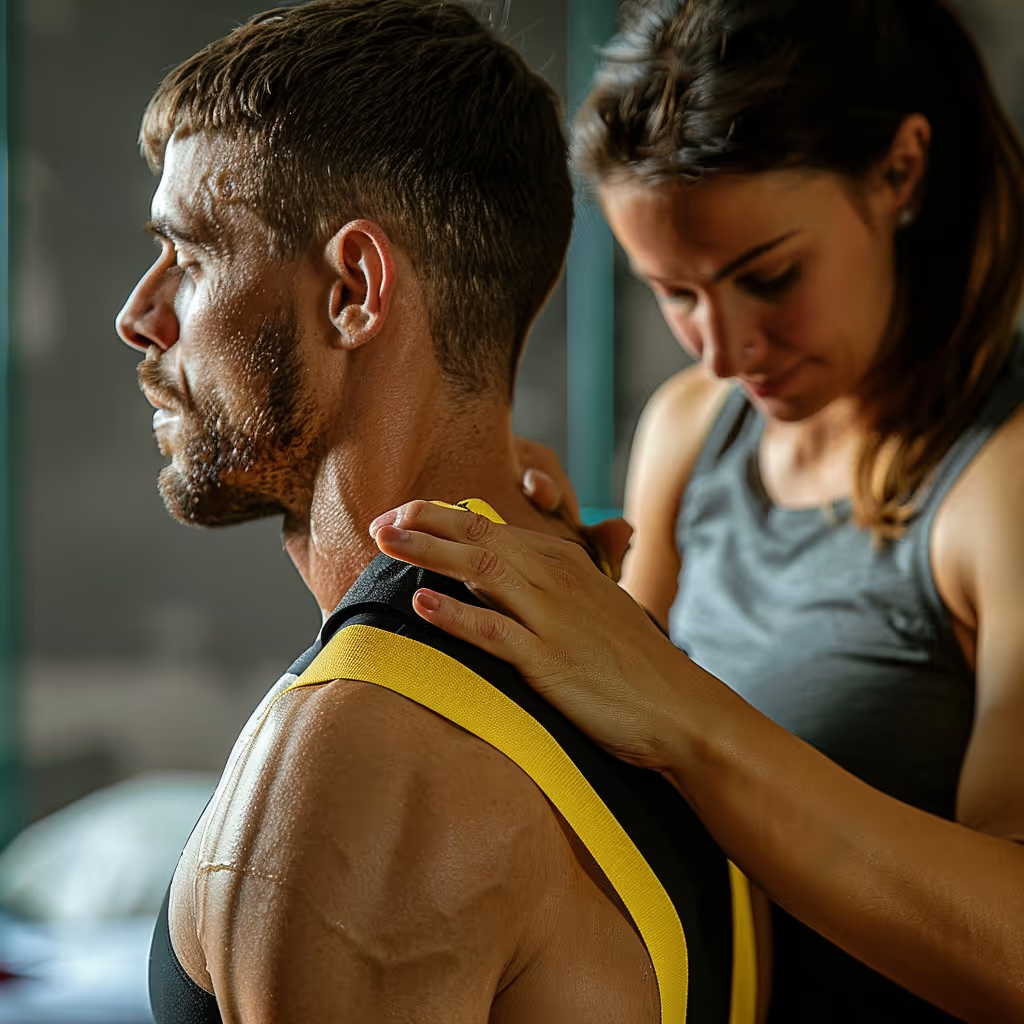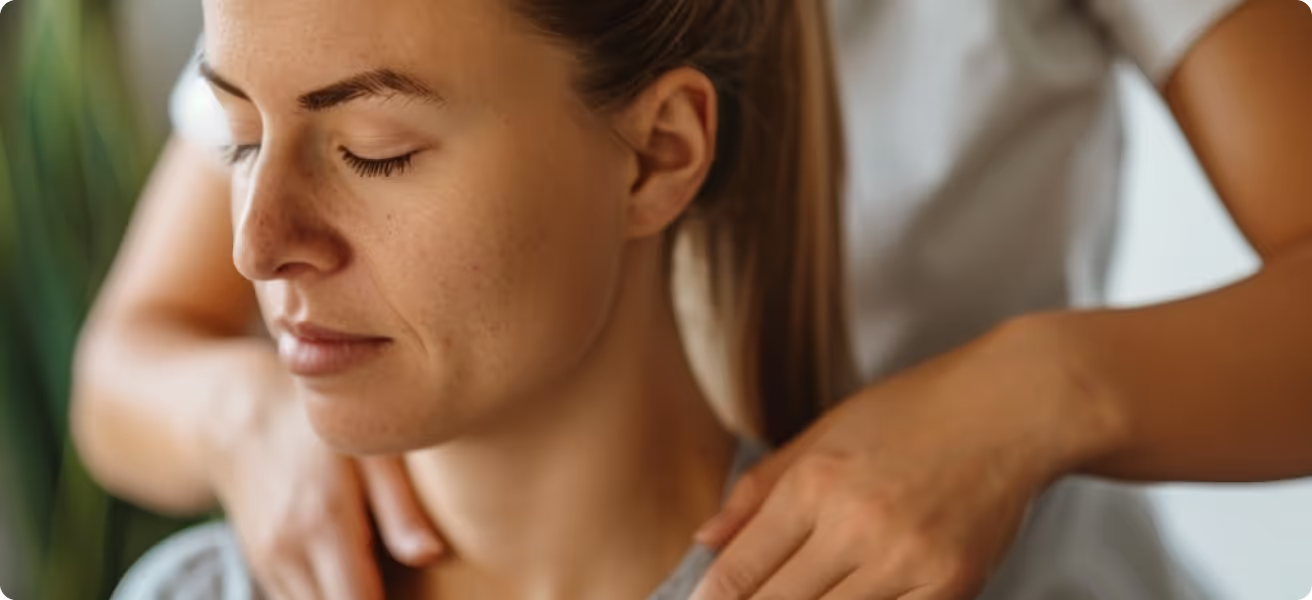


Who We Treat: Physiotherapy tailored to each population group
Physiotherapy supports people at every stage of their lives, from newborns to individuals aged 100 and over. At Physioactif, our physiotherapists tailor their care to the specific needs of each population group, whether you are a growing child, an injured worker, a pregnant woman, an athlete recovering, or a senior looking to maintain independence.
Each age group, life stage, and lifestyle presents distinct challenges. A sporty teenager recovering from a sprain does not have the same needs as a new mother wanting to regain abdominal strength, or an office worker dealing with neck pain. This is why our approach is based on a personalized assessment that considers your goals, abilities, and daily reality.
Research shows that physiotherapy interventions tailored to the specific characteristics of each population yield better results than a generic approach[1]. Here's the good news: exercise programs designed for seniors reduce the risk of falls by 23%[2], while prenatal interventions significantly decrease pelvic pain during pregnancy[3].
This guide will help you understand how physiotherapy can assist you, regardless of your age, physical condition, or life situation.
How does physiotherapy adapt to each stage of life?
Age profoundly influences how our body reacts to injuries, heals, and responds to treatments. Our physiotherapists adapt their interventions based on the physiological characteristics and functional needs specific to each age group.
Children and Adolescents (0-18 years)
Children and adolescents seek physiotherapy for various reasons: growing pains, sports injuries, postural problems, motor development delays, or neurological conditions.
The growing body has important specificities. Open growth plates make certain areas more vulnerable to injuries[4]. Muscle imbalances often appear during rapid growth spurts, creating compensations that can lead to pain in the back, knees, or ankles.
Young athletes represent a significant sub-population. Approximately 30% of sports injuries in adolescents are related to overuse[5]. Our approach includes not only treating the current injury but also preventing recurrence through education on appropriate training load, the importance of rest, and sports technique.
Commonly Treated Conditions in Young People:
- Osgood-Schlatter disease (growth-related knee pain)
- Sever's disease (heel pain)
- Repeated ankle sprains
- Back pain related to posture or carrying a school bag
- Congenital torticollis (infants)
- Motor delays (not walking at the expected age)
Sessions with children are tailored to their developmental level. We use play to teach exercises to younger children and involve parents as partners in the rehabilitation process. For teenagers, we take the time to explain the 'why' behind each intervention, fostering their independence and commitment to treatment.
Active Adults (18-65 years old)
Working-age adults represent our largest client group. They seek treatment for work-related injuries, road accidents, sports injuries, or chronic pain that interferes with their daily activities.
This population often juggles multiple responsibilities: work, family, and social obligations. Musculoskeletal injuries account for 40% of work absences in Canada[6], underscoring the major impact these problems have on professional and personal life.
At Physioactif, we accept CNESST (workplace accident) and SAAQ (road accident) claims. These programs cover physiotherapy treatments, enabling injured workers to receive the necessary care without direct costs.
The most common pains among active adults include:
- Back pain (low back pain, sciatica, herniated disc)
- Shoulder pain (rotator cuff tendinitis, frozen shoulder)
- Knee pain (patellofemoral pain syndrome, meniscus injury, early-stage osteoarthritis)
- Hip pain (bursitis, tendinitis, osteoarthritis)
- Neck pain related to office work
Our approach for this population emphasizes a quick and safe return to activities, including work and sports. We understand that you can't simply stop living while waiting for the pain to pass. That's why we work to modify your activities rather than eliminate them, and to develop self-management strategies that fit into your busy schedule.
Specifically for office workers, we offer ergonomic advice and programs tailored to the needs of sedentary employees, as pain related to prolonged posture requires a different approach than traumatic injuries.
Seniors (65 years and older)
Aging does not mean accepting pain or losing independence. Seniors seek physiotherapy to maintain or regain their independence, manage osteoarthritis, recover from fractures, or prevent falls.
Falls represent a major public health issue. In Quebec, one in three people aged 65 and over falls each year[7]. Approximately 20% of these falls result in serious injuries requiring hospitalization, and half of seniors hospitalized for a hip fracture never regain their previous level of mobility[8].
The good news: physiotherapy fall prevention programs significantly reduce this risk. Balance and strengthening exercises decrease the fall rate by 23% in seniors living at home[2]. Our interventions include balance assessment, home modification recommendations, and progressive exercise programs tailored to your condition.
Commonly Treated Conditions in Seniors:
- Osteoarthritis (hips, knees, back, hands)
- Fractures (wrist, hip, vertebrae)
- Deconditioning after hospitalization
- Balance issues
- Chronic pain
- Joint stiffness
Osteoarthritis affects 1 in 3 Canadians aged 65 and over[9]. Contrary to popular belief, exercise does not worsen osteoarthritis; instead, it helps reduce its symptoms. Supervised exercise programs can reduce osteoarthritis pain by 40% and improve physical function by an average of 30%[10].
Our sessions with seniors are tailored to each individual's pace. We focus on concrete and meaningful goals, such as being able to climb stairs to visit your grandchildren, walking to the grocery store without pain, or getting up from a chair unassisted. We also often collaborate with caregivers and family to maximize results.
What are our specialized services for key life stages?
Certain periods of life bring significant physiological changes that greatly benefit from physiotherapy support.
Pregnant women (prenatal period)
Pregnancy transforms the body rapidly and profoundly. Between 50% and 80% of pregnant women experience lower back or pelvic pain during their pregnancy[3]. These pains are not inevitable, and physiotherapy can significantly improve your comfort.
Hormonal changes during pregnancy increase ligament laxity, making joints less stable. The baby's increasing weight shifts the center of gravity forward, altering posture and increasing the load on the back and pelvis. Pressure on the pelvic floor gradually increases.
Common problems during pregnancy :
- Pelvic pain (pubic symphysis, sacroiliac)
- Lower Back Pain (Lombalgia)
- Sciatica
- Tailbone pain
- Urinary incontinence
- Abdominal separation (diastasis)
- Leg swelling and pain
Our prenatal approach aims to maintain your comfort and mobility throughout your pregnancy. We use gentle manual techniques, adapted stabilization exercises, postural and ergonomic advice (such as how to get out of bed or carry an older child), and teach pelvic floor exercises to prepare for childbirth.
10 Quick Tips for Understanding Your Pain
The ones that have made the biggest difference in my patients' lives. 1 a day, 2 minutes.
Pelvic floor rehabilitation during pregnancy prepares these muscles for childbirth and reduces the risk of postpartum incontinence. Women who perform pelvic floor exercises during pregnancy have a 38% lower risk of developing urinary incontinence after childbirth[11].
We offer specialized pelvic floor physiotherapy care, provided by physiotherapists specifically trained for this clientele.
New mothers (postnatal period)
The postpartum period is a major recovery phase that deserves as much attention as pregnancy itself. Whether you've had a vaginal birth or a C-section, your body needs time and guidance to regain its strength and function.
Approximately 35% of women still report pelvic or lower back pain three months after childbirth[12]. Diastasis recti (separation of the abdominal muscles) persists in 40% of women six months postpartum if left untreated[13].
Common problems in the postnatal period :
- Diastasis recti
- Perineal pain or C-section scar pain
- Urinary or fecal incontinence
- Organ prolapse
- Persistent back or pelvic pain
- Neck and shoulder pain (from breastfeeding, carrying the baby)
Postnatal rehabilitation should ideally begin within the first few weeks after childbirth. We first assess tissue healing, the presence of diastasis, pelvic floor function, and any postural compensations that have developed.
Our postpartum program focuses on gradually regaining abdominal and pelvic strength, healing scars (C-section or tears), safely returning to exercise, and managing the physical demands of baby care (breastfeeding, carrying, diaper changes).
Progressive pelvic floor exercises after childbirth significantly reduce urinary incontinence. Women who follow a supervised program regain continence 2.5 times faster than those who do nothing[14].
Our physiotherapists specializing in pelvic health work with you to regain confidence in your body and return to the activities you love, without pain or leaks.
Preoperative and postoperative
Physiotherapy plays an important role before and after certain orthopedic surgeries. While Physioactif does not currently specialize in pre- and post-operative rehabilitation, we can support you with some common conditions.
Pre-rehabilitation (exercises before surgery) improves post-operative outcomes. Patients who undergo physiotherapy before knee or hip surgery recover faster and have better functional results than those who only start after the operation[15].
After surgery, physiotherapy helps restore mobility, reduce swelling and pain, prevent complications (stiffness, muscle wasting), and progress towards a full return to activities.
If you require intensive pre- or post-operative rehabilitation, we can refer you to colleagues who specialize in this area if needed.
How do we adapt our care to your lifestyle?
Your level of physical activity and type of work greatly influence the injuries you might experience and the goals of your rehabilitation.
Athletes and sports enthusiasts
Athletes, whether professional, serious amateurs, or simply sports enthusiasts, have specific physiotherapy needs. Sports injuries often differ from everyday injuries in their mechanism (high-intensity repetitive movements, direct trauma) and in their treatment goals (returning to performance, not just basic function).
Approximately 8.6 million sports injuries occur annually in North America[16]. The most common injuries affect the ankles (sprains), knees (ligaments, menisci), shoulders (throwing sports), and back (rotational or impact sports).
Our approach for athletes includes:
- Sport-specific assessment (analysis of sports movement)
- Treatment of acute injury
- Correction of imbalances and contributing weaknesses
- Gradual progression towards return to sport
- Prevention of recurrence through strengthening and technique
The process of returning to sport after an injury follows specific steps. Resuming too quickly increases the risk of re-injury: athletes who return to sport less than 6 months after an anterior cruciate ligament tear have a 7 times higher risk of getting injured again[17].
We use objective criteria (strength, control, and performance tests) to determine the appropriate time to return to each training phase. Our goal is not just to treat your current injury, but to make you stronger and more resilient than before.
Office Workers and Sedentary Individuals
Office jobs present their own musculoskeletal challenges. Sitting for 8 hours a day, leaning towards a screen, with arms extended towards a keyboard, puts repetitive and prolonged strain on the body.
Office workers report high rates of neck pain (42-69%), back pain (43-54%), and shoulder pain (41-52%)18. These pains often result from a combination of prolonged static posture, repetitive fine movements (keyboard, mouse), chronic muscle tension, and general physical deconditioning.
Common problems include:
- Neck pain and tension headaches
- Carpal Tunnel Syndrome
- Shoulder or elbow tendinitis ('tennis elbow')
- Postural lower back pain
- Generalized stiffness
Our program for office workers goes beyond simply treating pain. We assess your workstation (often via photos or video if we cannot visit), teach the principles of ergonomics to optimize your setup, and prescribe mobility and strengthening exercises that counteract the effects of sedentary work.
Ergonomic interventions significantly reduce musculoskeletal symptoms in office workers. A meta-analysis showed a 60% reduction in neck and shoulder pain following ergonomic modifications combined with exercises19.
We also help you integrate movement into your workday: active micro-breaks, desk stretches, and strategies for alternating between sitting and standing positions.
Manual and Physical Workers
Physically demanding jobs (construction, handling, nursing, housekeeping) place repeated and often asymmetrical loads on the body. These workers frequently seek treatment for overuse injuries or direct trauma.
Manual workers experience musculoskeletal injuries at a rate 2 to 3 times higher than office workers20. The most common problems affect the back (lifting, twisting), the shoulders (overhead work), the knees (squatting, kneeling), and the wrists (using vibrating tools).
Physioactif accepts CNESST (Commission des normes, de l'équité, de la santé et de la sécurité du travail) cases, which cover treatments following a work accident or occupational disease.
Notre approche pour les travailleurs manuels met l'accent sur :
- Rapid symptom relief to facilitate staying at work
- Teaching safe handling techniques
- Strengthening areas stressed by work
- Temporary modification of tasks in collaboration with the employer
- Preventing Recurrence
Gradual return to work (returning to lighter duties before resuming full tasks) reduces absence duration by 30% compared to an 'all or nothing' return21. We work with you and your employer to facilitate this process whenever possible.
What are our specialized areas of expertise?
Beyond general populations, Physioactif offers specialized expertise for certain conditions that require advanced training.
Vestibular Rehabilitation: Vestibular (inner ear) balance disorders cause debilitating dizziness, vertigo, and balance problems. Our physiotherapists trained in vestibular rehabilitation assess the vestibular system and use specific maneuvers (Epley, Semont) and adaptation exercises to reduce symptoms. Benign paroxysmal positional vertigo (BPPV), the most common cause of vertigo, responds to vestibular physiotherapy in 80-90% of cases22.
Pelvic Floor: Our physiotherapists specializing in pelvic health treat urinary and fecal incontinence, pelvic pain, pain during sexual intercourse, prolapse, and pelvic floor dysfunction in both women AND men. Yes, men also have a pelvic floor and can benefit from this expertise, especially after prostate surgery or in the presence of chronic pelvic pain.
Concussions: Concussions can cause various symptoms (headaches, dizziness, difficulty concentrating, light sensitivity) that may last a long time if not treated properly. Our physiotherapy approach for concussions includes managing cervical (neck-related, often present), vestibular (balance-related), and visual symptoms, as well as a gradual return to cognitive and physical activities. Physiotherapy speeds up post-concussion recovery and reduces the risk of persistent symptoms[23].
Need professional advice?
Our physical therapists can assess your condition and provide you with a personalized treatment plan.
Make an appointmentThese specialized services are in addition to our general services and are available in our clinics for patients who need them.
How do we tailor our care to each individual?
Beyond broad population categories, every patient is unique. Our approach is based on a thorough assessment that considers:
Your personal goals: What do you want to be able to do? Get back to hockey? Hold your grandchild without pain? Walk 30 minutes a day? Your goals guide our treatment plan.
Your life context: Do you have access to a pool for aqua fitness? How much time can you dedicate to home exercises? Do you live alone or with assistance? These factors influence our approach.
Your beliefs and preferences: Do you prefer exercises or manual techniques? Do you have any specific concerns? We adapt our explanations and interventions to your comfort level.
Your medical conditions: Diabetes slows healing. Osteoporosis limits certain exercises. Anticoagulant medications influence the choice of techniques. We take all of this into account.
Your social environment: The involvement of family or caregivers improves results, especially for children and the elderly. We encourage this participation when appropriate.
We also collaborate with other professionals when necessary: doctors, occupational therapists, kinesiologists, psychologists. Complex musculoskeletal problems often benefit from a multidisciplinary approach.
What are your frequently asked questions about physiotherapy by population group?
At what age can physiotherapy begin?
There is no minimum age. We treat everyone from newborns (congenital torticollis, plagiocephaly) to centenarians. Our approach is adapted to each stage of development or aging.
Is physiotherapy covered for children?
This depends on your private insurance. Some plans cover pediatric physiotherapy, while others do not. The public PEAS program (Physiotherapy and Occupational Therapy Services Program in Schools) exists for children in school, but wait times can be long. Private consultation allows for faster access.
Can my teenager attend appointments alone, or do I need to accompany them?
For minors (under 18), a parent or guardian must sign the initial consent form. Afterward, depending on the teenager's age and maturity, they may attend sessions alone if you allow it. We encourage gradual autonomy.
I am pregnant, is physiotherapy safe?
Absolutely. Physiotherapy during pregnancy is safe and beneficial. We use gentle techniques adapted to each trimester. Always inform your physiotherapist if you are pregnant or think you might be.
How long after childbirth can I start physiotherapy?
You can consult within the first few days postpartum for an initial assessment and advice. Progressive exercises generally begin after 2-4 weeks for a vaginal birth, and 6-8 weeks for a C-section, depending on healing. Your physiotherapist will adjust based on your specific situation.
I am retired and not very active, is it too late to start physiotherapy?
It's never too late. People in their 80s and 90s can still gain strength and improve balance with an appropriate exercise program. Even small improvements can make a big difference in your daily independence.
I am 75 years old and have osteoarthritis; will exercise make it worse?
No, that's a myth. Properly prescribed exercise does not worsen osteoarthritis and actually reduces its symptoms. Movement nourishes joint cartilage and strengthens the muscles that support the joint. Your physiotherapist will adapt the exercises to your tolerance.
My job is very physical; how can I do rehabilitation if I can't stop working?
When possible, we work to temporarily modify your tasks rather than having you stop working completely. For CNESST cases, temporary assignments can be negotiated with your employer. The goal is to maintain an activity level that does not hinder your recovery.
What are the next steps to book a consultation?
Physiotherapy can help you, regardless of your age, physical condition, or life situation. Our physiotherapists are trained to adapt their treatments to your specific needs and personal goals.
If you identify with any of the groups described in this guide, or if you have pain or limitations that affect your quality of life, do not hesitate to consult us. The first session involves a comprehensive assessment that allows us to understand your situation and propose a personalized treatment plan.
You can book an appointment online at one of our five clinics in Greater Montreal.
References
- Jette AM, Delitto A. Physical therapy treatment choices for musculoskeletal impairments. Phys Ther. 1997;77(2):145-154.
- Gillespie LD, Robertson MC, Gillespie WJ, et al. Interventions for preventing falls in older people living in the community. Cochrane Database Syst Rev. 2012;9:CD007146. doi:10.1002/14651858.CD007146.pub3
- Vleeming A, Albert HB, Ostgaard HC, et al. European guidelines for the diagnosis and treatment of pelvic girdle pain. Eur Spine J. 2008;17(6):794-819. doi:10.1007/s00586-008-0602-4
- Micheli LJ, Klein JD. Sports injuries in children and adolescents. Br J Sports Med. 1991;25(1):6-9. doi:10.1136/bjsm.25.1.6
- DiFiori JP, Benjamin HJ, Brenner JS, et al. Overuse injuries and burnout in youth sports: a position statement from the American Medical Society for Sports Medicine. Br J Sports Med. 2014;48(4):287-288. doi:10.1136/bjsports-2013-093299
- Institut de la statistique du Québec. Compensated work-related injuries by site of injury. Québec, 2020.
- Ministère de la Santé et des Services sociaux du Québec. Integrated Dynamic Balance Program (PIED). Québec, 2019.
- Magaziner J, Hawkes W, Hebel JR, et al. Recovery from hip fracture in eight areas of function. J Gerontol A Biol Sci Med Sci. 2000;55(9):M498-507. doi:10.1093/gerona/55.9.m498
- Public Health Agency of Canada. Arthritis in Canada: A Fact Book. Ottawa, 2010.
- Fransen M, McConnell S, Harmer AR, et al. Exercise for osteoarthritis of the knee. Cochrane Database Syst Rev. 2015;1:CD004376. doi:10.1002/14651858.CD004376.pub3
- Mørkved S, Bø K. Effect of pelvic floor muscle training during pregnancy and after childbirth on prevention and treatment of urinary incontinence: a systematic review. Br J Sports Med. 2014;48(4):299-310. doi:10.1136/bjsports-2012-091758
- Gutke A, Lundberg M, Ostgaard HC, et al. Impact of postpartum lumbopelvic pain on disability, pain intensity, health-related quality of life, activity level, kinesiophobia, and depressive symptoms. Eur Spine J. 2011;20(3):440-448. doi:10.1007/s00586-010-1487-6
- Mota P, Pascoal AG, Carita AI, et al. Prevalence and risk factors of diastasis recti abdominis from late pregnancy to 6 months postpartum, and relationship with lumbo-pelvic pain. Man Ther. 2015;20(1):200-205. doi:10.1016/j.math.2014.09.002
- Dumoulin C, Cacciari LP, Hay-Smith EJC. Pelvic floor muscle training versus no treatment, or inactive control treatments, for urinary incontinence in women. Cochrane Database Syst Rev. 2018;10:CD005654. doi:10.1002/14651858.CD005654.pub4
- Moyer R, Ikert K, Long K, et al. The value of preoperative exercise and education for patients undergoing total hip and knee arthroplasty: a systematic review and meta-analysis. JAMA Intern Med. 2017;177(6):835-846. doi:10.1001/jamainternmed.2017.0474
- Conn JM, Annest JL, Gilchrist J. Sports and recreation related injury episodes in the US population, 1997-99. Inj Prev. 2003;9(2):117-123. doi:10.1136/ip.9.2.117
- Grindem H, Snyder-Mackler L, Moksnes H, et al. Simple decision rules can reduce reinjury risk by 84% after ACL reconstruction: the Delaware-Oslo ACL cohort study. Br J Sports Med. 2016;50(13):804-808. doi:10.1136/bjsports-2016-096031
- Johnston V, Souvlis T, Jimmieson NL, et al. Associations between individual and workplace risk factors for self-reported neck pain and disability among female office workers. Appl Ergon. 2008;39(2):171-182. doi:10.1016/j.apergo.2007.05.011
- Driessen MT, Proper KI, van Tulder MW, et al. The effectiveness of physical and organisational ergonomic interventions on low back pain and neck pain: a systematic review. Occup Environ Med. 2010;67(4):277-285. doi:10.1136/oem.2009.047548
- Punnett L, Wegman DH. Work-related musculoskeletal disorders: the epidemiologic evidence and the debate. J Electromyogr Kinesiol. 2004;14(1):13-23. doi:10.1016/j.jelekin.2003.09.015
- Franche RL, Cullen K, Clarke J, et al. Workplace-based return-to-work interventions: a systematic review of the quantitative literature. J Occup Rehabil. 2005;15(4):607-631. doi:10.1007/s10926-005-8038-8
- Fife TD, Iverson DJ, Lempert T, et al. Practice parameter: therapies for benign paroxysmal positional vertigo (an evidence-based review): report of the Quality Standards Subcommittee of the American Academy of Neurology. Neurology. 2008;70(22):2067-2074. doi:10.1212/01.wnl.0000313378.77444.ac
- Schneider KJ, Leddy JJ, Guskiewicz KM, et al. Rest and treatment/rehabilitation following sport-related concussion: a systematic review. Br J Sports Med. 2017;51(12):930-934. doi:10.1136/bjsports-2016-097475
Customer satisfaction is our top priority
At Physioactif, excellence guides everything we do, but our patients are the best ones to tell you about it. Take a look at their verified reviews to get a real sense of their experience.












Discover our physical therapy clinics
We have locations in several areas to better serve you.
Blainville
190 Bas-de-Sainte-Thérèse Road, Suite 110,
Blainville, Quebec
J7B 1A7
Located in Blainville, near Rosemère, the Physioactif clinic is easily accessible to residents of the area and the surrounding communities
Laval
3224 Jean-Béraud Ave., Suite 220, Laval,
QC H7T 2S4
Located in Chomedey, in the heart of Laval, the Physioactif clinic is easily accessible to people in the area
Montreal
8801 Lajeunesse Street,
Montreal,
QC H2M 1R8
Located in Ahuntsic, near Villeray, the Physioactif clinic is easily accessible to residents of both neighborhoods
St. Eustace
180 25th Avenue, Suite
201 Saint-Eustache
QC J7P 2V2
Located in Saint-Eustache, the Physioactif clinic is easily accessible to residents of the area and the surrounding communities
Vaudreuil
21 Cité-des-Jeunes Boulevard, Suite 240,
Vaudreuil-Dorion, Quebec
J7V 0N3
Located in Vaudreuil-Dorion, the Physioactif clinic is easily accessible to people in the area
Make an appointment now