Development Assessment
An assessment of posture, gross motor skills, and movement, with goals set in consultation with you based on the child's age.
Pediatric physical therapy supports a child’s motor development from birth through age 7, whether the child is experiencing delayed motor skills, has a concerning posture, or is slow to walk. Physioactif assesses movement, balance, and muscle tone, then develops a treatment plan tailored to the child’s age and pace to support each stage of development, without pressure.


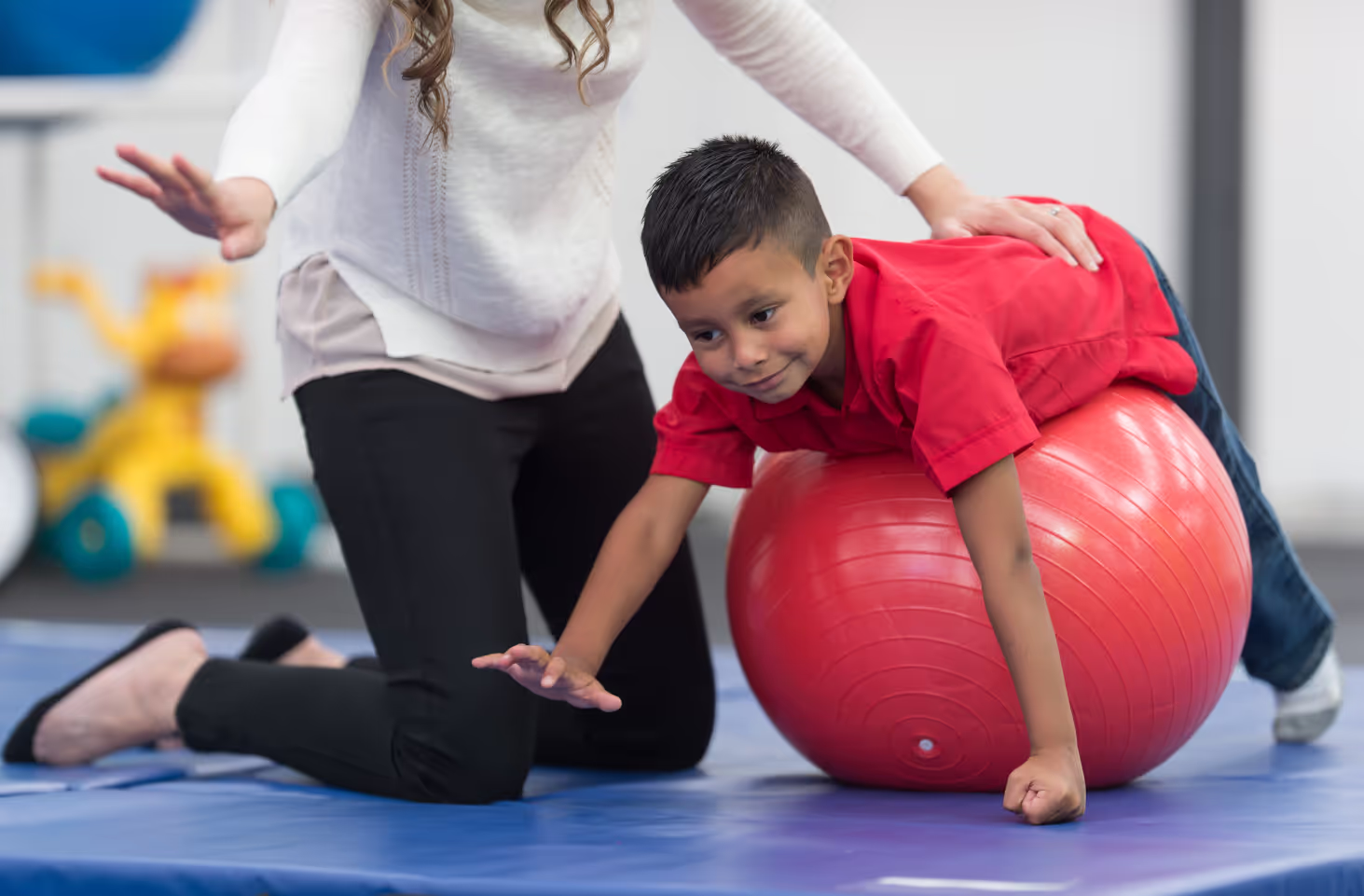
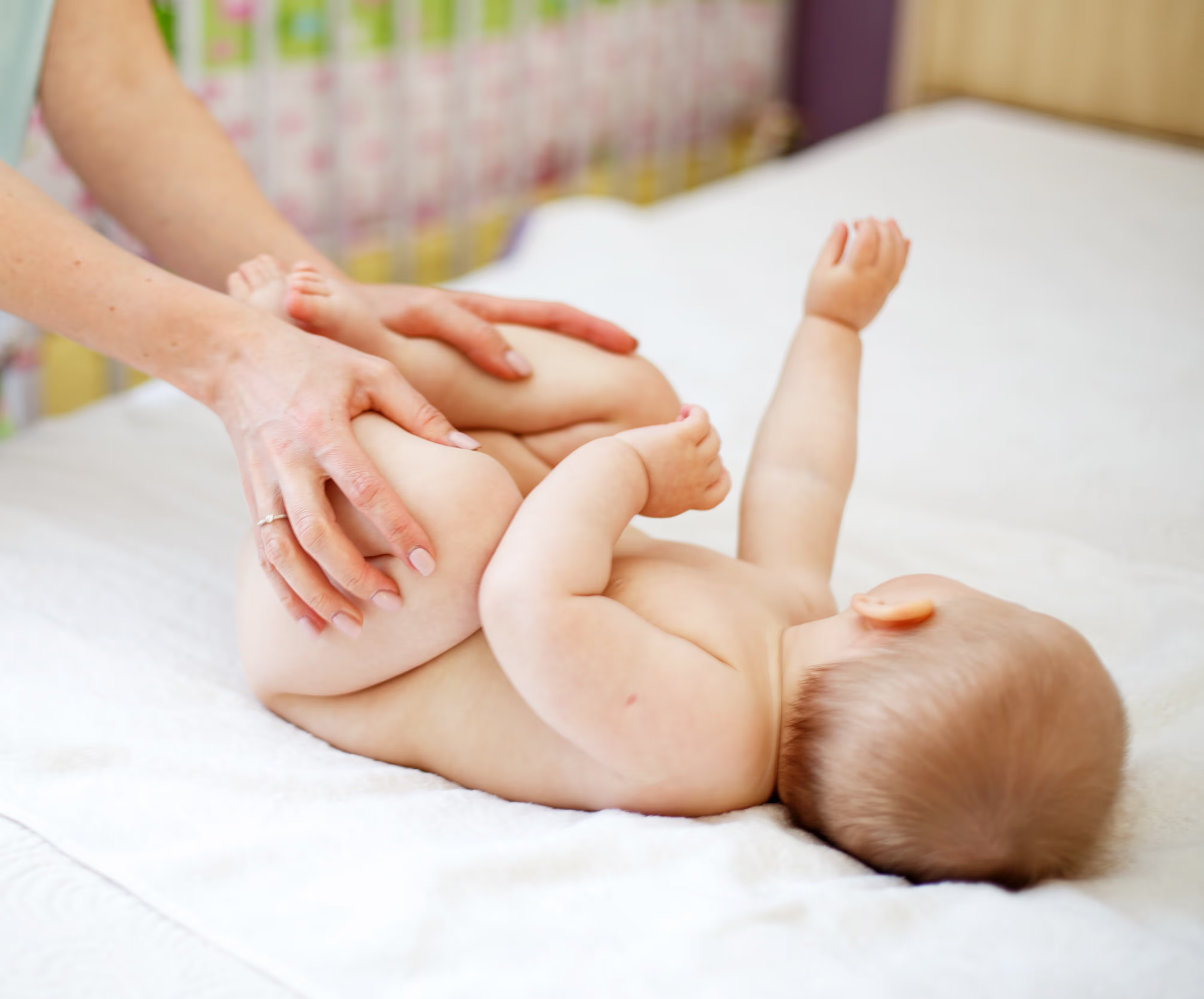
Physioactif first assesses the child’s development—including posture, gross motor skills, coordination, balance, strength, and range of motion—based on the child’s age. This assessment identifies any developmental delays, asymmetries, or motor difficulties and guides the development of a clear treatment plan with specific goals, implemented through play, never through coercion:
This rigor stems from a team that teaches at the university, presents at conferences, and publishes research. Each approach is tailored to the child’s potential to maximize their participation, quality of life, and health.

Stimulation of Motor Skills and Head Control
Building Strength and Balance
Gentle Correction of Posture and Movement
The treatment follows four clear steps, designed with your child and you, the parents, in mind.
An assessment of posture, gross motor skills, and movement, with goals set in consultation with you based on the child's age.
An approach tailored to your child's level, with exercises that are appropriately challenging and a realistic timeline.
The sessions incorporate games and engaging activities to help children develop coordination and strength without making them feel like it's a chore.
simple tips and exercises you can do at home to build on your progress between appointments.
At Physioactif, excellence guides everything we do, but our patients are the best ones to tell you about it. Take a look at their verified reviews to get a real sense of their experience.


Physioactif offers physical therapy services recognized by more than 30 insurance providers, available at each of our clinics, including Beneva, Desjardins, Canada Life, Manulife, Sun Life, and Green Shield. You will receive an official receipt for reimbursement, and direct billing is available through several insurers. CNESST claims for work-related accidents and SAAQ claims for traffic accidents are also accepted when applicable.
We handle the claim directly so you can focus your energy on your recovery, not on paperwork.





Here's what sets our approach to pediatric physical therapy apart.
Our physical therapists teach at the university level, present at conferences, and some publish peer-reviewed research—expertise that benefits your family.
The techniques involve play and age-appropriate activities, so that children participate willingly rather than being forced to.
You'll leave with clear advice and goals to work on at home—both for yourself and for your child.
6 clinics in the Greater Montreal area, a 4.9 out of 5 rating on Google, coverage by more than 30 insurance plans, and direct access without a referral.
We have locations in several areas to better serve you.
3224 Jean-Béraud Ave., Suite 220, Laval,
QC H7T 2S4
Located in Chomedey, in the heart of Laval, the Physioactif clinic is easily accessible to people in the area
8801 Lajeunesse Street,
Montreal,
QC H2M 1R8
Located in Ahuntsic, near Villeray, the Physioactif clinic is easily accessible to residents of both neighborhoods

The initial consultation costs $150, or $166 with a senior physical therapist, and lasts about 60 minutes. It is used to assess the child’s development, identify the source of the difficulty, and establish a treatment plan. Follow-up appointments are $110, or $119 with a senior physical therapist. You will receive an official receipt for your insurance.
Pediatric physical therapy is for infants and children from birth through age 7. Physioactif treats congenital torticollis and plagiocephaly, which cause a flattened skull (“flat head”) or a head tilted to one side. Our physical therapists also assess delayed motor development, toe-walking, delayed walking, scoliosis or postural asymmetry, motor skill acquisition disorders, cerebral palsy, and various neurological or orthopedic conditions affecting the feet. Physical therapy also addresses minor injuries in active children, such as sprains, before persistent pain sets in. If you have any concerns, an evaluation will determine your child’s current status.
A physical therapy session with a child involves play and age-appropriate activities—never coercion. The physical therapist observes the child’s movements, guides exercises disguised as games to develop motor skills, strength, and balance, and then assesses the progress made. Parents participate: you see what’s being worked on and leave with exercises to repeat at home.
In Quebec, physical therapy is available through direct access: no doctor’s referral is required to schedule an appointment at Physioactif. However, some private insurers may require a doctor’s referral for reimbursement, so please check the terms of your plan. Physioactif also accepts cases from the CNESST and the SAAQ when applicable.
The time required varies depending on the child’s age, condition, and level of participation, but many families notice progress after just a few sessions. Physioactif sets measurable goals right from the initial assessment and then adjusts the plan as the child improves their posture, gait, or balance. Following the advice given for home use between appointments often accelerates progress.
A physical therapist is a healthcare professional trained and supervised to assess, diagnose, and treat motor development disorders in children. As a member of the OPPQ, the physical therapist evaluates the child relative to their age, develops a treatment plan, and monitors their progress—an approach based on clinical assessment and active rehabilitation. Other approaches exist in Quebec, each with its own framework; Physioactif guides you toward the care plan that best suits your child’s condition.