Physiotherapy clinic in Blainville
If you have pain or an injury that limits your activities, our team of physiotherapists in Blainville will identify the cause to help you resume your activities.

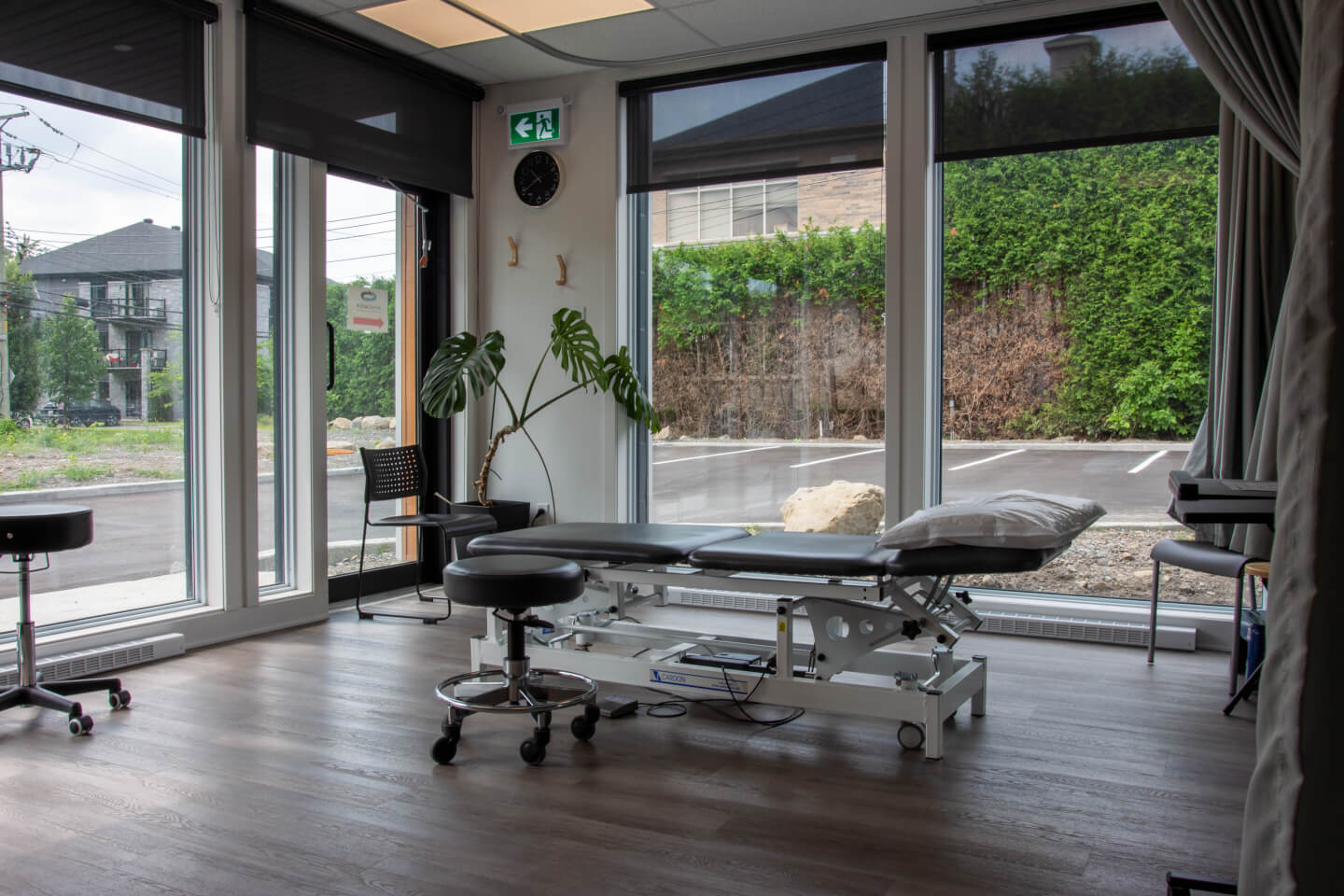
Key Steps in Physical Therapy
Patients consult for various situations, including persistent pain, injuries, or limitations in their movements. In the Blainville, Rosemère, and Sainte-Thérèse region, consultations frequently involve the back, neck, and knee.
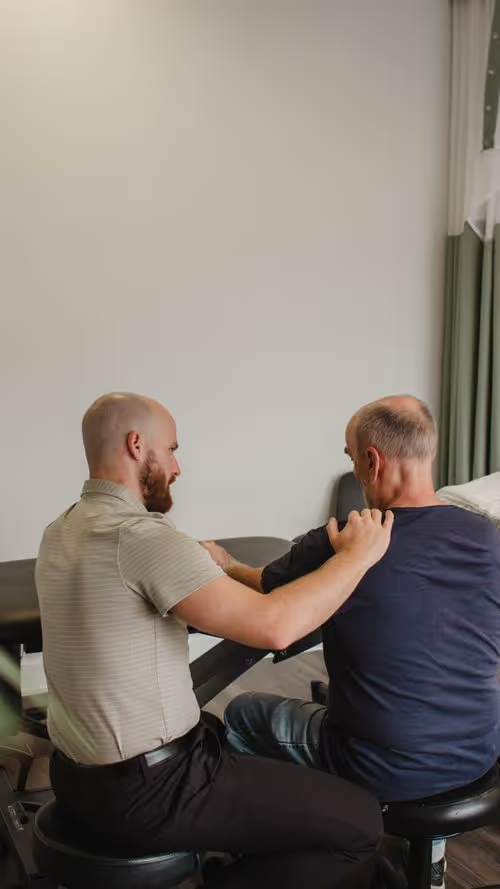
Comprehensive Physical Therapy Assessment
A comprehensive evaluation lasting about an hour to determine whether the pain is coming from a nerve, a tendon, or a joint.
We also analyze the factors contributing to the problem, such as work, sports, and past injuries.
You’ll leave with a clear understanding of your condition and the next steps.
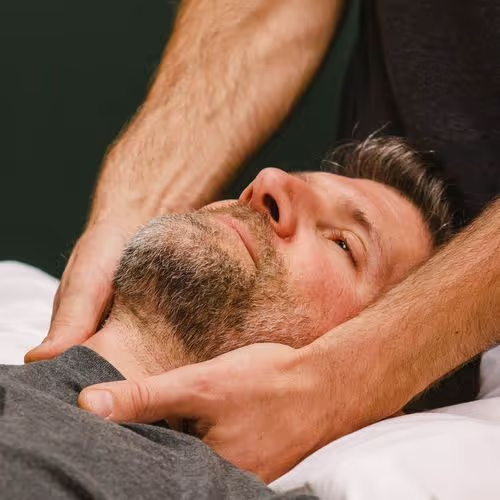
Treatment, relief, education
Treatments that combine manual therapy and targeted exercises tailored to your condition
We tailor the treatment to your progress and your specific limitations.
You’ll know what to do between sessions to recover faster.

Relapse Prevention and Return to Activities
Once the pain has subsided, we’ll help you gradually resume your activities to prevent relapses, with a clear plan to maintain your progress.
You’ll be able to manage your condition on your own in the long term.
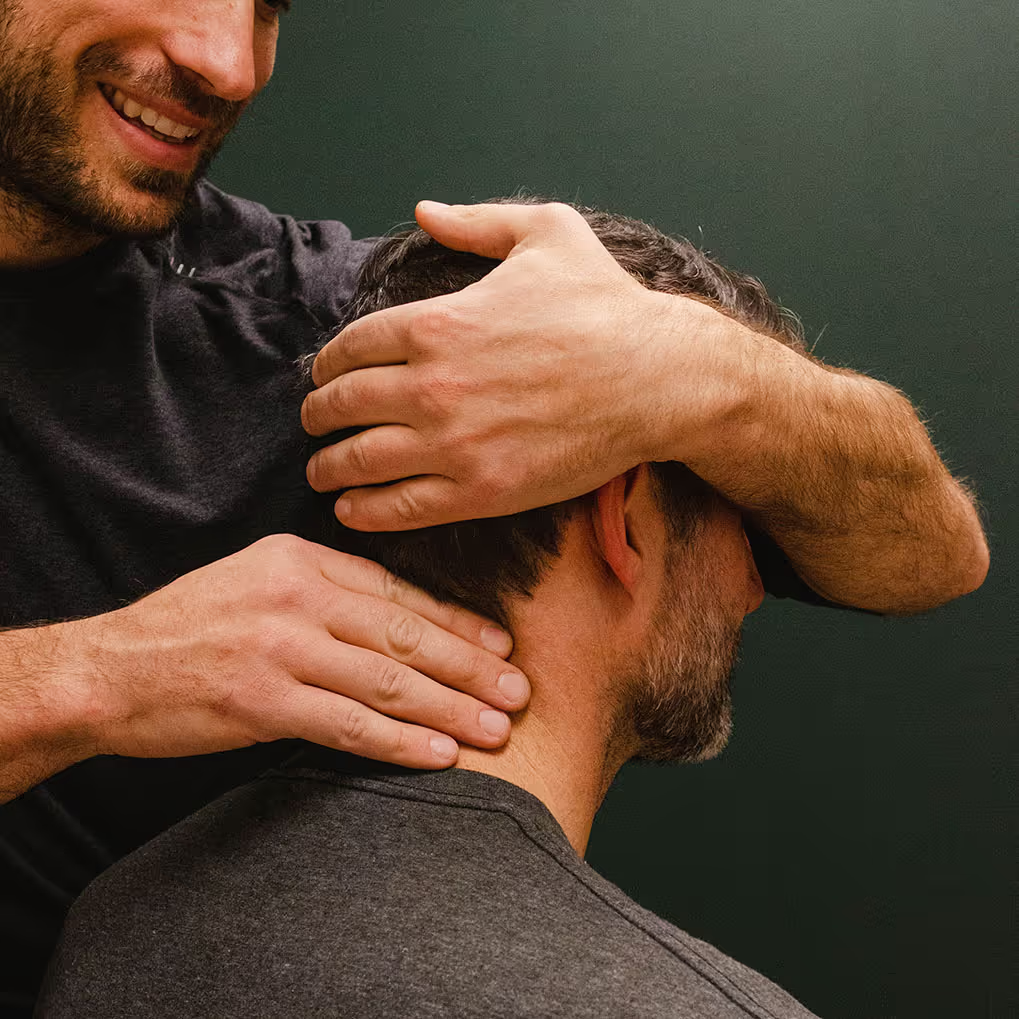
Improve your comfort at our Blainville clinic
At Physioactif Blainville, patients seek help to resume their activities after an injury or persistent pain.
Treatment aims to help you move with confidence and get back to your routine.

Appointments available quickly, often within 24 to 48 hours.
No medical referral is required to consult.
Private insurance, SAAQ, and CNESST are accepted.
Our Physiotherapy Services in Blainville
Understand the cause, not just treat the symptoms.
Some team members develop specific areas of interest to further specialize in the management of certain conditions.

Stiffness, rigidity, or loss of mobility
A feeling of stiffness, tightness, or loss of mobility is never something to ignore. Behind this limitation often lies a specific structural issue that prevents normal movement.
Nerve pain and numbness
Numbness, tingling, burning sensations, or pain that radiates down an arm or leg is often caused by irritation or compression of the nervous system. These symptoms occur when a nerve is no longer functioning normally or becomes sensitive to movement.
Persistent (chronic) pain
Pain that has persisted for several weeks or months often indicates that the problem is no longer limited to simple physical irritation. Over time, the nervous system becomes more sensitive and perpetuates the pain even after the initial cause has changed
Comprehensive evaluation and second opinion
When symptoms persist or the results obtained are inconsistent, a thorough evaluation can help clarify the situation. The goal is to pinpoint the exact cause of the problem and avoid guesswork
Pre- and post-surgical rehabilitation
Surgery alone does not resolve the root cause of the problem or ensure a full return to function. Preparation before the procedure and rehabilitation afterward play a crucial role in recovery.
Perineal and Pelvic Rehabilitation
Urinary leakage, feelings of heaviness, or pelvic discomfort are often related to a lack of coordination or control of the pelvic floor muscles. These symptoms appear when the muscles do not contract or relax effectively.
Prenatal and postpartum care
La grossesse et le post-partum entraînent des changements importants au niveau du corps, notamment au niveau abdominal et pelvien. Ces transformations peuvent créer des douleurs, une perte de contrôle ou des inconforts qui nécessitent une prise en charge adaptée. Bien encadrée, l'activité reste bénéfique : découvrez les <a href="/ressources/limportance-de-lactivite-physique-pendant-la-grossesse-des-bienfaits-pour-la-sante-maternelle-et-foetale">bienfaits de l'exercice enceinte</a> pour la mère et le bébé.
Balance disorders and dizziness (vestibular)
Les étourdissements, les vertiges ou les pertes d'équilibre sont souvent liés à un dérèglement du système vestibulaire situé dans l'oreille interne. Ce système joue un rôle essentiel dans l'équilibre et l'orientation du corps dans l'espace Pour reconnaître les différentes formes de <a href="/guide-complet/vertiges-et-etourdissements">vertiges et étourdissements</a> et comprendre leur origine, consultez notre guide complet.
Sports injuries
A sports injury rarely happens by chance; it's often linked to overload, an imbalance, or the body's poor adaptation to effort. Understanding why the injury occurred helps prevent its recurrence.
Running Analysis and Biomechanics
The way you run directly influences your performance and your risk of injury. A biomechanical analysis helps to understand how your body absorbs impacts and produces movement.
SAAQ Program (Traffic Accidents)
A car accident can cause pain, stiffness, or symptoms that develop gradually after the impact. These conditions require a thorough evaluation to prevent them from becoming chronic
IVAC Program (Criminal Offenses)
Injuries related to a criminal event can lead to persistent pain, tension, or physical limitations. Tailored care allows for gradual recovery in a safe and supported environment.
Veterans Program
Injuries sustained during military service can persist for a long time and affect your mobility, pain levels, and quality of life. These conditions require appropriate care that is recognized by veterans’ programs
Body Regions Treated at Our Blainville Clinic

Head, jaw, face
Head and jaw pain can be linked to muscle tension, joint issues, or strain on the neck. Some headaches start in the neck, while problems with the jaw joint (TMJ) can cause jaw pain, clicking, or limited movement.
When these symptoms persist or return often, it's important to understand their source. An assessment helps identify the structures involved and guides the treatment. This may include hands-on techniques, specific exercises, and strategies to reduce tension and improve jaw and neck function.

Neck
Spending long periods in certain positions, such as working at a computer or driving, puts significant strain on the neck. Over time, this can lead to tension, reduced movement, or pain that spreads to the shoulders and arm. Neck pain (cervicalgia) and pinched nerves in the neck (cervical radiculopathy) are common causes, but their symptoms are often mistaken for other issues.
When pain persists or returns regularly, it's important to find its source. Joint, muscle, or nerve structures can all be involved. A tailored approach, combining hands-on techniques, targeted exercises, and postural adjustments, can help reduce symptoms and restore freer movement.

Shoulder and arm
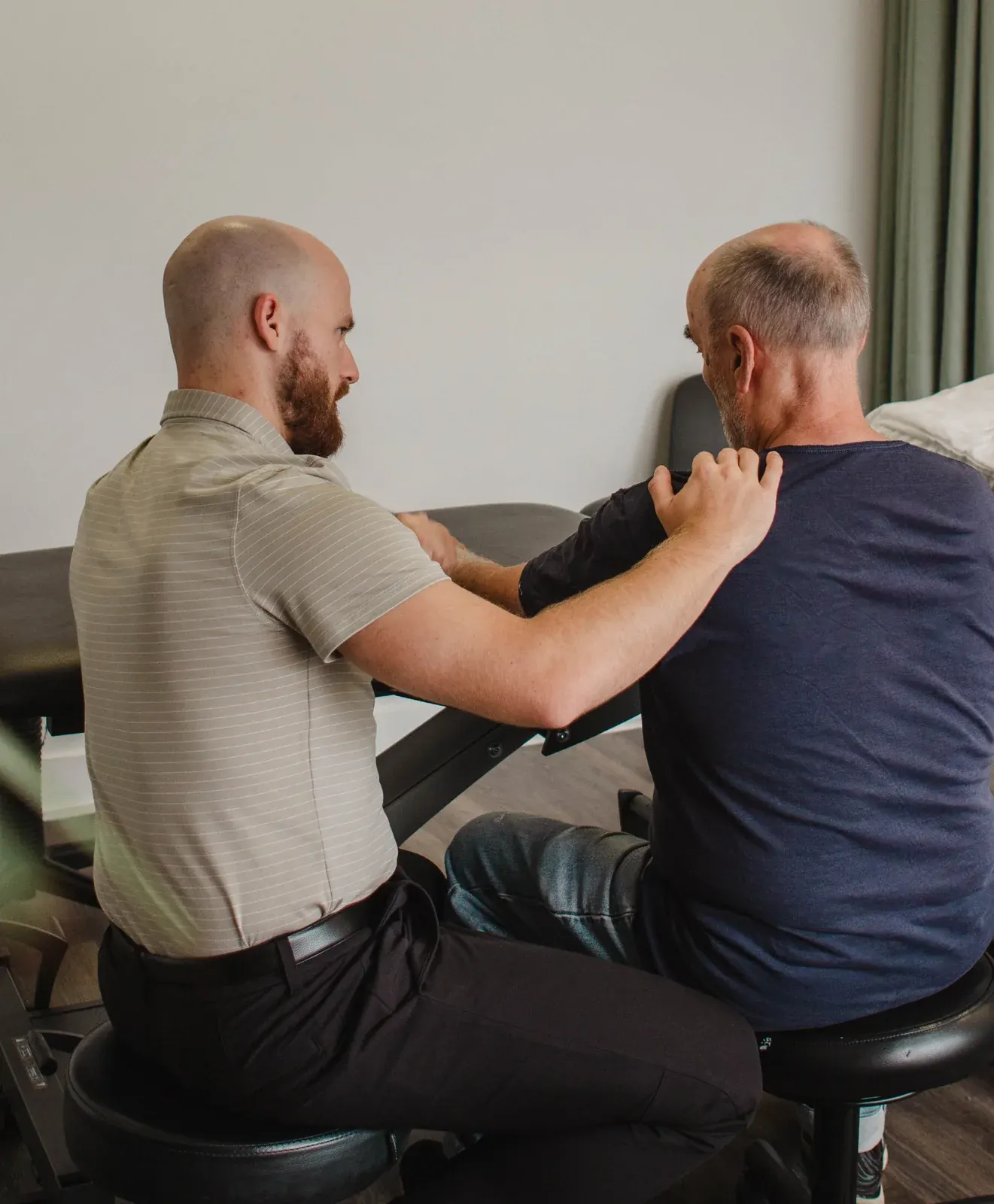
Lifting your arm, throwing, or working overhead puts intense strain on the shoulder. When these movements become painful or limited, it can indicate an issue with the structures that stabilize the joint. Rotator cuff tendinopathy (tendon inflammation) and impingement syndrome are among the most common causes.
Poor coordination between the shoulder and shoulder blade can increase strain and slow down recovery. Instead of simply avoiding movements, a gradual approach helps restore the joint's ability to handle stress. Treatment focuses on improving strength, control, and movement quality so you can return to your activities without fear.
Elbow
Squeezing, lifting, or repeating the same motions can quickly overload the elbow. Pain that develops gradually, especially when gripping objects, is often linked to tennis elbow (lateral epicondylitis) or golfer's elbow (medial epicondylitis). These conditions usually result from an accumulation of stress that the tissues can't handle, rather than a single movement.
In this situation, completely avoiding arm use can actually slow down recovery. Instead, a gradual increase in activity helps stimulate tissue healing. Depending on the structure involved—whether it's a tendon, joint, or nerve—treatment combines specific exercises, hands-on therapy, and adjustments to your movements to help you regain functional strength.

Wrist and hand
The wrist and hand are constantly used for precise movements, whether at work, on the computer, or during daily activities. Pain, numbness, or loss of strength can develop gradually, making simple tasks like grasping or handling objects difficult. Carpal tunnel syndrome and tendinopathies (tendon issues) are among the most common causes.
These symptoms don't always originate solely from the wrist; some nerve irritations can also be influenced by the forearm or neck. An assessment helps pinpoint the source of the problem and tailor the treatment. Our approach combines exercises, hands-on techniques, and adjustments to your movements to improve function and reduce daily discomfort.

Back
Sitting for long periods, bending over, or lifting heavy objects constantly puts stress on your back. When pain develops, it can be localized or spread to the buttock and leg, making certain movements more difficult. Low back pain and disc irritations are common causes, but several structures can be involved at the same time.
Instead of looking for a single source, it's often necessary to assess all the factors that contribute to the pain. Your body's ability to tolerate movement plays a key role in recovery. An approach combining exercises, hands-on therapy, and a gradual return to activities can improve function and reduce the risk of the pain coming back.

Perineum
Pelvic floor disorders can affect both women and men and can show up in various ways, such as urinary leakage, a feeling of heaviness, or pain in the pelvic area. These symptoms are often linked to a lack of coordination or control of the perineal muscles.
While common, these problems are not something you have to live with. A specific assessment helps us understand how your pelvic floor works and identify the contributing factors. Treatment involves targeted exercises, coordination work, and strategies tailored to your daily activities to improve control and reduce symptoms long-term.
Hip, pelvis and thigh
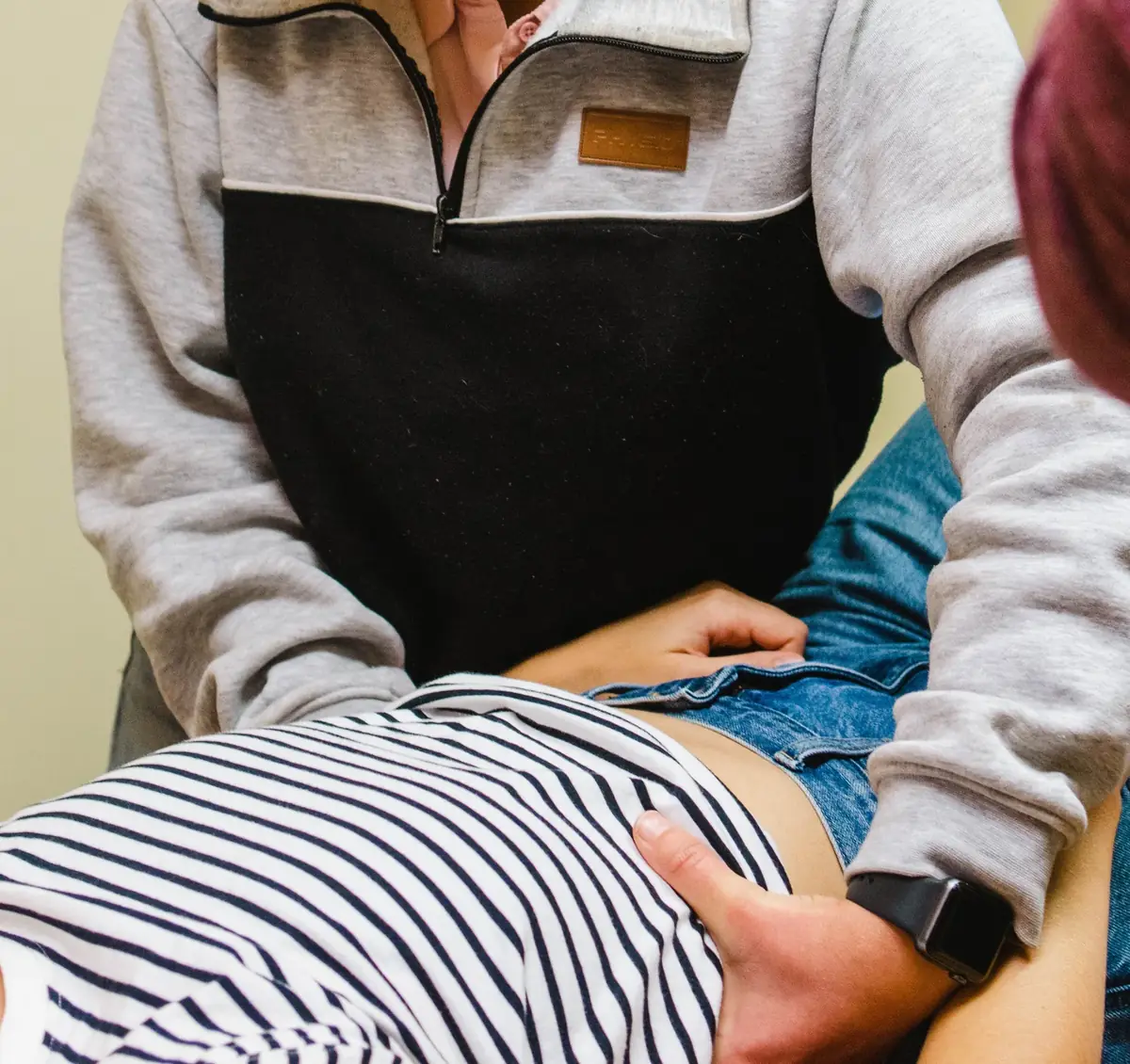
The hip plays a central role in transferring forces between your torso and lower limbs. When it can't handle stress as well, pain can occur in the hip itself, or also show up in the lower back or thigh. Conditions like gluteus medius tendinopathy (tendon pain) or femoroacetabular impingement (FAI) are often involved.
Inefficient movement can increase stress on the joint and slow down recovery. Therefore, it's important to assess not only the hip itself, but also how it works with the rest of your body. Treatment aims to improve control, mobility, and the ability to handle stress, to reduce symptoms and help you return to your activities.

Knee
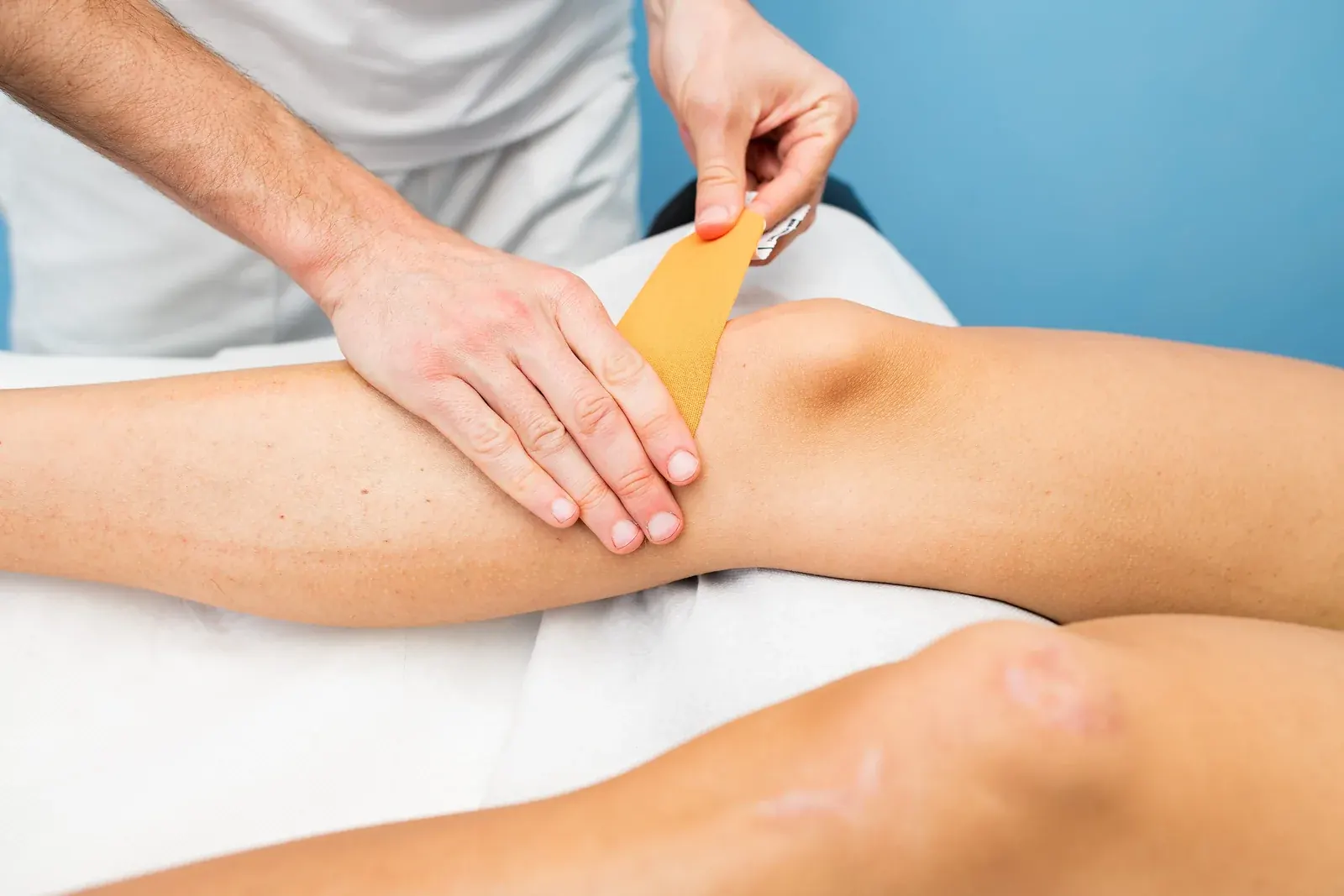
The knee is heavily used during walking, climbing stairs, or sports activities that involve impacts and changes in direction. Pain that arises in these situations can indicate irritation of internal structures or an imbalance in how forces are distributed. Patellofemoral pain syndrome and meniscal injuries are among the common causes.
When certain movements become difficult or painful, it's essential to assess how the knee reacts to stress rather than focusing only on the painful area. Factors like muscle control and lower limb alignment directly influence symptoms. A gradual approach helps improve stability, restore function, and allow you to resume activities with greater confidence.
Calf, ankle and foot
The ankle and foot absorb impacts and provide stability with every step. Even a minor injury can disrupt this balance, leading to persistent pain or a feeling of instability. Ankle sprains, plantar fasciitis, and Achilles tendon issues are common problems in this area.
After an injury, recovery isn't just about tissue healing; it also depends on regaining good control and effective coordination. Without this, the risk of re-injury remains high. Rehabilitation focuses on stability, proprioception (your body's sense of position), and a gradual increase in activity to make movements safer and improve confidence when bearing weight.

Pediatrics
Children's motor development progresses rapidly during their first few years of life, and some difficulties can arise related to posture, coordination, or muscle tone. Conditions such as congenital torticollis, plagiocephaly, or motor delays are relatively common and benefit from early intervention.
When asymmetries or limitations are observed, an assessment helps to better understand the child's development and identify specific needs. Intervention aims to encourage more varied and better-controlled movements through exercises tailored to their developmental stage, while also providing parents with simple strategies to incorporate into daily life.

What many patients discover after a few sessions
Customer satisfaction is our top priority
At Physioactif, excellence guides everything we do, but our patients are the best ones to tell you about it. Take a look at their verified reviews to get a real sense of their experience.












Over 30 insurance plans accepted for physical therapy services
We handle the claim directly so you can focus your energy on your recovery, not on paperwork.








Meet the physical therapists at Physioactif Blainville
Every treatment plan is based on a condition analysis, tailored interventions, and ongoing follow-up that adapts with the patient. Discover the professionals on the Physioactif team and their role in patients' recovery journeys.



Open Positions
View the positions currently available within the Physioactif team and submit your application in a few steps.
Clinic information
Would you like more information or to schedule an appointment?
The Physioactif team is available to answer your questions and guide you based on your situation.


Phone

Office
190 Bas-de-Sainte-Thérèse Road, Suite 110,
Blainville, Quebec
J7B 1A7
Located in Blainville, near Rosemère, the Physioactif clinic is easily accessible to residents of the area and the surrounding communities

Text message
Fax
Frequently Asked Questions About Physical Therapy
What are your rates for a consultation?
At Physioactif, our rates are $150 for the initial consultation, or $166 for a senior physical therapist. The initial consultation lasts about 60 minutes and allows the physical therapist to conduct a thorough assessment and establish a clear diagnosis. Follow-up consultations cost $110 or $119 for a senior physiotherapist. They are then tailored to your personalized treatment plan: exercises, manual therapy, advice, and education. We accept various payment methods and can provide you with the necessary receipts for your private insurance.
Physical Therapy Treatment: Find Out How It Works
It’s important to know that physical therapy treatments are tailored to each individual and their specific injury. First, the physical therapist will ask you about any changes you’ve noticed since your last appointment. The physical therapist will also check how you’ve been doing with your exercises. If necessary, the exercises will be modified, corrected, or progressed to ensure the best possible improvement in your condition. Next, the physical therapist will perform a few tests to reassess your condition. If your condition requires manual therapy, the physical therapist will treat your joints, muscles, or nerves. Finally, the physical therapist will check if you have any questions or concerns regarding your condition. Read this blog post for more details on how a treatment session unfolds.
Physical Therapy Assessment: Learn About the Physioactif Process
Before your evaluation begins, you will be asked to fill out a questionnaire about your overall health, including any medical conditions, past injuries, surgeries, and a list of medications you are taking. This will give the physical therapist a comprehensive understanding of your health and enable them to better assist you. During the evaluation, you will discuss your condition with the physical therapist. This will be followed by a physical assessment, which will lead to a diagnosis by the physical therapist. Afterward, a treatment plan will be developed in collaboration with the physical therapist. You will leave with your treatment plan sheet, which will also include the exercises you need to do at home. Read this blog post for more details on how the assessment works.
How can I tell if I'm receiving the right physical therapy?
As with any profession, the quality of physical therapy can vary greatly from one clinic to another. Here are a few key indicators to help you determine whether you are receiving high-quality physical therapy care:a. The physical therapist spends the entire duration of your appointment with you.b. You have a home exercise program tailored to your condition that you fully understand.c. You have received a diagnosis and can briefly explain the cause of your problem.d. You know what to do when you’re in pain to relieve it because your physical therapist has given you advice.e. During your appointments, you are not hooked up to electrotherapy devices.f. You have received a clearly defined treatment plan that has been personalized by the physical therapist.g. Other factors that may hinder recovery (stress, sleep, anxiety, worries, etc.) have been assessed and discussed with you.h. Your treatment is not exclusively passive; in other words, you are not just receiving manual therapy without a plan of exercises, advice, and education about your condition. Read this blog post for more details on what constitutes effective physical therapy care.
Physical therapy hasn't helped me in the past—is there still hope?
Yes, there is hope! Whether you’ve seen other physical therapists, osteopaths, chiropractors, acupuncturists, massage therapists, or other practitioners, you’ll find solutions with our physical therapists at Physioactif. We’re used to treating complex issues and helping people who haven’t seen results with other professionals. Thanks to this reputation, every week we see patients who come to us even after having consulted 3–4 other professionals who couldn’t resolve their problem. You’ll see from the very first meeting that care at Physioactif is different from what you’ve experienced elsewhere. From diagnosis to exercises and treatments, you’ll notice a difference with Physioactif compared to other professionals who have treated you in the past. We encourage you to come to us full of hope, because we can’t wait to help you!
Do you provide insurance coverage, and do you handle workplace and traffic accident claims?
Yes, your physical therapy treatments may be covered by your insurance. Most insurance plans cover part of the cost of physical therapy. To find out if this applies to you, contact your insurer or review the details of your insurance plan. During your appointment at the clinic, we will work with you to verify your coverage. If your pain is the result of a work-related accident, then the CNESST covers your physical therapy. To do so, you must first see a doctor and obtain a prescription for physical therapy from the doctor. If your pain is the result of a traffic accident, then the SAAQ covers your physical therapy. To do so, you must first see a doctor and obtain a prescription for physical therapy from the doctor.
I've been in pain for a long time—is it too late?
No, it’s never too late. No matter how long you’ve been dealing with your injury or pain, it’s always possible to improve your condition. In fact, studies show that the duration of your pain doesn’t prevent you from getting better. The majority of the clients we see are people who have been in pain for at least several months. So we’re very comfortable helping people who’ve been in pain for 6 months, 1 year, 5 years, and even 20 years! The most important thing is to start at the beginning—that means getting a physical therapy evaluation to get an accurate diagnosis. After that, you’ll work with your physical therapist to create a treatment plan to start getting better.
Can physical therapy help me?
Physical therapy treats injuries, pain, and discomfort related to bones, muscles, joints, vertebrae, tendons, ligaments, menisci, and nerves—in short, all the structures in the body that allow us to move. If you have pain or discomfort that bothers you or limits your activities, work, or leisure time, then physical therapy is the solution for you. Here are some examples of conditions that physical therapy can treat: back, neck, knee, and shoulder pain; headaches and migraines; jaw pain, concussions, dizziness and lightheadedness, urinary incontinence/prolapsed bladder/pain during sex, sprains, strains, tendonitis, stiff neck, whiplash, fractures, tears, sciatica, herniated discs, contusions, plantar fasciitis, osteoarthritis, arthritis, car accidents, workplace accidents, sports injuries.
What is the difference between an osteopath, a chiropractor, a physical therapist, a massage therapist, an acupuncturist, and a kinesiologist?
Osteopaths receive non-university training and make a diagnosis using their hands to palpate various parts of the body (organs, bones, muscles, etc.). Their approach is based on the belief that the body has the ability to heal itself and that manipulating organs, bones, and muscles can restore function to affected tissues. Physical therapists have a university education and make a diagnosis based on the history of the injury, the nature of the pain, and a physical examination. They then develop a treatment plan that includes specific exercises, advice on managing activities, postures, and sports, and apply manual therapy treatments as needed.Chiropractors have a university education and often make a diagnosis using X-rays of the spine or a joint, as well as their hands. The fundamental principle has been to use “chiropractic adjustments” to restore the electrical current in nerves that is blocked by joint misalignment. This approach is no longer as prevalent as it once was, since the scientific basis for this practice has been invalidated. The massage therapist has non-university training and uses various massage techniques to work on the muscles in order to reduce pain or stiffness. The acupuncturist has college-level training based on traditional Chinese medicine. Acupuncturists use techniques to stimulate an energy called “Qi,” often with needles, to restore energy flow and alleviate pain or treat illnesses.Kinesiologists have a university education and are health professionals specializing in training and physical activity. They use physical activity as a tool to improve physical abilities, prevent risk factors associated with a sedentary lifestyle, and optimize athletic or physical performance. For more details on the differences between these professionals, read this blog post
Do I need a prescription?
No. Anyone can see a physical therapist directly. All you need to do is call the clinic to make an appointment. You do not need to be evaluated by a doctor before starting physical therapy. Physical therapists are experts in assessing pain and do not need a doctor’s referral.However, some insurance companies that cover physical therapy expenses require a doctor’s prescription before reimbursing costs. If this applies to your insurance company, then you’ll need an appointment with a doctor and a prescription if you want to be reimbursed by your insurer. Check with your insurer to see if this applies to you.
How does physical therapy work?
Physical therapy is a medical discipline that helps improve your quality of life and enables you to return to your desired activities when you are in pain. This is achieved through exercises, guidance, lifestyle changes, and hands-on therapy. During the first appointment, the physical therapist conducts a comprehensive assessment of your condition, including a physical examination with tests and certain manipulations. Then, the physical therapist makes a diagnosis and works with you to develop a treatment plan to help you achieve your goals. The physical therapist will monitor your progress over a set period to optimize your recovery until your goals are met. During follow-up, exercises are often necessary to improve your condition, and these can be done at home. At the clinic, the physical therapist performs the necessary treatments and adjusts the treatment plan as needed to ensure proper healing of the injury.
Book an appointment online now
We offer a three-pronged quality assurance approach: optimized treatment time, a second opinion from a physical therapist, and ongoing expertise to ensure effective care tailored to your needs.
.jpg)