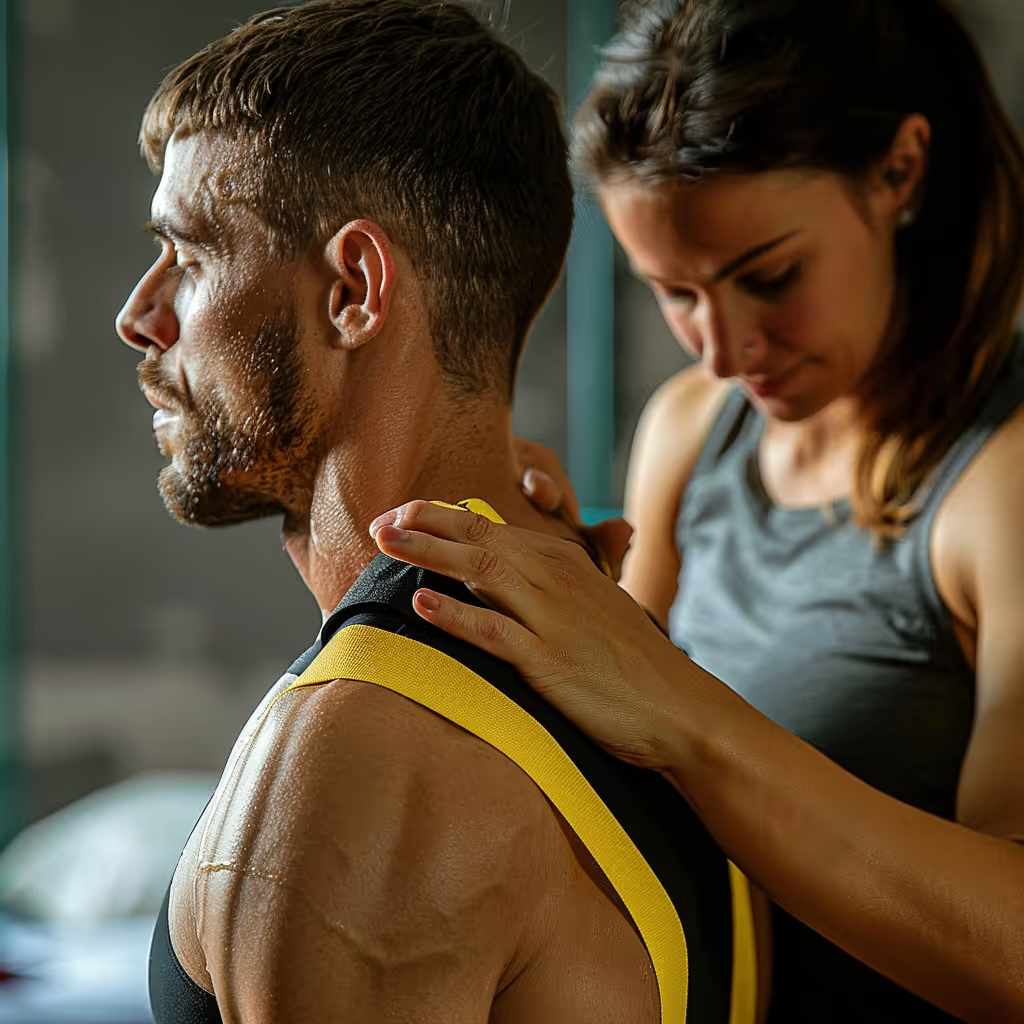


Is Physical Therapy Really Effective? What the Evidence Says
Physical therapy can reduce pain and improve functional ability, particularly through exercises for chronic back pain and knee osteoarthritis, a condition affecting the knee joint.1, 2 The benefits depend on the condition being treated, the program, and the treatment with which it is compared. A 2024 review included 83 articles from 78 trials on muscle and joint pain. Clinical and economic outcomes varied depending on these comparisons.3 Another study examined 200 Cochrane reviews published between 2001 and 2020. Only 3% had high-certainty evidence for at least one primary outcome—the criterion used to deem them conclusive. This figure reflects the certainty of the research, not the proportion of people whom physical therapy can help.4
Are you considering physiotherapy for your pain or injury, but wondering if it really works? That's a valid question. Before investing your time and money, you want to know what scientific data says about the effectiveness of physiotherapy.
The data do not provide a single answer that applies to all situations. The choice of treatment depends on the diagnosis, limitations, goals, and the observed response.
This article discusses what scientific research tells us about the actual effectiveness of physical therapy.
10 Quick Tips to Understand Your Pain
One tip a day for 10 days to help you better understand your pain. About a 2-minute read.
What Does the Research Say About the Effectiveness of Physical Therapy?
Research supports the use of exercises and certain manual techniques to reduce specific types of pain and make daily activities easier.1, 5, 2 Clinical guidelines specify who these treatments are intended for. The 2017 guide on neck pain identifies several conditions and tailors treatment to each one.5 The 2020 guide on hip and knee osteoarthritis—a condition that affects these joints—proposes four patient profiles. All include education and exercise, with support tailored to individual needs.6
Research evaluates exercises, advice, and other treatments to help people regain their abilities. This recovery process is called rehabilitation.
The Level of Scientific Evidence
Evidence for the effectiveness of physiotherapy comes from several types of studies:
Systematic reviews and meta-analyses: A systematic review compiles studies that address a specific question. A meta-analysis combines their results through statistical calculations. Some reviews include hundreds of trials, while others include only a few. The Cochrane review on exercise to prevent new episodes of back pain included nine studies.7 Confidence in the results depends on the quality and consistency of the studies. Cochrane, an international organization that analyzes health research, publishes systematic reviews on healthcare, including physical therapy.8
Randomized clinical trials: These studies randomly assign participants to several groups. They compare a treatment to medication, surgery, a sham treatment called a placebo, or no treatment at all. One trial compared supervised exercise to partial meniscectomy in 140 adults with a wear-and-tear meniscus tear. The meniscus is a cushion of cartilage in the knee; a meniscectomy involves removing part of it.9 Another trial compared daily activities, bed rest, and back-movement exercises for recent back pain with no specific cause.10 These comparisons help in choosing the appropriate care for each condition.11
Clinical recommendations: These guidelines translate research into care recommendations. For example, NICE, a British organization, publishes a guideline on back pain and sciatica, a type of pain that follows the path of a nerve down the leg.12 The American College of Physicians, a U.S. medical organization, also provides guidance on back pain.13 For its part, the World Health Organization is working to make rehabilitation services more accessible through its Rehabilitation 2030 initiative.14
Conditions for which specific interventions have been studied
Here are some examples of treatments developed for specific conditions:
- Low back pain: For pain that lasts more than three months without a specific cause, exercise is likely to reduce pain compared to no treatment, usual care, or a placebo.1 The Cochrane review of 249 trials found no clear difference in pain between exercise and manual therapy in its analysis of this subgroup. Manual therapy uses the hands to treat movement and tissue.1
- Neck pain: This guide offers exercises for mobility, strength, and endurance, as well as manual therapy techniques, depending on the specific problem. An evaluation determines the appropriate options.5
- Patellofemoral syndrome: This pain in the front of the knee can be treated with hip and knee exercises.15, 16 The 2018 international consensus recommends this combination to reduce pain and facilitate activities in the short, medium, and long term. Results vary from person to person.15
- Shoulder capsulitis: This condition causes the shoulder to become painful and stiff. Movements guided by a physical therapist—known as mobilizations—and appropriate stretches can help reduce pain and restore range of motion. The intensity of these exercises is adjusted based on the shoulder’s sensitivity.17
- Ankle Sprain: Assessing Movement and Balance Helps Monitor Recovery.18 The 2021 guidelines recommend appropriate exercises, with a gradual return to weight-bearing and activities. Balance exercises are also part of preventing another sprain. Clinical Guidelines on Ankle Sprains, 2021.
- Knee Osteoarthritis: Floor exercises reduce pain and make it easier to perform daily activities in the short term.2 The 2015 Cochrane review also reports an improvement in quality of life. It compares exercise to groups that do not exercise or receive treatment; it does not directly compare exercise to anti-inflammatory medications.2
Which Effects Were Studied Based on the Condition?
The studies measure the effects of treatment on pain, movement, activities, and the ability to sustain physical exertion. These results apply to specific groups and programs, not to a success rate that applies to everyone.
Muscle, Tendon, and Joint Pain
Research provides concrete evidence regarding the size of the benefits:
- Persistent back pain: At the first follow-up, the 2021 review found an average reduction of 15.2 pain points out of 100 with exercise, compared to no treatment, usual care, or a placebo. The improvement in activity limitations was 6.8 points out of 100. The first difference met the significance threshold chosen by the authors; the second remained below that threshold.1
- Knee Osteoarthritis: A 2015 review found, on average, a 12-point reduction in pain and a 10-point improvement in functional ability out of 100 immediately after the program, compared to groups that did not exercise or receive treatment.2
- Patellar tendon pain: This tendon connects the patella to the tibia, the bone below the knee. In a study of 29 athletes during the season, pain decreased after four weeks in two groups: isometric contractions without movement or exercises involving movement. No clear difference emerged between these programs. The absence of a group that did not exercise limits what can be attributed to the exercises themselves.19
Brain and Nerve Disorders
Rehabilitation interventions have also been studied for certain brain or nerve disorders:
After a stroke, a part of the brain has experienced a lack of blood flow or bleeding. Rehabilitation helps patients regain mobility and independence, among other things.20 A 2011 review supports units where multiple professionals work together and certain interventions for walking and daily activities. The evidence remains more limited for other aspects of stroke care.20
- Multiple sclerosis: This disease affects the protective covering of nerve fibers in the brain and spinal cord, which transmit messages between the brain and the body. A review of 54 studies found that exercise improves exercise capacity and strength in adults with mild or moderate limitations.21 Exercise can also improve mobility, reduce fatigue, and enhance health-related quality of life.21
Parkinson’s disease: This disease can slow movement and impair balance. A review of 33 trials, published in 2012, found modest benefits of physical therapy on walking, balance, and certain functional abilities, especially within the first three months. The data did not show a clear difference in terms of falls or quality of life.22
Heart and Lung Diseases
- Cardiac rehabilitation: In people with coronary artery disease, the arteries that supply the heart are narrowed. The 2016 Cochrane review focuses on exercise-based rehabilitation in this population.23 Its 63 trials included 14,486 participants. They showed a reduction in cardiovascular deaths and hospitalizations. They did not show a reduction in all-cause mortality, heart attacks, or procedures to restore blood flow in the heart’s arteries.23
- Chronic Obstructive Pulmonary Disease (COPD): This disease causes a long-term restriction of airflow in the lungs. The 2015 Cochrane review evaluates exercise-based rehabilitation programs for people with this condition.24 Its 65 trials, involving 3,822 participants, show improvements in quality of life and exercise capacity.24 These results pertain to these specific outcomes; they do not provide a universal rate of reduction in hospitalizations.
The cardiac and pulmonary rehabilitation programs described here are not offered at Physioactif. Your doctor can refer you to an appropriate program.
Topics to Discuss During Follow-Up
Several topics may be discussed during the follow-up:
- The decision to seek medical attention depends on the symptoms, how they progress, and any warning signs
- The at-home program is tailored to be easy to understand and feasible
- Treatment is personalized based on clinical assessment
- The relevance of a physical therapist's experience may vary depending on the condition
How Long Does It Take to See Results with Physiotherapy?
The first results of physical therapy may be noticeable within a few weeks, but the timeframe depends on the problem and the goal being pursued. Some programs are evaluated after four weeks, while a stiff shoulder may continue to cause symptoms for much longer.19, 17 Follow-up evaluations compare your pain, your activities, and the goals set with you.
Key Indicators for Tracking Progress
Progression does not necessarily follow a set pattern. Symptoms, functional abilities, and goals may change at different times, depending on the condition and the individual.
Pain and Mobility
- Monitor symptoms and adjust activities based on the observed response.
- Improved joint mobility
- Education on symptom management and activity modification
Daily Activities and Strength
- Changes in symptoms measured using established benchmarks
- Gradual return to daily activities
- Strengthening muscles and improving joint control
Independence, Work, and Sports
- Revised activity goals, including work or sports when relevant
- Ability to manage your symptoms with at-home exercises
- Maintaining Capacity Through a Tailored Program
Key points specific to each condition
- Patellar tendon: In the study of 29 athletes, both programs were performed four times a week for four weeks. Pain was assessed at the end of this period.19
- Age-related meniscus tear: The trial involving 140 adults included 12 weeks of exercise. At three months, strength was better in the exercise group than in the surgery group. Activities of daily living and symptoms were also assessed after two years.9
- Capsulitis: The 2013 guidelines indicate that pain or stiffness may persist after 12 to 18 months, even though many people experience little or no difficulty with their daily activities.17
These assessment sessions help you understand the treatment plan. Your physical therapist will work with you to determine the reevaluation milestones based on your situation.
Signs that treatment is working
Depending on the situation, monitoring may focus on one or more of the following changes:
- Reduction in pain intensity (even if it's not completely gone)
- Increased range of motion—that is, the distance or angle you can move
- Ability to perform activities that were previously impossible
- Better understanding of your condition and confidence in your ability to manage symptoms
- Sleep less disturbed by pain
If your progress does not meet the agreed-upon goals, discuss this with your physical therapist. It may be necessary to adjust the treatment plan or consult another healthcare professional to get a second opinion on physical therapy.
What Factors Influence the Effectiveness of Physiotherapy?
The treatment plan, your participation, your expectations, your health status, and your collaboration with the physical therapist can all influence the course of treatment and the outcomes. None of these factors alone can predict your progress. Studies often find associations, but these do not prove that one factor causes the other.
Patient-related factors
Program Participation: A study on physical therapy exercises links the difficulty in performing them to perceived barriers, a lack of encouraging feedback, and feelings of helplessness.25 It is therefore helpful to discuss specific obstacles with your physical therapist. The study observes correlations; it does not establish cause and effect.25
When to Seek Medical Attention: The timing of seeking medical attention depends on the symptoms, how they progress, their impact on daily activities, and any warning signs.
Fear, Thoughts, and Life Context: The fear of hurting oneself while moving can lead to avoiding activities. A review of 17 trials on back pain examined the link between these beliefs and the response to treatment.26 The associations were more consistent when pain lasted six months or less. For chronic pain, the results were conflicting. Positive thinking, therefore, does not guarantee treatment outcomes.26
What the patient believes and expects regarding their recovery matters. Expectations regarding recovery and the perception of changes in their health status are among the key factors related to thoughts and life circumstances that predict a return to work after low back pain.27 This finding comes from a study that followed 253 workers with work-related back pain that had been present for several weeks or longer. This is a prediction specific to this population; it is not evidence that these expectations cause a return to work.27
Other health issues: Overall health status and related conditions are part of the assessment; their impact varies depending on the diagnosis and the individual28.
Physiotherapist-Related Factors
Knowledge and Experience: A survey of 488 physical therapists reported generally favorable attitudes toward the use of research, but also identified barriers such as a lack of time and training.29 You can ask your physical therapist how their experience, training, and research inform the choices made regarding your care.
Collaboration with the physical therapist: The therapeutic alliance refers to the quality of the relationship and the agreement on the work to be done together. In a study of 182 people with chronic back pain, a stronger therapeutic alliance was associated with better outcomes.30 This association alone does not prove that the relationship causes the improvement.30
Tailored Program: Your assessment and response to treatment help guide adjustments to the program. To identify individuals who respond best to a particular treatment, researchers must compare groups and confirm their findings in other studies.31
Treatment-Related Factors
Combination of Treatments: Manual therapy, exercises, and advice can complement one another depending on your needs. High-quality guidelines recommend manual therapy as a complement to other active interventions, including exercise.32 The costs and outcomes must then be compared for each program and each condition.33
Frequency and duration: The regimens in the 2014 review on hip osteoarthritis varied across studies.34 Frequency should be tailored to the program and the individual; it does not apply to all types of muscle and joint pain. The 2026 update found small to moderate improvements in pain and activity compared with no treatment, usual care, or limited education. The authors consider these differences unlikely to be significant in daily life. This finding applies to these hip exercise programs. Cochrane Review on hip osteoarthritis, 2026.
Adapted Progression: The difficulty of the exercises increases gradually based on your abilities and your response. The progression recommendations provided here apply to strength training for healthy adults. An injured person will need an adaptation tailored to their specific situation.35
How Does Physiotherapy Compare to Other Treatments?
Supervised exercises can yield results comparable to surgery for certain wear-and-tear meniscus tears, but the choice depends on the specific problem. The study presented here compared activity levels and symptoms after two years.9 For lumbar stenosis—a narrowing of the spaces through which nerves pass in the lower back—a review examines several nonsurgical treatments. It focuses on people with neurogenic claudication, or symptoms in the legs when walking that are related to this narrowing.36
Physical Therapy and Medications
For chronic low back pain:
- For chronic back pain, the American College of Physicians’ guidelines recommend starting with non-drug treatments, including exercise. Medication can then be considered if relief remains insufficient.13
- Appropriate Choice: Your prescriber or pharmacist helps you weigh the benefits and risks of medications based on your health and other treatments you’re taking.13
For knee osteoarthritis:
- For knee osteoarthritis, physical therapy guidelines recommend tailored exercises as part of non-surgical treatment.6 The 2020 guide for the hip and knee includes four treatment profiles. Each profile combines education and exercise, with different levels of supervision depending on individual needs.6
- Complementary therapies: The 2015 Cochrane review shows that exercise has benefits for pain and daily activities.2 The 2022 NICE guidelines recommend using medications, when necessary, in addition to other treatments and to support exercise. The choice depends on your individual health risks. NICE recommendations on osteoarthritis.
Physical Therapy and Injections
For frozen shoulder:
- Physical Therapy: Exercises and stretches are tailored to the shoulder’s sensitivity to improve its range of motion.17
- Cortisone injection: This injection of an anti-inflammatory medication into the joint can complement the exercises. The 2013 guidelines report greater pain relief and improved function at four to six weeks with both the injection and exercises compared to exercises alone.17
- Mixed findings: The 2003 review notes a possible short-term benefit of injections for capsulitis, but the studies were small and of varying quality.37 Discuss the expected effects, risks, and your preferences with your prescriber.
A study followed 77 people with capsulitis. A program of support and exercises performed within pain limits yielded better results after 24 months than intensive stretching and mobilization performed beyond those limits.38 This finding suggests that intensity should be adjusted; it does not mean that any painful movement is dangerous.38
Physical Therapy and Surgery
For degenerative meniscal tears:
- For a meniscus tear caused by wear and tear, supervised exercises may help avoid surgery. In a trial involving 140 middle-aged adults, 96% did not have definite osteoarthritis on X-ray, an image obtained using X-rays. After two years, the exercise and surgery groups had comparable outcomes in terms of knee function and symptoms.9
- In the exercise group, 19% of participants subsequently underwent surgery, with no additional benefit observed. Thigh strength was better at three months in the exercise group. These results help inform the discussion of treatment options for this population.9
- Recommendation: First discuss non-surgical options and possible surgical procedures based on the diagnosis, limitations, and preferences9
- For lumbar stenosis with leg symptoms during walking, the 2022 review supports a treatment approach combining manual therapy and exercise, with or without patient education.36 Some comparisons show significant short-term benefits for symptoms and activities compared to medical care or community-based group exercise programs. The addition of cortisone to a local anesthetic—a medication that numbs the area—injected near the nerves does not result in a significant improvement in pain or activities in the short term.36
- Decompression surgery creates more space for the nerves. Whether it is appropriate depends on your symptoms, any loss of strength or sensation, diagnostic imaging results, and your preferences.
- Medical Evaluation: Progressive loss of strength requires prompt medical attention. The urgent signs listed below require immediate treatment. The evaluation determines whether surgery is appropriate.39
Costs and Benefits of Care
A 2011 review found that certain exercise programs, manual therapy, and multidisciplinary care offer a favorable cost-benefit ratio for back pain lasting a few weeks or longer.33 This outcome depends on the program, the treatment being compared, and the healthcare system. Quality guidelines also emphasize education, physical activity, and monitoring progress.32
When should you choose physical therapy, and when should you see a doctor?
Physical therapy can help treat pain and restore function, while a major accident or severe signs of nerve damage require urgent medical evaluation. Physical therapy can also support recovery after an injury or surgery and help prevent certain future episodes. The two types of care can then complement each other.
Situations in Which Physical Therapy Can Help You
Acute conditions (recent onset):
The management of recent injuries and pain depends on the diagnosis, the course of the condition, and any warning signs:
- The best time to seek medical attention depends on your symptoms, how they’re progressing, how they’re affecting your daily activities, and any warning signs; there is no specific timeframe that guarantees a faster recovery or prevents persistent pain.
For recent back pain with no specific cause, a study compared three approaches. People who continued their usual activities as tolerated recovered more quickly than those who stayed in bed or performed the back-movement exercises studied.10 This finding supports continuing adapted activities rather than routine bed rest.10
After bone or joint surgery:
After surgery, rehabilitation follows guidelines specific to the procedure and the patient's recovery:
After reconstruction of the anterior cruciate ligament, which helps stabilize the knee, rehabilitation focuses on range of motion, strength, and control of the leg. A return to sports depends largely on pain levels, swelling, and the patient’s restored functional abilities. Explanations from the American Academy of Orthopaedic Surgeons.
- Hip or Knee Replacement: Arthroplasty replaces the joint with a prosthesis. A consensus among experts recommends supervised rehabilitation soon after returning home. Follow-up care depends on the patient’s abilities and needs.40
- Rotator Cuff Repair: The rotator cuff is a group of muscles and tendons that helps move and stabilize the shoulder. Rehabilitation follows the repair procedure, the surgeon’s instructions, and your response to the exercises.
Preventing recurrence:
For patients who have previously experienced pain:
- Recurrent back pain: A Cochrane review of nine studies found that exercise following treatment reduces the incidence of new episodes at one year, compared with no intervention.7 The evidence is less consistent when exercise is part of treatment for the current episode. No program can guarantee that a person will not experience a recurrence.7
- Ankle Sprain: A study that followed individuals after their first sprain shows the value of measuring movement and balance to track their progress.18 The 2021 clinical guidelines recommend balance exercises and, depending on the situation, an ankle brace to reduce the risk of another sprain. Recommendations for prevention after a sprain.
- Patellofemoral syndrome: Strengthening exercises can be continued based on the individual’s abilities and the demands of the activity
Motivated and engaged patients:
Your participation in the program can take several forms:
- Understand your condition and the reason for the recommended treatment
- Do the exercises at home
- Share your progress and any challenges you're facing with your physical therapist
- Adjust your activities according to the recommendations
- Discuss the role of physical therapy in your long-term health goals
10 Quick Tips to Understand Your Pain
One tip a day for 10 days to help you better understand your pain. About a 2-minute read.
When Other Care May Be Necessary
A serious injury, certain warning signs, or a lack of progress may warrant additional treatment beyond physical therapy. The level of urgency depends on the symptoms.
Signs That Require Medical Evaluation
Do not postpone an urgent evaluation while waiting for a physical therapy appointment:
- Medical advice: Back pain accompanied by unexplained weight loss or worsening at night requires a medical evaluation. A fever, chills, or general malaise accompanied by back pain requires medical attention on the same day.
- Immediate Emergency: If you have back pain, seek medical attention immediately if you experience pain, tingling, weakness, or numbness in both legs; loss of sensation around the genitals or anus; or a recent change in bladder or bowel control. New difficulty urinating is also a cause for concern. Changes in sexual sensation or function, or chest pain accompanied by back pain, also require immediate evaluation.
- Serious Accident: Back pain following a serious accident, such as a collision or a fall from a height, requires immediate evaluation.
- Intense pain or loss of strength: Severe pain that begins suddenly, worsens rapidly, or cannot be controlled requires prompt medical attention. Progressive weakness should also be evaluated promptly.
Guidelines from the British National Health Service (NHS) on warning signs of back pain. In case of a serious emergency, call 911; do not drive yourself.
Conditions Requiring Medical or Surgical Evaluation
Certain situations warrant a prompt medical evaluation; the need for surgery is determined following this evaluation:
- Recent and complete tendon rupture: A complete tear of the Achilles tendon or a rotator cuff tendon requires medical evaluation. Treatment may be surgical or non-surgical, depending on the injury and your needs. Example of treatment for an Achilles tendon rupture.
- Displaced fracture: The fragments of a broken bone have shifted out of position. A medical team must determine how to realign the fragments; surgery is sometimes necessary. Examples include fractures of the arm or wrist.
- A ligament injury causing the joint to give way or resulting from strenuous activities: for example, an anterior cruciate ligament injury in the knee of an athlete
- A herniated disc with progressive loss of strength or sensation : A herniated disc is a protrusion of material from a disc, the cushion between the bones of the spine.
Lack of progress under the current program
If, at the agreed-upon time for the reassessment, you do not notice any improvement:
- Reassessment: Review the diagnostic assumptions and treatment plan based on the patient’s progress.
- Topics for discussion: sleep, stress, work demands, diet, or other relevant factors depending on the situation.
- Second opinion: Depending on the clinical issue, a second opinion from a physical therapist or another healthcare professional may be considered.
- Additional tests: imaging only if the medical evaluation deems it appropriate for a specific issue
Complex Chronic Conditions
Some persistent pain conditions require the collaboration of several professionals:
- Complex chronic pain: The treatment options and healthcare professionals to consult depend on the evaluation, needs, and preferences.
- Fibromyalgia: This condition involves pain in multiple areas of the body, often accompanied by fatigue and sleep disturbances. Treatment options are discussed based on your symptoms, activities, other health issues, and your preferences. Information from a U.S. national research institute on fibromyalgia.
- Advanced osteoarthritis: Physical therapy may be considered depending on symptoms, activities, goals, and other options.
How does Physioactif monitor the quality and outcomes of care?
Physioactif monitors the quality and outcomes of your care through assessment, a tailored program, and ongoing evaluation of your progress. The discussion is guided by research findings and your goals. If the expected results are slow to materialize, the physical therapist will review your options with you.
Evidence-Based Approach
- Keeping Knowledge Up to Date: Physical therapists have a professional obligation to maintain and develop their skills.
- Research-Based Care: Clinical recommendations help you choose the exercises, manual techniques, and advice that are relevant to your condition.
- Reviewing Research: Scientific evidence allows us to verify the results and limitations of the proposed treatments. You can ask what data supports your program.
Thorough Initial Assessment
Every initial consultation includes:
- Initial Evaluation: Questions about your health, physical exams, and identifying factors contributing to the problem
- Physical Therapy Assessment: Possible Explanations for Symptoms and Measurement of Limitations to Guide the Treatment Plan
- Setting measurable goals: Specific, measurable, and realistic goals, with an agreed-upon time to review progress
Personalized Treatment
We avoid standardized "one-size-fits-all" approaches:
- Personalized Program: Tailored to your condition, your goals, and your activity level
- Ongoing Adjustments: Discussing Your Progress and Adjusting the Program Based on Your Progress
- A Variety of Techniques: A selection of manual techniques, exercises, and advice tailored to your needs
Monitoring Your Progress
- Repeated objective measurements: Tests of strength, movement, or activity selected based on the objectives
- Validated Pain Scales: We track your pain numerically to measure changes and improvements.
- Surveys About Your Activities: Assessing the Impact on Your Daily Activities
Transparent Communication
- Possible Outcomes: We discuss possible outcomes and the associated uncertainties based on your situation
- Estimated Number of Sessions: We are transparent about the anticipated duration of your treatment.
- Reassessment in Case of No Response: If progress does not align with the agreed-upon goals, we will discuss alternatives
Collaboration with Other Professionals
When necessary, we collaborate with:
- Doctors: for a medical evaluation, medication, or imaging when clinically indicated
- Other professionals: Occupational therapists to adapt activities, kinesiologists for physical activity, or osteopaths for manual therapy, depending on your needs
- Specialists: Referral to an orthopedic surgeon, who treats bones and joints, if surgery needs to be discussed
How to Know if Physiotherapy is Working for You?
Progress in physical therapy is reflected in your activities, your movements, and changes in your pain. You can also track your sleep and, with your prescriber or pharmacist, your medication needs. These indicators combine your subjective experience with observable abilities.
Tracking Progress
Pain Reduction (0-10 scale):
- The meaning of a change depends on the scale used, your problem, and what matters to you
- A change in your score should be interpreted in light of your activities and your overall sense of progress
- Example: A change from 7/10 to 4/10 is interpreted in light of the person’s activities and what matters to them
Improvements to operations:
- Ability to perform tasks that were previously impossible: climbing stairs, raising an arm, or walking a certain distance
- Increased pain-free activity time (e.g., sitting from 15 min to 45 min)
- Return to work, sports, and hobbies
Improved range of motion:
- Measuring the angle of a joint using an instrument called a goniometer
- Mobility tests: touching your toes, putting your hand behind your back, or squatting
Reduced medication:
- Changes in the use of pain medications discussed with the prescribing physician or pharmacist
- Changes to medication should only be made after consulting with the prescribing physician or pharmacist
Improved sleep:
- Less frequent nighttime awakenings
- Ability to sleep on the affected side
- More restorative sleep
Moments of Reassessment
During an initial reassessment:
- We check for symptoms, understanding of the plan, and tolerance for activities
- Better understanding of your condition
- Increased confidence in your ability to recover
During subsequent revaluations:
- We compare the selected measures and targeted activities, without specifying an expected percentage
- Ability to do the exercises at home without assistance
- Gradual return to certain activities
As the end of the follow-up period approaches:
- Key business objectives that have been achieved or are on track to be achieved
- Managing Your Symptoms With Your Exercise Program
- A recovery or adjustment plan developed in accordance with the objectives, with no guarantee that a recurrence will be prevented
What to do if you're not making progress?
If progress does not meet the agreed-upon goals:
Contact your physiotherapist:
- Discuss the lack of progress openly
- Your therapist should re-evaluate the approach
- Consider adjusting the treatment plan
Ask these questions:
- "Why am I not progressing as expected?"
- "Are there factors we haven't considered?" (stress, sleep, ergonomics)
- "Should we try a different approach?"
- "Should I see another specialist for additional tests?" (doctor, imaging)
Options if the current program isn't helping you make the progress you expected:
- Depending on the clinical issue, the option of seeking a second opinion from a physical therapist or another professional may be discussed.
- Medical consultation to reevaluate the diagnosis
- Imaging only if deemed appropriate by the medical evaluation
- Collaboration among several professionals, including a psychologist if the person’s thoughts, emotions, or life challenges require such support
What Are the Frequently Asked Questions About the Effectiveness of Physiotherapy?
Frequently asked questions about the effectiveness of physical therapy include inquiries about its benefits, the number of sessions, surgery, lack of progress, choosing a provider, how long the results last, insurance, and referrals. The answers depend on the specific issue and your individual situation.
Does physiotherapy really work?
Yes, certain interventions can improve pain or functional ability for specific conditions. For example, exercise likely reduces chronic back pain compared to no treatment, usual care, or a placebo.1 The level of certainty varies across studies. The 3% figure presented above referred to reviews with at least one primary outcome of high certainty; it does not measure the proportion of effective treatments.4
How many sessions are needed?
It depends on your condition:
- Recent condition: number of sessions and duration based on the evaluation and progress
- Chronic Condition: Care Tailored to Goals and Response
- Complex situation: coordination and duration determined based on needs
Your physical therapist can discuss a treatment plan after the evaluation and then revise it as your condition progresses.
Can physiotherapy help avoid surgery?
For certain conditions, non-surgical treatments can help avoid surgery. In the meniscus trial described above, the majority of the exercise group did not undergo surgery, and the average results were comparable at two years.9 For lumbar spinal stenosis, the review also supports certain non-surgical treatments, including manual therapy and exercise.36 The decision takes into account the diagnosis, functional limitations, the course of the condition, and your preferences. Medical emergencies remain the top priority.
Why do some people not respond to physiotherapy?
Items to be reevaluated may include:
- Difficulty adapting to the program or need to reassess the adjustments
- Diagnostic hypotheses to be reviewed
- Psychosocial factors to discuss depending on the situation (fear, stress, mood)
- Expectations and goals to be revisited
- A medical or surgical evaluation may be necessary
- Other Health Conditions to Consider
Do all physiotherapists achieve the same results?
Results vary depending on the condition, the treatment, and the individual. A physical therapist’s relevant experience may be a factor in the discussion, but it does not guarantee a better outcome.
How long do the results last?
The duration of the benefits depends on the problem, the program, and the activities carried out. Maintenance exercises may be part of the plan, but they do not guarantee that all results will be sustained:
- Low Back Pain: Exercises performed after an episode have been studied to reduce recurrences; the effect varies from person to person
- Ankle Sprain: Balance exercises can be part of rehabilitation after a sprain
- Knee osteoarthritis: The effects and their duration are reassessed based on pain and activity levels. The 2015 Cochrane review measured these two outcomes and reported that the benefits persisted for two to six months after the end of treatment in studies that included follow-up.2
Is physiotherapy covered by insurance?
Coverage varies depending on the policy and plan. Check the terms and conditions directly with your insurer, the CNESST for a work-related injury, or the SAAQ after a traffic accident. Learn more about costs and coverage.
Do I need a medical prescription?
In Quebec, you can see a physical therapist directly at a private clinic without a doctor's prescription. However, some insurance plans or public facilities may require a referral. Be sure to check their requirements.
Are you experiencing pain or an injury? The right time to seek medical attention for persistent pain depends on its intensity, how it has progressed, how it affects your daily activities, and whether there are any warning signs.
Our physical therapists will discuss the appropriate options with you and work with you to implement the chosen measures.
Need professional advice?
Our physical therapists can assess your condition and provide you with a personalized treatment plan.
Make an appointmentWhat Studies Support This Article?
The studies cited in this article include Cochrane reviews, comparative trials, and clinical guidelines. Each reference supports a specific issue, program, and outcome. The links provided in the text also provide access to the most recent recommendations and official guidelines.
Links open in a new tab.
- Hayden JA, Ellis J, Ogilvie R, Malmivaara A, van Tulder MW. Exercise therapy for chronic low back pain. Cochrane Database Syst Rev. 2021;9(9):CD009790. (Back to sections: 1, 2, 3, 4, 5, 6)
- Fransen M, McConnell S, Harmer AR, Van der Esch M, Simic M, Bennell KL. Exercise for osteoarthritis of the knee. Cochrane Database Syst Rev. 2015;1(1):CD004376. (Back to sections: 1, 2, 3, 4, 5, 6, 7)
- Baumbach L, Feddern W, Kretzler B, Hajek A, König HH. Cost-Effectiveness of Treatments for Musculoskeletal Conditions Offered by Physical Therapists: A Systematic Review of Trial-Based Evaluations. Sports Med Open. 2024;10(1):38. (Back to section: 1)
- Freire APCF, Eustis KJ, Lemes ÍR, Saragiotto BT, Smilanich G, Elkins M, et al. The conclusiveness of Cochrane systematic reviews is low but has been increasing over time in physical therapy: A meta-research study. Braz J Phys Ther. 2025;29(3):101190. (Back to sections: 1, 2)
- Blanpied PR, Gross AR, Elliott JM, Devaney LL, Clewley D, Walton DM, et al. Neck Pain: 2017 Revision. J Orthop Sports Phys Ther. 2017;47(7):A1-A83. (Back to sections: 1, 2, 3)
- van Doormaal MCM, Meerhoff GA, Vliet Vlieland TPM, Peter WF. A clinical practice guideline for physical therapy in patients with hip or knee osteoarthritis. Musculoskeletal Care. 2020;18(4):575-595. (Back to sections: 1, 2, 3)
- Choi BK, Verbeek JH, Tam WW, Jiang JY. Exercises for the prevention of low-back pain recurrence. Cochrane Database Syst Rev. 2010;2010(1):CD006555. (Back to sections: 1, 2, 3)
- Cochrane. Cochrane Library. (Back to section: 1)
- Kise NJ, Risberg MA, Stensrud S, Ranstam J, Engebretsen L, Roos EM. Exercise therapy versus arthroscopic partial meniscectomy for degenerative meniscal tears in middle-aged patients: a randomized controlled trial with two-year follow-up. BMJ. 2016;354:i3740. (Back to sections: 1, 2, 3, 4, 5, 6, 7)
- Malmivaara A, Häkkinen U, Aro T, Heinrichs ML, Koskenniemi L, Kuosma E, et al. The treatment of acute low back pain—bed rest, exercises, or ordinary activity? N Engl J Med. 1995;332(6):351-5. (Back to sections: 1, 2, 3)
- Foster NE, Anema JR, Cherkin D, Chou R, Cohen SP, Gross DP, et al. Prevention and treatment of low back pain: evidence, challenges, and promising directions. Lancet. 2018;391(10137):2368-2383. (Back to section: 1)
- NICE. Overview | Low back pain and sciatica in people over 16: assessment and management | Guidance | NICE. (Back to section: 1)
- Qaseem A, Wilt TJ, McLean RM, Forciea MA, Clinical Guidelines Committee of the American College of Physicians, Denberg TD, et al. Noninvasive Treatments for Acute, Subacute, and Chronic Low Back Pain: A Clinical Practice Guideline From the American College of Physicians. Ann Intern Med. 2017;166(7):514-530. (Back to sections: 1, 2, 3)
- Rehabilitation 2030. (Back to section: 1)
- Collins NJ, Barton CJ, van Middelkoop M, Callaghan MJ, Rathleff MS, Vicenzino BT, et al. 2018 Consensus Statement on Exercise Therapy and Physical Interventions (Orthoses, Taping, and Manual Therapy) to Treat Patellofemoral Pain: Recommendations from the 5th International Patellofemoral Pain Research Retreat, Gold Coast, Australia, 2017. Br J Sports Med. 2018;52(18):1170-1178. (Back to sections: 1, 2)
- Peters JS, Tyson NL. Proximal exercises are effective in treating patellofemoral pain syndrome: a systematic review. Int J Sports Phys Ther. 2013;8(5):689-700. (Back to section: 1)
- Kelley MJ, Shaffer MA, Kuhn JE, Michener LA, Seitz AL, Uhl TL, et al. Shoulder pain and mobility deficits: adhesive capsulitis. J Orthop Sports Phys Ther. 2013;43(5):A1-31. (Back to sections: 1, 2, 3, 4, 5)
- Doherty C, Bleakley C, Hertel J, Caulfield B, Ryan J, Delahunt E. Recovery From a First-Time Lateral Ankle Sprain and the Predictors of Chronic Ankle Instability: A Prospective Cohort Analysis. Am J Sports Med. 2016;44(4):995-1003. (Back to sections: 1, 2)
- van Ark M, Cook JL, Docking SI, Zwerver J, Gaida JE, van den Akker-Scheek I, et al. Do isometric and isotonic exercise programs reduce pain in athletes with patellar tendinopathy during the season? A randomized clinical trial. J Sci Med Sport. 2016;19(9):702-6. (Back to sections: 1, 2, 3)
- Langhorne P, Bernhardt J, Kwakkel G. Stroke rehabilitation. Lancet. 2011;377(9778):1693-702. (Back to sections: 1, 2)
- Latimer-Cheung AE, Pilutti LA, Hicks AL, Martin Ginis KA, Fenuta AM, MacKibbon KA, et al. Effects of exercise training on fitness, mobility, fatigue, and health-related quality of life among adults with multiple sclerosis: a systematic review to inform guideline development. Arch Phys Med Rehabil. 2013;94(9):1800-1828.e3. (Back to sections: 1, 2)
- Tomlinson CL, Patel S, Meek C, Clarke CE, Stowe R, Shah L, et al. Physiotherapy versus placebo or no intervention in Parkinson's disease. Cochrane Database Syst Rev. 2012(8):CD002817. (Back to section: 1)
- Anderson L, Thompson DR, Oldridge N, Zwisler AD, Rees K, Martin N, et al. Exercise-based cardiac rehabilitation for coronary heart disease. Cochrane Database Syst Rev. 2016;2016(1):CD001800. (Back to sections: 1, 2)
- McCarthy B, Casey D, Devane D, Murphy K, Murphy E, Lacasse Y. Pulmonary rehabilitation for chronic obstructive pulmonary disease. Cochrane Database Syst Rev. 2015;2015(2):CD003793. (Back to sections: 1, 2)
- Sluijs EM, Kok GJ, van der Zee J. Correlates of exercise compliance in physical therapy. Phys Ther. 1993;73(11):771-82; discussion 783-6. (Back to sections: 1, 2)
- Wertli MM, Rasmussen-Barr E, Held U, Weiser S, Bachmann LM, Brunner F. Fear-avoidance beliefs—a moderator of treatment efficacy in patients with low back pain: a systematic review. Spine J. 2014;14(11):2658-78. (Back to sections: 1, 2)
- Schultz IZ, Crook J, Meloche GR, Berkowitz J, Milner R, Zuberbier OA, et al. Psychosocial factors predictive of occupational low back disability: toward the development of a return-to-work model. Pain. 2004;107(1-2):77-85. (Back to sections: 1, 2)
- Hartvigsen J, Hancock MJ, Kongsted A, Louw Q, Ferreira ML, Genevay S, et al. What low back pain is and why we need to pay attention. Lancet. 2018;391(10137):2356-2367. (Back to section: 1)
- Jette DU, Bacon K, Batty C, Carlson M, Ferland A, Hemingway RD, et al. Evidence-based practice: beliefs, attitudes, knowledge, and behaviors of physical therapists. Phys Ther. 2003;83(9):786-805. (Back to section: 1)
- Ferreira PH, Ferreira ML, Maher CG, Refshauge KM, Latimer J, Adams RD. The therapeutic alliance between clinicians and patients predicts outcomes in chronic low back pain. Phys Ther. 2013;93(4):470-8. (Back to sections: 1, 2)
- Kent P, Keating JL, Leboeuf-Yde C. Research methods for subgrouping low back pain. BMC Med Res Methodol. 2010;10:62. (Back to section: 1)
- Lin I, Wiles L, Waller R, Goucke R, Nagree Y, Gibberd M, et al. What does best practice care for musculoskeletal pain look like? Eleven consistent recommendations from high-quality clinical practice guidelines: a systematic review. Br J Sports Med. 2020;54(2):79-86. (Back to sections: 1, 2)
- Lin CW, Haas M, Maher CG, Machado LA, van Tulder MW. Cost-effectiveness of guideline-endorsed treatments for low back pain: a systematic review. Eur Spine J. 2011;20(7):1024-38. (Back to sections: 1, 2)
- Fransen M, McConnell S, Hernandez-Molina G, Reichenbach S. Exercise for osteoarthritis of the hip. Cochrane Database Syst Rev. 2014;2014(4):CD007912. (Back to section: 1)
- American College of Sports Medicine. American College of Sports Medicine Position Statement. Progression Models in Resistance Training for Healthy Adults. Med Sci Sports Exerc. 2009;41(3):687-708. (Back to section: 1)
- Ammendolia C, Hofkirchner C, Plener J, Bussières A, Schneider MJ, Young JJ, et al. Non-operative treatment for lumbar spinal stenosis with neurogenic claudication: an updated systematic review. BMJ Open. 2022;12(1):e057724. (Back to sections: 1, 2, 3, 4)
- Buchbinder R, Green S, Youd JM. Corticosteroid injections for shoulder pain. Cochrane Database of Systematic Reviews. 2003;2003(1):CD004016. (Back to section: 1)
- Diercks RL, Stevens M. Gentle thawing of the frozen shoulder: a prospective study comparing supervised neglect with intensive physical therapy in 77 patients with frozen shoulder syndrome followed for two years. J Shoulder Elbow Surg. 2004;13(5):499-502. (Back to sections: 1, 2)
- Kreiner DS, Shaffer WO, Baisden JL, Gilbert TJ, Summers JT, Toton JF, et al. An evidence-based clinical guideline for the diagnosis and treatment of degenerative lumbar spinal stenosis (update). Spine J. 2013;13(7):734-43. (Back to section: 1)
- Westby MD, Brittain A, Backman CL. Expert consensus on best practices for post-acute rehabilitation following total hip and knee arthroplasty: a Delphi study in Canada and the United States. Arthritis Care Res (Hoboken). 2014;66(3):411-23. (Back to section: 1)
Customer satisfaction is our top priority
At Physioactif, excellence guides everything we do, but our patients are the best ones to tell you about it. Take a look at their verified reviews to get a real sense of their experience.









Discover our physical therapy clinics
We have locations in several areas to better serve you.
Blainville
190 Bas-de-Sainte-Thérèse Road, Suite 110,
Blainville, Quebec
J7B 1A7
Located in Blainville, near Rosemère, the Physioactif clinic is easily accessible to residents of the area and the surrounding communities
Boucherville
690 Rue de Montbrun, Suite S,
Boucherville, Quebec
J4B 8H2
Located in Boucherville, the Physioactif clinic is easily accessible to people in the area
Laval
3224 Jean-Béraud Ave., Suite 220, Laval,
QC H7T 2S4
Located in Chomedey, in the heart of Laval, the Physioactif clinic is easily accessible to people in the area
Montreal
8801 Lajeunesse Street,
Montreal,
QC H2M 1R8
Located in Ahuntsic, near Villeray, the Physioactif clinic is easily accessible to residents of both neighborhoods
Saint-Eustache
180 25th Avenue, Suite
201 Saint-Eustache
QC J7P 2V2
Located in Saint-Eustache, the Physioactif clinic is easily accessible to residents of the area and the surrounding communities
Vaudreuil
21 Cité-des-Jeunes Boulevard, Suite 240,
Vaudreuil-Dorion, Quebec
J7V 0N3
Located in Vaudreuil-Dorion, the Physioactif clinic is easily accessible to people in the area
Make an appointment now