
What are the different types of physical therapy?
Types of physical therapy include musculoskeletal physical therapy, sports physical therapy, women's health physical therapy, and neurological physical therapy.
Neurological Physical Therapy
Neurological physical therapy addresses conditions that affect the nervous system—that is, the brain, the spinal cord, and the nerves that travel back and forth between the body and the brain: those that control the muscles and those that transmit sensations, such as the position of a foot or the sensation of touching the ground. It provides care for people recovering from a stroke—that is, an interruption in blood flow to a part of the brain—people living with Parkinson’s disease or multiple sclerosis, and people who have suffered a spinal cord injury. The goals are very concrete: walking again, climbing a step, reaching out to grab an object, and maintaining balance while turning the head.
A study that compiles and compares all published trials on a single topic—known as a systematic review with meta-analysis—examined physical therapy following a stroke. It concludes that there is strong evidence in favor of intensive, highly repetitive, task-oriented training at all stages of recovery. It adds a nuance that changes the way we work: the benefits are primarily limited to the specific functions and activities that are actually trained1. What is practiced improves the most. The rest may improve as well, but we cannot count on it, so we work with the person to choose the movements worth practicing: holding a cup, rolling over in bed, walking to the mailbox.
10 Quick Tips to Understand Your Pain
One tip a day for 10 days to help you better understand your pain. About a 2-minute read.
In practical terms, the treatment plan therefore places a strong emphasis on the person practicing on their own—with repetition and gradual progression—and this work continues between appointments. Other interventions still have a place in the plan, such as positioning a weakened arm, but they complement the practice rather than replace it. No one should categorize themselves into this group on their own. The evaluation determines which functions have been restored, which ones to train first and at what intensity, and checks along the way to see if the plan is delivering the desired results. To learn more, visit our page on neurological physical therapy.
Vestibular Physical Therapy
Vestibular physical therapy addresses dizziness, lightheadedness, and loss of balance stemming from the vestibular system—the collection of small structures in the inner ear that provide the brain with information about the head’s position and movements. One of the conditions treated is benign paroxysmal positional vertigo, described in a U.S. practice guideline as an inner ear disorder characterized by repeated episodes of vertigo triggered by a change in position—for example, when you lie down or stand up2. Damage to just one side of the vestibular system, regardless of the cause, also leads to dizziness and loss of balance, and this is the condition addressed by the Cochrane Review cited below.
A Cochrane review—that is, an independent synthesis that compiles and evaluates published trials on a specific topic—examined vestibular rehabilitation when only one side is affected. It concluded that there is moderate to strong evidence that this rehabilitation is safe and effective, and moderate evidence that it resolves symptoms and improves function in the medium term. It adds two clarifications. For benign paroxysmal positional vertigo (BPPV) in particular, repositioning maneuvers—a series of head and body positions that the clinician guides you through in a specific order—are more effective in the short term than exercises alone, and combining the two is effective for longer-term functional recovery. And there isn’t enough data to distinguish between the different forms of rehabilitation3.
Vertigo is therefore not a single condition, and the practice guidelines specifically recommend distinguishing benign paroxysmal positional vertigo from other causes of imbalance, dizziness, and vertigo. They strongly recommend identifying the form affecting the posterior canal when a specific maneuver—in which the person is laid down with their head turned—triggers both vertigo and a characteristic eye movement. The posterior canal is one of the small semicircular canals in the inner ear that detect head movements. This assessment therefore helps determine the appropriate treatment based on the cause of the vertigo. Our page on vestibular physical therapy details the process.
Pelvic Floor Physical Therapy and Women's Health
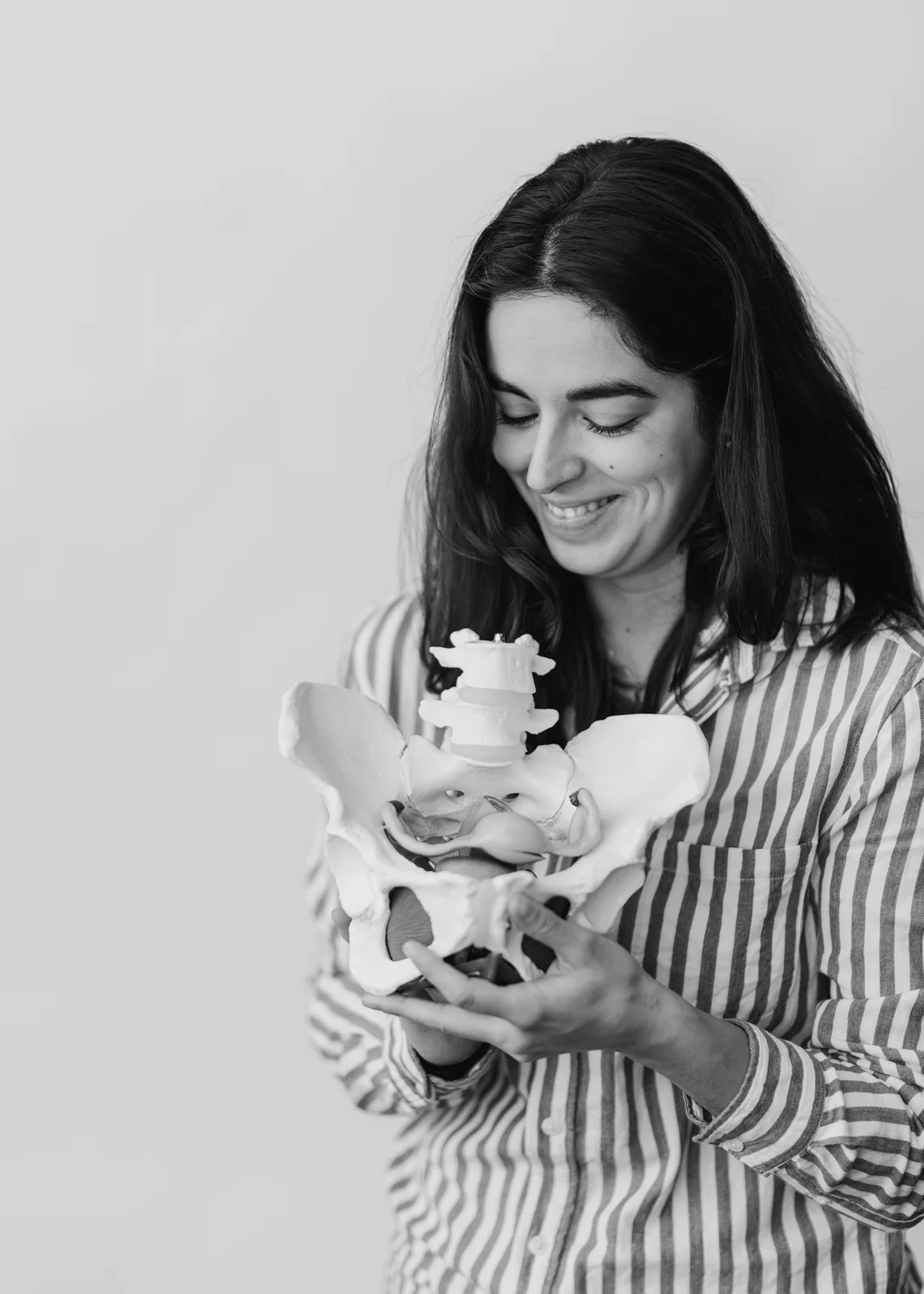
Pelvic floor physical therapy treats conditions such as urinary incontinence, pelvic pain, and organ prolapse, and it can be used during pregnancy and the postpartum period. The pelvic floor is the group of muscles stretched across the bottom of the pelvis, like a hammock, that supports the bladder, uterus, and rectum and plays a role in continence—that is, the ability to hold in urine and stool. Among the reasons for seeking care is stress urinary incontinence—leakage that occurs when coughing, laughing, sneezing, or jumping. Stress incontinence can occur during daily activities and sports.
A Cochrane review—that is, an independent synthesis that compiles and evaluates published trials on a given topic—examined pelvic floor muscle training in women with urinary incontinence. The authors write that there is confidence that this training can cure or improve the symptoms of stress incontinence and other forms of incontinence, that it can reduce the number of leakage episodes and the amount of leakage measured in clinical settings, and that reported adverse effects were rare and minor. They also point out the limitations: most of the results were judged to be of moderate quality for methodological reasons, and long-term effectiveness still requires further study4. It is an active treatment: it relies on contractions that are learned, corrected, and then repeated at home, much like any muscle-strengthening program, except that the muscles involved are not visible and must therefore be learned to sense.
Urinary leakage when coughing, a feeling of heaviness in the pelvic area, and pain during intercourse are not treated the same way, and they can also occur together in the same person. An evaluation is what helps determine what’s going on before starting any treatment, and no one should try to figure it out on their own before calling. Three pages provide details on these care options: pelvic floor physical therapy, prenatal physical therapy, and postnatal physical therapy.
Geriatric Physical Therapy
Geriatric physical therapy is designed for older adults and aims to help them maintain their independence: getting up from a chair without assistance, walking outside in the winter, climbing stairs, and carrying groceries. It is used following a hip fracture, for osteoarthritis, when strength and balance decline, and to prevent falls. On this last point, the Cochrane Review cited below notes in its background information that at least one in three people over the age of 65 living at home falls each year5.
This is one of the areas where the research is most clear. This Cochrane review—an independent synthesis that compiles and evaluates published trials on a given topic—concludes with a high degree of certainty that exercise programs reduce the frequency of falls and the number of people who fall among older adults living at home. It specifies which programs are effective. Programs that reduce falls are primarily based on balance and functional exercises—that is, exercises that focus on maintaining balance and performing everyday movements such as standing up, bending over, and walking while changing direction. Programs that combine these exercises with strength training likely reduce the frequency of falls by about 34 percent, with a moderate level of certainty. The same review also acknowledges what it does not know: the effect of strength training alone—without balance exercises, dance, or walking—on the frequency of falls remains uncertain.
This clarification is important because “walking more” is the idea that immediately comes to mind, and that is not what the journal advocates. What exercise, at what difficulty level, and with what progression: these decisions are based on an assessment of strength, balance, and gait—not on a pre-selected category. See our page on geriatric physical therapy.
Pediatric Physical Therapy
Pediatric physical therapy treats infants and children whose motor development is not progressing as expected. Examples include an infant who always keeps his or her head turned to one side, a baby who is slow to sit up or crawl, a child who walks on tiptoes, and children living with cerebral palsy. This term refers to a long-term disorder of movement and posture linked to damage to the developing brain; its definition and standard classification were established by an international group in 20066.
The research findings presented here focus primarily on the timing of intervention. A review published in *JAMA Pediatrics* examines the diagnosis of cerebral palsy and reports that before the age of five corrected months—that is, the age calculated from the expected date of delivery for a preterm baby—certain standardized tests identify the risk with high sensitivity. Sensitivity is the proportion of children with cerebral palsy that the test correctly identifies. In studies focusing primarily on high-risk infants, it reaches 98 percent for the general movement assessment, which is based on video observation of the baby’s spontaneous movements. This result does not correspond to the probability that a child has this condition following a positive test. The diagnosis combines the child’s history, clinical examination, and other tests. The authors conclude that clinicians should understand the importance of promptly referring the child for early intervention tailored to the diagnosis, in order to take advantage of the brain’s plasticity—its ability to reorganize and create new connections—to prevent complications that arise over time, and to support the well-being of family members7.
A parent doesn’t have to decide on their own whether a delay is temporary or not, and that’s good news: that’s what the evaluation is for, and it serves as the starting point. The follow-up then places a strong emphasis on play and the movements the child initiates on their own, and it also includes—depending on the condition—stretching exercises and hands-on work performed by the therapist. Our page on pediatric physical therapy describes this follow-up care.
Cardiovascular Physical Therapy
Cardiovascular physical therapy supports people with heart or circulatory problems: after a heart attack, that is, a heart attack; after a bypass surgery—a procedure that allows blood to flow around a blocked heart artery—or after the placement of a small stent to keep an artery open; for people with heart failure—that is, a heart that can no longer pump enough blood to meet the body’s needs—or for those with peripheral artery disease. The program involves gradually and safely rebuilding exercise capacity while monitoring the heart’s response, so that climbing stairs or returning to work becomes possible again without fear.
A Cochrane review—that is, an independent synthesis that compiles and evaluates published trials on a given topic—assessed exercise-based cardiac rehabilitation in people with coronary artery disease, which is a condition affecting the arteries that supply blood to the heart itself. The 2016 version had already concluded that there was a benefit8, and its 2021 update is more specific: it reports a reduced risk of heart attack, a probable small reduction in all-cause mortality, a significant reduction in all-cause hospitalizations, and an improved health-related quality of life for up to twelve months. Over a longer follow-up period, the benefits could include a reduction in cardiovascular mortality and heart attacks9. The authors are clear about what is missing: there is still a need for well-conducted trials that more closely mimic real-world practice and include longer follow-up periods.
10 Quick Tips to Understand Your Pain
One tip a day for 10 days to help you better understand your pain. About a 2-minute read.
This type of monitoring is conducted in collaboration with your primary care physician and begins with an assessment to determine the safe level of exertion for you. It is not up to the patient alone to decide whether this applies to them, nor is it simply a matter of willpower. At Physioactif, we insist that this rehabilitation be supervised, because that’s how we can adjust the intensity and respond if the heart reacts poorly. Our page on cardiovascular physical therapy explains the process.
Respiratory Physical Therapy
Respiratory physical therapy is designed for people whose breathing limits their daily lives. The most commonly studied condition is chronic obstructive pulmonary disease, also known as COPD. This long-term lung disease restricts airflow and makes exhaling difficult. Other conditions include poorly controlled asthma, cystic fibrosis, and the aftereffects of surgery or pneumonia. Treatment combines exercise training, breathing exercises, techniques for clearing secretions, and learning how to pace one’s activities.
The most widely studied component is supervised exercise training. In the review below, the pulmonary rehabilitation programs studied included at least four weeks of exercise training, with or without an educational or psychological component. Secretion clearance is a separate treatment, particularly useful when secretions are abundant. This Cochrane review—that is, an independent synthesis that compiles and evaluates published trials on a specific topic—examined pulmonary rehabilitation in COPD. The authors conclude that it alleviates shortness of breath and fatigue, improves emotional well-being, and enhances the sense of control over one’s condition, and that these improvements are moderate to large in magnitude and clinically significant. In terms of exercise capacity, participants in the program walk an average of about 44 meters farther on the six-minute walk test than those receiving standard care—a difference that exceeds the threshold considered clinically meaningful for the patient10. The authors go so far as to state that, in their opinion, further trials comparing pulmonary rehabilitation with standard care are no longer necessary.
The core of this monitoring is therefore supervised exercise, not a technique applied to a person who is not moving. And shortness of breath does not always have the same cause: it is the evaluation—conducted in consultation with a doctor when the situation calls for it—that helps determine the cause, rather than a preemptive self-assessment by the person themselves. Our page on respiratory physical therapy provides more details.
Musculoskeletal and Sports Physical Therapy
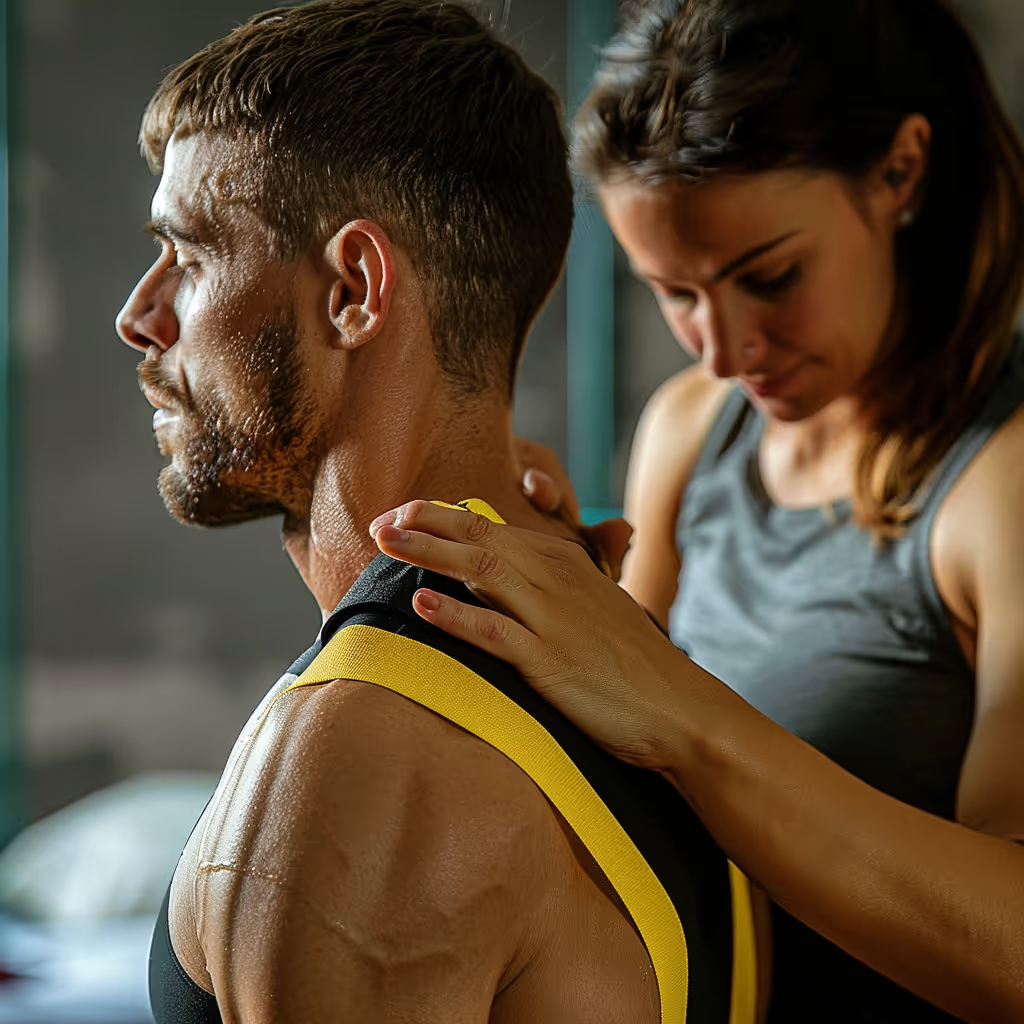
Musculoskeletal physical therapy treats problems with muscles, joints, tendons, and ligaments, while sports physical therapy tailors this care to the demands of sports. It covers back and neck pain, tendinopathies—that is, painful tendon issues that limit physical activity—sprains, osteoarthritis, as well as recovery from a fracture or surgery. Sports physical therapy is closely related to this field: it involves the same tissues, but with the added challenge of helping a person return to a specific movement at a specific intensity and preparing them to resume activity without re-injuring themselves.
The management of this condition is sufficiently well-documented to be guided by practice guidelines. For total knee replacement—that is, the replacement of the joint with an implant—the American Physical Therapy Association has produced a clinical practice guideline based on systematic reviews of the scientific and clinical literature, developed by a group comprising physical therapists, an orthopedic surgeon, a nurse, and a patient advocate11. This guideline focuses on the operated knee, not on the body as a whole: it illustrates what evidence-based care looks like for a specific situation, not a one-size-fits-all rule.
At Physioactif, exercise plays the leading role in this field, with the workload increased in stages—a little more each week—based on what the individual can tolerate. The techniques the therapist applies with his or her hands, such as mobilizations—that is, movements the therapist performs on the joint for you—are intended to make this exercise possible rather than to replace it.
When examining a painful shoulder, we look for several possible causes: a tendon that is sensitive to weight-bearing, a stiff capsule—that is, the membrane surrounding the joint—or tenderness that is triggered when moving the neck. These findings guide the treatment plan, but none on its own proves the source of the pain, and sometimes there may be several causes at once. The evaluation therefore helps determine the appropriate treatment based on the issues observed. Our page on sports physical therapy details the sports-related aspect of this field.
How to Get Started with Physioactif for Your Physiotherapy Needs?
To get started with Physioactif, schedule an initial assessment so our team can evaluate your needs and recommend a personalized treatment plan.
Each field of physical therapy tailors care to the individual’s needs. The specialties discussed in this article include musculoskeletal physical therapy, which focuses on muscles, joints, tendons, and ligaments; sports physical therapy; women’s health physical therapy; and neurological physical therapy, which addresses conditions affecting the brain, spinal cord, and nerves. The choice of treatment depends on your condition, your symptoms, and your goals.
At Physioactif, our team assesses your challenges, symptoms, and goals to provide personalized care. If necessary, we refer you to a colleague on our team or to an outside professional. We also offer physical therapy tailored to each age group, from infants to seniors.
Not sure which treatments might help you? Start with an assessment. Our team will guide you toward the right treatment. Contact Physioactif to schedule your assessment.
Depending on your condition and evaluation, physical therapy can provide tailored care or refer you to another professional.
Need professional advice?
Our physical therapists can assess your condition and provide you with a personalized treatment plan.
Make an appointmentReferences
The references for this article include journals, guides, and studies that support the information presented.
- Veerbeek JM, van Wegen E, van Peppen R, van der Wees PJ, Hendriks E, Rietberg M, et al. What Is the Evidence for Physical Therapy After a Stroke? A Systematic Review and Meta-Analysis. PLoS ONE. 2014;9(2):e87987. ↩ Back to text
- Bhattacharyya N, Gubbels SP, Schwartz SR, Edlow JA, El-Kashlan H, Fife T, et al. Clinical Practice Guideline: Benign Paroxysmal Positional Vertigo (Update). Otolaryngol Head Neck Surg. 2017;156(3_suppl):S1-S47. ↩ Back to text
- McDonnell MN, Hillier SL. Vestibular rehabilitation for unilateral peripheral vestibular dysfunction. Cochrane Database Syst Rev. 2015;1(1):CD005397. ↩ Back to text
- Dumoulin C, Cacciari LP, Hay-Smith EJC. Pelvic floor muscle training versus no treatment, or inactive control treatments, for urinary incontinence in women. Cochrane Database Syst Rev. 2018;10(10):CD005654. ↩ Back to text
- Sherrington C, Fairhall NJ, Wallbank GK, Tiedemann A, Michaleff ZA, Howard K, et al. Exercise for preventing falls in older adults living in the community. Cochrane Database Syst Rev. 2019;1(1):CD012424. ↩ Back to text
- Rosenbaum P, Paneth N, Leviton A, Goldstein M, Bax M, Damiano D, et al. A report: the definition and classification of cerebral palsy, April 2006. Dev Med Child Neurol Suppl. 2007;109:8-14. ↩ Back to text
- Novak I, Morgan C, Adde L, Blackman J, Boyd RN, Brunstrom-Hernandez J, et al. Early, Accurate Diagnosis and Early Intervention in Cerebral Palsy: Advances in Diagnosis and Treatment. JAMA Pediatrics. 2017;171(9):897-907. ↩ Back to text
- Anderson L, Thompson DR, Oldridge N, Zwisler AD, Rees K, Martin N, et al. Exercise-based cardiac rehabilitation for coronary heart disease. Cochrane Database Syst Rev. 2016;2016(1):CD001800. ↩ Back to text
- Dibben G, Faulkner J, Oldridge N, Rees K, Thompson DR, Zwisler AD, et al. Exercise-based cardiac rehabilitation for coronary heart disease. Cochrane Database Syst Rev. 2021;11(11):CD001800. ↩ Back to text
- McCarthy B, Casey D, Devane D, Murphy K, Murphy E, Lacasse Y. Pulmonary rehabilitation for chronic obstructive pulmonary disease. Cochrane Database Syst Rev. 2015;2015(2):CD003793. ↩ Back to text
- Jette DU, Hunter SJ, Burkett L, Langham B, Logerstedt DS, Piuzzi NS, et al. Physical Therapist Management of Total Knee Arthroplasty. Physical Therapy. 2020;100(9):1603-1631. ↩ Back to text
Our physical therapists defined the research strategy, plan, and clinical content of this article. An AI tool assisted with the literature review and text editing to ensure consistency in content and writing style.
Customer satisfaction is our top priority
At Physioactif, excellence guides everything we do, but our patients are the best ones to tell you about it. Take a look at their verified reviews to get a real sense of their experience.










Discover our physical therapy clinics
We have locations in several areas to better serve you.
Blainville
190 Bas-de-Sainte-Thérèse Road, Suite 110,
Blainville, Quebec
J7B 1A7
Located in Blainville, near Rosemère, the Physioactif clinic is easily accessible to residents of the area and the surrounding communities
Boucherville
690 Rue de Montbrun, Suite S,
Boucherville, Quebec
J4B 8H2
Located in Boucherville, the Physioactif clinic is easily accessible to people in the area
Laval
3224 Jean-Béraud Ave., Suite 220, Laval,
QC H7T 2S4
Located in Chomedey, in the heart of Laval, the Physioactif clinic is easily accessible to people in the area
Montreal
8801 Lajeunesse Street,
Montreal,
QC H2M 1R8
Located in Ahuntsic, near Villeray, the Physioactif clinic is easily accessible to residents of both neighborhoods
Saint-Eustache
180 25th Avenue, Suite
201 Saint-Eustache
QC J7P 2V2
Located in Saint-Eustache, the Physioactif clinic is easily accessible to residents of the area and the surrounding communities
Vaudreuil
21 Cité-des-Jeunes Boulevard, Suite 240,
Vaudreuil-Dorion, Quebec
J7V 0N3
Located in Vaudreuil-Dorion, the Physioactif clinic is easily accessible to people in the area
Make an appointment now