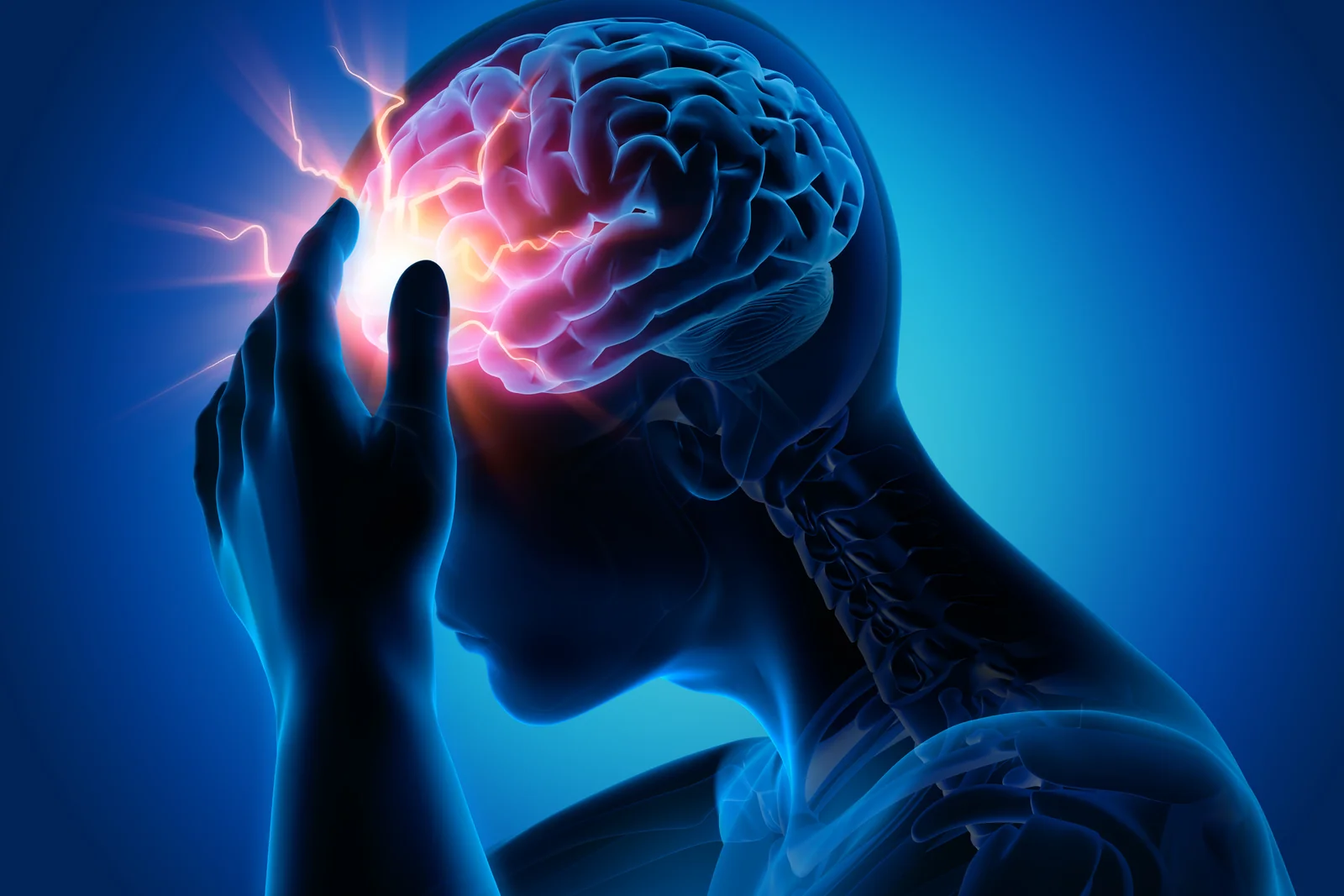


You've heard conflicting advice about concussions: 'If you didn't lose consciousness, it's not serious,' 'Stay in the dark for a week,' 'Definitely don't exercise.' Faced with all this misinformation, it's hard to know what to do. This confusion is normal, as recommendations have changed a lot in recent years.
Research on concussions has led to changes in recovery guidelines.¹ Many of the recommendations still in circulation are no longer valid. With this information, you can better understand your care and return to normal activities.
What Science Tells Us About Concussions:
- Most sports-related concussions occur without a loss of consciousness.¹
- Complete rest in the dark is not recommended after a sports-related concussion.²
- Light activity, such as walking, can be started during the first 24 to 48 hours if it causes only a slight and brief increase in symptoms.²
- Symptoms may appear immediately and progress over the following hours or days.
10 Quick Tips to Understand Your Pain
One tip a day for 10 days to help you better understand your pain. About a 2-minute read.
This article debunks the most common beliefs. For concrete recovery steps, consult our guide on treating concussions.
Do you have to lose consciousness to sustain a concussion?
A concussion can occur without a loss of consciousness; this is the case for most sports-related concussions.¹
In a study of professional rugby league players, a possible loss of consciousness observed on video did not predict the time to return to play after a diagnosed concussion.[4] This finding does not mean that a loss of consciousness should be ignored: following an impact, this sign requires urgent evaluation. Also remain vigilant if symptoms appear without a loss of consciousness. Our page on concussions describes the possible signs.
Should I be removed from the game if I have a blow to the head without any symptoms?
The athlete must be removed from the game as soon as a concussion is suspected, even if the athlete reports nosymptoms.² A blow alone does not prove a concussion. However, signs observed by those around the athlete, any doubt following the impact, or even brief symptoms require removal from the game and an evaluation.
Even a single sign or symptom following an impact may indicate a concussion. For example, neck pain after a tackle in football or dizziness after being hit in the head by a ball are reasons to remove the player from the game. Dizziness that goes away within a few minutes also requires evaluation. The decision does not depend on how long the symptom lasts.
The key takeaway: After a blow to the head or a fall, any sign, symptom, or suspicion of a concussion is reason enough to remove the athlete from the game and have them evaluated.
If you are unsure, remove the athlete from the game.
No sporting issue, regardless of the level, is more important than the health of your brain.
An athlete who has suffered a concussion does not return to the same game or practice. A doctor or specialized nurse practitioner assesses the initial injury and provides recommendations for a return to play. This nurse is trained to make diagnoses, among other things. The physical therapist can begin treatment and oversee the recovery process. Our sports physical therapy team oversees these returns to play.
In Quebec, a trained physical therapist who regularly treats concussions may authorize a return to high-risk activities when an evaluation confirms recovery and the absence of persistent symptoms. If symptoms persist, a physician or a specialized nurse practitioner is involved in the decision. A new medical evaluation is required in each of the following situations:
- Warning signs or an unusual worsening of symptoms.
- A disease of the brain or the spinal cord.
- Another issue that complicates nerve testing.
- A concussion in the past year or at least two previous concussions.
- New symptoms upon returning to play.
The joint opinion from Quebec specifies these conditions.
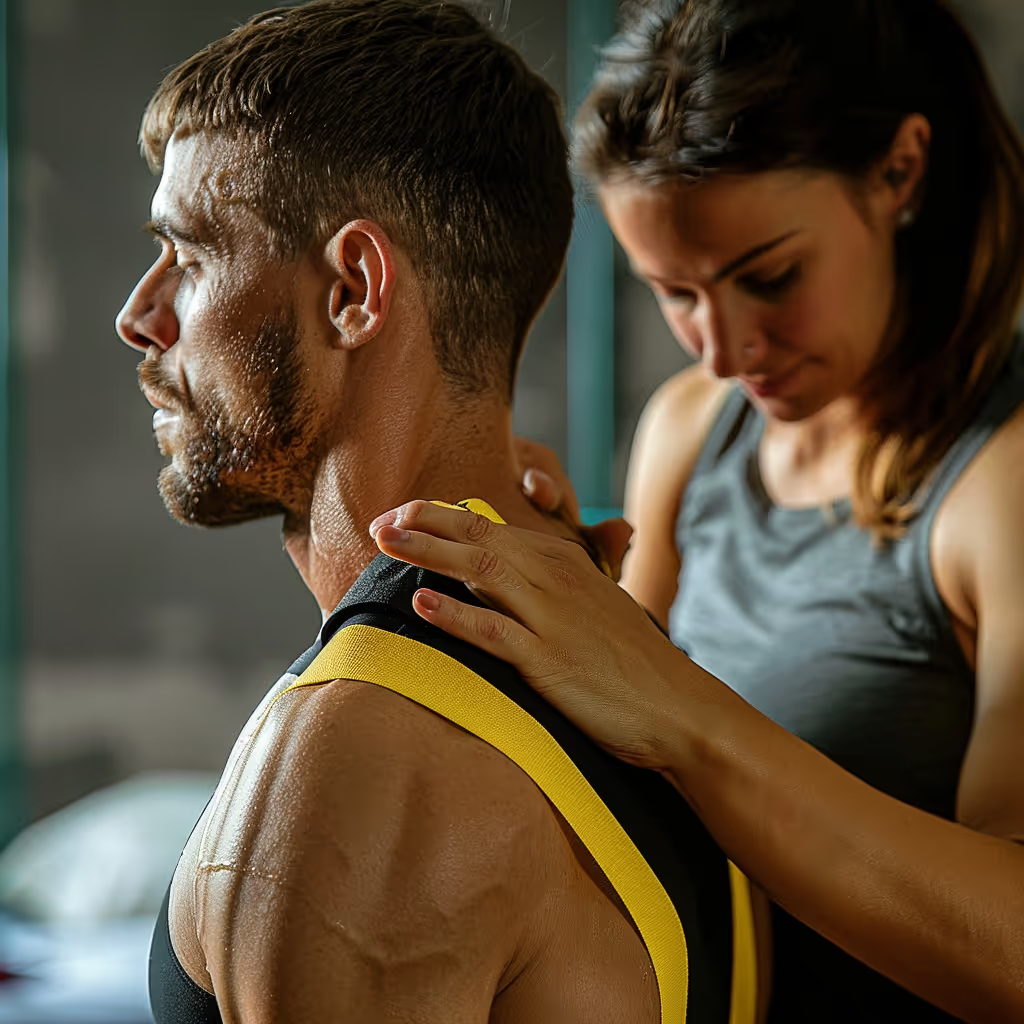
Why evaluate the neck as well?
A concussion and a neck injury can occur at the same time and cause similar symptoms, such as a headache or dizziness. A sudden movement of the head, such as whiplash, can injure the neck. Examining the neck helps determine whether it is contributing to the symptoms and guides treatment decisions. Symptoms alone are not enough to distinguish between these injuries.[8][9]³
A trial involving adolescents and young adults aged 12 to 30 who experienced dizziness, neck pain, or persistent headaches following a sports-related concussion showed a benefit. The addition of vestibular physical therapy—which focuses on balance and visual stability—and neck care accelerated medical clearance to return to sports compared to the comparison program. Both groups were already receiving counseling, neck mobility exercises, and a gradual return to physical activity. These findings apply to this specific combination of treatments and this population.[10]
What changes does a previous concussion cause?
A previous concussion requires special attention when returning to sports. In children and adolescents aged 5 to 18, a review of seven studies found that the risk of a new concussion was more than three times higher than in young people without a previous concussion.[11]¹ This figure describes the young people studied; it does not indicate the individual risk for each adult.
Studies on recovery time following multiple concussions have yielded mixed results. In a study of high school athletes, having had at least two previous concussions was associated with a higher proportion of young people who had still not returned to sports at 28 days. However, there was no clear difference in overall time to return to school and sports between the groups. Follow-up care must therefore take each individual’s history into account.[12]¹
I have a concussion. Should I rest for 24 to 48 hours or a full week?
Relative rest—which involves reducing activities without stopping everything—is recommended during the first 24 to 48 hours after a concussion.²
After this period, gradually increase your daily tasks and activities, depending on your symptoms.
The advice to stay in the dark for a week is not in line with current recommendations. Strict physical rest until symptoms disappear does not speed up recovery from a sports-related concussion. Instead, a 2023 review concludes that an early return to light activity, appropriate exercises, and reduced screen time during the first two days promote recovery.[5]²
Relative rest allows for short, easy activities: reading a little, playing a simple board game, walking slowly, or talking with friends. Limit screen time during the first two days and avoid activities that require a lot of concentration or pose a risk of falling or physical contact.
A slight increase in symptoms can be tolerated if it is brief: no more than 2 points on a scale of 0 to 10, lasting less than an hour. If the increase exceeds these limits, take a break until symptoms return to their usual level, then reduce the duration or intensity of the activity . The INESSS guidelines explain how to adjust this return to activity.
How long does it take to recover from a concussion?
Recovery from a sports-related concussion often takes a few weeks, but the duration varies greatly from person to person. A 2023 review reports that symptoms resolve within 14 days on average. In the pooled studies, 93% of athletes had fully resumed school without additional support within 10 days or less. The return to sports took about 20 days on average. These guidelines are not a substitute for an evaluation or clearance to resume activities. The review on recovery times details these findings.
In adults, symptoms may persist for a longer period of time. In a study of 343 adults evaluated an average of seven months after a mild traumatic brain injury, 18.7% reported at least three symptoms following the injury. This rate depends on the definition used and the timing of the evaluation.[14] Our treatment steps explain how to tailor the return-to-activity process.
Seek medical attention if your condition worsens, shows little improvement after two weeks, or if symptoms still prevent you from performing certain activities after one month. Repeated difficulties making progress or significant anxiety also warrant a visit to the doctor. The warning signs described below require immediate evaluation. INESSS specifies when to seek medical attention again.
When can I resume physical activity after a concussion?
Light physical activity may be gradually resumed during the first 24 to 48 hours, provided it causes only a slight and brief increase in symptoms.² Gentle walking is considered part of relative rest.
After 24 to 48 hours of reduced activity, gradually increase your level of light activity. A healthcare professional may then recommend a cardiovascular exercise, such as using a stationary bike, for the first two weeks. This gradual return to activity aids in recovery; prolonged complete rest can slow down the recovery process.[5] The program will continue to be tailored to your symptoms and your situation.
Aerobic exercise works the heart and lungs. When a professional adjusts the intensity to your tolerance level based on a test that monitors your symptoms during progressive exertion, this treatment—started 2 to 10 days after a sports-related concussion—helps reduce the risk of symptoms lasting longer than a month.²
A return to sports involves separate stages spaced at least 24 hours apart. Activities involving a risk of collision, falls, or contact must await authorization from a qualified professional. According to the Quebec guidelines, symptoms must have resolved both at rest and during activities, and intellectual activities—such as school or work—must be resumed without any modifications before Stage 4. This stage includes exercises with or without a teammate, without contact. The following stages reintroduce contact training, followed by competition. If symptoms return during these stages, go back to Stage 3 and seek medical advice if progress remains difficult. The Quebec guidelines outline the six stages.
When might the symptoms of a concussion appear?
Symptoms of a concussion may appear immediately and develop over the hours or days following theimpact.² The absence of immediate symptoms is therefore not sufficient to rule out a concussion.
In some children and adolescents, symptoms began several minutes or several hours after the sports-related injury.[6] Another study, conducted among adult elite rugby players, showed that the number and severity of symptoms could continue to change during the first 48 hours.[7]
After a blow that may indicate a concussion, do not return to play, even if you are not yet experiencing any symptoms. Get evaluated and have your family and friends monitor your condition in the hours and days thatfollow.² The symptoms of a concussion go far beyond a headache.
What are the signs that indicate you should go to the emergency room?
After the injury, go to the emergency room immediately if any of the following signs appear:
- A severe headache or one that is getting worse.
- Repeated vomiting.
- Double vision or loss of vision.
- Seizures, which are uncontrollable, repeated body movements.
- Difficulty walking or speaking.
- Weakness or loss of sensation in an arm or leg.
- Difficulty staying awake, confusion, loss of consciousness, or difficulty recognizing people or places.
- Increased agitation or aggression, excessive crying, or unusual behavior.
These warning signs are different from common symptoms, such as fatigue or a mild headache. The INESSS brochure describes them.
Where can I find more information about concussions?
Physioactif offers a guide on concussions, two articles on symptoms and treatment, and a podcast episode dedicated to concussions.
To learn more about concussions, visit the concussion section and read these two articles— “Concussions Are More Than Just Headaches” and “Treating a Concussion One Step at a Time”—to learn more about the steps involved in treating a concussion.
You can also listen to the podcast "Parle-moi de santé", hosted by Alexis Gougeon, a physical therapist. Episode 6, released in October 2020, focuses on concussions with Dave Ellemberg. Guidelines for returning to activity are evolving: for your current situation, follow the recommendations of your healthcare professional.
Episode 6 of "Talk to Me About Health": Concussions
Listen to Episode 6 with Dave Ellemberg on Apple Podcasts.
Need professional advice?
Our physical therapists can assess your condition and provide you with a personalized treatment plan.
Make an appointmentCustomer satisfaction is our top priority
At Physioactif, excellence guides everything we do, but our patients are the best ones to tell you about it. Take a look at their verified reviews to get a real sense of their experience.











Discover our physical therapy clinics
We have locations in several areas to better serve you.
Blainville
190 Bas-de-Sainte-Thérèse Road, Suite 110,
Blainville, Quebec
J7B 1A7
Located in Blainville, near Rosemère, the Physioactif clinic is easily accessible to residents of the area and the surrounding communities
Boucherville
690 Rue de Montbrun, Suite S,
Boucherville, Quebec
J4B 8H2
Located in Boucherville, the Physioactif clinic is easily accessible to people in the area
Laval
3224 Jean-Béraud Ave., Suite 220, Laval,
QC H7T 2S4
Located in Chomedey, in the heart of Laval, the Physioactif clinic is easily accessible to people in the area
Montreal
8801 Lajeunesse Street,
Montreal,
QC H2M 1R8
Located in Ahuntsic, near Villeray, the Physioactif clinic is easily accessible to residents of both neighborhoods
Saint-Eustache
180 25th Avenue, Suite
201 Saint-Eustache
QC J7P 2V2
Located in Saint-Eustache, the Physioactif clinic is easily accessible to residents of the area and the surrounding communities
Vaudreuil
21 Cité-des-Jeunes Boulevard, Suite 240,
Vaudreuil-Dorion, Quebec
J7V 0N3
Located in Vaudreuil-Dorion, the Physioactif clinic is easily accessible to people in the area
Make an appointment now