Whiplash
Whiplash is a neck injury to the joints of the vertebrae caused by trauma. Generally, it involves the stretching of one or more ligaments in the neck vertebrae.
.png)
.png)
.png)


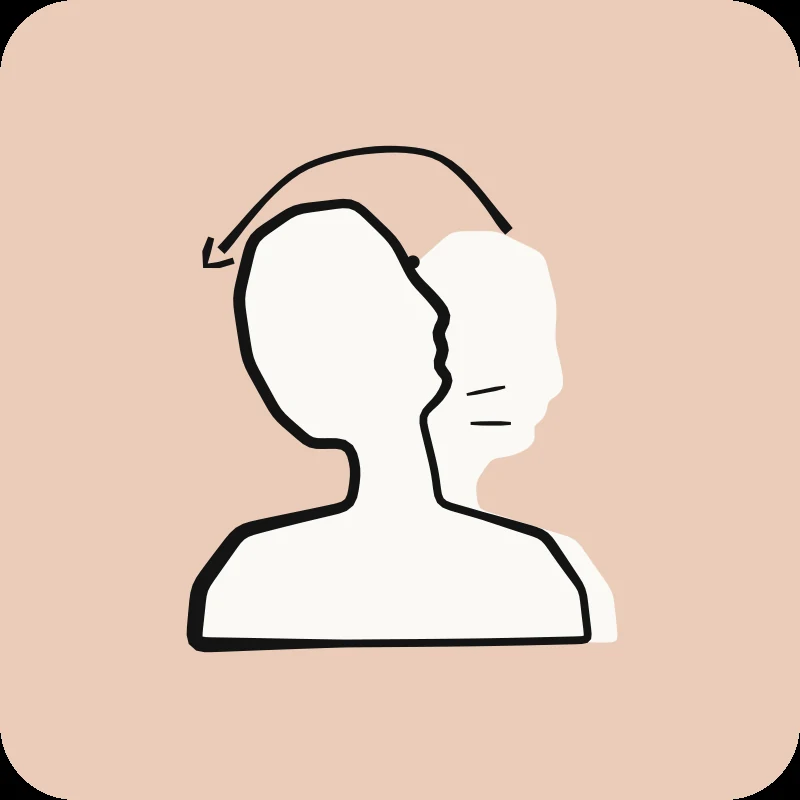


Neck pain and stiffness may occur after a car accident, a fall, or another type of injury. An evaluation helps determine the appropriate treatment based on the symptoms and circumstances.
Recovery from a neck injury varies from person to person. Follow-up focuses on symptoms and the activities you want to resume. A systematic review identifies and compares relevant studies on a specific topic. One such review analyzed 38 groups of people who were followed after a whiplash injury1. Pain and difficulties with daily activities decrease most significantly during the first three months, but the rate of recovery varies greatly among groups.
10 Quick Tips to Understand Your Pain
One tip a day for 10 days to help you better understand your pain. About a 2-minute read.
A physical therapy evaluation can help identify which activities are limited and develop a plan tailored to the situation.
- Resuming Movement Aids Recovery After Evaluation: Once a healthcare professional has ruled out an injury requiring special protection, movement and activities are gradually resumed. Studies on whiplash support active care rather than prolonged rest or a soft neck brace to reducepain.², ³ These findings remain uncertain, as the studies are few in number or have methodological limitations. In a 1986 trial, 61 people were assigned to either early active movement or rest with a soft neck brace. At eight weeks, the first group experienced less pain and had better neck mobility.4 Participants were randomly assigned to the treatment groups. The result suggests a possible benefit; it does not guarantee the same outcome for everyone.
- The Canadian Neck Injury Rule guides examinations: Professionals use this rule to determine whether imaging of the spine is necessary following a trauma. It was designed for alert adults with stable breathing, pulse, and blood pressure5. It must be applied in its entirety by a healthcare professional.
This guide explains whiplash, its symptoms, its causes, and the role of physical therapy in recovery from neck pain.
What is a Neck Sprain?
A whiplash injury is a strain or tear of one or more ligaments in the neck. Ligaments connect the bones of the spine, called vertebrae, and help keep them stable. In practice, this diagnosis is also used to describe certain injuries to the neck tissues following a traumatic event, even when no specific ligament has been identified.
Whiplash is caused by a sudden acceleration followed by a sudden deceleration of the head. This movement can strain the muscles, ligaments, and joints of the neck. The reported movement alone is not sufficient to identify the injured tissue.
The healthcare professional distinguishes between pain with few signs on examination, pain accompanied by stiffness or tenderness, and signs affecting the nerves. He or she also checks for a fracture or a dislocated joint. These types of injuries require specialized medical care.6
Normal imaging results do not always explain pain following an injury. The evaluation takes into account symptoms, range of motion, and signs that warrant further testing.6
To better understand the complex structure of your neck and how the vertebrae work together, consult our guide on cervical anatomy.
Symptoms vary depending on the severity of the injury and can appear immediately or several hours after the trauma.
What are the symptoms of a cervical sprain?
Symptoms of a whiplash injury include neck pain, stiffness, headaches, and difficulty turning or tilting the head. These symptoms guide the examination but do not, on their own, identify the affected tissue.
Neck Pain and Stiffness: Neck pain may be limited to a small area or may spread. Stiffness can make it feel as though the neck is “locked up” or that turning the head requires a great deal of effort.
Muscle tension: The muscles in your neck or shoulders may feel tight or contract involuntarily. The exam checks for this sensation and its effects on your movements.
Headaches: A headache may accompany neck pain. After an injury, the healthcare professional takes into account the onset and progression of the headache to identify other possible injuries. See our guide on headaches.
Difficulty moving the head: Turning the head to the left or right, looking down, or tilting the head to the side may become difficult. After an injury, do not force a movement that is impossible before being evaluated.
Onset of symptoms: Pain may begin immediately or several hours after the injury. This time frame alone is not sufficient to determine the severity of the injury.
Pain with certain movements: Turning your head, looking over your shoulder, or tilting your head to read can increase the pain. Avoid driving if you cannot check your blind spots without difficulty.
Neck pain that radiates down the arm can have various causes, including an irritated nerve in the neck. An accurate evaluation determines the appropriate treatment. Our guide on neck pain that radiates down the arm explains this condition.
Certain symptoms require urgent medical attention and should never be ignored.
What are the serious symptoms of a cervical sprain to watch out for?
Weakness, numbness, new difficulty walking, or loss of bladder or bowel control following a neck injury require urgent medical evaluation. These symptoms may be caused by an injury more serious than a sprain.
Advice from the British National Health Service (NHS) on whiplash and urgent signs associated with neck problems helps distinguish these warning signs from ordinary symptoms. Our guide on cervical disc herniation explains another possible cause of symptoms in the arms.
Weakness or paralysis: New-onset weakness in an arm, hand, or leg requires urgent evaluation. Sudden weakness, an inability to keep an arm raised, or paralysis requires immediate assistance.
Numbness or loss of sensation: New tingling or numbness in an arm or leg following an injury requires urgent evaluation. It is not necessary for multiple areas to be affected.
Difficulty walking or maintaining balance: New-onset difficulty walking, sitting upright, or maintaining balance following an injury requires urgent medical attention. Dizziness that begins after an injury, accompanied by neck pain, also requires urgent evaluation, even if there is no difficulty walking. The Leicestershire NHS fact sheet on the neck provides further details on this warning sign.
Sudden clumsiness: Dropping objects, being unable to button a shirt, or suddenly having trouble using your fingers may indicate a problem that requires immediate help.
Changes in urinary, bowel, or genital sensation: A recent loss of control over urination or bowel movements requires immediate medical attention. New difficulty urinating, leakage, or a loss of sensation around the buttocks or genitals following an injury also require urgent evaluation, even if there is no complete loss of control. This includes a different sensation when wiping after a bowel movement. These signs are described in the NHS inform guidance on neck injuries.
Other warning signs following an injury: Severe neck pain or an inability to move your head after an injury requires immediate medical attention. Severe pain that persists despite your usual medications, or a sensation of an electric shock in the neck or back—sometimes extending to the limbs—also requires urgent evaluation. Do not drive yourself if you experience these symptoms.
After an injury, seek medical attention immediately if you notice any of these signs. Call 911 in case of sudden paralysis, new difficulty walking, loss of bladder or bowel control, or if you are unable to move safely. If there are no urgent symptoms, a physical therapy appointment may be helpful, after confirming that the injury allows for treatment.
The context in which symptoms appear can guide the evaluation.
What are the causes of a cervical sprain?
A car accident, a fall, or an impact can cause a whiplash injury by straining the tissues in the neck. Certain unusual movements or exertions can also cause neck pain, even if there is no evidence of a torn ligament.
Car Accidents: A collision can cause the head to accelerate and then slow down abruptly, resulting in whiplash. The evaluation looks for possible injuries based on the symptoms and the circumstances of the accident.
"Whiplash" refers to this sudden movement. It does not necessarily mean that a ligament is torn. Symptoms and a physical examination determine the necessary treatment.
Falls: A fall can strain the neck, even if the pain doesn't appear until later. The height of the fall and the symptoms help the healthcare professional determine which tests are necessary.
Direct blows to the head: A blow to the head may be accompanied by a neck injury. The evaluation looks for both of these issues and any signs requiring urgent care.
Sudden neck movements: A quick twist or forced movement may precede the pain. This description helps with the evaluation, but does not by itself confirm a sprain.
Unusual exertion or heavy lifting: Unusual exertion can cause neck muscle pain. The healthcare professional checks the tissues that may be affected and the movements that have become difficult.
To understand neck pain in a broader context and how different conditions can affect your neck, our comprehensive guide offers an in-depth perspective.
Following a trauma, an accurate diagnosis is important to guide the appropriate treatment.
How is a neck sprain diagnosed?
The diagnosis of a whiplash injury is based on the patient’s account of the injury and an examination of range of motion, strength, and sensation. The healthcare provider first checks for a fracture or other injury requiring medical care. In an alert and stable adult, the Canadian rule helps determine whether imaging of the cervical spine is necessary5.
Examination of the Neck and Symptoms: The healthcare professional will ask you when and how the injury occurred, what symptoms have appeared, and how they are progressing. Depending on what can be done safely, they will observe your movements, palpate tender areas, and check your strength and sensation. They may also test your reflexes—the automatic responses of your muscles to stimulation.
When should neck imaging be performed?
A whiplash injury does not automatically require an X-ray. After an injury, imaging tests are used primarily to check for a fracture or other significant injury. While Canadian guidelines recommend imaging for individuals aged 16 and older, the recommendations from the British organization NICE favor a computed tomography (CT) scan, which produces detailed images using X-rays. Magnetic resonance imaging, or MRI, produces images using a magnetic field. This test may be used in conjunction with a CT scan if there are signs suggesting damage to the spinal cord—the bundle of nerves in the spine that transmits messages between the brain and the body.
In the study that established the Canadian guideline, 8,924 alert and stable adults were evaluated following a crash. Of these, 151 had significant neck injury, or 1.7%5. This percentage reflects the individuals seen in the emergency department in this study; it does not apply to all trauma cases.
The Canadian guideline for the cervical spine: Ian Stiell and his team at the University of Ottawa developed this guideline to provide guidance to professionals.5 In the 2003 validation study, 8,283 conscious and stable trauma patients were evaluated; 169 had significant injury. When the rule was applied in its entirety, it identified 99.4% of these cases and missed one7. This result supports its clinical use, though it does not guarantee that no injuries will be missed.
The following conditions are considered high-risk situations that require medical evaluation and imaging according to the protocol. The Emergency Care BC clinical guideline specifies the criteria:
- A fall of at least one meter or down at least five steps: Height and the number of steps are among the risk factors.
- An impact that compresses the head toward the neck: For example, hitting the bottom of a pool with your head while diving, or being struck on the top of the head.
- High-speed car accident: A collision at speeds exceeding 100 km/h, rollovers, or being ejected from the vehicle are among the criteria.
- Accident involving a motorized recreational vehicle: This includes, among others, snowmobiles, all-terrain vehicles, and off-road motorcycles.
- Bicycle collision: This criterion is not limited to collisions with automobiles.
Being 65 years of age or older, or experiencing tingling in an arm or leg, are also considered high-risk criteria. If these criteria are not present, the professional checks for low-risk factors, such as a minor rear-end collision or the ability to walk since the accident. The professional then assesses—only if it is safe to do so—the ability to turn the head 45 degrees to each side5. Do not attempt this test on your own, and do not force your neck to check for this movement. Each step must be performed in order. The absence of a referral for imaging alone does not confirm a sprain.
Once the diagnosis is established, the question becomes: when should you seek consultation to optimize your recovery?
When should you consult a physiotherapist for a cervical sprain?
A physical therapy appointment is appropriate when pain or stiffness following a sprain limits your movement or activities, once any medical emergencies have been ruled out. The physical therapist will determine whether a medical evaluation is necessary before proceeding with treatment.
Direct Access to Physical Therapy: In Quebec, you can see a physical therapist in private practice without a doctor’s referral. However, some insurance policies require a referral for reimbursement, as specified bythe Quebec Professional Order of Physical Therapy. Check with the clinic to confirm your coverage and schedule your next appointment.
Why See a Therapist: A physical therapist helps you regain movements and activities that have become difficult. A review of studies on whiplash reports benefits from education, movements guided by the therapist’s hands—known as mobilizations—and exercises, compared to standard care or certain treatments received without active participation.8
Our guide to the Physical Therapy for Whiplash explains this approach step by step.Avoid prolonged rest after the evaluation: Once an injury requiring immobilization has been ruled out, a gradual return to movement is generally preferable to prolonged rest.8 Comparisons with the soft collar primarily favor movement in terms of pain relief. They yield variable results regarding the ability to move the neck2. Another review supports active care, while noting significant limitations in the studies3. These comparisons are not a substitute for protective measures for a serious injury.
The Role of the Physical Therapist: During the initial evaluation, your physical therapist will:
- Assess symptoms and activities that have become difficult
- Assesses the severity of the injury
- Look for warning signs that require medical attention
- Establishes a treatment plan tailored to your specific condition
- Guides you on safe movements and those to temporarily avoid
When a physical therapist refers you to a doctor: A possible fracture, a warning sign, or symptoms that don’t match those of a simple sprain require a medical evaluation. The physical therapist will refer you based on the urgency of the situation.
Our guide to physical therapy for neck pain outlines the various treatment options available for neck pain.
The plan may include information, movements, and exercises. Adding sessions or interventions does not guarantee better results. A 2007 Cochrane review examined 23 studies on whiplash injuries involving pain alone or muscle and joint symptoms. The treatments, study populations, and measures varied too widely to pool the results; the quality of the studies was often low9. This limitation in comparison does not mean that all physical therapy is ineffective.
10 Quick Tips to Understand Your Pain
One tip a day for 10 days to help you better understand your pain. About a 2-minute read.
In the PROMISE trial, 172 participants had been experiencing symptoms for more than three months but less than five years. A program consisting of 20 exercise sessions did not reduce pain any more than a counseling session with telephone support, as measured at follow-ups at 14 weeks, six months, and one year10. This finding applies to these two programs for persistent symptoms, not to emergency care following an accident.
What are the physiotherapy treatments for a cervical sprain?
Physical therapy for a whiplash injury combines advice, gradual movements, exercises, and, if necessary, mobilization techniques to restore neck function. The physical therapist tailors this treatment based on the patient’s symptoms and the activities they need to resume.
Manual Therapy : The physical therapist may gently move certain joints with their hands. These mobilizations can help reduce pain and restore range of motion, in addition to education and exercises. Hurwitz’s review reports favorable outcomes for interventions that help patients resume their activities.8 The professional monitors the response to treatment and adjusts it accordingly.
Progressive exercises: These exercises can improve range of motion, strength, and the muscles’ ability to support physical activity. The program may include strengthening the neck and shoulder muscles. The amount of exercise and its progression are tailored to your response. A Cochrane review on persistent neck pain reports benefits of strength training and endurance training on pain and daily activities. This finding applies to persistent neck pain; it does not demonstrate the same effect for a recent sprain.11
Initial Comfort: Cold can be tried to relieve pain, and heat for relaxation. Protect the skin and stop if the application feels uncomfortable. In a small study, heat or cold was applied alongside medication; the results do not allow for a clear distinction between their effects.12 These measures can be used in conjunction with appropriate movements and exercises.8
Information and Activity Adjustments: You can discuss work movements, sleeping positions, and daily activities that increase pain. The physical therapist will suggest adjustments based on your needs. Check out our tips for your workstation.
Pain Management and Returning to Activities: The physical therapist helps you understand fluctuations in pain and choose which activities to resume. Together, you adjust the duration and intensity of these activities based on how you respond, rather than following a one-size-fits-all schedule.
Protection and Restoration of Movement: A cervical collar is a device that restricts neck movement. If a healthcare professional has prescribed one for you, follow their instructions. The findings showing better outcomes with movement rather than a soft collar apply to individuals whose injuries allowed for this approach.4
Follow-up is used to monitor progress: turning the head, sleeping, working, or resuming a hobby. A new symptom or a significant worsening of symptoms requires a reassessment of the plan.
How long does a neck sprain last?
Recovery from a whiplash injury can take anywhere from a few weeks to several months. For whiplash, the NHS estimates a recovery time of two to three months, while noting that some people experience symptoms for longer. This estimate does not determine the individual timeframe for ligament healing.
First few months: Pain and difficulties with daily activities decrease most significantly during the first three months after a whiplash injury. However, the results from the 38 groups studied by Kamper vary widely1.
After the First Few Months: Kamper’s review notes little additional progress on average after three months. This average does not mean that a person can no longer improve. If symptoms persist, follow-up care takes into account the activities that are still difficult.
What factors are associated with a more difficult recovery?
A meta-analysis of 12 reviews examined the factors associated with persistent symptoms13. More severe pain and greater activity limitations at baseline, as well as certain psychological and social concerns or difficulties, were associated with the course of recovery. This association does not prove that these factors cause persistent pain. The characteristics of the collision and abnormalities on X-rays or MRI scans were not associated with pain persistence in this review. These imaging studies remain useful when screening for serious injury.
An early assessment can help identify symptoms that require medical attention, activities that should be limited, and treatment options. See also our guide to understanding chronic pain.
The exercise program may continue to evolve if symptoms persist. A review focusing on adults with persistent whiplash reports that interventions centered on neck exercises appear to be the most beneficial among those examined14. This finding aids in treatment decisions but does not specify the number of sessions required.
A return to work or recreational activities is planned based on what movements are possible and how the body responds to trial activities. An activity can be resumed in stages, with breaks or reduced duration as needed.
Knowing what to do after an injury helps you stay active and recognize when to seek medical attention right away. Your physical therapist can guide you on how to move safely and choose the right time to seek medical attention.3
What to do immediately after a neck sprain?
Immediate care following a neck injury begins with checking for signs of a medical emergency, before performing any exercises. Once a serious injury has been ruled out, care focuses on comfort, permitted movements, and a gradual return to activities.
Cold and Heat: Cold can be used to relieve pain, and heat to promote relaxation. One study compared 30 minutes of heat and cold treatment in 60 adults with a recent neck or back injury; all participants also received ibuprofen. Pain decreased slightly in both groups, with no clear difference between them12. The medication may have accounted for some or all of this relief. Place a cloth between the treatment and your skin to protect it, and stop if it increases discomfort.
Resume gentle movements: After the evaluation, resume the permitted movements without straining. The physical therapist can specify the number of repetitions and adjust them based on your pain level and range of motion.
Pain relievers: A pharmacist or doctor can advise you on acetaminophen or ibuprofen. Follow the recommended dosages and check to see if a medication is appropriate for your health and compatible with any other medications you’re already taking. Severe pain that persists despite these measures requires urgent medical evaluation.
What should you avoid?
Avoid staying still for long periods of time unless medically advised. In a 1986 study of 61 people, active movement led to better outcomes in terms of pain and range of motion at eight weeks than rest with a soft neck brace.4 The 2021 review confirms a possible benefit for pain, but mixed results for neck movement2. These findings support a tailored return to activity following evaluation.
Do not use a neck brace to restrict movement unless you have been instructed to do so. If a neck brace has been prescribed, the length of time you should wear it depends on the injury: follow your healthcare provider’s instructions, even if they differ from the advice given for a simple sprain.
Do not force any movement to “test” your neck after an injury. If you are unsure which movements are safe, ask for an evaluation before trying them.
When to Seek Medical Attention: The warning signs described above require urgent evaluation. If your symptoms do not begin to improve after about a week, if medication does not provide relief, or if you are concerned, consult a healthcare professional, as recommended by the NHS.
Resuming Activities: Daily activities can be resumed gradually as the injury allows. You may experience some discomfort; if your condition worsens significantly or new symptoms appear, you should be reevaluated. Your return to activity will be planned based on your specific tasks and symptoms.
Recovery and the resumption of activities vary from person to person. If symptoms persist, your follow-up care will be tailored to the activities that are still difficult for you and those you want to resume.
If you experience symptoms of a neck sprain, do not hesitate to consult one of our Physioactif clinics for a complete evaluation and a personalized treatment plan tailored to your specific condition.
Need professional advice?
Our physical therapists can assess your condition and provide you with a personalized treatment plan.
Make an appointmentWhat sources does this guide draw on?
This guide is based on the clinical studies and scientific reviews listed below, most of which are available online.
Links open in a new tab.
- Kamper SJ, Rebbeck TJ, Maher CG, McAuley JH, Sterling M. Course and prognostic factors of whiplash: a systematic review and meta-analysis. Pain. 2008;138(3):617-629. (Back to sections: 1, 2)
- Christensen SWM, Rasmussen MB, Jespersen CL, Sterling M, Skou ST. Soft-collar use in the rehabilitation of whiplash-associated disorders—A systematic review and meta-analysis. Musculoskelet Sci Pract. 2021;55:102426. (Back to sections: 1, 2, 3)
- Wiangkham T, Duda J, Haque S, Madi M, Rushton A. The Effectiveness of Conservative Management for Acute Whiplash-Associated Disorder (WAD) II: A Systematic Review and Meta-Analysis of Randomized Controlled Trials. PLoS One. 2015;10(7):e0133415. (Back to sections: 1, 2, 3)
- Mealy K, Brennan H, Fenelon GC. Early mobilization of acute whiplash injuries. Br Med J (Clin Res Ed). 1986;292(6521):656-7. (Back to sections: 1, 2, 3)
- Stiell IG, Wells GA, Vandemheen KL, Clement CM, Lesiuk H, De Maio VJ, et al. The Canadian C-spine rule for radiography in alert and stable trauma patients. JAMA. 2001;286(15):1841-8. (Back to sections: 1, 2, 3, 4, 5)
- Lehman A, Margetis K. Cervical Sprain. [Updated April 12, 2026]. In: StatPearls [Internet]. Treasure Island (FL): StatPearls Publishing; 2026. (Back to sections: 1, 2)
- Stiell IG, Clement CM, McKnight RD, Brison R, Schull MJ, Rowe BH, et al. The Canadian C-spine rule versus the NEXUS low-risk criteria in patients with trauma. N Engl J Med. 2003;349(26):2510-8. (Back to section: 1)
- Hurwitz EL, Carragee EJ, van der Velde G, Carroll LJ, Nordin M, Guzman J, et al. Treatment of neck pain: noninvasive interventions: results of the Bone and Joint Decade 2000–2010 Task Force on Neck Pain and Its Associated Disorders. Spine (Phila Pa 1976). 2008;33(4 Suppl):S123-52. (Back to sections: 1, 2, 3, 4)
- Verhagen AP, Scholten-Peeters GG, van Wijngaarden S, de Bie RA, Bierma-Zeinstra SM. Conservative treatments for whiplash. Cochrane Database Syst Rev. 2007;2007(2):CD003338. (Back to section: 1)
- Michaleff ZA, Maher CG, Lin CW, Rebbeck T, Jull G, Latimer J, et al. Comprehensive physiotherapy exercise program or advice for chronic whiplash (PROMISE): a pragmatic randomized controlled trial. Lancet. 2014;384(9938):133-41. (Back to section: 1)
- Gross A, Kay TM, Paquin JP, Blanchette S, Lalonde P, Christie T, et al. Exercises for mechanical neck disorders. Cochrane Database Syst Rev. 2015;1(1):CD004250. (Back to section: 1)
- Garra G, Singer AJ, Leno R, Taira BR, Gupta N, Mathaikutty B, et al. Heat or cold packs for neck and back strain: a randomized controlled trial of efficacy. Acad Emerg Med. 2010;17(5):484-9. (Back to sections: 1, 2)
- Sarrami P, Armstrong E, Naylor JM, Harris IA. Factors predicting outcome in whiplash injury: a systematic meta-review of prognostic factors. J Orthop Traumatol. 2017;18(1):9-16. (Back to section: 1)
- Anderson C, Yeung E, Toong T, Tong T, Reed N. A narrative review of cervical interventions in adults with chronic whiplash-associated disorder. BMJ Open Sport Exerc Med. 2018;4(1):e000299. (Back to section: 1)
- Cassidy JD, Carroll LJ, Côté P, Lemstra M, Berglund A, Nygren A. Effect of eliminating compensation for pain and suffering on the outcome of insurance claims for whiplash injury. N Engl J Med. 2000;342(16):1179-86.
- Sterling M, Hendrikz J, Kenardy J. Compensation claim lodgement and health outcome developmental trajectories following whiplash injury: A prospective study. Pain. 2010;150(1):22-28.
.jpg)
.jpg)
Other conditions

Hip osteoarthritis is the normal wear and tear of the hip joint. It is often said that osteoarthritis is the wear and tear of the cartilage between our bones. That is true, but it involves more than just the cartilage. Cartilage is a tissue that acts as a cushion between the surfaces of our bones and allows our joints to glide smoothly and move fluidly.
This is normal wear and tear of the knee joint. It’s often said that osteoarthritis is the wearing down of the cartilage between our bones. That’s true, but it’s more than just the cartilage. Cartilage is a tissue that acts as a cushion between the surfaces of our bones and allows our joints to glide smoothly and move fluidly.
It is an inflammation of the subacromial bursa in the shoulder joint.
A bursa is a small, thin sac filled with fluid that is found in many of the body's joints. This small sac acts as a cushion within the joint and lubricates the structures that are subject to increased friction.
It is a tissue that surrounds the shoulder and helps keep the shoulder bone in place within the joint. The capsule helps keep the joint stable.
Neck pain is a general term used to describe pain in the neck that has no specific cause, such as an accident or a sudden awkward movement. Neck pain is therefore synonymous with “my neck hurts, and nothing in particular happened.”
In both types of injury, pain is felt in the neck and then radiates into the arm, or vice versa.
Make an appointment now
We offer a three-pronged quality assurance approach: optimized treatment time, a second opinion from a physical therapist, and ongoing expertise to ensure effective care tailored to your needs.

Customer satisfaction is our top priority
At Physioactif, excellence guides everything we do, but our patients are the best ones to tell you about it. Take a look at their verified reviews to get a real sense of their experience.









Discover our physical therapy clinics
We have locations in several areas to better serve you.
Blainville
190 Bas-de-Sainte-Thérèse Road, Suite 110,
Blainville, Quebec
J7B 1A7
Located in Blainville, near Rosemère, the Physioactif clinic is easily accessible to residents of the area and the surrounding communities
Boucherville
690 Rue de Montbrun, Suite S,
Boucherville, Quebec
J4B 8H2
Located in Boucherville, the Physioactif clinic is easily accessible to people in the area
Laval
3224 Jean-Béraud Ave., Suite 220, Laval,
QC H7T 2S4
Located in Chomedey, in the heart of Laval, the Physioactif clinic is easily accessible to people in the area
Montreal
8801 Lajeunesse Street,
Montreal,
QC H2M 1R8
Located in Ahuntsic, near Villeray, the Physioactif clinic is easily accessible to residents of both neighborhoods
Saint-Eustache
180 25th Avenue, Suite
201 Saint-Eustache
QC J7P 2V2
Located in Saint-Eustache, the Physioactif clinic is easily accessible to residents of the area and the surrounding communities
Vaudreuil
21 Cité-des-Jeunes Boulevard, Suite 240,
Vaudreuil-Dorion, Quebec
J7V 0N3
Located in Vaudreuil-Dorion, the Physioactif clinic is easily accessible to people in the area
Make an appointment now