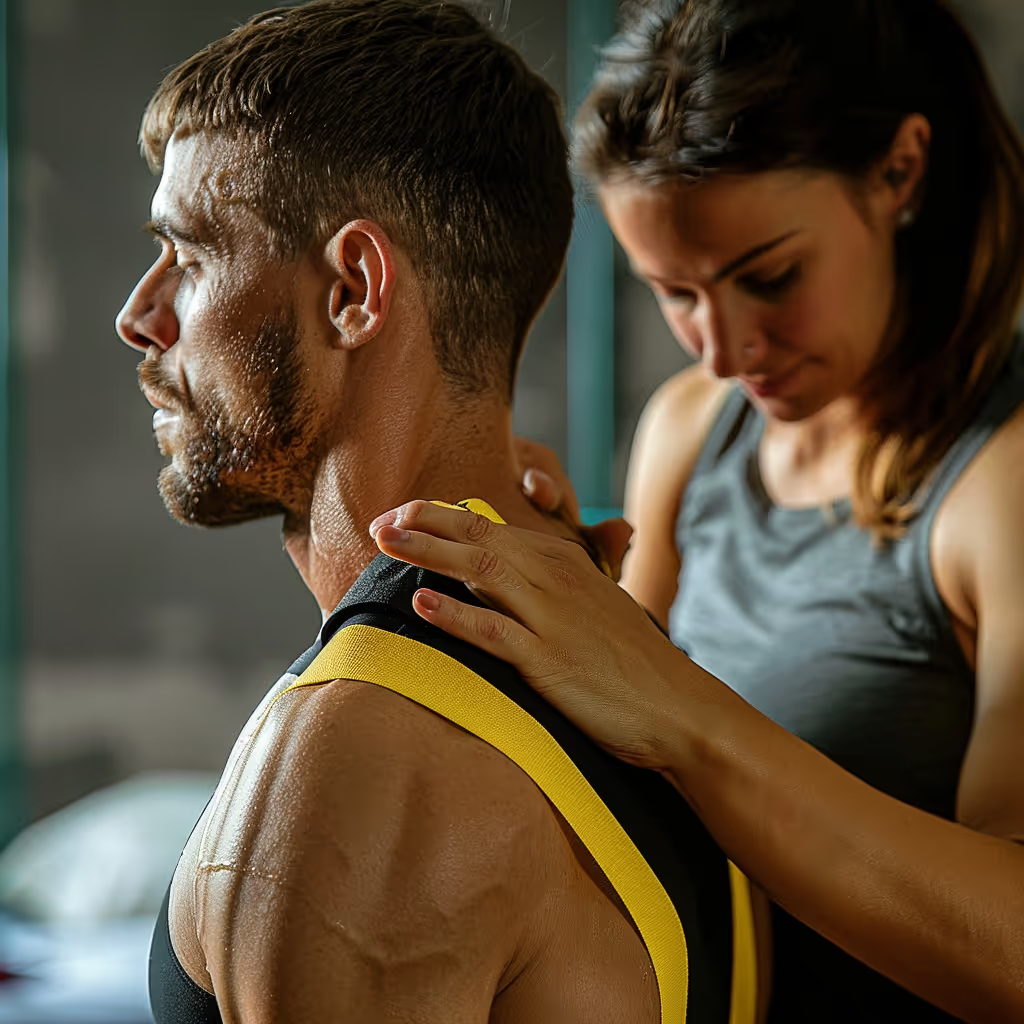

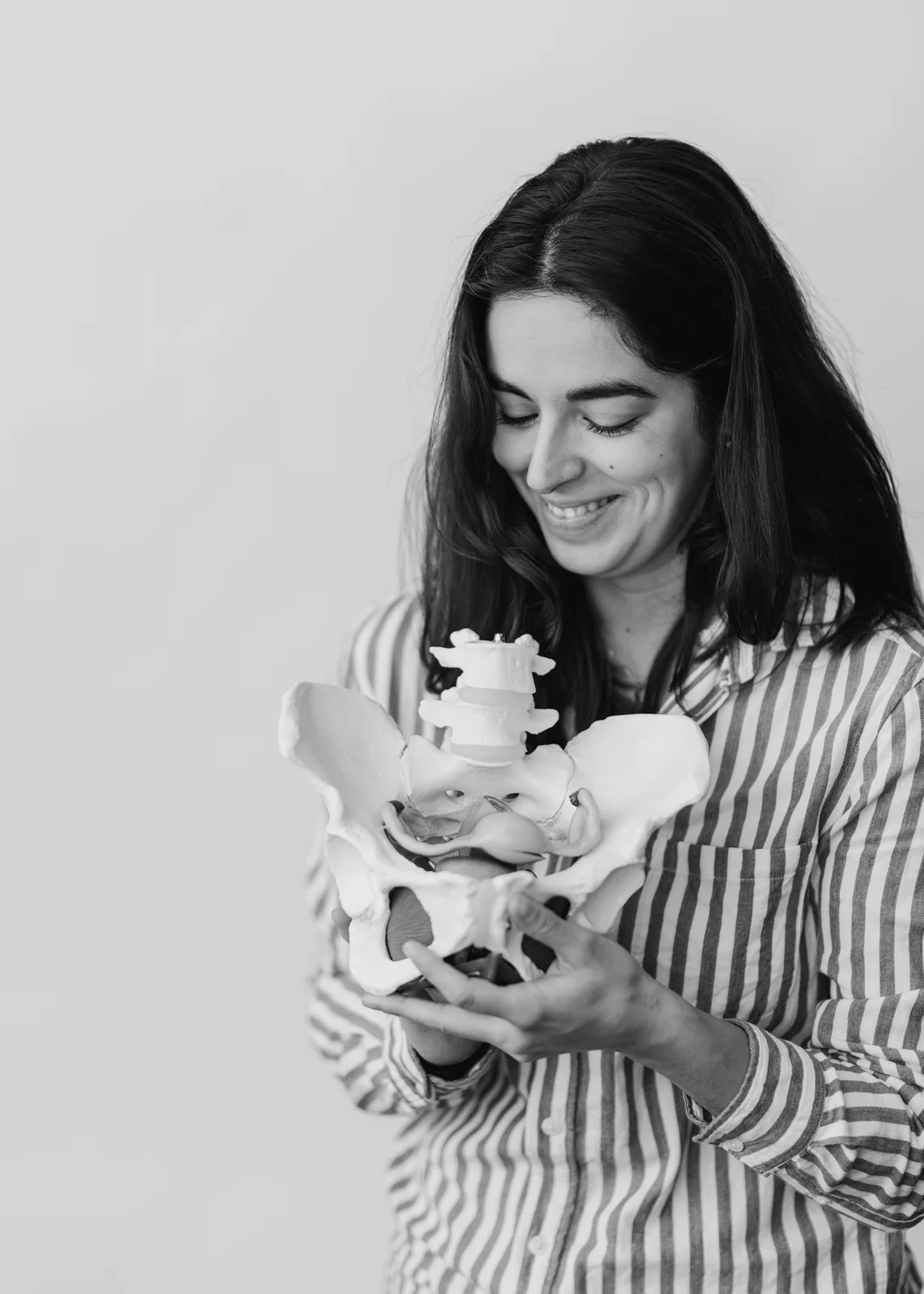
Manual Therapy in Physical Therapy: Techniques, Current Research, and FCAMPT Training
Manual therapy uses the hands to help reduce pain and improve movement. In physical therapy, it can be used in conjunction with exercises and advice. This article explains its techniques, research findings, and the advanced training program known as FCAMPT. The observed benefits do not prove that a joint has been “put back in place.”
What is manual therapy?
Manual therapy is a treatment in which the physical therapist uses their hands to work on the joints and the tissues surrounding them. The assessment focuses in particular on the muscles, the tendons that connect muscles to bones, the fascia that envelops and connects tissues, and the nerves located outside the brain and spinal cord. The spinal cord is a nerve cord within the spine that transmits messages between the brain and the body.
Manual therapy aims to relieve pain, facilitate movement, and support a return to daily activities. A temporary reduction in sensitivity may help some people move more comfortably. This explanation is just one of several possibilities: research has not identified a single mechanism that explains the clinical benefits.1 Relief, therefore, does not prove that a bone or tissue has been repaired by the hands.
Manual therapy is taught in university physical therapy programs in Quebec. Physical therapists can then pursue advanced training, including training that leads to the FCAMPT designation. This designation indicates that the holder is a certified member of the Canadian Academy of Manual and Musculoskeletal Physiotherapists, a Canadian organization of physical therapists. Manual therapy techniques also require a training certificate from the Ordre professionnel de la physiothérapie du Québec. This certificate is separate from the FCAMPT designation.
10 Quick Tips to Understand Your Pain
One tip a day for 10 days to help you better understand your pain. About a 2-minute read.
Types of Manual Therapy
Joint mobilization: The physical therapist moves a joint in a controlled manner to help reduce stiffness and facilitate movement. The intensity varies—from very gentle movements to more vigorous ones—depending on your tolerance.
Spinal manipulations: The physical therapist applies a rapid, low-amplitude movement to the spine. A cracking sound may occur. In an imaging study of finger joints, this sound accompanies the formation of a cavity in the fluid that lubricates the joint—a phenomenon called cavitation.2 For spinal manipulations, studies do not show greater pain relief when a cracking sound occurs.3
Soft-tissue mobilization: The physical therapist applies pressure or movement to the muscles and the surrounding tissues to help relieve pain and facilitate movement. This category may include massage. It does not assume that fascia needs to be “released”; the differences are explained below.
Neural mobilization: Specific movements are used to shift nerves relative to surrounding tissues. A review found improvements in pain and functional ability among people with lower back pain related to a nerve, though the included studies were highly varied and had limitations in terms of quality.4 Another review, conducted primarily among people with a compressed nerve in the wrist, observed changes in certain measures of nerve signal transmission. These measures alone do not demonstrate relief from all types of pain that radiate into a limb.5
Neuromuscular techniques: The physical therapist has you contract and then relax certain muscles, or coordinate multiple contractions. These exercises are used to improve movement control and flexibility, without imposing a single explanation for their effects.
How does manual therapy work?
Manual therapy can alter pain sensitivity and certain movements through responses in the tissues and the nervous system. Physical contact, expectations, and the relationship with the therapist may also contribute to the experience. The exact role each mechanism plays in a person’s improvement remains unclear.
Responses of the Nervous System
Touch and movement stimulate sensors in the skin, muscles, and tissues surrounding the joints. These sensors transmit information to the nervous system. Several mechanisms may then influence pain:
Gate control is a theory proposed by Melzack and Wall. Messages related to touch and movement may modify, within the spinal cord, the transmission of messages arising from stimuli that can damage tissue. Rubbing a painful area illustrates the relief that touch can provide. This theory is not sufficient to explain all the effects of manual therapy.6
Descending modulation refers to the brain’s influence on the transmission of messages in the spinal cord. These pathways can either dampen or amplify pain. Manual therapy may influence some of these responses, particularly through substances produced by the body. Studies do not agree on the mechanisms involved. Some observe a temporary decrease in sensitivity; recent reviews find contradictory results and, above all, low-quality data.7, 8
Hypoalgesia refers to a reduction in pain caused by stimulation. After spinal manipulation, some studies have found that more pressure is required to trigger pain, even away from the treated area. This finding suggests that the nervous system is involved.9 A more recent review, however, did not find a consistent effect or one that was generally significant for the patient.10
Changes in Movement and Joint Function
Manual therapy does not provide evidence that vertebrae have been permanently realigned. Imaging studies show, in particular, an increase in the space between certain small joints of the spine—called facet joints—and, in some cases, a reduction in stiffness.11 A 2025 review also reports improvements in neck range of motion following certain manipulations of the neck or upper back. The link between these changes and the relief experienced remains poorly understood.12
Other studies examine blood flow in the skin following manual spinal treatment. The findings vary and often include constriction of small blood vessels, rather than a general increase in blood flow.13 The physical therapist may also perceive differences through touch, but the reliability of assessing spinal movements by hand remains a matter of debate.14
These measurements do not indicate a lasting change in tissue structure. Joint studies focus primarily on immediate changes.11 A tissue model shows that certain dense fascias are highly resistant to manual forces, whereas more flexible tissues can deform to a greater extent.15 The perceived improvement may therefore have several explanations; it does not confirm that a tissue has been “put back in place.”6
The Body's Automatic Responses
Manual therapy can also alter certain automatic responses, such as heart rate or skin temperature. These responses depend in particular on the autonomic nervous system. Results vary depending on the individual, the techniques used, and the measurements taken.16 Their exact role in relieving or increasing muscle tension remains unclear.
The science behind manual therapy: What do the studies really say?
Studies show that manual therapy can reduce pain and make it easier to perform daily activities for certain back, neck, and shoulder problems. The extent of the benefit depends on the condition being treated and the treatment it is being compared to.17 Reviews also examine sensitivity to painful stimuli following manual therapy alone. They find some immediate beneficial effects, with varying degrees of certainty; these tests do not measure full recovery.18
Lower back pain
For recent lower back pain, a review published in JAMA found modest improvements in pain and activity levels following manual therapy, with follow-up lasting up to six weeks.19 For persistent pain with no specific identified cause, a review published in the BMJ finds relief comparable to other recommended treatments and a small benefit in terms of short-term functional ability. Medium- and long-term comparisons generally follow a similar trend.20 These results do not prove that adding manual therapy to any exercise program provides additional long-term benefit. Exercise andpain education remain options in the care plan.
British, Canadian, and American guidelines recommend manual therapy as one of the non-pharmacological treatments for back pain. The British NICE guidelines recommend incorporating it into a program that includes exercises.21 Canadian guidelines on chiropractic care also recommend combining it with counseling and exercises.22 The U.S. guidelines from the American College of Physicians present it as one of several options, with different recommendations depending on the duration of the pain.23
Neck pain
For certain types of neck pain with no specific underlying condition identified, manual therapy can reduce pain and make it easier to perform daily activities. Several reviews support its use in combination with exercises, especially in the short term.24 Manipulations of the upper back may also help with neck pain and range of motion.25 There are not enough studies to quantify their relative risk compared to direct neck manipulations.
An effect may therefore occur away from the treated area.7, 25 The physical therapist may choose a nearby area based on your examination, your tolerance, and your preferences.6
For headaches of cervical origin—that is, headaches related to the neck—manual therapy can reduce their frequency, intensity, and the difficulties they cause in daily life.26 Another review found that manual therapy primarily offers a short-term benefit compared to sham treatment or no treatment. This benefit compared to sham treatment was not observed at the 12-month mark. Certain exercises also yield favorable long-term results, depending on the program with which they are compared.27
Rotator cuff and shoulder
The rotator cuff is a group of muscles and tendons that help support and move the shoulder. For pain related to these tendons, appropriate exercise is the first-line treatment. A Cochrane review found few significant differences between a manual exercise program and sham treatment in its most reliable trial.28 Another review found no clear benefit to adding manual therapy to exercises for pain during movement or activities.29 This does not allow us to attribute any improvement to exercise alone. The clinical guideline by Desmeules and colleagues, published in 2025, also lists manual therapy as an option for short-term relief, either alone or in combination with other treatments. Results vary depending on the techniques and comparisons. The comparison with certain surgical procedures is explained in the FAQ.
With frozen shoulder, also known as capsulitis, the shoulder becomes painful and stiff. Mobilization techniques and exercises may be part of the treatment.30 In this review, a cortisone injection yielded better results at seven weeks than a manual therapy program with exercises; the differences were no longer significant at six and twelve months. After an injection of fluid intended to increase the space within the joint, another trial compared the manual therapy program with exercises to a sham treatment. The program resulted in greater arm elevation and more people reporting improvement, though there was no clear benefit regarding pain. The movements were tailored to pain, stiffness, and the patient’s progress.
Limitations of the current research
A decrease in sensitivity after treatment does not prove a lasting improvement in daily activities. Reviews of these sensory tests yield mixed results: some find a benefit, while others emphasize their lack of consistency.8, 18 Follow-up should therefore also focus on what you are able to do in your daily life. Exercises, advice, and lifestyle changes can be part of the plan, depending on your needs.
For people with lower back pain, expectations about recovery and how they perceive changes in their health are associated with certain outcomes, including a return to work.31, 32, 33 An association does not mean that your thoughts cause the pain or that a positive outlook guarantees recovery.
Studies use different techniques, session schedules, and comparison treatments. It is also difficult to create a credible sham treatment—sometimes called a placebo—because participants may recognize the procedure they are receiving. These differences limit the certainty of the comparisons. They do not negate the benefits observed in well-conducted studies.
The benefit of a technique depends on what it is compared to. A review found that soft-tissue techniques offer an advantage in terms of pain relief when compared to simulated maneuvers, but the results were less clear for manual manipulations.34 Another review focusing on the back and neck found a difference in pain that was too small to be clinically meaningful to the patient, with highly uncertain data.35 The individual response, treatment goals, and other care considerations therefore guide the decision to continue or modify treatment.
For lower back pain with no specific identified cause, targeting a particular vertebra does not yield better results than non-targeted treatment.36 The guidelines that attempt to predict in advance who will respond best remain limited.37 The examination and discussions with you are used to select an approach and to reassess its effectiveness.6
What does the FCAMPT manual therapy training program offer in Canada?
The program leading to the FCAMPT certification focuses on assessment, manual techniques, and evidence-based treatment selection. It allows physical therapists to further their education after college. The certification attests to this course of study; it does not guarantee better outcomes for every patient.
What is FCAMPT Certification?
FCAMPT stands for “Fellow of the Canadian Academy of Manual and Musculoskeletal Physiotherapists.” This title is reserved for CAMPT-certified members. The Canadian organization is part of IFOMPT, an international federation that sets standards for training and practice in manual care of muscles and joints.
Several recognized Canadian pathways lead to the FCAMPT designation. They combine theory, practice, clinical supervision by experienced professionals, and evaluations. Exams may include written questions, case studies, and practical demonstrations. The duration and structure vary depending on the program and the training already completed. The CAMPT program directory describes these pathways.
Why this matters to you as a patient
Clinical reasoning involves comparing possible explanations for a problem, recognizing signs that warrant medical consultation, and selecting appropriate care. Advanced training focuses on developing these skills. A small study in Kenya found that physical therapists who had completed a training program performed better on a practical exam, but it did not measure patients’ health outcomes.38 A review of educational interventions also observed learning gains, though with limitations in quality.39 These studies do not demonstrate clinical superiority specific to the FCAMPT designation.
For your follow-up care, these skills serve three purposes: to better define the problem, to prioritize treatment, and to decide when to use hands-on techniques or another approach. The physical therapist should then check in with you to see if the treatment plan is actually improving your pain and your ability to perform daily activities.
The FCAMPT Approach at Physioactif
Some members of Physioactif hold the FCAMPT designation, including Ariel Desjardins-Charbonneau and Sylvain St-Amour. They are also involved in university teaching and continuing education. Our approach combines assessment, appropriate manual techniques, an exercise program, and explanations tailored to your goals.
Follow-up care takes into account both research findings and your response to treatment. You can ask why a particular treatment is being recommended, what benefits are expected, and what other options are available.
What is manual soft-tissue therapy?
Manual soft-tissue therapy applies pressure and movement to muscles and the surrounding tissues. These tissues include tendons, fascia, ligaments that connect bones, nerves, and skin. The term “massage” can refer to some of these techniques. The terms “myofascial release” and “myofascial release therapy” provide an explanation focused on the fascia. The name of the technique alone is not enough to understand its effect or its role in your treatment.
What types of structures are we working on?
Manual soft tissue therapy can target several structures, each with its own specific characteristics:
Muscles: Techniques can target sensitive areas and focus on the ease with which a muscle can be stretched or contracted. A very sensitive area is sometimes called a trigger point. Some researchers dispute the idea that it is a “knot” that causes pain.40 Others describe local changes, such as increased acidity or stiffness, as well as changes in how the nervous system processes sensory signals.41 Their exact role remains a matter of debate; touch alone is not enough to settle the debate between these explanations.
Fascia: These layers connect and surround tissues. Their properties vary depending on the region. One model distinguishes between dense fascia—which are difficult to deform with the forces studied—and more flexible fascia.15 Fascial manipulation is a research topic distinct from other manual techniques.42 At Physioactif, treatment is not based on the idea of “releasing” a fascia.
Peripheral nerves: So-called “neurodynamic” movements alter the position of the nerves relative to surrounding tissues. The physical therapist adapts the technique to the affected area and the symptoms; he or she does not seek to vigorously stretch a painful nerve.
What conclusions can we draw about tissue deformation?
A mechanical model tests how different types of fascia respond to a force applied for twenty seconds. The dense fascia of the thigh and the sole of the foot require very large forces to deform, unlike the more flexible fascia of the nose.15 This model does not allow us to determine a specific treatment duration or to assert that all structures in the body react in the same way.
The research describes several possible responses to manual therapy, including changes in sensitivity.1 Studies of the spinal joints also show small, immediate changes, such as an increase in the space between the facet joints. They do not establish that this change alone explains the relief.11
How can nervous system responses contribute to relief?
The neural mechanisms described above may contribute to pain relief, but the exact extent of their role remains unclear.1 A review of a single session of spinal mobilization primarily reports short-term changes. However, it excludes massage and other soft-tissue therapies; its findings are not directly applicable to them.43 More recent reviews of sensitivity tests also find conflicting results.8 The benefit to you is therefore judged based on pain and daily activities, not just on a measurement taken immediately after the session.
The model proposed by Bialosky describes several of the body’s responses to touch and movement, without demonstrating that extreme pressure is necessary to treat a sensitive area.6 The physical therapist adjusts the force and duration based on your tolerance. Exercises can complement the treatment; their effectiveness does not depend on doing them immediately after the hands-on treatment.
How can you tell the difference between massage and myofascial release?
Massage refers to a technique applied to the tissues. Myofascial release refers to a group of approaches focused on the fascia. These terms are therefore not interchangeable.
Myofascial release primarily uses slow, sustained pressure based on the assumption that tight fascia needs to be released. Mechanical models do not demonstrate that such a lasting change occurs in the patient.15 The protocols grouped under this name vary across studies.44 We do not use this explanation or this approach as the basis for treatment at Physioactif.
Soft tissue mobilization in physical therapy may combine manual techniques with your own movements, or be incorporated into a treatment plan that includes exercises. Neurological mechanisms may be involved, though they are not the only recognized explanation. The choice of technique depends on the problem and your response, not on the idea that pressure alone would have put the tissues back in place.
Getting a massage without exercising during that same session doesn’t automatically mean it’s myofascial release. To understand the treatment plan, ask what technique is being used, what the desired outcome is, and what activities you can do between sessions.
Our article on myofascial release explains this family of techniques and the role we assign to it in our approach.
What conditions can be treated with manual therapy?
Manual therapy can help with certain painful conditions affecting the back, neck, shoulders, and limbs. The physical therapist will determine whether this option is appropriate for your situation and the activities you wish to resume. The most useful information varies depending on the specific condition.
10 Quick Tips to Understand Your Pain
One tip a day for 10 days to help you better understand your pain. About a 2-minute read.
Back and neck pain
For certain back problems and neck pain, manual therapy can help relieve symptoms and enable a return to normal activities.20, 24 Exercises and guidance may be provided as part of this treatment. The upper back may also be examined if it is stiff or if its movement affects neck pain.
A recent condition known as a lumbar sprain also requires evaluation. Mobilization may be considered depending on the pain and range of motion. However, studies on recent back pain do not prove that a specific ligament injury responds particularly well to treatment, nor that early mobilization guarantees a better outcome.
Shoulder Problems
For rotator cuff-related shoulder pain, progressive exercise remains key. A review found no clear benefit to adding manual therapy to exercise.29The 2025 guideline by Desmeules and colleagues retains this option for short-term relief. Shoulder tendinopathy—that is, pain and difficulties related to a tendon—is distinct from frozen shoulder. For frozen shoulder, results depend on the treatment against which the manual therapy and exercise program are compared; some gains in range of motion are observed.30
Other Body Regions
A physical therapist can examine the knee, hip, foot, elbow, wrist, andTMJ(temporomandibular joint). A review of limb injuries found, in particular, short-term benefits in functional activities following certain ankle sprains when mobilization techniques were combined with exercises and guidance. It contains few reliable studies on other injuries.45 Neck-related headaches have their own findings, described above. In asymptomatic athletes, most studies show no improvement in performance following spinal manipulation; a few immediate changes remain difficult to interpret.46
To review the possible mechanisms
The section "How Does Manual Therapy Work? " explains the nervous system's responses, the joint changes observed, and their limitations. You can refer back to it to prepare your questions for the physical therapist.
What happens during a manual therapy session?
A manual therapy session includes an assessment of your needs, techniques chosen in consultation with you, and advice regarding your activities. At subsequent visits, the physical therapist monitors your progress and adjusts the treatment plan. Manual therapy may be postponed if the assessment indicates that another treatment is more appropriate.
Initial Assessment
During your first visit, the physical therapist will ask you about your symptoms, your health, your previous treatments, and your goals. He or she will observe your posture and movements. The therapist will use appropriate tests and hands-on examination to identify difficult movements, tender areas, and possible causes.
The evaluation helps determine the appropriate treatment and identify situations in which certain techniques should be avoided. The physical therapist also looks for signs that indicate the need for medical advice, which may be urgent in some cases. An examination cannot eliminate all risks.
Applying the Techniques
The physical therapist may start with gentle movements and then adjust their range and intensity based on your response.
Spinal manipulation is recommended only after discussing its benefits, risks, and other options. You may refuse it. In Quebec, neck manipulation requires your written consent and a certificate of appropriate training from the physical therapist.
For soft tissues, the physical therapist may apply pressure or guide movement, with or without your active participation during the procedure. The duration depends on the goal and your response.
You may feel pressure, a stretching sensation, or mild discomfort. If you experience sharp or severe pain, please let the physical therapist know immediately so they can adjust or stop the movement.
Exercises and Advice
The treatment plan also includes exercises and advice tailored to your activities. The physical therapist explains what you can do between visits and why. The content of each session varies depending on your needs and tolerance.
Frequency and duration
There is no set number of sessions that works for everyone. The duration of the problem, its severity, the difficulties you experience in your daily activities, and your response to treatment all guide the course of care. New pain may resolve quickly, while persistent pain may require longer-term care. This does not automatically mean you need more manual therapy. The treatment plan is reassessed to help you manage your condition independently.
FAQ on Manual Therapy
Frequently asked questions about manual therapy include pain during treatment, risks, duration of effects, FCAMPT training, research findings, surgery, professions, insurance, and scheduling appointments.
Does manual therapy hurt?
Some tolerable discomfort may occur during certain techniques. Any sharp or severe pain should be reported immediately so that the procedure can be adjusted or stopped. Temporary muscle tenderness may also occur after a session. In a study conducted after spinal manipulations, most unpleasant reactions had resolved within twenty-four hours. Read the study on reactions following manipulation. If the pain increases, persists, or is accompanied by a new symptom, contact a healthcare professional; the urgent signs listed below require immediate attention.
Are manipulations (cracking) dangerous?
Manipulations of the spine carry risks, even when performed after an evaluation. A cracking sound does not prove that a bone has been realigned. Serious complications have been reported, including stroke following certain neck manipulations. Their exact frequency remains difficult to determine.47 In certain situations, manipulation should be avoided, such as in cases of a recent fracture, bones weakened by osteoporosis, certain diseases that cause joint inflammation, or certain blood vessel diseases. The technique and the body region involved are important factors in this decision. Read the precautions for neck manipulations.
Call 911 if you suspect a stroke, especially if you experience sudden weakness in the face or on one side of the body, sudden difficulty speaking, or loss of vision. Confusion, loss of balance, or a sudden, severe headache can also be signs. Seek help even if the symptoms go away, and do not drive yourself. Recognize the signs of a stroke.
How long do the effects last?
The duration of the effects varies depending on the technique, the condition being treated, and the outcome being measured. In a review of ten studies on a single spinal mobilization, eight studies involved individuals without pain. The studies primarily measured skin responses for five minutes or less. One small trial still found relief at the 24-hour mark.43 Reviews of sensitivity tests following isolated treatment primarily describe immediate or short-term effects.18 These results do not determine the duration of your relief or the progress you will make after a complete program.
What, specifically, changes when a physical therapist is FCAMPT-certified?
The FCAMPT designation certifies advanced training in assessment and the selection of interventions. These skills can be useful for examining a complex problem or reevaluating a plan that has not been effective. The designation alone does not guarantee a more accurate diagnosis or a better outcome for you.
Do research reviews agree on effectiveness?
Not all research reviews reach the same conclusion. For lower back and neck pain, several reviews find benefits in terms of pain relief and functional ability, often in the short term.20, 24 For shoulder pain, one review finds no clear benefit to adding manual therapy to exercise.29 However , the 2025 guideline by Desmeules and colleagues suggests that manual therapy may provide short-term relief. The participants, techniques, and treatments compared vary. The conclusion must therefore be considered in the context of the specific problem and outcome being studied.
Can manual therapy replace surgery?
A physical therapy program may be an alternative to certain surgeries, but manual therapy alone is not a general substitute for them. For certain types of pain beneath the bony peak of the shoulder, adding surgery that widens the space beneath that bony peak to physical therapy does not provide a significant benefit in terms of pain relief or functional ability. This comparison does not apply to all tendon repairs.48 For lumbar disc herniations, in which part of a disc—a cushion between two vertebrae—protrudes, a low-quality review found that surgery offers benefits on certain measures of pain and functional outcomes.49 For spinal stenosis—a narrowing of the nerve passageway in the spine—comparisons with non-surgical care remain too uncertain to draw a definitive conclusion overall.50 A severe tendon rupture, a displaced fracture, or an advanced spinal condition may require a surgical evaluation. The decision depends on the injury or condition observed and the symptoms; not all of these situations automatically require surgery.
What is the difference between manual therapy in physical therapy and chiropractic care?
Physical therapy and chiropractic are two distinct professions that may use some similar manual techniques. Chiropractors may also recommend exercises and offer advice, as outlined in their Canadian guidelines on back pain. Physical therapy involves university-level training and a variety of assessment and treatment methods. To compare the care options available, ask each professional about their goals, methods, and the role they assign to the activities you do on your own.
Does my insurance cover manual therapy?
Your insurance may cover manual therapy if it is included in the physical therapy services covered by your policy. Check the eligible services, the number of sessions, the reimbursement amounts, and whether a doctor’s prescription is required. The OPPQ explains the rules for access and reimbursement.
How often should I receive treatments?
The frequency depends on your needs and your progress. Frequent visits may sometimes be helpful at first, and then the intervals between visits can be lengthened. Persistent pain alone does not warrant intensive treatment or long-term manual therapy. The physical therapist will work with you to reassess the value of your visits and the role of the exercises you do on your own.
Do I need to do anything special to prepare?
Wear comfortable clothing that allows the affected area to be examined. Avoid applying thick lotions to that area on the day of your appointment, unless they are part of a prescribed treatment you need to continue. Bring any recent imaging results you have, as well as a list of your medications. The clinic will let you know if there are any other preparations you need to make.
An evaluation by a physical therapist trained in manual therapy?
Several members of our team are FCAMPT-certified and combine manual therapy, exercise, and education into a structured treatment plan.
Make an appointmentReferences
Links open in a new tab.
- Keter DL, Bialosky JE, Brochetti K, Courtney CA, Funabashi M, Karas S, et al. The mechanisms of manual therapy: A living review of systematic, narrative, and scoping reviews. PLoS One. 2025;20(3):e0319586. (Back to sections: 1, 2, 3)
- Kawchuk GN, Fryer J, Jaremko JL, Zeng H, Rowe L, Thompson R. Real-time visualization of joint cavitation. PLoS One. 2015;10(4):e0119470. (Back to section: 1)
- Moorman AC, Newell D. Impact of audible pops associated with spinal manipulation on perceived pain: a systematic review. Chiropr Man Therap. 2022;30(1):42. (Back to section: 1)
- Lin LH, Lin TY, Chang KV, Wu WT, Özçakar L. Neural Mobilization for Reducing Pain and Disability in Patients with Lumbar Radiculopathy: A Systematic Review and Meta-Analysis. Life (Basel). 2023;13(12). (Back to section: 1)
- Bittencourt JV, Corrêa LA, Pagnez MAM, do Rio JPM, Telles GF, Mathieson S, et al. Effects of neural mobilization on nerve function and nerve structure in patients with peripheral neuropathic pain: A systematic review with meta-analysis. PLoS One. 2024;19(11):e0313025. (Back to section: 1)
- Bialosky JE, Bishop MD, Price DD, Robinson ME, George SZ. The mechanisms of manual therapy in the treatment of musculoskeletal pain: a comprehensive model. Man Ther. 2009;14(5):531-8. (Back to sections: 1, 2, 3, 4, 5)
- Lascurain-Aguirrebeña I, Newham D, Critchley DJ. Mechanism of Action of Spinal Mobilizations: A Systematic Review. Spine (Phila Pa 1976). 2016;41(2):159-72. (Back to sections: 1, 2)
- Rodgers LJ, Bialosky JE, Minick SA, Coronado RA. An overview of systematic reviews examining the hypoalgesic effects of manual therapy for musculoskeletal pain, as measured by quantitative sensory testing. J Man Manip Ther. 2024;32(1):67-84. (Back to sections: 1, 2, 3)
- Coronado RA, Gay CW, Bialosky JE, Carnaby GD, Bishop MD, George SZ. Changes in pain sensitivity following spinal manipulation: a systematic review and meta-analysis. J Electromyogr Kinesiol. 2012;22(5):752-67. (Back to section: 1)
- Jung A, Adamczyk WM, Ahmed A, van der Schalk L, Poesl M, Luedtke K, et al. No Sufficient Evidence for an Immediate Hypoalgesic Effect of Spinal Manual Therapy on Pressure Pain Thresholds in Asymptomatic and Chronic Pain Populations: A Systematic Review and Meta-Analysis. Phys Ther. 2023;103(3). (Back to section: 1)
- Young KJ, Leboeuf-Yde C, Gorrell L, Bergström C, Evans DW, Axén I, et al. Mechanisms of manipulation: a systematic review of the literature on immediate anatomical, structural, or positional changes in response to manually delivered high-velocity, low-amplitude spinal manipulation. Chiropr Man Therap. 2024;32(1):28. (Back to sections: 1, 2, 3)
- Langenfeld A, Baechler M, Swanenburg J, Mühlemann M, Nyirö L, Streuli D, et al. Systematic review of the biomechanical effects of high-velocity, low-amplitude spinal manipulation. PLoS One. 2025;20(7):e0328048. (Back to section: 1)
- Zegarra-Parodi R, Park PY, Heath DM, Makin IR, Degenhardt BF, Roustit M. Assessment of skin blood flow following spinal manual therapy: a systematic review. Man Ther. 2015;20(2):228-49. (Back to section: 1)
- Nyberg RE, Russell Smith A. The science of spinal motion palpation: a review and update with implications for assessment and intervention. J Man Manip Ther. 2013;21(3):160-7. (Back to section: 1)
- Chaudhry H, Schleip R, Ji Z, Bukiet B, Maney M, Findley T. A three-dimensional mathematical model for the deformation of human fasciae in manual therapy. J Am Osteopath Assoc. 2008;108(8):379-90. (Back to sections: 1, 2, 3, 4)
- Jupin C, Beltran Aibar V, Sarhan FR. Short-Term Effects of Spinal Manual Therapy on the Nervous System in the Management of Musculoskeletal Pain: A Systematic Review. J Clin Med. 2025;14(11). (Back to section: 1)
- Clar C, Tsertsvadze A, Court R, Hundt GL, Clarke A, Sutcliffe P. Clinical effectiveness of manual therapy for the management of musculoskeletal and non-musculoskeletal conditions: systematic review and update of the UK evidence report. Chiropr Man Therap. 2014;22(1):12. (Back to section: 1)
- Martínez-Pozas O, Sánchez-Romero EA, Beltran-Alacreu H, Arribas-Romano A, Cuenca-Martínez F, Villafañe JH, et al. Effects of Orthopedic Manual Therapy on Pain Sensitization in Patients With Chronic Musculoskeletal Pain: An Umbrella Review With Meta-Meta-analysis. Am J Phys Med Rehabil. 2023;102(10):879-885. (Back to sections: 1, 2, 3)
- Paige NM, Miake-Lye IM, Booth MS, Beroes JM, Mardian AS, Dougherty P, et al. Association of Spinal Manipulative Therapy With Clinical Benefit and Harm for Acute Low Back Pain: Systematic Review and Meta-analysis. JAMA. 2017;317(14):1451-1460. (Back to section: 1)
- Rubinstein SM, de Zoete A, van Middelkoop M, Assendelft WJJ, de Boer MR, van Tulder MW. Benefits and harms of spinal manipulative therapy for the treatment of chronic low back pain: systematic review and meta-analysis of randomized controlled trials. BMJ. 2019;364:l689. (Back to sections: 1, 2, 3)
- Low Back Pain and Sciatica in People Over 16: Assessment and Management. Low Back Pain and Sciatica in People Over 16: Assessment and Management. 2016. (Back to section: 1)
- Bussières AE, Stewart G, Al-Zoubi F, Decina P, Descarreaux M, Haskett D, et al. Spinal Manipulative Therapy and Other Conservative Treatments for Low Back Pain: A Guideline From the Canadian Chiropractic Guideline Initiative. J Manipulative Physiol Ther. 2018;41(4):265-293. (Back to section: 1)
- Qaseem A, Wilt TJ, McLean RM, Forciea MA, Clinical Guidelines Committee of the American College of Physicians, Denberg TD, et al. Noninvasive Treatments for Acute, Subacute, and Chronic Low Back Pain: A Clinical Practice Guideline From the American College of Physicians. Ann Intern Med. 2017;166(7):514-530. (Back to section: 1)
- Reynolds B, McDevitt A, Kelly J, Mintken P, Clewley D. Manual physical therapy for neck disorders: an umbrella review. J Man Manip Ther. 2025;33(1):18-35. (Back to sections: 1, 2, 3)
- Yang J, Zhao S, Zhang R, Huang C, Huang KY, Cheng Y, et al. Effectiveness and safety of thoracic manipulation in the treatment of neck pain: An updated systematic review and meta-analysis. Technol Health Care. 2024;32(S1):385-402. (Back to sections: 1, 2)
- Bini P, Hohenschurz-Schmidt D, Masullo V, Pitt D, Draper-Rodi J. The effectiveness of manual and exercise therapy on headache intensity and frequency among patients with cervicogenic headache: a systematic review and meta-analysis. Chiropr Man Therap. 2022;30(1):49. (Back to section: 1)
- Demont A, Lafrance S, Gaska C, Kechichian A, Bourmaud A, Desmeules F. Efficacy of physical therapy interventions for the management of adults with cervicogenic headache: A systematic review and meta-analyses. PM R. 2023;15(5):613-628. (Back to section: 1)
- Page MJ, Green S, McBain B, Surace SJ, Deitch J, Lyttle N, et al. Manual therapy and exercise for rotator cuff disease. Cochrane Database Syst Rev. 2016;2016(6):CD012224. (Back to section: 1)
- Paraskevopoulos E, Plakoutsis G, Chronopoulos E, Maria P. Effectiveness of a Combined Program of Manual Therapy and Exercise Versus Exercise Alone in Patients With Rotator Cuff-Related Shoulder Pain: A Systematic Review and Meta-analysis. Sports Health. 2023;15(5):727-735. (Back to sections: 1, 2, 3)
- Page MJ, Green S, Kramer S, Johnston RV, McBain B, Chau M, et al. Manual therapy and exercise for adhesive capsulitis (frozen shoulder). Cochrane Database Syst Rev. 2014;2014(8):CD011275. (Back to sections: 1, 2)
- Hayden JA, Wilson MN, Riley RD, Iles R, Pincus T, Ogilvie R. Individual recovery expectations and prognosis of outcomes in nonspecific low back pain: a review of prognostic factors. Cochrane Database Syst Rev. 2019;2019(11). (Back to section: 1)
- Otero-Ketterer E, Peñacoba-Puente C, Ferreira Pinheiro-Araujo C, Valera-Calero JA, Ortega-Santiago R. Biopsychosocial Factors for Chronicity in Individuals with Nonspecific Low Back Pain: An Umbrella Review. Int J Environ Res Public Health. 2022;19(16). (Back to section: 1)
- Schultz IZ, Crook J, Meloche GR, Berkowitz J, Milner R, Zuberbier OA, et al. Psychosocial factors predictive of occupational low back disability: toward the development of a return-to-work model. Pain. 2004;107(1-2):77-85. (Back to section: 1)
- Molina-Álvarez M, Arribas-Romano A, Rodríguez-Rivera C, García MM, Fernández-Carnero J, Armijo-Olivo S, et al. The Effect of Manual Therapy in Placebo-Controlled Trials: A Systematic Review and Meta-Analysis. Int J Environ Res Public Health. 2022;19(21). (Back to section: 1)
- Lavazza C, Galli M, Abenavoli A, Maggiani A. Sham treatment effects in manual therapy trials involving patients with back pain: a systematic review and pairwise meta-analysis. BMJ Open. 2021;11(5):e045106. (Back to section: 1)
- Sørensen PW, Nim CG, Poulsen E, Juhl CB. Spinal Manipulative Therapy for Nonspecific Low Back Pain: Does Targeting a Specific Vertebral Level Make a Difference?: A Systematic Review With Meta-analysis. J Orthop Sports Phys Ther. 2023;53(9):529–539. (Back to section: 1)
- May S, Rosedale R. Prescriptive clinical prediction rules in back pain research: a systematic review. J Man Manip Ther. 2009;17(1):36-45. (Back to section: 1)
- Cunningham S, McFelea J. The Influence of an Orthopedic Manual Therapy Residency Program on Improved Knowledge, Psychomotor Skills, and Clinical Reasoning in Nairobi, Kenya. Front Public Health. 2017;5:55. (Back to section: 1)
- Fu W, Baldwin TF, Brechter JH, Erickson MR, Kobal K, LaFay V, et al. Effects of Educational Interventions Designed to Develop Physical Therapist Students' Clinical Reasoning: A Systematic Review. Phys Ther. 2025;105(3). (Back to section: 1)
- Quintner JL, Bove GM, Cohen ML. A critical evaluation of the trigger point phenomenon. Rheumatology (Oxford). 2015;54(3):392-9. (Back to section: 1)
- Lluch E, Nijs J, De Kooning M, Van Dyck D, Vanderstraeten R, Struyf F, et al. Prevalence, Incidence, Localization, and Pathophysiology of Myofascial Trigger Points in Patients With Spinal Pain: A Systematic Literature Review. J Manipulative Physiol Ther. 2015;38(8):587-600. (Back to section: 1)
- Trybulski R, Olaniszyn G, Smoter M, Clemente FM, Vovkanych A, Kużdzał A. The effects of fascial manipulation on pain: a systematic review with meta-analysis. J Man Manip Ther. 2026;34(1):4-15. (Back to section: 1)
- Hegedus EJ, Goode A, Butler RJ, Slaven E. The neurophysiological effects of a single session of spinal joint mobilization: does the effect last? J Man Manip Ther. 2011;19(3):143-51. (Back to sections: 1, 2)
- Webb TR, Rajendran D. Myofascial techniques: What are their effects on joint range of motion and pain? — A systematic review and meta-analysis of randomized controlled trials. J Bodyw Mov Ther. 2016;20(3):682-99. (Back to section: 1)
- Southerst D, Yu H, Randhawa K, Côté P, D'Angelo K, Shearer HM, et al. The effectiveness of manual therapy for the management of musculoskeletal disorders of the upper and lower extremities: a systematic review by the Ontario Protocol for Traffic Injury Management (OPTIMa) Collaboration. Chiropr Man Therap. 2015;23:30. (Back to section: 1)
- Corso M, Mior SA, Batley S, Tuff T, da Silva-Oolup S, Howitt S, et al. The effects of spinal manipulation on performance-related outcomes in a healthy, asymptomatic adult population: a systematic review of the best evidence. Chiropr Man Therap. 2019;27:25. (Back to section: 1)
- Carlesso LC, Gross AR, Santaguida PL, Burnie S, Voth S, Sadi J. Adverse events associated with the use of cervical manipulation and mobilization for the treatment of neck pain in adults: a systematic review. Man Ther. 2010;15(5):434-44. (Back to section: 1)
- Nazari G, MacDermid JC, Bryant D, Athwal GS. The effectiveness of surgical versus conservative interventions on pain and function in patients with shoulder impingement syndrome. A systematic review and meta-analysis. PLoS One. 2019;14(5):e0216961. (Back to section: 1)
- Chen BL, Guo JB, Zhang HW, Zhang YJ, Zhu Y, Zhang J, et al. Surgical versus non-surgical treatment for lumbar disc herniation: a systematic review and meta-analysis. Clin Rehabil. 2018;32(2):146-160. (Back to section: 1)
- Zaina F, Tomkins-Lane C, Carragee E, Negrini S. Surgical versus non-surgical treatment for lumbar spinal stenosis. Cochrane Database Syst Rev. 2016;2016(1):CD010264. (Back to section: 1)
Customer satisfaction is our top priority
At Physioactif, excellence guides everything we do, but our patients are the best ones to tell you about it. Take a look at their verified reviews to get a real sense of their experience.










Discover our physical therapy clinics
We have locations in several areas to better serve you.
Blainville
190 Bas-de-Sainte-Thérèse Road, Suite 110,
Blainville, Quebec
J7B 1A7
Located in Blainville, near Rosemère, the Physioactif clinic is easily accessible to residents of the area and the surrounding communities
Boucherville
690 Rue de Montbrun, Suite S,
Boucherville, Quebec
J4B 8H2
Located in Boucherville, the Physioactif clinic is easily accessible to people in the area
Laval
3224 Jean-Béraud Ave., Suite 220, Laval,
QC H7T 2S4
Located in Chomedey, in the heart of Laval, the Physioactif clinic is easily accessible to people in the area
Montreal
8801 Lajeunesse Street,
Montreal,
QC H2M 1R8
Located in Ahuntsic, near Villeray, the Physioactif clinic is easily accessible to residents of both neighborhoods
Saint-Eustache
180 25th Avenue, Suite
201 Saint-Eustache
QC J7P 2V2
Located in Saint-Eustache, the Physioactif clinic is easily accessible to residents of the area and the surrounding communities
Vaudreuil
21 Cité-des-Jeunes Boulevard, Suite 240,
Vaudreuil-Dorion, Quebec
J7V 0N3
Located in Vaudreuil-Dorion, the Physioactif clinic is easily accessible to people in the area
Make an appointment now