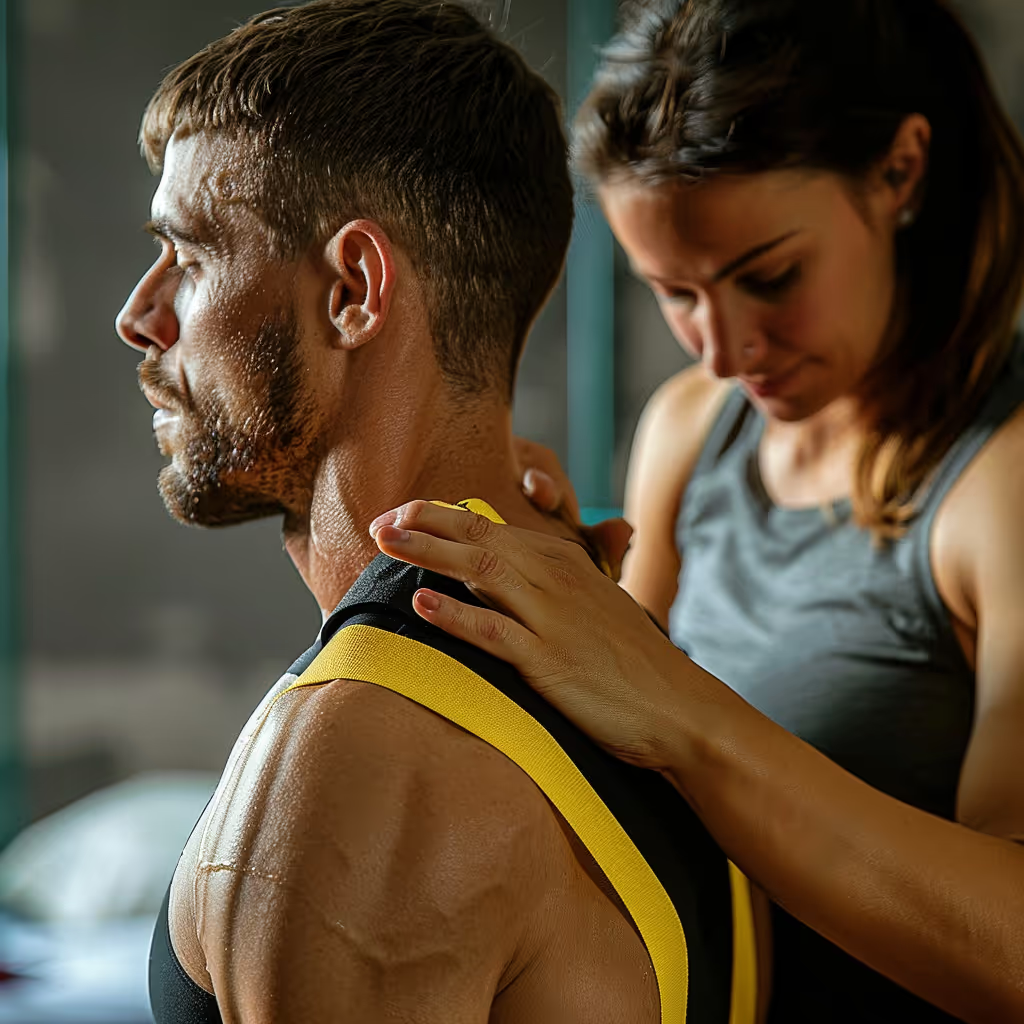


How does sports physical therapy treat athletes' injuries?
Sports physical therapy treats athletes’ injuries through progressive exercises, tailored care, and preparation for a return to sports. The physical therapist assesses your pain, strength, and the movements required for your sport. They then tailor the exercises to help you regain your abilities, reduce the risk of re-injury, and refine the movements specific to your sport.
At Physioactif, our physical therapists work with recreational and competitive athletes whose sports participation is limited by an injury. The plan combines assessment, a gradual return to activity, and scientifically-based guidelines for returning to play.
What is Sports Physiotherapy?
Sports physical therapy is a branch of physical therapy that supports individuals in their athletic pursuits, from injury prevention to a return to activity. Treatment takes into account the movements, exertion, and endurance required by each sport. It can also help athletes prepare for a competition or improve a physical ability that is limiting their performance.
Practicing sports physical therapy requires an understanding of athletic movements and the stresses they place on the body. In particular, the physical therapist evaluates running, jumping, and relevant changes in direction. When working on the field, the physical therapist must also be able to recognize a recent injury that requires medical attention and oversee the player’s return to play.
10 Quick Tips to Understand Your Pain
One tip a day for 10 days to help you better understand your pain. About a 2-minute read.
Treatment may combine manual therapy, exercises, and a return to sports activities. Manual therapy involves movements that the physical therapist guides with his or her hands to help a joint move. In a study of 20 people with persistent ankle instability, a single session improved certain mobility and balance tests compared to rest, though not all tests showed improvement1. Exercises build strength and coordination. Their difficulty increases depending on the injury and the individual’s response2. A meta-analysis of several reviews supports the use of exercises and manual therapy for pain, swelling, and ankle function following a sprain3. It also supports early resumption of movement. A systematic review compiles and evaluates studies on a specific topic. These findings pertain to the ankle; treatment choices should be based on the evidence specific to each injury.
What are the Most Common Sports Injuries?
Common sports injuries include ankle sprains, knee injuries, tendinopathies, and muscle injuries, with the distribution varying by sport. A sprain affects a ligament, a strong band that connects bones. A tendinopathy causes pain and difficulty using a tendon—the tissue that attaches a muscle to a bone. The evaluation takes into account the person’s training and situation. Among runners, a review of 36 studies following 23,047 people found varying links between injuries and the distance, duration, frequency, or intensity of training sessions4. These prospective studies track participants over time, rather than simply asking them to recall a past injury.
Running Injuries
When running, the body absorbs and redistributes forces with each stride. Common problems include iliotibial band syndrome, which causes pain on the side of the knee; plantar fasciitis, which causes pain under the heel; patellofemoral syndrome, which causes pain around or behind the kneecap; and stress fractures of the tibia, the main bone of the lower leg. A stress fracture is a crack in the bone caused by repeated stress. Plantar fasciitis affects the band of tissue under the foot. Studies describe several factors associated with running injuries, including a history of injury; however, these same factors do not account for all of theseproblems.⁵, ⁶ The physical therapist assesses training progression, footwear, and movement patterns without automatically viewing a particular characteristic as a flaw. A review of 36 studies found no consistent link with training parameters4. Another review, covering 82 studies, found little evidence of a consistent association between running movements and injuries7. These observations help tailor monitoring; they do not allow for the identification of a single cause for each runner.
Weaker quadriceps strength has been linked to the onset of pain around the kneecap in a review of prospective studies.8 The quadriceps are the muscles on the front of the thigh that straighten the knee. The review included seven studies. Among the measures combined using a common calculation—known as a meta-analysis—knee-extension strength was the only factor associated with the onset of symptoms. This calculation was based on two studies and does not constitute a test that predicts injury in an individual. Strength had been measured before symptoms appeared. Ankle and foot pain are also common in running: these two areas accounted for 24.4% of the injuries identified in the review of 36 studies4. This percentage reflects reported injuries, not clinic visits.
Hockey Injuries
Hockey involves rapid changes in direction, physical contact, and bursts of speed on the ice. Injuries include ankle sprains, contusions (injuries caused by a blow), and concussions. In a study of youth hockey involving 986 players aged 9 to 16, concussions and shoulder or knee injuries were among the most common9. The hip and groin—the crease between the lower abdomen and the thigh—can also be painful. The adductors, located on the inner thigh, pull the leg toward the center. The hip flexors lift the thigh forward. A study spanning six college seasons found 1.03 hip or groin injuries per 1,000 game or practice appearances among men, compared to 0.78 among women10. Muscle injuries were the most common diagnosis. They could occur without contact, during a collision, or due to repetitive strain; not all were overuse injuries.
Shoulder injuries include acromioclavicular sprains and instability of the main shoulder joint. The acromioclavicular joint connects the clavicle—the bone at the front of the upper chest—to the scapula, the flat bone behind the shoulder. The glenohumeral joint connects the upper end of the humerus to the scapula. Instability in this joint means that the shoulder can slip out of place or dislocate. A collision with the sideline is one possible mechanism, but not the only cause. Over ten U.S. college sports seasons, the acromioclavicular sprain was the most common upper-limb injury and the one most frequently resulting in significant time off11. It also ranked first among shoulder injuries in a study of high school players; more than half of the shoulder injuries in that study resulted from contact with the boards12. These findings describe the players included in these studies, not all levels of hockey.
Soccer Injuries
Soccer involves sprints, changes of direction, and shooting. Ankle sprains and muscle injuries are common; an anterior cruciate ligament tear is less common but can result in a long absence13. This ligament connects the tibia to the femur (thigh bone) at the center of the knee. In particular, it limits the tibia’s forward movement and contributes to stability during rotational movements. The hamstrings are the muscles at the back of the thigh. In a review of European professional players, the knee, thigh, and ankle were identified as the areas most responsible for causing many days of absence14. Anterior cruciate ligament tears, hamstring injuries, and ankle sprains contribute to this total. A rare injury that takes a long time to recover from can have a significant impact on this result, which combines the frequency and duration of absences.
An anterior cruciate ligament tear can occur without contact with an opponent, for example, during a change of direction or when landing from a jump. In a review of 13 studies analyzing video footage of 709 soccer injuries, non-contact situations were more common than direct or indirect contact15. Another review describes four situations: changing direction, landing from a jump, sustaining contact to the knee, or experiencing stress transmitted through equipment, such as a ski16. Their distribution varies by sport. Several factors may play a role, including anatomy, hormones, muscle coordination, movements, and the playing environment17. In soccer, a meta-analysis found a 2.2-fold higher rate of ligament injuries among women than among men, taking into account attendance at games and practices18. This disparity is evident at various levels of play. It does not mean that every female player faces exactly this level of risk, nor does it imply that a single difference in movement accounts for the injuries.
Tennis Injuries
Tennis involves repetitive arm movements and requires rapid lateral movements. Lateral epicondylitis, sometimes called “tennis elbow,” causes pain on the outer side of the elbow. It often affects the forearm muscles that lift the hand, known as the wrist extensors. Repetitive movements against resistance, including certain backhands, can strain this area. A clinical review published online in 2019 estimates that up to half of all tennis players may experience symptoms while playing19. For this type of elbow pain, a trial demonstrated a short-term benefit of mobilization combined with exercises compared to a “wait-and-see” approach accompanied by advice. At one year, both groups had improved significantly, with no clear advantage for the treated group20.
Shoulder problems in tennis include rotator cuff tendinopathies, labral tears, and instability. The rotator cuff consists of four muscles and their tendons, which help move and stabilize the shoulder. The labrum is a rim of tough tissue surrounding the socket of the shoulder blade that receives the upper arm bone. Rapid movements can also lead to ankle sprains or calf injuries. A 2025 review, covering 37 studies of high-level adolescent and adult players, reports leg injuries most frequently, followed by back problems and shoulder overuse injuries21. The distribution depends on age, skill level, and how injuries are recorded.
How does the return-to-play protocol work?
Returning to sports after an injury involves progressing from basic movements to training, and then to competition, depending on your abilities and recovery. The following steps provide guidelines that should be adapted to the specific injury. This gradual progression helps manage risk and rebuild confidence, though it does not guarantee that the injury will not recur. Following anterior cruciate ligament reconstruction, a 2024 meta-analysis linked successful return-to-sport tests to fewer graft ruptures22. The graft is the tissue that replaces the torn ligament. It may come from the patient undergoing surgery or from a donor. However, the analysis did not find a clear reduction in subsequent knee injuries, second ligament injuries overall, or injuries to the opposite knee.
Phase 1: Symptom Management and Protection
After a recent injury, treatment aims to protect the affected area, relieve symptoms, and maintain the range of motion that is still possible. The PEACE & LOVE mnemonic was proposed in an editorial for injuries to muscles, tendons, and ligaments23. PEACE stands for protection, elevation of the limb, caution with anti-inflammatory medications, compression, and education. LOVE stands for the gradual resumption of activity, building confidence, cardiovascular exercise, and physical therapy. This framework does not replace a medical diagnosis. Anti-inflammatory medications can relieve certain sprains, but they carry risks: discuss their appropriateness with a doctor or pharmacist rather than stopping a prescribed treatment.
The duration of this stage depends on the injury. The physical therapist assesses, among other things, pain at rest, swelling, range of motion, and the ability to use the limb. As swelling subsides and movements become more tolerable, this helps guide the adjustment of exercise intensity. Any restrictions given after surgery or a fracture remain a priority. It is not necessary to wait until all symptoms have disappeared before starting each permitted exercise.
Phase 2: Restoring Physical Capacity
Rehabilitation gradually builds the mobility, strength, and coordination needed for sports. Joint range of motion refers to the extent of movement in a joint. Neuromuscular control refers to the coordination between nerves and muscles required to perform a movement. Therapeutic exercises become more challenging as the individual is able to tolerate them. This progressive overload may involve increasing resistance, repetitions, or the difficulty of a movement. For muscle injuries, a 2023 clinical review recommends early activation and a gradual increase in exertion rather than prolonged rest24. The program depends on the injured tissue and the assessed limitations.
The objectives include sufficient strength, mobility appropriate for the sport, and good control of basic movements. Comparison with the uninjured side provides a benchmark, but that side may also have lost strength. Following anterior cruciate ligament reconstruction, a systematic review—which summarized published practices—found highly variable criteria: time since surgery, strength, jumping, clinical examination, and patient responses25. Their ability to predict a successful return to play remains uncertain. Test results are therefore combined with clinical progress and the demands of the sport. The decision is made throughout the recovery process in collaboration with the individual and the relevant professionals26.
Phase 3: Reintroduction of the athletic movement
The resumption of sports activities begins once the individual’s basic abilities allow for them to be practiced. The progression of rehabilitation exercises generally moves from simple, slow movements to faster, more demanding, and less predictable tasks. The physical therapist adjusts the difficulty one step at a time based on the individual’s response.
For a soccer player recovering from an ankle sprain, a sample progression includes running in a straight line, 45-degree and then 90-degree changes of direction, and short sprints. The player then resumes ball work and non-contact training, followed by contact training when an evaluation indicates it is safe to do so. This example should be adapted to the specific injury and sport.
Phase 4: Return to Competition
A return to competition involves physical testing, training experience, and a decision made in consultation with the athlete. Testing may include single-leg jumps, changes of direction, and questionnaires about possible activities27. The choice depends on the injury and the sport. After anterior cruciate ligament reconstruction, the test batteries studied often include jumps, quadriceps strength, and questionnaires28. None of the 63 studies in this review covered all the criteria of the guideline used for comparison. Therefore, a single set of tests is not automatically suitable for all injuries. The athlete generally resumes full training before gradually increasing their participation in games.
The ACL-RSI questionnaire assesses emotions, confidence, and perceptions of risk related to returning to sports after an anterior cruciate ligament injury. It complements the physical evaluation. A meta-analysis of 3,744 individuals who underwent surgery shows that those who returned to sports were better psychologically prepared, had less fear of movement, and had greater confidence in their abilities29. This association does not prove that confidence alone is sufficient to ensure a successful return. In another study, lower psychological readiness was associated with a second injury among individuals aged 20 or younger, with no clear association observed in the overall group30. The risk of re-injury remains high among some young people: a study of individuals who underwent surgery before age 20 reported a re-injury of the anterior cruciate ligament in 35% of participants followed for an average of five years31. This result describes the study itself, not an individual prognosis.
How does physiotherapy optimize sports performance?
Sports physical therapy helps improve athletic performance by working on mobility, strength, balance, and recovery. The physical therapist selects exercises based on your specific challenges and goals, then tracks your progress. The results pertain to the specific skills being developed; an exercise does not guarantee improved performance in all sports. For example, a study involving 81 amateur soccer players compared nine weeks of FIFA 11+ to a standard warm-up. The program improved certain stabilization tests—which assess the ability to maintain or regain a stable position—but showed no clear benefit for speed, jumping, or agility in this trial. The program review also describes improvements in strength and balance in other groups.32Read the study on physical abilities.
Biomechanical analysis describes how the body moves and is subjected to forces during a task. It can guide exercise programs, though it cannot, on its own, predict an injury. A review of 17 studies found inconsistent results between movement quality tests and lower-limb injuries33. For example, a physical therapist may assess the strength of the muscles that abduct the thigh and the movement of the knee during running. However, weakness does not automatically mean that the knee will turn inward. In asymptomatic individuals, a review found no consistent relationship between this movement—known as dynamic valgus—and hip muscle strength34. Another review, conducted among healthy runners, found no predictable change in running form following strengthening of these muscles alone35. These findings qualify earlier mechanical hypotheses36. Strength training may still be useful for developing a specific ability, though it does not guarantee that every movement will be automatically corrected.
Training tracking takes into account volume—such as duration or distance—and the intensity of the workouts. Comparing a recent period to past habits can help in discussing progress37. However, the mathematical ratio of recent load to usual load does not provide a specific training load that guarantees injury prevention. A 2020 analysis describes calculation issues and the lack of evidence for a causal effect of this ratio on injuries38. A review of 20 studies identified 14 different ways to group load ratios39. All of these studies involved men participating in professional or high-level team sports. The physical therapist also takes symptoms, fatigue, and recovery into account when adjusting training sessions.
Exercises can focus on a specific movement, the strength needed for sports, or recovery between workouts. Taping—an adhesive bandage applied to the skin—can also provide support in certain situations. Ankle support bandages are different from elastic neuromuscular taping. For the latter, a review of 12 trials involving 495 participants found no clinically significant benefit compared to a sham bandage or other treatments. The participants had various muscle or joint problems, not just sports injuries. The small benefits observed were likely of little importance to patients or stemmed from low-quality studies. A sham bandage resembles the treatment being tested but is applied using a different method to serve as a comparison.
What are sports injury prevention programs?
Sports injury prevention programs include FIFA 11+ for soccer, Nordic exercises for the hamstrings, and balance exercises for the ankles. They combine strength training, movement control, and jumping as needed. Neuromuscular training improves coordination and balance. Plyometrics uses jumps and rebounds to generate force quickly. Structured programs can reduce the incidence of new injuries when practiced regularly. Recommendations regarding the anterior cruciate ligament specifically support prevention programs in sports involving pivoting.40 A review of adolescents and young adults who primarily participate in these sports found a reduction in lower-limb injuries, sudden-onset knee injuries, and ankle sprains with multi-component programs41. The extent of the benefit depends on the program and the study population.
FIFA 11+ is a warm-up routine that lasts about 20 minutes and is designed to prevent soccer injuries32. It includes eight minutes of running, ten minutes of strength training, balance exercises, and jumps, followed by two minutes of more intense running. The exercises include the plank, hamstring work, one-leg balancing, and jump landings. Multiple levels allow for progression. The illustrated FIFA 11+ guide describes these movements. A meta-analysis of six trials, involving 6,344 players, reports a roughly 30% reduction in injury risk42. Another analysis of four trials found a 39% reduction in injury rates with the FIFA 11+ program compared to control groups43. It did not find a clear reduction with the previous version of FIFA 11. These programs have similar names, but their content and results differ.
Programs may include the following four components:
Balance and Coordination: Balance exercises help develop proprioception—the sense that tells you the position of your joints without having to look at them. This type of exercise can help prevent another sprain in someone who has already been injured13. A meta-analysis of seven trials involving 3,726 athletes found a reduction in ankle sprains44. Among participants who had previously suffered a sprain, the risk was reduced by approximately 36% compared to control groups. This result corresponds to a relative risk of 0.64.
Eccentric strengthening: The muscle resists movement while it lengthens. The Nordic exercise works the hamstrings in this way. The person kneels on a comfortable surface, with their ankles held by a partner. They keep their torso and thighs aligned, lean slowly forward, and then support themselves with their hands. The difficulty and number of repetitions must be adjusted; this is not an exercise to attempt alone if you have a recent injury. A trial among amateur soccer players reduced the number of injuries through a progressive program of 25 sessions over 13 weeks, without a clear reduction in their severity45. A meta-analysis found a reduction in hamstring injury rates of approximately 51% with programs including Nordic walking, compared to the absence of a prevention program46. The authors suggest that increased strength plays a role, though they do not prove that this mechanism alone explains the result.
10 Quick Tips to Understand Your Pain
One tip a day for 10 days to help you better understand your pain. About a 2-minute read.
Jumps and Landings: Plyometrics trains the body to generate force quickly and control landings. Jumps in place can be followed by leaps and changes of direction. The physical therapist adjusts the height, speed, and foot placement based on the athlete’s abilities. The FIFA 11+ program includes vertical jumps, lateral jumps, and jumps in multiple directions.
Training management: Volume and intensity increase based on capacity, symptoms, and recovery. This adjustment aims for tolerable progression, though it does not guarantee the absence of overload. A 2021 conceptual review notes that common training metrics do not directly represent the forces exerted on each tissue47. Therefore, they cannot, on their own, be used to calculate a safe dose for an individual.
When should you see a sports physiotherapist?
A sports physical therapy consultation is recommended when an injury, persistent pain, or difficulty returning to sports is limiting your activities. Follow-up care can also help you prepare for a new sport or competition based on your needs. It is not mandatory to consult a physical therapist before starting any new activity. A 2018 guide reported that approximately 50% of people who had suffered a lateral ankle sprain sought treatment.48 This figure does not help determine whether your injury requires an evaluation.
After an injury, certain signs require immediate medical attention: severe or worsening pain, significant swelling, extensive bruising, or a worsening of these symptoms; an inability to put weight on the affected area or take a few steps; or severe stiffness or difficulty moving. A high fever, a sensation of being hot or cold, or chills also require immediate medical attention. Also seek medical attention if home care isn’t helping. Go to the emergency room immediately if you heard a popping sound when the injury occurred, if the limb is deformed, if you feel numbness or tingling, or if the skin turns blue, gray, or cold. Review the warning signs following a sprain or muscle injury.
If a concussion is suspected, play must be stopped: the person should not return to sports that same day, should remain under supervision, and should see a doctor as soon as possible. After the impact, neck pain or tenderness, repeated vomiting, increasing confusion, seizures, weakness, or tingling or burning sensations in the arms or legs require immediate medical attention. The same applies to increasing agitation, double vision, a severe or worsening headache, or decreased alertness. If the person loses consciousness, call 911. While waiting for emergency help, avoid moving the neck or removing the helmet. A return to full practice and games requires medical clearance. Read Parachute’s action plan.
After a recent injury: Assessment helps identify the problem, choose the appropriate treatment, and recognize when an injury requires a medical examination3. For a simple grade 1 or 2 ankle sprain—that is, a mild or partial ligament injury—a trial compared standard care with or without supervised physical therapy in 503 participants49. The additional program did not result in clinically significant improvement at three months. This finding applies specifically to this program and these simple sprains. Other reviews support early resumption of movement, exercises, and manual therapy to improve symptoms and ankle function3. Following a sprain, the 2021 guidelines recommend a preventive brace and balance and coordination exercises to reduce the risk of recurrence.50 One review strongly supports the use of a brace and moderately supports neuromuscular training3. Among athletes who have already been injured, a meta-analysis of proprioceptive exercises reports a roughly 36% lower risk44. These results do not separately measure the exact benefit of each possible combination.
When pain persists: A consultation may be helpful if symptoms do not improve despite adjustments to your activities. Persistent pain alone does not necessarily mean that tissue damage is continuing. The physical therapist will reassess what activities are possible, identify any difficulties, and determine why the treatment plan may need to be modified.
Before taking up a new sport: An assessment can evaluate your mobility, strength, and movement patterns to tailor your training to your goals. It does not, on its own, predict an injury. One review found inconsistent links between movement quality tests and future injuries33. The same review identified no prevention trials targeting individuals classified as at risk by these tests. Among recreational runners, another review of 30 studies found insufficient evidence to base prevention solely on measures of strength, mobility, or movement51. The small associations found for certain measures are insufficient to predict individual risk.
Before a competition: The physical therapist can assess any movements that are still difficult, adjust your exercises, and work with you to plan your training progression and recovery. Your goals will depend on your sport, your condition, and the time you have available.
If you experience an unexplained decline in performance: a healthcare professional can evaluate your symptoms, recovery, activities, and other possible causes. A medical evaluation may be necessary if the decline is accompanied by unusual symptoms.
What are your questions about sports physiotherapy?
Questions about sports physical therapy often focus on the duration of treatment, its specific aspects, prevention, treatments, the initial consultation, the athlete’s role, and access for people of all skill levels.
How long does typical sports rehabilitation take?
The duration of rehabilitation depends on the injury, its severity, and the demands of the sport. An ankle sprain may require several weeks. Among soccer players, a meta-analysis reports a return to training after approximately 20 days for a lateral sprain and 213 days after anterior cruciate ligament surgery52. These are observed averages, not recommended timeframes for each individual. Definitions of “return” vary across studies. Following ligament reconstruction, the 2019 recommendations suggest waiting at least nine months before participating in sports involving pivoting movements, in addition to regaining the necessary physical abilities and psychological readiness.40 Healing time and progression criteria go hand in hand. Persistent tendinopathy may also require gradual rehabilitation over several months. The steps are determined based on the individual’s abilities, progress, and relevant limitations, rather than on a single date53.
Does sports physiotherapy differ from regular physiotherapy?
Sports physical therapy supports individuals in a specific area of their activities: participating in sports. The care focuses on the physical demands of the sport, high-intensity movements, and returning to training or competition. The skills required in the field depend on the professional’s role and training. You can ask the physical therapist about their experience with your sport and your injury.
Can sports injuries be completely prevented?
No program can completely eliminate the risk of injury. However, preventive programs can reduce certain types of injuries, including serious injuries in certain populations. A review of the FIFA 11+ program reports reductions of 30 to 70 percent in the number of injured players, according to various studies54. High participation was associated with approximately a 35% lower risk compared to moderate participation. These results pertain to soccer and do not apply to all programs. In a trial involving 1,892 female players aged 13 to 17, the program reduced the risk of serious injuries—defined as more than 28 days of absence—with no clear difference for the primary outcome measure, which included leg injuries. Read this trial. Another review, focusing on strength training, found approximately two-thirds fewer injuries across six trials involving participants aged 12 to 4055. Preventing serious injuries does not mean that every injury that occurs will be less severe.
What therapeutic modalities are used in sports physiotherapy?
Treatment may combine progressive exercises and manual therapy, depending on the injury. Shock waves—mechanical pulses delivered by a device—are sometimes recommended for persistent tendon pain. Their effectiveness depends on the specific tendon and the treatment being compared. For the patellar tendon, which connects the patella to the tibia, a review found no short-term benefit from adding shock waves to eccentric exercises56. The authors recommend exercise as the first-line treatment for at least three months for the Achilles and patellar tendons, as well as for pain on the side of the hip, before considering adding shockwave therapy. A 2026 review found no overall clinically significant benefit of shockwave therapy on pain or activity limitations related to the Achilles tendon57. The certainty of the results ranges from very low to moderate; some isolated findings are favorable but do not justify routine use. Supportive taping may also be helpful depending on the injury, particularly at the ankle. It complements treatment and does not replace exercises. Elastic neuromuscular taping is another form of taping, the benefits of which are limited in the studies described above.
What happens during an initial consultation?
During an initial consultation, the physical therapist discusses the injury and the person’s activities, and may then assess movement, strength, and relevant tasks. The therapist then proposes a tailored plan with goals discussed with the person.
What is the athlete's role in their rehabilitation?
The athlete participates in the follow-up by performing the agreed-upon exercises, following the exercise progression, and reporting any symptoms or obstacles. Consistency helps put the plan into practice, but it does not alone determine recovery. A study following anterior cruciate ligament reconstruction found that greater participation was associated not only with fewer symptoms but also with greater measured knee mobility58. The results were therefore mixed. Another study, involving 93 recreational athletes who had undergone surgery, associated greater attendance at supervised sessions with better function and more returns to sport at one year59. It did not demonstrate a faster return to sports or fewer recurrences. If an exercise is too difficult or if the program does not fit your schedule, the physical therapist can work with you to adapt it.
Is sports physiotherapy only for high-level athletes?
Sports physical therapy is also designed for people who play sports for fun. Our care can support everyone from casual runners to elite athletes. Assessments and treatment plans are tailored to each individual’s goals, abilities, and the demands of their sport. At Physioactif, we use the same science-based care principles, tailoring the treatment plan to each person.
Need professional advice?
Our physical therapists can assess your condition and provide you with a personalized treatment plan.
Make an appointmentReferences
Links open in a new tab.
- Hoch MC, McKeon PO. Joint mobilization improves spatiotemporal postural control and range of motion in individuals with chronic ankle instability. J Orthop Res. 2011;29(3):326-32. (Back to section: 1)
- Bleakley CM, Glasgow P, MacAuley DC. PRICE Needs Updating—Should We Call the POLICE? Br J Sports Med. 2012;46(4):220-1. (Back to section: 1)
- Doherty C, Bleakley C, Delahunt E, Holden S. Treatment and prevention of acute and recurrent ankle sprains: an overview of systematic reviews with meta-analysis. Br J Sports Med. 2017;51(2):113-125. (Back to sections: 1, 2, 3, 4)
- Fredette A, Roy JS, Perreault K, Dupuis F, Napier C, Esculier JF. The Association Between Running Injuries and Training Parameters: A Systematic Review. J Athl Train. 2022;57(7):650-671. (Back to sections: 1, 2, 3)
- van Gent RN, Siem D, van Middelkoop M, van Os AG, Bierma-Zeinstra SM, Koes BW. Incidence and determinants of lower extremity running injuries in long-distance runners: a systematic review. Br J Sports Med. 2007;41(8):469-80; discussion 480. (Back to section: 1)
- Taunton JE, Ryan MB, Clement DB, McKenzie DC, Lloyd-Smith DR, Zumbo BD. A retrospective case-control analysis of running injuries in 2002. Br J Sports Med. 2002;36(2):95-101. (Back to section: 1)
- Lopes AD, Mascarinas A, Hespanhol L. Are alterations in running biomechanics associated with running injuries? A systematic review with meta-analysis. Braz J Phys Ther. 2023;27(4):100538. (Back to section: 1)
- Pappas E, Wong-Tom WM. Prospective Predictors of Patellofemoral Pain Syndrome: A Systematic Review with Meta-analysis. Sports Health. 2012;4(2):115-20. (Back to section: 1)
- Emery CA, Meeuwisse WH. Injury rates, risk factors, and mechanisms of injury in youth hockey. Am J Sports Med. 2006;34(12):1960-9. (Back to section: 1)
- Dalton SL, Zupon AB, Gardner EC, Djoko A, Dompier TP, Kerr ZY. The Epidemiology of Hip/Groin Injuries in National Collegiate Athletic Association Men's and Women's Ice Hockey: 2009–2010 Through 2014–2015 Academic Years. Orthop J Sports Med. 2016;4(3):2325967116632692. (Back to section: 1)
- Melvin PR, Souza S, Mead RN, Smith C, Mulcahey MK. Epidemiology of Upper Extremity Injuries in NCAA Men's and Women's Ice Hockey. Am J Sports Med. 2018;46(10):2521-2529. (Back to section: 1)
- Finke RC, Goodwin Gerberich S, Madden M, Funk S, Murray K, Priest JD, et al. Shoulder injuries in ice hockey. J Orthop Sports Phys Ther. 1988;10(2):54-8. (Back to section: 1)
- Junge A, Dvorak J. Soccer injuries: a review of incidence and prevention. Sports Med. 2004;34(13):929-38. (Back to sections: 1, 2)
- Pulici L, Certa D, Zago M, Volpi P, Esposito F. Injury Burden in Professional European Football (Soccer): Systematic Review, Meta-Analysis, and Economic Considerations. Clin J Sport Med. 2023;33(4):450-457. (Back to section: 1)
- Miralles-Iborra A, Vera-Garcia FJ, Elvira JLL, Del Coso J, Buckthorpe M, Manchón-Davó M, et al. Mechanisms, Injury Patterns, and Biomechanical Factors of Anterior Cruciate Ligament Injuries in Soccer: A Systematic Review and Meta-Analysis of Video-Analysis Studies. Sports Med. 2026;56(2):465-480. (Back to section: 1)
- Sundberg A, Högberg J, Tosarelli F, Buckthorpe M, Della Villa F, Hägglund M, et al. Sport-Specific Injury Mechanisms and Situational Patterns of ACL Injuries: A Comprehensive Systematic Review. Sports Med. 2025;55(10):2489-2527. (Back to section: 1)
- Hewett TE, Myer GD, Ford KR. Anterior cruciate ligament injuries in female athletes: Part 1, mechanisms and risk factors. Am J Sports Med. 2006;34(2):299-311. (Back to section: 1)
- Montalvo AM, Schneider DK, Silva PL, Yut L, Webster KE, Riley MA, et al. “What’s my risk of sustaining an ACL injury while playing soccer?” A systematic review with meta-analysis. Br J Sports Med. 2019;53(21):1333-1340. (Back to section: 1)
- Cutts S, Gangoo S, Modi N, Pasapula C. Tennis elbow: A clinical review article. J Orthop. 2020;17:203-207. (Back to section: 1)
- Bisset L, Beller E, Jull G, Brooks P, Darnell R, Vicenzino B. Mobilization with movement and exercise, corticosteroid injection, or a "wait-and-see" approach for tennis elbow: a randomized trial. BMJ. 2006;333(7575):939. (Back to section: 1)
- Amor-Salamanca MS, Rodríguez-González EM, Rosselló D, de Lluc-Bauza M, Hermosilla-Perona F, Martín-Castellanos A, et al. Risk Factors and Prevention of Musculoskeletal Injuries in Adolescent and Adult High-Performance Tennis Players: A Systematic Review. Sports (Basel). 2025;13(10). (Back to section: 1)
- Zhou W, Liu X, Hong Q, Wang J, Luo X. Association between passing return-to-sport testing and the risk of re-injury in patients following anterior cruciate ligament reconstruction surgery: a systematic review and meta-analysis. PeerJ. 2024;12:e17279. (Back to section: 1)
- Dubois B, Esculier JF. Soft-tissue injuries simply need PEACE and LOVE. Br J Sports Med. 2020;54(2):72-73. (Back to section: 1)
- Edouard P, Reurink G, Mackey AL, Lieber RL, Pizzari T, Järvinen TAH, et al. Traumatic muscle injury. Nat Rev Dis Primers. 2023;9(1):56. (Back to section: 1)
- Burgi CR, Peters S, Ardern CL, Magill JR, Gomez CD, Sylvain J, et al. Which criteria are used to clear patients to return to sport after primary ACL reconstruction? A scoping review. Br J Sports Med. 2019;53(18):1154-1161. (Back to section: 1)
- Ardern CL, Glasgow P, Schneiders A, Witvrouw E, Clarsen B, Cools A, et al. 2016 Consensus statement on return to sport from the First World Congress in Sports Physical Therapy, Bern. Br J Sports Med. 2016;50(14):853-64. (Back to section: 1)
- Barber-Westin SD, Noyes FR. Factors used to determine a return to unrestricted sports activities after anterior cruciate ligament reconstruction. Arthroscopy. 2011;27(12):1697-705. (Back to section: 1)
- Roe C, Jacobs C, Hoch J, Johnson DL, Noehren B. Test Batteries After Primary Anterior Cruciate Ligament Reconstruction: A Systematic Review. Sports Health. 2022;14(2):205-215. (Back to section: 1)
- Xiao M, van Niekerk M, Trivedi NN, Hwang CE, Sherman SL, Safran MR, et al. Patients Who Return to Sport After Primary Anterior Cruciate Ligament Reconstruction Have Significantly Higher Psychological Readiness: A Systematic Review and Meta-analysis of 3,744 Patients. Am J Sports Med. 2023;51(10):2774-2783. (Back to section: 1)
- McPherson AL, Feller JA, Hewett TE, Webster KE. Psychological Readiness to Return to Sport Is Associated With Second Anterior Cruciate Ligament Injuries. Am J Sports Med. 2019;47(4):857-862. (Back to section: 1)
- Webster KE, Feller JA. Exploring the High Reinjury Rate in Younger Patients Undergoing Anterior Cruciate Ligament Reconstruction. Am J Sports Med. 2016;44(11):2827-2832. (Back to section: 1)
- Bizzini M, Dvorak J. FIFA 11+: An Effective Program to Prevent Soccer Injuries in Various Player Groups Worldwide—A Narrative Review. Br J Sports Med. 2015;49(9):577-9. (Back to sections: 1, 2)
- Whittaker JL, Booysen N, de la Motte S, Dennett L, Lewis CL, Wilson D, et al. Predicting the risk of sports and occupational lower-extremity injuries through movement quality screening: a systematic review. Br J Sports Med. 2017;51(7):580-585. (Back to sections: 1, 2)
- Cashman G, White C, Stephens R, Hoggs-Johnson S, Kissel J. The effect of hip abductor or external rotator strength on dynamic knee valgus in healthy subjects—a systematic review with partial meta-analysis. Knee. 2026;62:104565. (Back to section: 1)
- Landauer S, Konrad A, Paternoster FK. Influence of Hip Abductor Strength on Running Biomechanics in Healthy Populations: A Scoping Review. Sports Med Open. 2026;12(1). (Back to section: 1)
- Powers CM. The influence of abnormal hip mechanics on knee injury: a biomechanical perspective. J Orthop Sports Phys Ther. 2010;40(2):42-51. (Back to section: 1)
- Gabbett TJ. The training-injury prevention paradox: Should athletes be training smarter and harder? Br J Sports Med. 2016;50(5):273-80. (Back to section: 1)
- Impellizzeri FM, Tenan MS, Kempton T, Novak A, Coutts AJ. Acute:Chronic Workload Ratio: Conceptual Issues and Fundamental Pitfalls. Int J Sports Physiol Perform. 2020;15(6):907-913. (Back to section: 1)
- Andrade R, Wik EH, Rebelo-Marques A, Blanch P, Whiteley R, Espregueira-Mendes J, et al. Is the Acute:Chronic Workload Ratio (ACWR) Associated with the Risk of Time-Loss Injury in Professional Team Sports? A Systematic Review of Methodology, Variables, and Injury Risk in Practical Situations. Sports Med. 2020;50(9):1613-1635. (Back to section: 1)
- Filbay SR, Grindem H. Evidence-based recommendations for the management of anterior cruciate ligament (ACL) rupture. Best Pract Res Clin Rheumatol. 2019;33(1):33-47. (Back to sections: 1, 2)
- Hübscher M, Zech A, Pfeifer K, Hänsel F, Vogt L, Banzer W. Neuromuscular training for sports injury prevention: a systematic review. Med Sci Sports Exerc. 2010;42(3):413-21. (Back to section: 1)
- Sadigursky D, Braid JA, De Lira DNL, Machado BAB, Carneiro RJF, Colavolpe PO. The FIFA 11+ injury prevention program for soccer players: a systematic review. BMC Sports Sci Med Rehabil. 2017;9:18. (Back to section: 1)
- Thorborg K, Krommes KK, Esteve E, Clausen MB, Bartels EM, Rathleff MS. Effect of specific exercise-based soccer injury prevention programs on the overall injury rate in soccer: a systematic review and meta-analysis of the FIFA 11 and 11+ programs. Br J Sports Med. 2017;51(7):562-571. (Back to section: 1)
- Schiftan GS, Ross LA, Hahne AJ. The effectiveness of proprioceptive training in preventing ankle sprains in athletic populations: a systematic review and meta-analysis. J Sci Med Sport. 2015;18(3):238-44. (Back to sections: 1, 2)
- van der Horst N, Smits DW, Petersen J, Goedhart EA, Backx FJ. The preventive effect of the Nordic hamstring exercise on hamstring injuries in amateur soccer players: a randomized controlled trial. Am J Sports Med. 2015;43(6):1316-23. (Back to section: 1)
- Al Attar WSA, Soomro N, Sinclair PJ, Pappas E, Sanders RH. Effect of Injury Prevention Programs That Include the Nordic Hamstring Exercise on Hamstring Injury Rates in Soccer Players: A Systematic Review and Meta-Analysis. Sports Med. 2017;47(5):907-916. (Back to section: 1)
- Kalkhoven JT, Watsford ML, Coutts AJ, Edwards WB, Impellizzeri FM. Training Load and Injury: Causal Pathways and Future Directions. Sports Med. 2021;51(6):1137-1150. (Back to section: 1)
- Vuurberg G, Hoorntje A, Wink LM, van der Doelen BFW, van den Bekerom MP, Dekker R, et al. Diagnosis, treatment, and prevention of ankle sprains: update of an evidence-based clinical guideline. Br J Sports Med. 2018;52(15):956. (Back to section: 1)
- Brison RJ, Day AG, Pelland L, Pickett W, Johnson AP, Aiken A, et al. Effect of early supervised physical therapy on recovery from acute ankle sprain: a randomized controlled trial. BMJ. 2016;355:i5650. (Back to section: 1)
- Martin RL, Davenport TE, Fraser JJ, Sawdon-Bea J, Carcia CR, Carroll LA, et al. Ankle Stability and Movement Coordination Impairments: Lateral Ankle Ligament Sprains (2021 Revision). J Orthop Sports Phys Ther. 2021;51(4):CPG1-CPG80. (Back to section: 1)
- Peterson B, Hawke F, Spink M, Sadler S, Hawes M, Callister R, et al. Biomechanical and Musculoskeletal Measurements as Risk Factors for Running-Related Injury in Non-elite Runners: A Systematic Review and Meta-analysis of Prospective Studies. Sports Med Open. 2022;8(1):38. (Back to section: 1)
- Wagemans J, Ahmadi E, Taeymans J, Van Eetvelt J, Van Neylen G, Catteeuw P, et al. Time to return to sports in soccer players recovering from lower-limb soft-tissue injuries: a systematic review with meta-analysis. BMJ Open Sport Exerc Med. 2026;12(2):e003245. (Back to section: 1)
- Myer GD, Paterno MV, Ford KR, Quatman CE, Hewett TE. Rehabilitation after anterior cruciate ligament reconstruction: criteria-based progression through the return-to-sport phase. J Orthop Sports Phys Ther. 2006;36(6):385-402. (Back to section: 1)
- Barengo NC, Meneses-Echávez JF, Ramírez-Vélez R, Cohen DD, Tovar G, Bautista JE. The impact of the FIFA 11+ training program on injury prevention in soccer players: a systematic review. Int J Environ Res Public Health. 2014;11(11):11986-2000. (Back to section: 1)
- Lauersen JB, Andersen TE, Andersen LB. Strength training as a superior, dose-dependent, and safe method for preventing acute and overuse sports injuries: a systematic review, qualitative analysis, and meta-analysis. Br J Sports Med. 2018;52(24):1557-1563. (Back to section: 1)
- Challoumas D, Crosbie G, O'Neill S, Pedret C, Millar NL. Effectiveness of Exercise Treatments with or without Adjuncts for Common Lower Limb Tendinopathies: A Living Systematic Review and Network Meta-analysis. Sports Med Open. 2023;9(1):71. (Back to section: 1)
- Korakakis V, Kotsifaki R, Sotiralis Y, Malliaras P. Shockwave Therapy for Midportion and Insertional Achilles Tendinopathy: A Nail in the Coffin? A Systematic Review With Meta-Analysis. J Orthop Sports Phys Ther. 2026;56(5):282-299. (Back to section: 1)
- Brewer B, Cornelius A, Van Raalte J, Brickner J, Sklar J, Corsetti J, et al. Rehabilitation adherence and anterior cruciate ligament reconstruction outcomes. Psychology, Health & Medicine. 2004;9(2):163-175. (Back to section: 1)
- Han F, Banerjee A, Shen L, Krishna L. Increased Compliance With Supervised Rehabilitation Improves Functional Outcome and Return to Sport After Anterior Cruciate Ligament Reconstruction in Recreational Athletes. Orthop J Sports Med. 2015;3(12):2325967115620770. (Back to section: 1)
Customer satisfaction is our top priority
At Physioactif, excellence guides everything we do, but our patients are the best ones to tell you about it. Take a look at their verified reviews to get a real sense of their experience.



Discover our physical therapy clinics
We have locations in several areas to better serve you.
Blainville
190 Bas-de-Sainte-Thérèse Road, Suite 110,
Blainville, Quebec
J7B 1A7
Located in Blainville, near Rosemère, the Physioactif clinic is easily accessible to residents of the area and the surrounding communities
Boucherville
690 Rue de Montbrun, Suite S,
Boucherville, Quebec
J4B 8H2
Located in Boucherville, the Physioactif clinic is easily accessible to people in the area
Laval
3224 Jean-Béraud Ave., Suite 220, Laval,
QC H7T 2S4
Located in Chomedey, in the heart of Laval, the Physioactif clinic is easily accessible to people in the area
Montreal
8801 Lajeunesse Street,
Montreal,
QC H2M 1R8
Located in Ahuntsic, near Villeray, the Physioactif clinic is easily accessible to residents of both neighborhoods
Saint-Eustache
180 25th Avenue, Suite
201 Saint-Eustache
QC J7P 2V2
Located in Saint-Eustache, the Physioactif clinic is easily accessible to residents of the area and the surrounding communities
Vaudreuil
21 Cité-des-Jeunes Boulevard, Suite 240,
Vaudreuil-Dorion, Quebec
J7V 0N3
Located in Vaudreuil-Dorion, the Physioactif clinic is easily accessible to people in the area
Make an appointment now