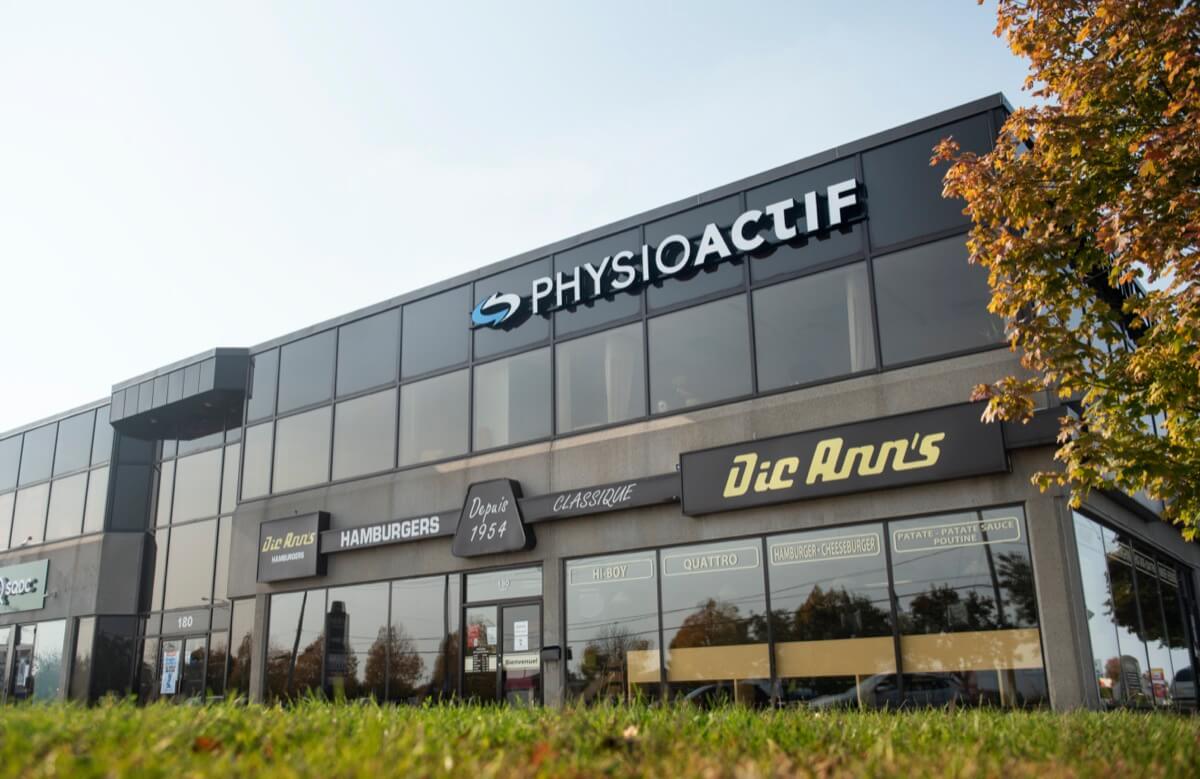
Physiotherapy clinic in Saint-Eustache
Whether you're dealing with pain, an injury, or recovering from surgery, our team of physical therapists in Saint-Eustache will identify the cause to help you recover faster

Key Steps in Physical Therapy
Every patient comes with a different situation, whether it's persistent pain, an injury, or limited movement. In the St-Eustache, Deux-Montagnes, and Boisbriand regions, consultations often involve the back, neck, and knee.
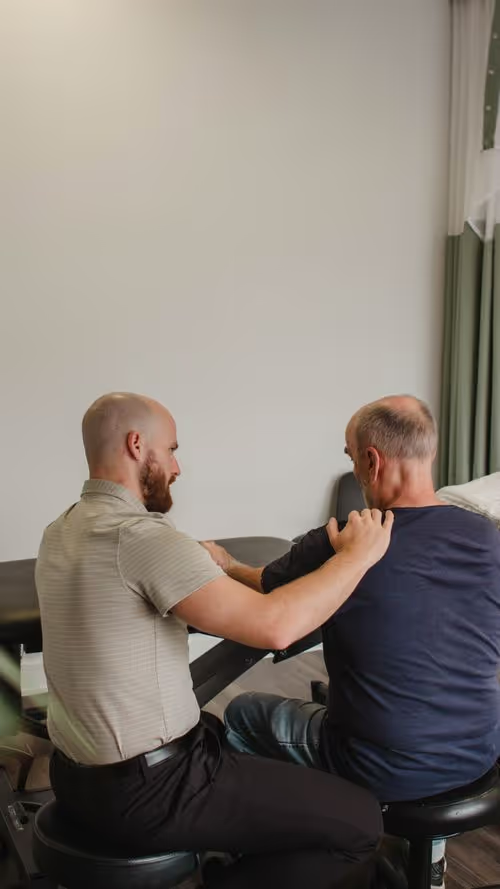
Comprehensive Physical Therapy Assessment
A comprehensive evaluation lasting about an hour to determine whether the pain is coming from a nerve, a tendon, or a joint.
We also analyze the factors contributing to the problem, such as work, sports, and past injuries.
You’ll leave with a clear understanding of your condition and the next steps.
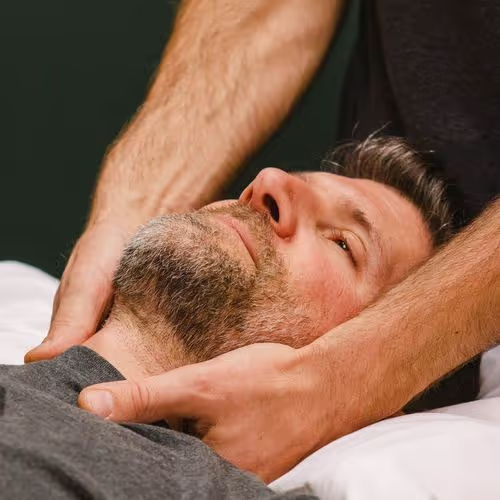
Treatment, relief, education
Treatments that combine manual therapy and targeted exercises tailored to your condition
We tailor the treatment to your progress and your specific limitations.
You’ll know what to do between sessions to recover faster.
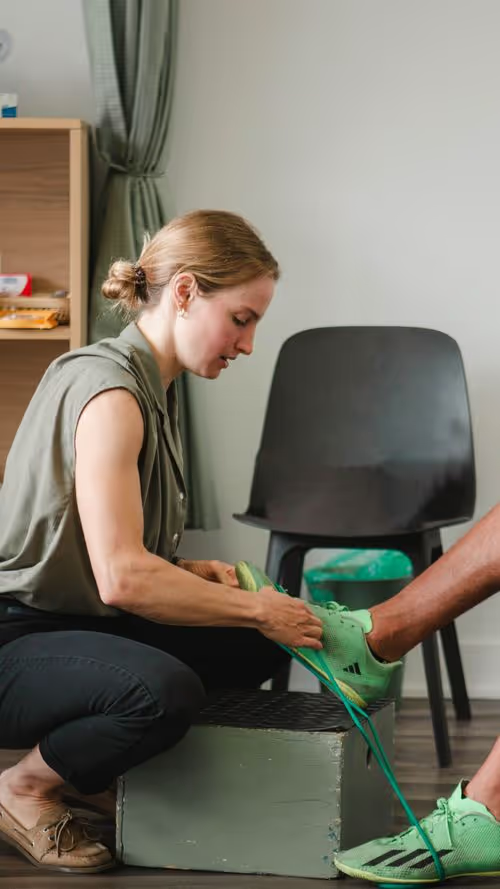
Relapse Prevention and Return to Activities
Once the pain has subsided, we’ll help you gradually resume your activities to prevent relapses, with a clear plan to maintain your progress.
You’ll be able to manage your condition on your own in the long term.
Enhance your comfort at our clinic in Saint-Eustache
At Physioactif Saint-Eustache, we treat a variety of pains and injuries that limit your daily activities.
Our goal is to help you regain your movement without hesitation, whether your pain is recent or long-lasting.

Appointments available quickly, often within 24 to 48 hours.
No medical referral is required to consult.
Private insurance, SAAQ, and CNESST are accepted.
Our physical therapy services in Saint-Eustache
Understand the cause, not just treat the symptoms.
Some team members develop specific areas of interest to further specialize in the management of certain conditions.

Stiffness, rigidity, or loss of mobility
A feeling of stiffness, tightness, or loss of mobility is never something to ignore. Behind this limitation often lies a specific structural issue that prevents normal movement.
Nerve pain and numbness
Numbness, tingling, burning sensations, or pain that radiates down an arm or leg is often caused by irritation or compression of the nervous system. These symptoms occur when a nerve is no longer functioning normally or becomes sensitive to movement.
Physical Therapy for Chronic Pain
Physical therapy for chronic pain is designed for people who have been living with persistent pain for months or years, which limits their ability to work, spend time with family, participate in sports, and go about their daily lives. Physioactif assesses the root cause of the problem and develops a clear treatment plan to help you regain your mobility.
Comprehensive evaluation and second opinion
When symptoms persist or the results obtained are inconsistent, a thorough evaluation can help clarify the situation. The goal is to pinpoint the exact cause of the problem and avoid guesswork
Pre- and post-surgical rehabilitation
Surgery alone does not resolve the root cause of the problem or ensure a full return to function. Preparation before the procedure and rehabilitation afterward play a crucial role in recovery.
Vestibular Physical Therapy
Vestibular physical therapy treats vertigo, dizziness, and balance disorders. Physioactif assesses the cause—whether it’s BPPV, an inner ear condition, or a concussion—and then develops a treatment plan to help you regain your stability through vestibular rehabilitation.
Sports Physical Therapy
Sports physical therapy treats sprains, tendinopathies, muscle strains, and overuse injuries. Physioactif assesses the affected area, identifies the true cause of the pain, and develops a tailored treatment plan to ensure a sustainable return to sports without relapse.
Running Analysis and Biomechanics
The way you run directly influences your performance and your risk of injury. A biomechanical analysis helps to understand how your body absorbs impacts and produces movement.
SAAQ Program (Traffic Accidents)
SAAQ physical therapy is designed for anyone whose mobility is limited by an injury sustained in a traffic accident. Our approach is tailored to your condition and goals, whether you’re experiencing a recent symptom or pain that has persisted for months. We identify the root cause before developing a clear treatment plan.
IVAC Program (Criminal Offenses)
The physical aftereffects of a crime—such as pain, tension, or stiffness—shouldn’t dictate your daily life. IVAC Physical Therapy welcomes you into a safe environment, adapts to your condition and your pace, identifies the source of your pain, and then develops a clear treatment plan.
Veterans Program
Injuries sustained during military service can persist for a long time and affect your mobility, pain levels, and quality of life. These conditions require appropriate care that is recognized by veterans’ programs
Physiotherapy
Physical therapy is for anyone whose movement is limited by pain or an injury. Our approach is tailored to your condition and goals, whether you’re dealing with a recent issue or pain that has persisted for months. We assess the cause before developing a clear treatment plan.
Geriatric Physical Therapy
Geriatric physical therapy addresses recurrent falls, loss of mobility, joint pain, and loss of independence among older adults. Physioactif assesses the older adult’s overall condition, identifies the cause of functional decline, and develops a personalized plan to maintain mobility, support independent living at home, and promote a safer, more independent lifestyle.
Manual therapy
Manual therapy involves a range of hands-on techniques designed to relieve joint and muscle pain that limits your movement. At Physioactif, we assess stiffness and restore range of motion through precise mobilization and manipulation. Our physical therapists help you regain lasting mobility, at your own pace.
Musculoskeletal Physical Therapy
Musculoskeletal physical therapy treats joint pain, tendinopathies, low back pain, neck pain, sprains, and osteoarthritis. Physioactif assesses the affected area, identifies the true cause of your musculoskeletal condition, and develops a personalized plan to restore your mobility and enable you to resume your activities—even if you haven’t seen results elsewhere.
CNESST Program (Workplace Accidents)
After a workplace accident, pain can limit your movements and delay your return to work. CNESST physical therapy is tailored to your condition and the demands of your job, whether you’re dealing with a recent injury or pain that has persisted for months. We first identify the source of the problem, then follow a specific treatment plan.
Body areas treated at our Saint-Eustache clinic

Head, jaw, face
Head and jaw pain can be linked to muscle tension, joint issues, or strain on the neck. Some headaches start in the neck, while problems with the jaw joint (TMJ) can cause jaw pain, clicking, or limited movement.
When these symptoms persist or return often, it's important to understand their source. An assessment helps identify the structures involved and guides the treatment. This may include hands-on techniques, specific exercises, and strategies to reduce tension and improve jaw and neck function.

Neck
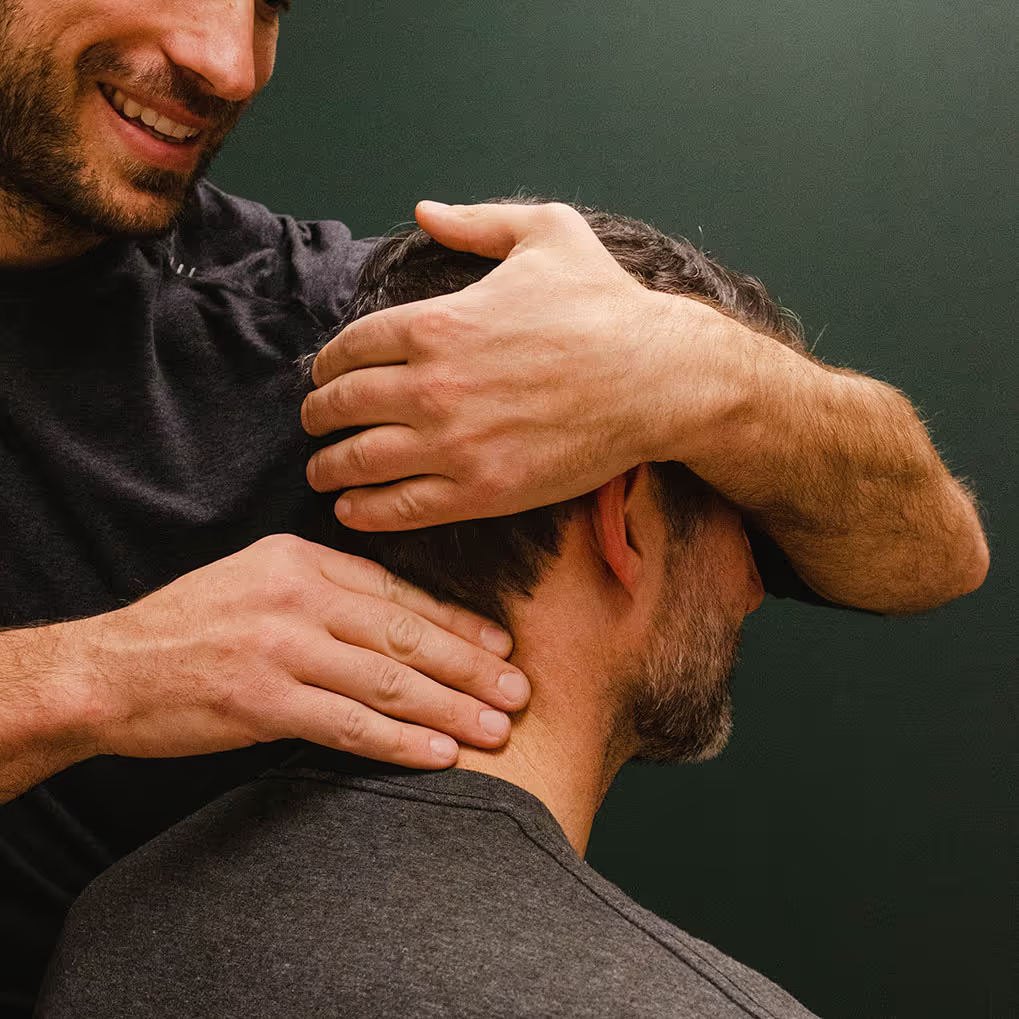
Spending long periods in certain positions, such as working at a computer or driving, puts significant strain on the neck. Over time, this can lead to tension, reduced movement, or pain that spreads to the shoulders and arm. Neck pain (cervicalgia) and pinched nerves in the neck (cervical radiculopathy) are common causes, but their symptoms are often mistaken for other issues.
When pain persists or returns regularly, it's important to find its source. Joint, muscle, or nerve structures can all be involved. A tailored approach, combining hands-on techniques, targeted exercises, and postural adjustments, can help reduce symptoms and restore freer movement.

Shoulder and arm
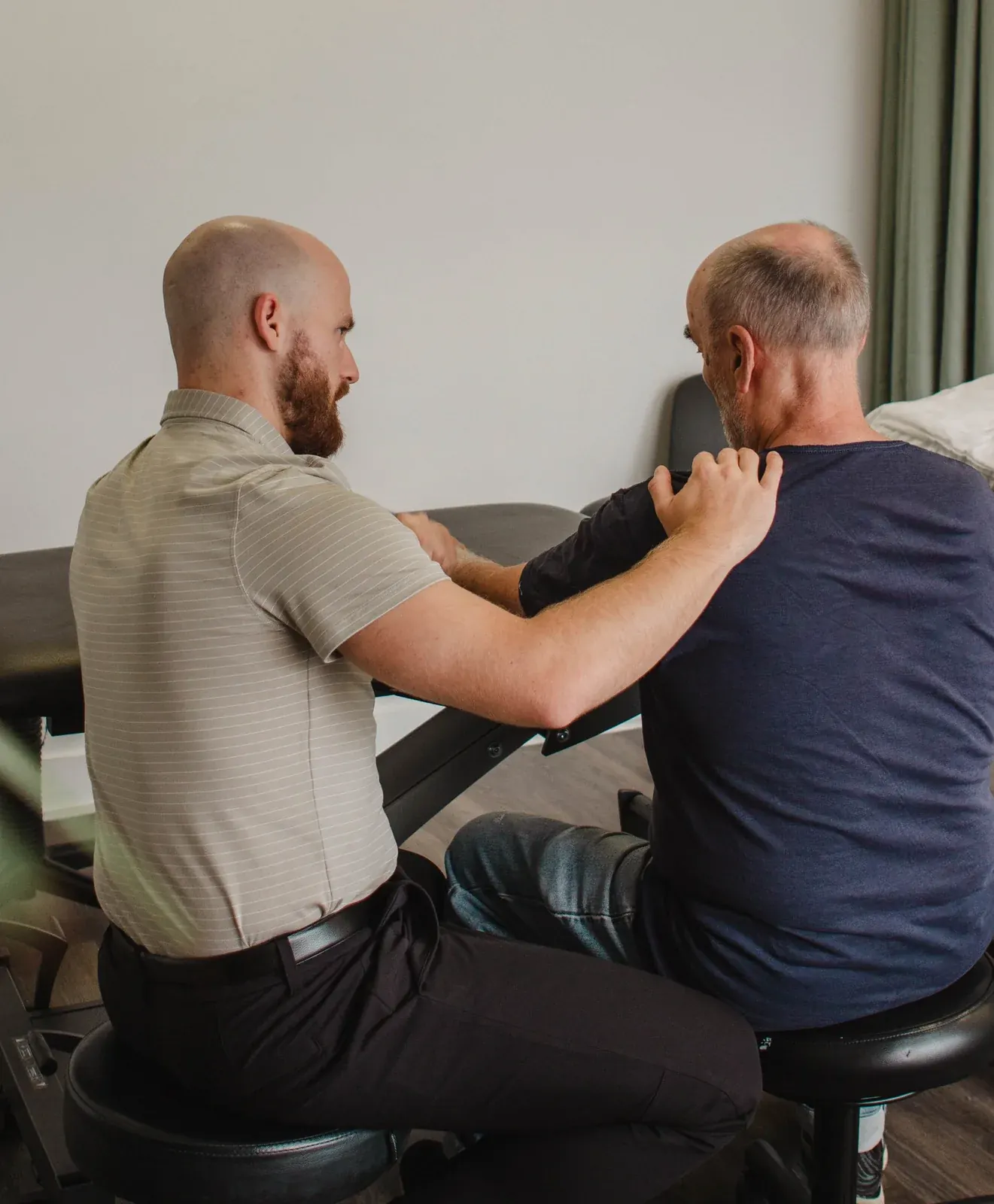
Lifting your arm, throwing, or working overhead puts intense strain on the shoulder. When these movements become painful or limited, it can indicate an issue with the structures that stabilize the joint. Rotator cuff tendinopathy (tendon inflammation) and impingement syndrome are among the most common causes.
Poor coordination between the shoulder and shoulder blade can increase strain and slow down recovery. Instead of simply avoiding movements, a gradual approach helps restore the joint's ability to handle stress. Treatment focuses on improving strength, control, and movement quality so you can return to your activities without fear.
Elbow
Squeezing, lifting, or repeating the same motions can quickly overload the elbow. Pain that develops gradually, especially when gripping objects, is often linked to tennis elbow (lateral epicondylitis) or golfer's elbow (medial epicondylitis). These conditions usually result from an accumulation of stress that the tissues can't handle, rather than a single movement.
In this situation, completely avoiding arm use can actually slow down recovery. Instead, a gradual increase in activity helps stimulate tissue healing. Depending on the structure involved—whether it's a tendon, joint, or nerve—treatment combines specific exercises, hands-on therapy, and adjustments to your movements to help you regain functional strength.

Wrist and hand
The wrist and hand are constantly used for precise movements, whether at work, on the computer, or during daily activities. Pain, numbness, or loss of strength can develop gradually, making simple tasks like grasping or handling objects difficult. Carpal tunnel syndrome and tendinopathies (tendon issues) are among the most common causes.
These symptoms don't always originate solely from the wrist; some nerve irritations can also be influenced by the forearm or neck. An assessment helps pinpoint the source of the problem and tailor the treatment. Our approach combines exercises, hands-on techniques, and adjustments to your movements to improve function and reduce daily discomfort.

Back
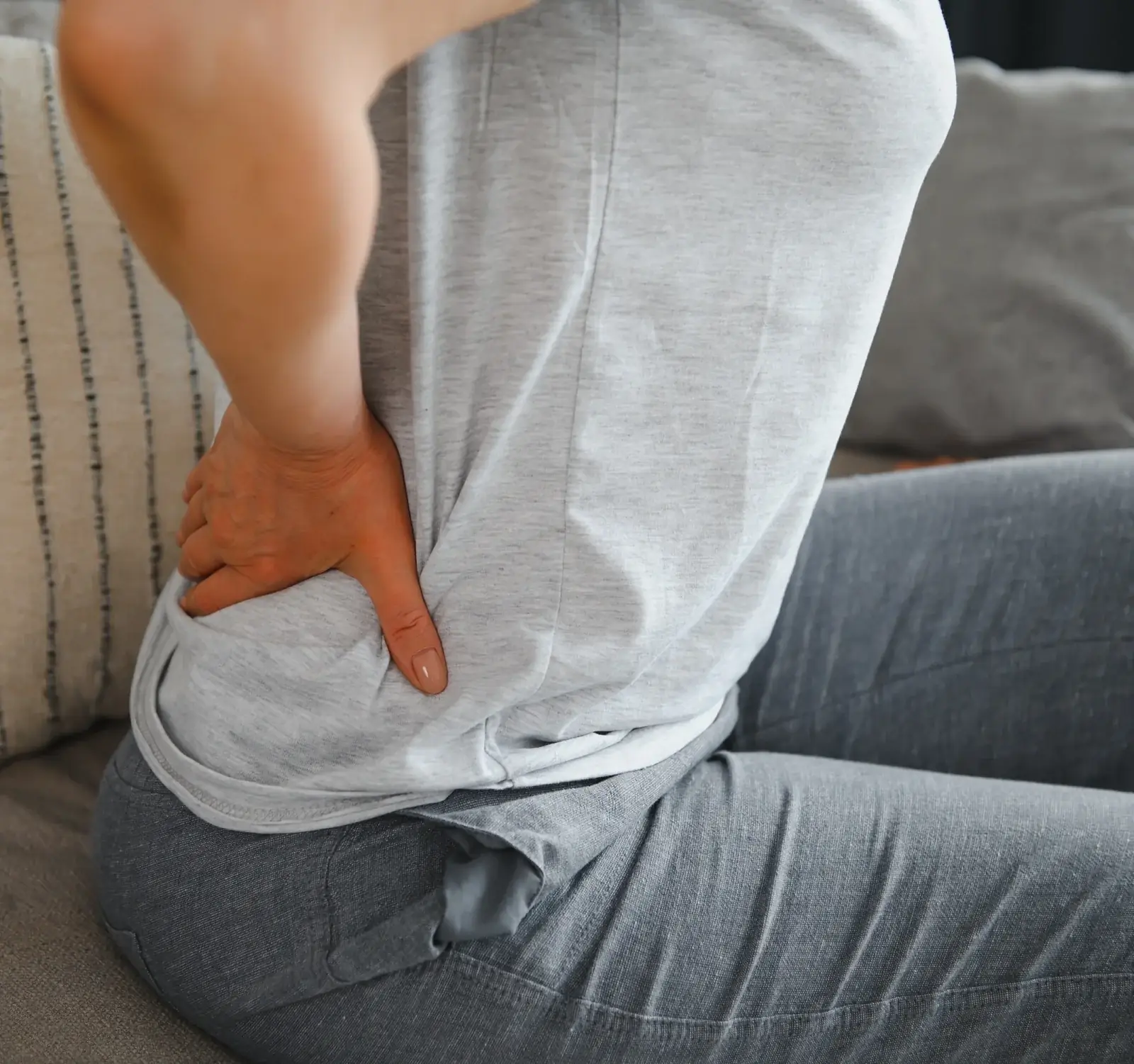
Sitting for long periods, bending over, or lifting heavy objects constantly puts stress on your back. When pain develops, it can be localized or spread to the buttock and leg, making certain movements more difficult. Low back pain and disc irritations are common causes, but several structures can be involved at the same time.
Instead of looking for a single source, it's often necessary to assess all the factors that contribute to the pain. Your body's ability to tolerate movement plays a key role in recovery. An approach combining exercises, hands-on therapy, and a gradual return to activities can improve function and reduce the risk of the pain coming back.
Perineum
Pelvic floor disorders can affect both women and men and can show up in various ways, such as urinary leakage, a feeling of heaviness, or pain in the pelvic area. These symptoms are often linked to a lack of coordination or control of the perineal muscles.
While common, these problems are not something you have to live with. A specific assessment helps us understand how your pelvic floor works and identify the contributing factors. Treatment involves targeted exercises, coordination work, and strategies tailored to your daily activities to improve control and reduce symptoms long-term.
Hip, pelvis and thigh
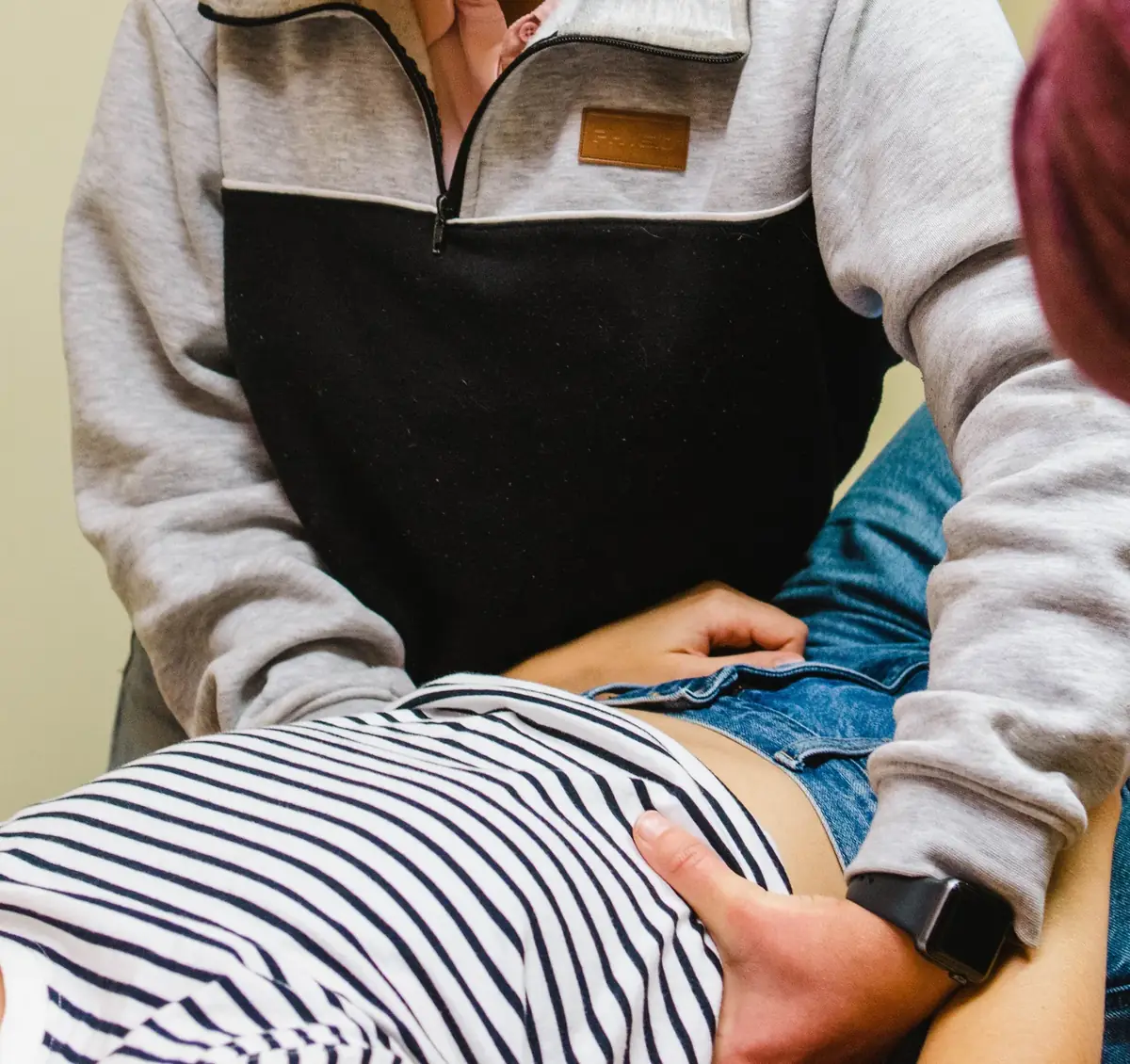
The hip plays a central role in transferring forces between your torso and lower limbs. When it can't handle stress as well, pain can occur in the hip itself, or also show up in the lower back or thigh. Conditions like gluteus medius tendinopathy (tendon pain) or femoroacetabular impingement (FAI) are often involved.
Inefficient movement can increase stress on the joint and slow down recovery. Therefore, it's important to assess not only the hip itself, but also how it works with the rest of your body. Treatment aims to improve control, mobility, and the ability to handle stress, to reduce symptoms and help you return to your activities.

Knee
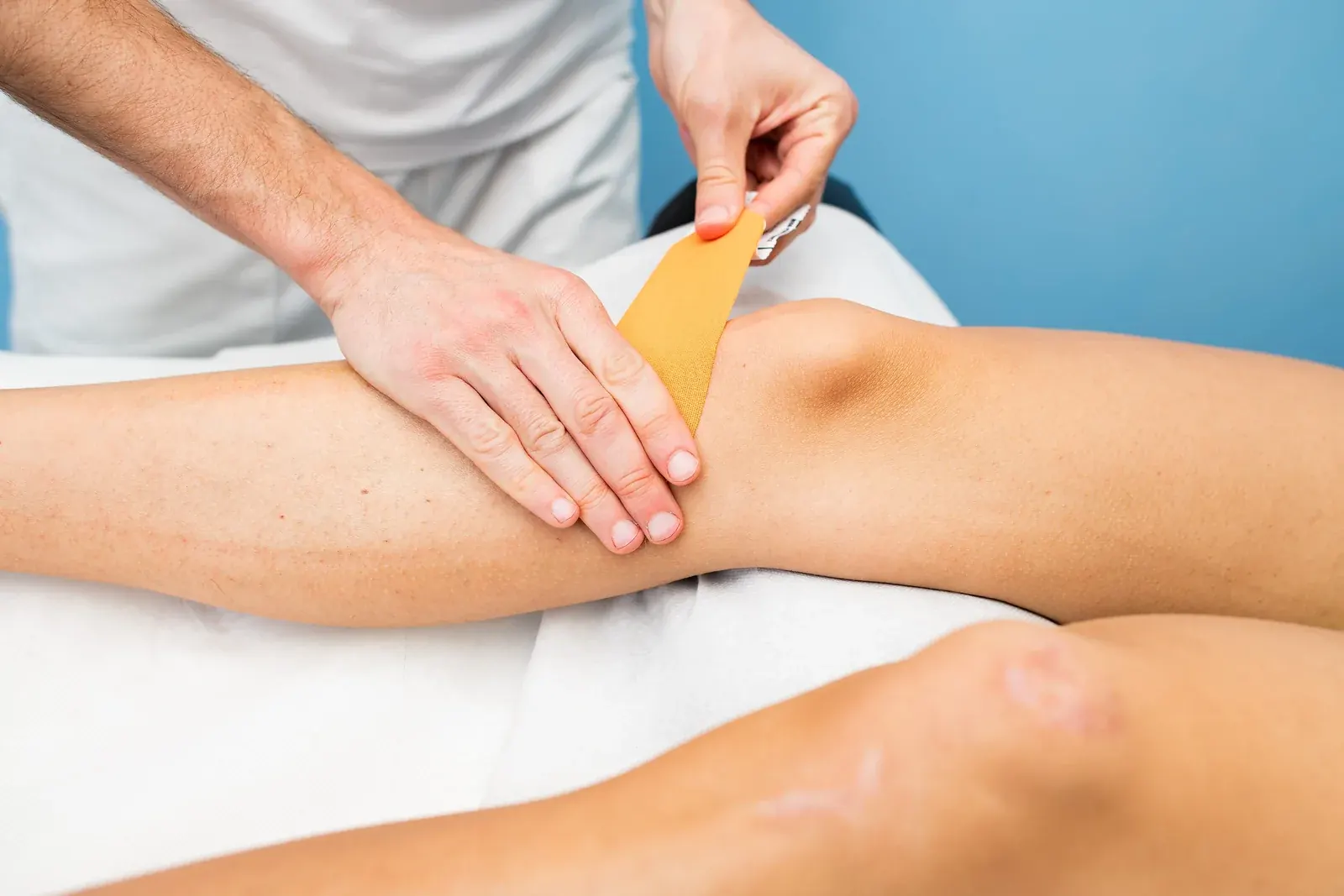
The knee is heavily used during walking, climbing stairs, or sports activities that involve impacts and changes in direction. Pain that arises in these situations can indicate irritation of internal structures or an imbalance in how forces are distributed. Patellofemoral pain syndrome and meniscal injuries are among the common causes.
When certain movements become difficult or painful, it's essential to assess how the knee reacts to stress rather than focusing only on the painful area. Factors like muscle control and lower limb alignment directly influence symptoms. A gradual approach helps improve stability, restore function, and allow you to resume activities with greater confidence.
Calf, ankle and foot
The ankle and foot absorb impacts and provide stability with every step. Even a minor injury can disrupt this balance, leading to persistent pain or a feeling of instability. Ankle sprains, plantar fasciitis, and Achilles tendon issues are common problems in this area.
After an injury, recovery isn't just about tissue healing; it also depends on regaining good control and effective coordination. Without this, the risk of re-injury remains high. Rehabilitation focuses on stability, proprioception (your body's sense of position), and a gradual increase in activity to make movements safer and improve confidence when bearing weight.

Pediatrics
Children's motor development progresses rapidly during their first few years of life, and some difficulties can arise related to posture, coordination, or muscle tone. Conditions such as congenital torticollis, plagiocephaly, or motor delays are relatively common and benefit from early intervention.
When asymmetries or limitations are observed, an assessment helps to better understand the child's development and identify specific needs. Intervention aims to encourage more varied and better-controlled movements through exercises tailored to their developmental stage, while also providing parents with simple strategies to incorporate into daily life.

What many patients discover after a few sessions
Customer satisfaction is our top priority
At Physioactif, excellence guides everything we do, but our patients are the best ones to tell you about it. Take a look at their verified reviews to get a real sense of their experience.











Over 30 insurance plans accepted for physical therapy services
We handle the claim directly so you can focus your energy on your recovery, not on paperwork.







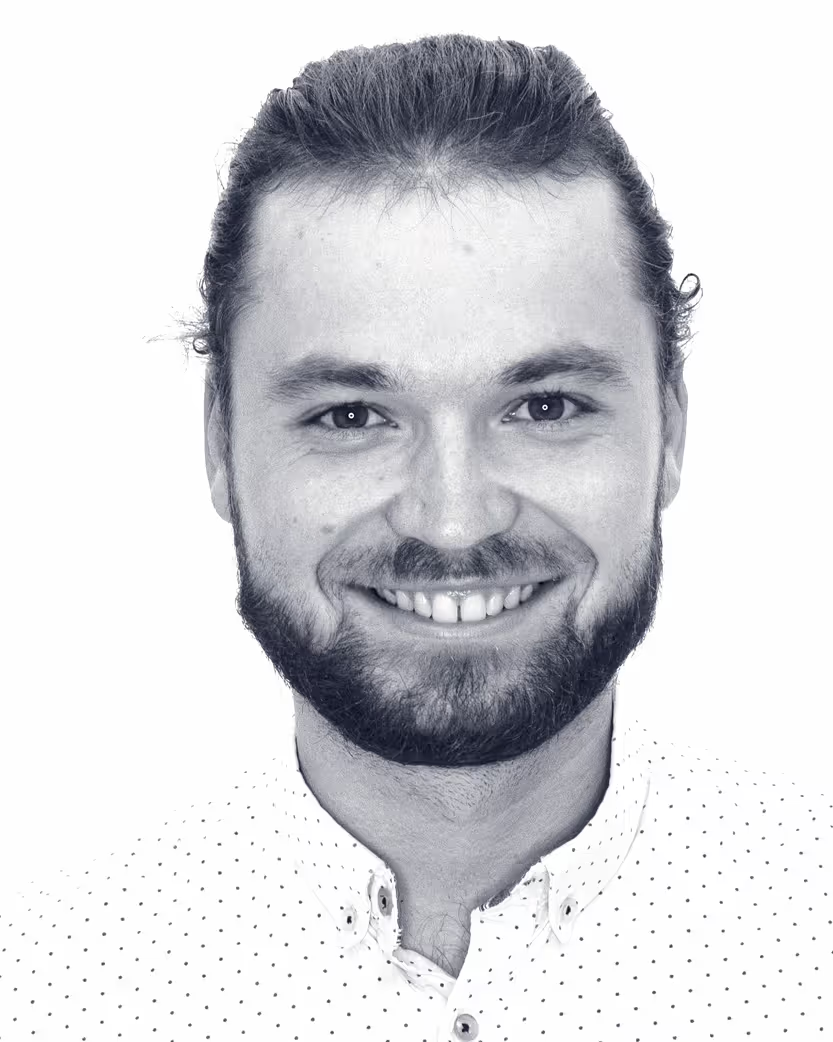
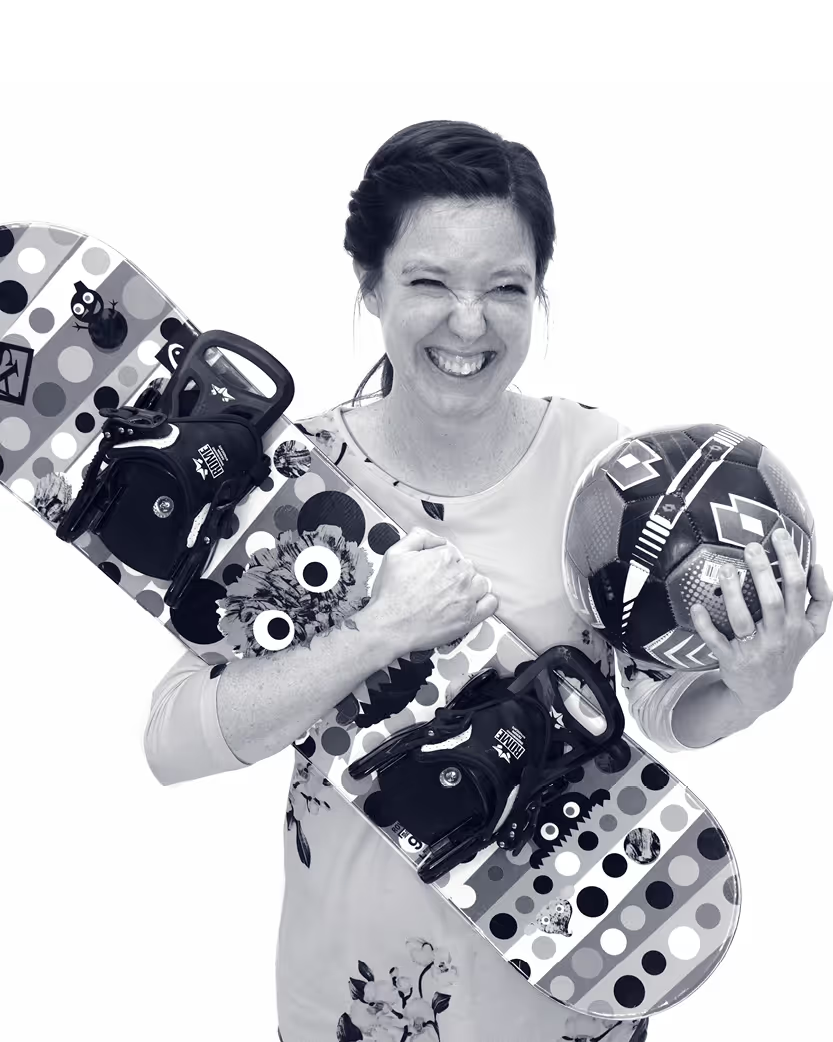
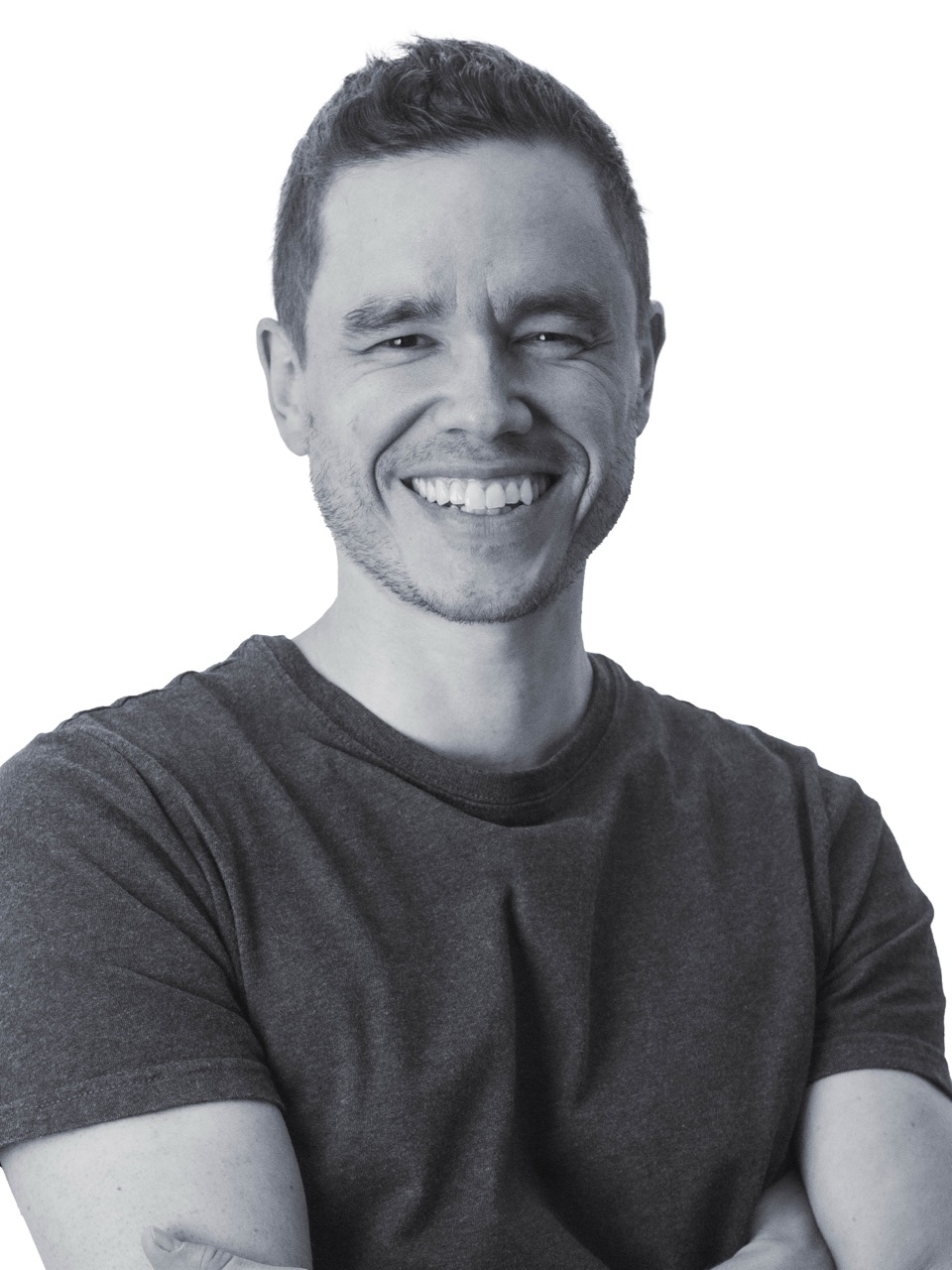
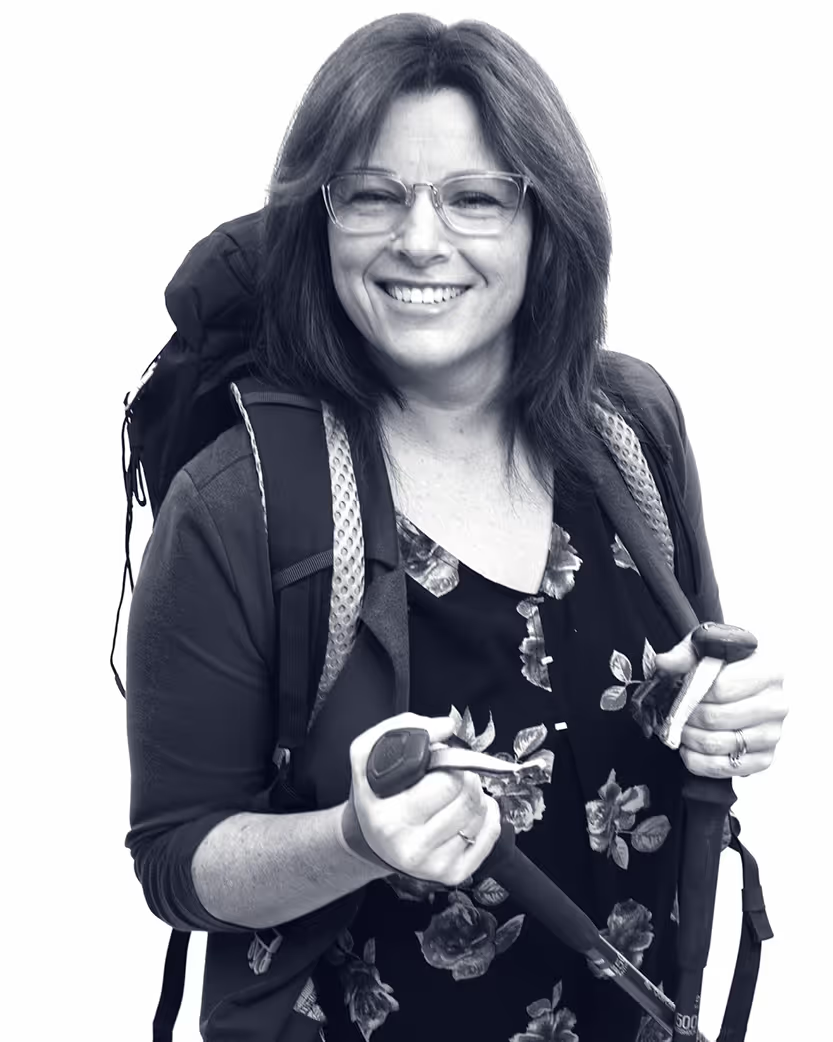
Meet the physical therapists at Physioactif Saint-Eustache
Your treatment journey involves an initial assessment, tailored interventions, and ongoing support that adapts over time. Get to know the professionals on the Physioactif team.




Open Positions
View the positions currently available within the Physioactif team and submit your application in a few steps.
Clinic information
Would you like more information or to schedule an appointment?
The Physioactif team is available to answer your questions and guide you based on your situation.


Phone

Office
180 25th Avenue, Suite
201 Saint-Eustache
QC J7P 2V2
Located in Saint-Eustache, the Physioactif clinic is easily accessible to residents of the area and the surrounding communities

Text message
Fax
Book an appointment online now
We offer a three-pronged quality assurance approach: optimized treatment time, a second opinion from a physical therapist, and ongoing expertise to ensure effective care tailored to your needs.

Frequently Asked Questions About Physical Therapy in Saint-Eustache
Contact UsWhat is the address of the Physioactif clinic in Saint-Eustache?
The address of the Saint-Eustache clinic is 180 25th Avenue, Suite 201 (J7P 2V2). The clinic serves Saint-Eustache, Deux-Montagnes, and Boisbriand. To make an appointment, call 450-623-7268.
How much do treatments cost at the Saint-Eustache physical therapy clinic?
Treatments at the Saint-Eustache clinic begin with an initial consultation costing $150, lasting approximately 60 minutes, or $166 with a senior physical therapist. Subsequent sessions cost $110, or $119 when provided by a senior physiotherapist. Payment can be made in several ways, and you will receive a receipt for your private insurance provider.
Are my sessions at the Saint-Eustache clinic covered by the CNESST, the SAAQ, or my insurance?
Yes, the Saint-Eustache clinic works with more than 30 private insurance providers, most of which reimburse a portion of the costs. Work-related injuries fall under the jurisdiction of the CNESST, which covers physical therapy, while traffic accidents fall under the jurisdiction of the SAAQ, which reimburses only a portion of the costs. However, a medical examination and a prescription are required before the first treatment in these cases.
Can I see a doctor at the Saint-Eustache clinic without a referral from a doctor?
Yes, you can access physical therapy directly, and the Saint-Eustache clinic will see you without a prescription. However, CNESST and SAAQ cases must go through a doctor.
Nothing has relieved my pain so far—can the clinic in Saint-Eustache help me?
Yes, the Saint-Eustache clinic specializes in chronic and complex pain, particularly for people who have already tried everything else elsewhere. The process begins with a thorough evaluation that leads to a clear diagnosis, explained in a way that helps you understand your pain. Your treatment plan is based on this diagnosis, not on a generic protocol. Physioactif employs physical therapists who give lectures and teach at the university level, which ensures the rigor of every assessment.
What types of pain does the Saint-Eustache clinic treat?
At the Saint-Eustache clinic, you can receive treatment for knee, shoulder, neck, or back pain, sciatica, a herniated disc, or osteoarthritis. Tendinitis, sprains, and sports injuries are also treated there, as are headaches, migraines, and jaw pain. The team also provides care for concussions and dizziness, as well as perineal health issues.
Is it too late to see a doctor at the Saint-Eustache clinic when I've been in pain for a long time?
No, even after years of pain, it’s never too late to see a doctor at the Saint-Eustache clinic. Pain that has persisted for six months, five years, or even 20 years is routinely treated at the clinic. The evaluation takes your entire medical history into account to identify what is causing your pain today.
Can I see a doctor at the Saint-Eustache clinic for a minor injury?
Yes, the Saint-Eustache clinic also treats minor injuries, such as a minor sprain or recent back pain. The same level of thoroughness applied to complex cases benefits simple cases just as much. A Boisbriand resident who sprained his ankle playing soccer receives an accurate diagnosis and a clear treatment plan there.
What is the physical therapy approach at the Saint-Eustache clinic?
The Saint-Eustache clinic takes an active approach, where everything begins with an accurate diagnosis and a treatment plan tailored to your needs. Sessions include education about your condition, exercises to do at home, and manual therapy when your condition calls for it. No session is limited to passive treatments such as electrotherapy.