Therapeutic Exercises: A Complete Guide to Rehabilitation
.png)
.png)
.png)



What is the purpose of therapeutic exercises in rehabilitation?
Therapeutic exercises help you regain or maintain the strength, endurance, and movements you need for daily life. Rehabilitation involves working on these abilities after an injury, surgery, or illness. The program depends on your diagnosis and your goals.
Why are therapeutic exercises so important to your recovery?
Therapeutic exercises help you practice the skills you need to resume your activities. They can reduce pain and difficulty moving, but their effects depend on the specific problem and the comparator treatment.
A systematic review compiles and analyzes studies on a specific topic. A meta-analysis synthesizes their quantitative results. One such analysis examined the effects of exercise on persistent pain in muscles, tendons, and joints. A tendon connects a muscle to a bone. Exercise reduced pain more effectively than no intervention or usual care. The difference compared with a placebo, used as a control, remained uncertain and was based on only four trials. The overall certainty of the evidence was very low.1
For shoulder pain related to the rotator cuff—the muscles and tendons that help stabilize the shoulder—a 2026 review found no clear advantage of exercise over passive treatments in the short term. The certainty was low to very low.2 This comparison does not mean that exercise has no effect.
10 Quick Tips to Understand Your Pain
One tip a day for 10 days to help you better understand your pain. About a 2-minute read.
Exercises can help with recovery from a sports injury or surgery, as well as with managing chronic pain. Your physical therapist will work with you to determine which exercises are appropriate and will monitor your progress.
The choice of exercises, their difficulty, frequency, and duration are important factors in program design. A review of 274 studies examined these parameters in adults with muscle, tendon, or joint pain. Only 10.9% of the studies had quantified the relationship between these parameters and outcomes. There was insufficient high-quality data to determine the optimal settings for each condition.3 Your physical therapist uses the available evidence, your goals, and your response to the exercises to adjust them.
This guide describes the types of exercises, their observed effects on various health conditions, and how the sessions are conducted. It also explains how to discuss your at-home exercise program and your progress.
What are Therapeutic Exercises?
Therapeutic exercises are movements selected to improve or maintain your physical abilities and help you perform your daily activities. A physical therapist may prescribe them following an evaluation. This definition corresponds to the clinical chapter in Bielecki and Tadi.4
These exercises can target a specific area or the entire body. A review of 18 trials involving adults with persistent neck or back pain or knee osteoarthritis found no clear difference between these two approaches in terms of pain or functional limitations. The certainty of the evidence was low to very low.5 This finding does not compare all ways of personalizing a program.
The Difference from Regular Exercise
Regular exercise and therapeutic exercises can both improve physical fitness. In a physical therapy program, exercises are tailored to the challenges and activities identified during the evaluation. In particular, they may be designed to achieve the following goals:
- Improving a limited ability: A weak muscle, a stiff joint, or difficulty performing a movement
- Regaining a difficult activity: The ability to climb stairs without pain, raise one's arm above one's head, or walk without limping
- Manage certain modifiable risk factors: for example, address any loss of strength or balance identified during the assessment, based on your activities and goals
Your physical therapist tailors the exercises to your current abilities and goals. This customization may involve the equipment, the difficulty level, the instructions, or the time available. The review comparing regional exercises to general exercises does not show that a personalized program is ineffective.5
Essential Components
A therapeutic exercise program includes an assessment, a progression plan, and options based on current knowledge:
Assessing Your Abilities: The assessment may reveal limitations in range of motion, strength, or exercise tolerance. These observations help in selecting and adjusting exercises.
Gradual progression: The program begins at a level appropriate for your abilities. The difficulty increases as you progress. A review of 35 studies on healthy tendons located beneath the kneecap and at the back of the heel—known as the patellar and Achilles tendons—shows adaptations to training. However, it does not establish a consistent relationship between training volume and adaptation during the first few months.6 These guidelines do not constitute a timeline for the healing of an injured tendon. The overview of reviews on pain also highlights uncertainties regarding optimal parameters.3
Knowledge that guides decisions: Studies help in selecting exercises and explaining expected outcomes. Cochrane is a network that produces systematic reviews. Its review of 249 trials on persistent low back pain of unknown cause reports a probable reduction in pain compared with no treatment, usual care, or a placebo. The average improvement in functional ability was smaller.7 For knee osteoarthritis, a review of 139 trials involving 12,468 participants reports short-term improvements in pain and function, and smaller improvements in quality of life. Their practical importance for patients remained uncertain depending on the thresholds used.8
What the studies tell us
Exercise is studied in several areas of physical therapy. However, a review of 274 studies on muscle and joint pain found that 85% of these studies were conducted with very low methodological rigor.3 This finding calls for examining the results on a case-by-case basis. For rotator cuff pain, for example, the comparison with passive care remains inconclusive in the short term.2
Participation in exercises can also improve your confidence in carrying out your daily activities despite pain. Among adults with persistent back pain of unknown cause, eight pooled trials reported an average increase of 3.02 points on a 60-point questionnaire. This questionnaire measures confidence in living life and performing activities despite pain. The certainty of the evidence was moderate, but the practical significance of this gain remains to be determined.9
How do therapeutic exercises work?
Therapeutic exercises engage your muscles and help you practice the movements needed for daily activities. Repeating these exercises can improve your strength, endurance, or coordination—that is, the way you organize your movements—depending on the program. Pain relief does not always follow improvements in these abilities.
The Adaptation of Muscles and Tendons to Progressive Exercise
Muscles and tendons respond to repeated stress. A strengthening exercise requires the muscle to generate force against resistance, such as a weight or an elastic band. In studies of healthy tendons, training notably altered their resistance to stretching; the changes varied widely across studies and participants.6
Progression can involve lifting a slightly heavier weight, doing more repetitions, or working on a more challenging movement. Your physical therapist will choose the appropriate change based on your goal and then monitor the fatigue and symptoms that follow.
Pain does not directly reflect a tendon’s strength or properties. Therefore, monitoring involves combining your symptoms with concrete benchmarks, such as the weight lifted, the distance walked, or how easily you can climb stairs.
Learning or Rediscovering Certain Movements
Repeating a task helps you practice the movements needed to perform it. After a stroke, part of the brain is damaged due to a lack of blood flow or bleeding. Eight studies involving 205 people who had suffered a stroke examined a method that limits the use of the less-affected limb to strengthen the other one. The number of repetitions was used to regulate the amount of practice. This method was feasible and resulted in improvements in movement and mobility.10 It requires appropriate selection and supervision; these results do not establish a standard number of repetitions for everyone.
Repeating a task: Practicing getting up from a chair several times helps you master this movement. The height of the chair, where you place your hands, and the number of repetitions can be adjusted.
Instructions for performing the movement: Your physical therapist can break down a difficult movement, demonstrate it, and have you try a modified version before moving on to the full movement.
Using Movement in Daily Life: An exercise can prepare you for a real-life activity, such as standing up or walking. A 2020 Cochrane review of people who had suffered a stroke reported improvements in physical fitness, balance, and walking ability with endurance training, either on its own or combined with strength training.11 Scores measuring difficulties with daily activities also improved with these programs. However, the studies did not simultaneously measure survival and the need for daily assistance. Longer-term results were less well established.
The Effect of Movement on Pain
Exercise can reduce sensitivity to pain during or after physical activity. This immediate effect does not occur in everyone and is not sufficient to explain all the benefits of an exercise program.
Signals and Pain: The nervous system transmits and processes information related to physical exertion. Pain depends on this processing and the context, rather than on a single signal from the muscle. Therefore, a change in pain alone is not sufficient to determine whether the muscle is getting stronger.
The response measured after a session: In people without pain, a session of endurance or strength training involving movement reduced pain induced in the laboratory, on average. The data were too limited to draw conclusions for people with persistent pain.12 Another review of sustained contractions without movement—known as isometric contractions—found no consistent reduction in pain among people with localized pain conditions.13
Adjustments Based on Your Response: If an exercise significantly increases your symptoms, the physical therapist may reduce the resistance, duration, or range of motion. Another variation can then be tried.
Discomfort during an exercise is assessed based on your symptoms, the activities you can do, and how your condition is progressing. If necessary, your physical therapist will adjust the program with you.
Benefits for Breathing, the Heart, and Blood Sugar Management
Endurance exercises build your ability to sustain physical activity, such as walking for longer periods. They can also improve certain blood sugar and blood fat levels.
Endurance exercises can improve your ability to move and perform your daily activities. In 160 trials involving 7,487 adults without heart disease, exercise training significantly improved exercise endurance. Several blood test results related to blood sugar and lipids also improved14. The Cochrane review of people who had suffered a stroke reached similar conclusions regarding endurance and walking11. This improvement in cardiovascular endurance is assessed in the context of your condition, and the program is then tailored to your tolerance.
In this same review of 160 studies, people who exercised had, on average, lower levels of triglycerides—fats in the blood—and higher levels of HDL cholesterol, commonly known as “good cholesterol.” They also had lower fasting insulin levels; this hormone helps control blood sugar. The effects varied depending on age, sex, and health status.14 These indicators do not directly measure the effect of exercise on chronic pain. For chronic pain, the results depend in particular on the comparator treatment.1
What Conditions Are Treated with Therapeutic Exercises?
Therapeutic exercises can be part of the treatment for persistent back pain, knee osteoarthritis, certain types of shoulder pain, and tendinopathies—painful tendon conditions that interfere with physical activity. They are also used to aid recovery after surgery and for rehabilitation following certain cardiac, pulmonary, or neurological conditions. The following examples detail what has been studied.
Problems with Muscles, Joints, and Tendons
For problems with muscles, joints, and tendons, exercises can help improve strength, range of motion, and tolerance for physical activity. Results vary depending on the cause of the symptoms and the type of treatment used.
Persistent back pain: Lumbar stabilization exercises help improve control of the core muscles. They are one option among others for lower back pain. The Cochrane review of 249 trials reports a probable reduction in pain with exercise compared to no treatment, usual care, or a placebo. The benefits regarding functional activities were smaller.7 It does not demonstrate the superiority of this single form of exercise.
Knee Osteoarthritis: Strengthening and balance exercises may be recommended forknee osteoarthritis, a condition that affects the entire joint. The Cochrane Review reports moderate short-term improvements in pain and functional ability, with smaller effects on quality of life. Results vary depending on the treatment used as a comparison, and their clinical significance for the individual remains uncertain depending on the thresholds used. No single type of exercise emerged as clearly superior.8
The Dutch guide on osteoarthritis distinguishes between several forms of follow-up care: advice for self-management, short- or long-term supervision, and a program before or after the implantation of a prosthesis (an artificial joint). The choice depends on the evaluation.15
Shoulder Pain: For certain types of shoulder pain, exercises focus on building strength and improving movement control. The 2025 practice guidelines on rotator cuff tendons cover conditions involving these tendons—with or without calcium deposits—as well as partial tears. This guidance document describes the examination, non-surgical care, and return to activities.16 It does not cover all causes of shoulder pain.
Lower Back Strains: After a lower back strain, rehabilitation can begin with daily activities that you can tolerate, then progress to the physical demands required for work or sports. Your physical therapist will tailor the exercises to your symptoms and watch for any signs that might require a second opinion.
Lumbar spinal stenosis is a narrowing of the space through which the nerves in the lower back pass. A trial assigned 259 adults over the age of 60 to one of three groups: medical care, group exercises, or a combination of manual therapy and individualized exercises. This last approach specifically combined joint mobilization performed by the therapist, stretching, and strengthening exercises. At two months, this approach led to greater improvements in symptoms and functional ability. A higher proportion of participants also increased their walking distance by at least 30%. At six months, there were no longer any clear differences between the groups.17 These results pertain to the program as a whole, rather than to any single technique.17
Tendinopathies: A tendinopathy is a painful condition affecting a tendon that interferes with physical activity. Gradual strengthening may be part of the treatment for shoulder tendinitis and other tendinopathies. For the arm and shoulder, a review of 11 studies reported improvements in pain and function. Pain was the most common measure of progress, sometimes supplemented by fatigue or perceived ability. No single measure of progress was clearly superior; the certainty of the evidence was low.18 Another review, focusing on the Achilles and patellar tendons and lateral hip pain, found no convincing evidence of a benefit from treatments added to exercise alone.19
Rehabilitation After Surgery
After surgery on bones, joints, or tendons, exercises help restore the range of motion and functional abilities needed for daily life. The surgical team’s instructions guide when to begin and how to progress with these exercises. Following knee replacement surgery, a review found that patients experienced less pain and better functional abilities at three or four months compared to those who received minimal follow-up care. The long-term durability of this benefit was uncertain.20 After shoulder tendon repair, early resumption of movement—especially passive movement—improved the range of motion in certain directions. Passive movements are performed with external assistance, without active effort from the operated shoulder.21
Anterior Cruciate Ligament (ACL) Reconstruction: The ACL is an internal ligament that helps stabilize the knee. After reconstruction, exercises focus on strength, movement control, and sports-specific movements. The Dutch guidelines recommend combining the results of strength tests, jump tests, and movement quality assessments with psychological preparation to guide recovery progress.22 The guide on knee pain provides additional information.
Rotator Cuff Repair: Recovery follows the surgeon’s instructions. In a review of 20 trials, the rehabilitation programs, the duration of sling use, and the timing of the start of exercises varied widely. Early resumption of movement, especially with outside assistance, improved certain movements without a clear increase in the risk of re-tearing.21 This finding does not justify proceeding with strengthening exercises on one’s own after surgery.
Joint Replacement (Hip or Knee): Movement and exercise are resumed based on the patient’s medical condition and surgical instructions. After knee replacement surgery, tailored exercise programs led to improved function at three or four months compared to minimal follow-up.20 Following hip replacement, a 2018 review was unable to determine the effectiveness of different programs due to their diversity and the limitations of the studies.23 This uncertainty does not mean that hip rehabilitation is unnecessary.
Following ACL reconstruction, a review comparing home-based and supervised programs found that functional recovery was generally similar. Supervised programs, however, were more effective at improving strength in the hamstrings.24 Following knee replacement, another review found no clear short-term difference in functional abilities and movements between home-based and clinic-based programs; the studies were small and highly varied.25 These results can help you choose the follow-up plan that best suits your needs and circumstances.
Chronic Conditions
Appropriate exercise can improve functional ability and quality of life in certain chronic conditions. For chronic obstructive pulmonary disease (COPD), which impairs airflow in the lungs, a review of 65 trials involving 3,822 participants found that pulmonary rehabilitation led to reduced shortness of breath and fatigue, improved quality of life, and better exercise capacity compared with standard care.26 For heart failure—a condition in which the heart does not pump enough blood to meet the body’s needs—a review of 60 trials involving 8,728 adults found fewer hospitalizations and a better quality of life during a follow-up period of up to 12 months. It did not show a clear reduction in the risk of death.27
Chronic Obstructive Pulmonary Disease (COPD): Respiratory rehabilitation combines tailored exercise training with, depending on the program, education or support. In the cited review, it included at least four weeks of exercise and took place in a hospital, a community center, or at home.26 The healthcare team takes into account your breathing, your other health issues, and your abilities.
Chronic heart failure: Exercise should be planned in consultation with the healthcare team managing your heart condition. The benefits of cardiac rehabilitation have been observed in programs conducted at a center, at home, or a combination of both.27 This finding does not indicate that all approaches are equally effective; the choice depends on the risk and complexity of your situation.
Endometriosis: This condition involves the presence of tissue similar to the lining of the uterus outside the uterus. It can cause pelvic pain. A 2021 review was unable to draw conclusions about the effect of physical activity due to limitations in the three studies included.28 A trial published in 2023 then compared a nine-week supervised program to standard care in 31 women whose symptoms responded poorly to standard treatments. The program improved quality of life after treatment and at one year, as well as certain symptoms, including pain during sexual intercourse. Four participants withdrew from the study. This encouraging result needs to be confirmed and is not a substitute for medical care.
Therapeutic exercises can therefore be part of treatment beyond injuries to muscles, bones, and joints.
Neurological Conditions
Exercises can help improve walking, balance, and daily activities after a stroke or in cases of conditions affecting the brain or nerves. Neurological rehabilitation is tailored in consultation with your care team.
Stroke: The 2020 Cochrane Review focuses primarily on people who are able to walk. It reports improvements in endurance, balance, and walking ability with certain programs, as well as fewer limitations with endurance training—either on its own or combined with strength training. The effects after stopping training were less well established.11 Goals depend on the residual difficulties caused by the stroke.
Two updates from 2025 provide further details on these findings. The review of strength training alone, which includes 27 studies and 1,004 participants, reports a probable gain in strength and a possible small gain in balance, but little or no effect on comfortable walking speed. The review of programs combining endurance and strength training includes 30 studies and 1,519 participants. It reports possible small improvements in functional ability, walking, and balance, with low to very low certainty. Participants were generally able to walk. The long-term effects and the prevention of a new stroke remain uncertain.
Parkinson’s disease: This brain disorder can slow movement and impair balance. In a Cochrane review, participants primarily had mild or moderate disease, without major cognitive difficulties, such as significant memory or reasoning problems. Several types of exercise improved movement or quality of life compared to a group that did not follow an exercise program. There were few clear differences among the types of exercise.29
Multiple sclerosis: This disease affects the protective sheath surrounding certain nerves in the brain and spinal cord—the bundle of nerves located within the spine. An analysis of 40 trials reports an average improvement in balance, walking ability, fatigue, and quality of life with exercise compared to control groups.30 The team tailors the activities to your abilities and symptoms.
What happens during a therapeutic exercise session?
A therapeutic exercise session includes an assessment, practicing movements selected together with you, and instructions for continuing the program. The content depends on your needs: the first session often focuses more on the assessment.
Initial Capability Assessment
The first session begins with a detailed assessment of your symptoms and the activities you'd like to improve.
History of Your Symptoms: Your physical therapist will ask you when your symptoms began, how they have progressed, what makes them worse or better, and what activities you would like to be able to do again.
Measuring Your Abilities: Depending on your situation, the physical therapist may measure:
- Range of motion, measured as needed with a goniometer, an instrument used to measure angles
- Muscle strength, assessed manually or using a device that measures strength
- Balance and Body Position Awareness
- A way to perform a useful action, such as walking or standing up
- Tests Specific to Your Condition
Choosing a starting point: The physical therapist connects these observations to your symptoms and goals. For example, the therapist may choose an easier exercise if a particular movement or effort remains limited—especially if you have back pain.
This information is used to select exercises, determine their difficulty level, and establish benchmarks for tracking your progress.
Exercise Selection and Demonstration
After the assessment, we will work with you to select a number of exercises tailored to your priorities, your condition, and the time you have available.
How it relates to your activities: Each exercise is designed to achieve a specific goal. Taking tennis as an example, the program can help you work on trunk rotation, shoulder strength, and racket movements.
A Clear Demonstration: Your physical therapist first performs the exercise himself or herself, explaining the key points. This visual demonstration helps you understand.
The number and difficulty of the exercises: The program specifies the following. The examples illustrate the format of the instructions; they are not a one-size-fits-all guideline:
- Number of Repetitions (e.g., 3 sets of 10)
- Difficulty (e.g., weight or resistance of the elastic band chosen with you)
- Frequency (e.g., 3 times per week)
- Progression Criteria (when to increase difficulty)
Supervised Practice and Corrections
The main part of your session involves practicing the exercises under supervision.
The initial trial: You perform the exercise while your physical therapist observes your movement. You describe to them the effort you feel, any symptoms, and any difficulties you encounter.
Adjustments During Exercise: Your physical therapist may adjust a position, the resistance, or the range of motion so that the exercise is appropriate for your abilities and meets its goal.
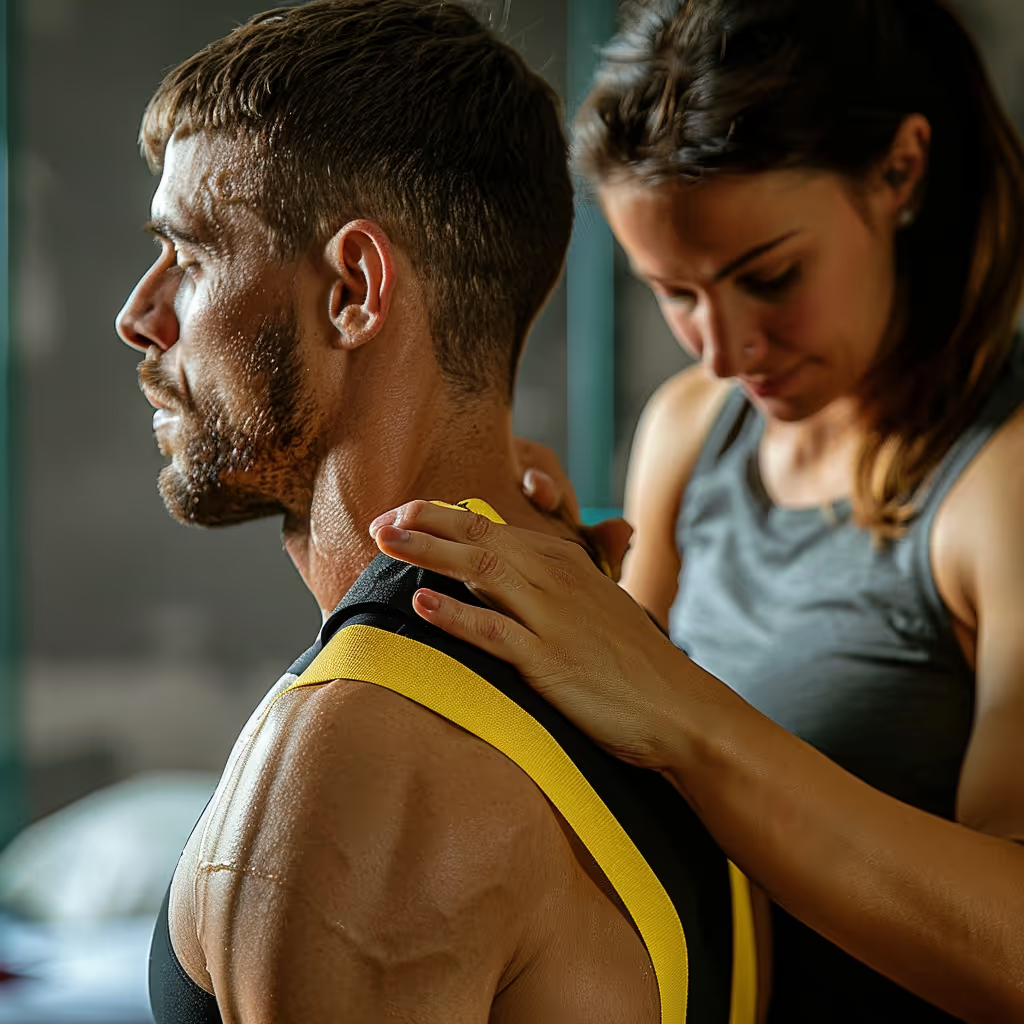
Instructions and cues: Your physical therapist may explain a movement, demonstrate it, or—with your consent—use touch to help you identify the correct position. The therapist adjusts these instructions based on your response.
Checking the Technique: You repeat the exercise and restate the relevant instructions, such as the starting position, the number of repetitions, and the symptoms to watch for.
The Home Exercise Program
The home exercise program allows you to continue exercising between sessions. Its role depends on your condition and the type of assistance you need. A review of 14 trials compared individual sessions with group sessions for back, neck, knee, or shoulder problems. The differences in pain and functional limitations were small and, according to the authors, not clinically significant.31 This comparison does not test home exercise alone. Following knee replacement surgery, another review actually compared home-based and in-clinic exercise and found no clear short-term difference in function and range of motion.25
The Home Program: The program content is selected based on the individual’s condition, priorities, and available time, and then adjusted based on their response.
Written and visual instructions: Ask for instructions that you can refer to between sessions, such as a handout, photos, or a video. These references can help you repeat the exercise.
Exercise tracking: You can record the exercises you’ve done, their difficulty level, and any symptoms you experience during or after them. These observations will help us discuss any adjustments at your next appointment.
Progression Over Sessions
The following sessions are designed to compare your progress with your initial goals and adjust the program as needed.
Reassessment: The physical therapist may measure your strength or range of motion again and ask you if a specific activity—such as walking or climbing stairs—is becoming easier.
Gradual increase in difficulty: As you improve, the exercises become more challenging. The progression may include:
- Increase in the number of repetitions or sets
- Adding resistance (weights, stronger resistance bands)
- Reducing stability (exercises on an unstable surface)
- Increasing speed or complexity
The principles of progression in rehabilitation involve adjusting the level of exertion to current abilities and target activities. A review of the literature on pain does not identify a single optimal setting applicable to everyone.3 However, an analysis of 110 studies on tendinopathies found greater average improvements in programs that used added resistance and sessions less frequent than once a day. The relationship with total volume remained unclear.32 These cross-study comparisons do not prove that any single frequency is best for every tendon or every person.
Functional integration: The final phases include exercises that increasingly resemble your actual activities. For an athlete, this means a gradual return to sports-specific movements. For someone experiencing pain at work, this means simulating work tasks.
What are the most frequently asked questions about therapeutic exercises?
Frequently asked questions about therapeutic exercises focus on their frequency, how long it takes to see progress, pain during exercise, practicing at home, and proper technique. They also cover surgery, continuing exercises after treatment, and insurance.
How many times a week should I do my therapeutic exercises?
The frequency depends on the goal: strength training, learning a new movement, and endurance activities do not necessarily require the same schedule. Your physical therapist will specify the days for practice and the planned recovery periods.
For certain tendinopathies, studies have linked strength training sessions conducted less frequently than once a day to better average outcomes. This finding does not establish a rule that applies to all situations. The review on the frequency of tendon strength training recommends taking into account resistance and recovery between sessions.
If you're having trouble keeping up with the scheduled frequency, explain why: fatigue, pain, lack of time, or unavailable equipment. The program can be adjusted in consultation with you and then reassessed.
10 Quick Tips to Understand Your Pain
One tip a day for 10 days to help you better understand your pain. About a 2-minute read.
How long until I see results?
Progress is measured over several sessions and often over several weeks or months. The time frame depends on the problem and what is being measured: pain, strength, walking, or a return to sports.
Studies provide general guidelines rather than a specific recovery date. After knee replacement surgery, improvements are typically observed after three or four months. For hip or knee osteoarthritis, a review reports benefits from strengthening programs lasting three to six months. The review on post-surgery outcomes and the review on the duration of programs for osteoarthritis focus on different populations. They do not suggest that it takes that long to see any progress.
Work with your physical therapist to set a date for a follow-up evaluation and a specific goal, such as the distance you can walk. If you don’t make the expected progress, or if your symptoms change, your physical therapist may adjust the program and reassess your progress.
Should therapeutic exercises be painful?
Therapeutic exercises do not need to cause sharp pain to be effective. Some discomfort may be acceptable for certain persistent conditions, but new sharp pain, numbness, or tingling are reasons to stop the exercise and discuss it with your healthcare provider.
The acceptable level of discomfort depends on your specific issue, how you feel after exercising, and how well you recover between sessions. Guidelines following surgery or a recent injury may differ.
- Discomfort During Exercise: Describe where you feel the discomfort, its intensity, and how it affects your movement.
- Changes in Symptoms: Note whether symptoms return to their usual level and whether the next day's activities become more difficult.
- Significant or unusual symptoms: Stop whatever action is causing an unusual symptom and seek medical advice; do not try to push through it.
If a workout causes chest pain, difficulty breathing, dizziness, or discomfort, stop exercising and seek medical attention immediately. These precautions are outlined in the Cambridge Cardiac Rehabilitation Guidelines. If you have a heart or lung condition, follow your healthcare team’s instructions.
Call 911 if you experience chest pain that feels like tightness or spreads to your arms, neck, or jaw; severe difficulty breathing, to the point of suffocating or being unable to speak; unusually pale, blue, or gray lips or skin; or loss of consciousness accompanied by an abnormal response. Do not drive yourself. Sudden shortness of breath that is more severe than usual, or chest pain accompanied by nausea, vomiting, or an unusual heartbeat, also requires urgent medical attention. These situations correspond to the warning signs described by the NHS, the UK’s public health service.
What is the difference between therapeutic exercises and regular training?
Therapeutic exercises target skills or activities identified during the assessment. They can also help maintain overall health, as described in the clinical reference chapter.4 Regular exercise can serve these same goals. The main difference lies in the specific condition being addressed, the necessary adaptations, and monitoring, rather than in a set of movements reserved exclusively for physical therapy. A review found no clear superiority of regional exercises over general exercises for certain persistent back or neck problems and for knee osteoarthritis.5
Strength training, walking, cycling, and balance exercises can therefore be part of both rehabilitation and regular physical activity. Which ones you choose depends on your needs and preferences.
As your abilities improve, some exercises may transition into your everyday activities. The goal is to regain as much independence and participation as possible, without promising that all limitations will disappear.
Can I do my therapeutic exercises solely at home?
A home exercise program may be appropriate if you have the necessary instructions, equipment, and ability to follow through with it. After knee replacement surgery, a review found no clear short-term difference in function and range of motion between home-based and clinic-based exercise programs.25 For knee osteoarthritis, a review of ten trials found, on average, better outcomes regarding pain and functional limitations when sessions were supervised, for programs lasting four to twelve weeks.33 The choice depends on your individual needs.
Initial Assessment: The assessment may identify limitations in range of motion, strength, or exercise tolerance. These findings can guide the selection and modification of exercises.
Technical adjustments: Technical adjustments are used to adapt the exercise to your current abilities and symptoms.
Progression: The physical therapist can increase or decrease the resistance, the number of repetitions, or the difficulty of the movement based on your progress.
Follow-up: These sessions allow you to compare your symptoms and activities to your baseline measurements and then discuss any difficulties you’re having with the program.
If you’re unsure whether to choose home-based or supervised exercise, discuss the level of support you’ll need to get started and make progress. In a study of 86 people with lumbar stenosis, a supervised program—twice a week for six weeks—led to greater improvements in symptoms, daily activities, and walking ability than an unsupervised program. The supervised program combined manual therapy, adapted exercises, cycling, and walking on a treadmill with body-weight support.34 The results do not allow for isolating the effect of supervision alone. The review of individual and group sessions addresses a different question and found small differences that were not clinically significant.31
Can therapeutic exercises replace surgery?
For certain tears of the meniscus—a cartilage structure that distributes weight within the knee—exercises may be a first option before deciding on surgery. A trial involving 321 adults aged 45 to 70 with age-related meniscus tears compared physical therapy to surgery to remove the damaged portion of the meniscus. At five years, physical therapy was non-inferior in terms of knee function: the difference remained below the threshold set prior to the study.35 This does not apply to all knee injuries. The guide on rotator cuff tendons also discusses non-surgical treatments for certain types of shoulder pain.16
Knee Osteoarthritis: Exercise is part of standard care to alleviate pain and improve functional ability. The NICE clinical practice guideline on osteoarthritis recommends considering joint replacement when symptoms significantly reduce quality of life and non-surgical treatments are ineffective or inappropriate.
Partial rotator cuff tears: An exercise program may be recommended to improve strength and range of motion. The decision to continue this treatment or to consider surgery depends, among other things, on the examination findings, the patient’s activities, and the response to treatment.
For rotator cuff-related pain, exercise remains a non-surgical treatment option recommended in clinical practice guidelines.36 The rotator cuff consists of four muscles and their tendons surrounding the shoulder. The 2025 guideline covers tendinopathies with or without calcium deposits and partial tears.16 A review of 22 trials reports a small benefit of programs that focus on movement control for short- and medium-term functional limitations, compared with nonspecific exercises. It finds no clear benefit for short-term pain. The optimal intensity and several other parameters remain uncertain.37
Certain types of herniated discs: Exercise can be used alongside non-surgical treatments to help you resume your activities. A herniated disc occurs when part of the disc between the vertebrae protrudes beyond its normal boundaries. Progressive weakness or other new neurological symptoms require a medical reevaluation; exercise is not a substitute for this evaluation.
Another trial randomly assigned 100 adults aged 18 to 45 with a recent meniscal tear resulting from trauma, but without knee osteoarthritis. It compared immediate surgery with physical therapy and the option of deferred surgery. In the latter group, 21 out of 51 participants—41%—ultimately underwent surgery. At two years, immediate surgery did not yield better average outcomes in terms of symptoms, knee function, and sports participation.38 This strategy therefore includes surgery if necessary, and these figures do not apply to age-related tears or osteoarthritis.38
That said, some conditions do require surgery. Your doctor and physiotherapist will work together to determine the best approach for your situation.
When should I consult a physiotherapist for exercises?
See a physical therapist if:
- Your pain persists, recurs frequently, limits your activities, is getting worse, or is causing you concern
- You are recovering from surgery on your bones, joints, or tendons
- You have sustained a sports injury or an accident
- Your movements or activities are limited
- You want to prevent a recurring injury
- You live with a long-term illness that limits your mobility
Difficulty performing your exercises may also be a reason to schedule an appointment, even if you haven’t sustained a new injury. However, a significant new symptom or an unusual worsening of symptoms requires appropriate medical advice, rather than simply increasing the intensity of your exercises.
For pain in the back, knee, or elsewhere, a physiotherapist can assess your condition and prescribe a tailored program.
How do I know if I'm doing my exercises correctly?
Several clues can help you check your technique:
Effort Felt: Describe the muscles or areas that are working. Several muscles are involved in a single movement; feeling effort in a place other than expected does not automatically indicate poor technique. Your physical therapist can check whether the movement is achieving its intended goal.
Response during the exercise: Stop the movement if it causes sharp pain or unusual symptoms, such as new numbness or tingling, and seek advice.
Movement control: Follow the instructions for the movement, whether it involves moving or holding a position. If you need to make a significant adjustment to complete it, ask if the difficulty level should be adjusted.
Reference Videos: Compare your form to the videos provided by your physical therapist. Film yourself occasionally to identify any differences.
If you're unsure, contact your physiotherapist. It's better to check than to repeat an incorrect movement for weeks.
If muscle pain persists despite these exercises, the treatment of muscle pain In a clinical setting, this helps identify the cause.Should I continue my exercises after my treatment ends?
You can continue doing some exercises after your sessions are over to maintain the abilities you need for your activities. Talk to your physical therapist about a realistic exercise program, as well as the signs that would indicate you should come back for a follow-up visit.
The Maintenance Program: Choose exercises that still meet a specific need, such as the strength required for work or the balance needed to walk outdoors. Plan when to do them and how to adjust their difficulty.
The Transition to General Activities: As you make progress, you can replace certain specific therapeutic exercises with general activities such as swimming, yoga, or gym workouts.
Follow-up after treatment: If activities become difficult again or if symptoms change, have the program reevaluated. If you experience shoulder pain, the exercises chosen at the outset may not necessarily be suitable for every new situation.
Discuss a maintenance program tailored to your situation with your physiotherapist.
Are therapeutic exercises covered by insurance?
Coverage varies depending on your insurance policy. In Quebec, several options are available:
Private Insurance: Your policy may cover physical therapy services. Check the annual coverage limit, the amount per session, and the reimbursement conditions, including whether a prescription is required. The Quebec Order of Physical Therapists reminds insured individuals to verify their coverage.
CNESST: For a work-related injury or illness, coverage depends on the specific case and the eligible treatments. The CNESST requires a prescription from the treating professional and a submitted claim. The clinic may not bill the worker for services to which he or she is entitled under this plan.
SAAQ: The SAAQ may reimburse costs for treatment related to a traffic accident if the treatment is medically necessary, prescribed by a doctor or a specialized nurse practitioner, and provided by a member of the Ordre professionnel de la physiothérapie du Québec. Reimbursement limits apply.
Public Health Insurance System: Physical therapy services are available through the public health care system based on need, eligibility criteria, and available services. For example, musculoskeletal clinics in the public health care system offer services covered by health insurance. This coverage does not automatically apply to visits to a private clinic.
Contact your insurer before starting to clarify your coverage. Our administrative staff can also assist you with these questions.
What are the key takeaways from therapeutic exercises?
Therapeutic exercises can improve function and reduce pain when they are selected based on your specific condition and reassessed with you. For osteoarthritis of the knee or hip, well-designed strengthening programs have been shown to improve pain and function over a three- to six-month period.39
Consistency is helpful for organization, but research has not identified a “perfect” frequency. A review of 86 studies found no common definition of adherence to the program; only 40% of the studies provided a clear definition.40 In the review on osteoarthritis, the available data did not show a link between reported consistency and the magnitude of gains.39 This does not mean that doing or not doing the exercises makes no difference.
A program can combine strength training, endurance, movement, and activities that are important to you. The review of 274 studies shows that several optimal parameters have yet to be determined and that 85% of the studies had significant limitations in how they were conducted.3 For rotator cuff-related pain, the comparison with passive care also remains uncertain in the short term.2 These scientific limitations help you adjust your expectations and track your progress, while keeping exercise as one of your treatment options.
Choose an achievable goal: walking to a store, climbing a flight of stairs, or carrying a load needed for work. Your program should help you get closer to that goal.
Please report any obstacles that limit your practice and any changes in your symptoms. The frequency, difficulty, and selection of movements can be reviewed with you.
A physical therapy evaluation can help determine where to start. If your health changes or if a significant symptom appears, seek the necessary medical advice before continuing with the same program.
To learn about other applications, check out the guide on sports physical therapy or the resources on back and knee pain.
Need professional advice?
Our physical therapists can assess your condition and provide you with a personalized treatment plan.
Make an appointmentReferences
Links open in a new tab.
- Miller CT, Owen PJ, Than CA, Ball J, Sadler K, Piedimonte A, et al. Attempting to Separate Placebo Effects from Exercise in Chronic Pain: A Systematic Review and Meta-analysis. Sports Med. 2022;52(4):789-816. (Back to sections: 1, 2)
- Liu J, Tang D, Hu R, Dai Z, Liu Y, Ma R, et al. Effectiveness of exercise therapy versus passive conservative treatments for rotator cuff-related shoulder pain: a systematic review and meta-analysis of randomized controlled trials. Musculoskelet Sci Pract. 2026;83:103556. (Back to sections: 1, 2, 3)
- Arora NK, Donath L, Owen PJ, Miller CT, Saueressig T, Winter F, et al. The Impact of Exercise Prescription Variables on Intervention Outcomes in Musculoskeletal Pain: An Umbrella Review of Systematic Reviews. Sports Med. 2024;54(3):711-725. (Back to sections: 1, 2, 3, 4, 5)
- Bielecki JE, Tadi P. Therapeutic Exercise. [Updated July 3, 2023]. In: StatPearls [Internet]. Treasure Island (FL): StatPearls Publishing; 2023. (Back to sections: 1, 2)
- Ouellet P, Lafrance S, Pizzi A, Roy JS, Lewis J, Christiansen DH, et al. Region-Specific Exercises vs. General Exercises in the Management of Spinal and Peripheral Musculoskeletal Disorders: A Systematic Review with Meta-analyses of Randomized Controlled Trials. Arch Phys Med Rehabil. 2021;102(11):2201-2218. (Back to sections: 1, 2, 3)
- Wiesinger HP, Kösters A, Müller E, Seynnes OR. Effects of Increased Loading on In Vivo Tendon Properties: A Systematic Review. Med Sci Sports Exerc. 2015;47(9):1885-95. (Back to sections: 1, 2)
- Hayden JA, Ellis J, Ogilvie R, Malmivaara A, van Tulder MW. Exercise therapy for chronic low back pain. Cochrane Database Syst Rev. 2021;9(9):CD009790. (Back to sections: 1, 2)
- Lawford BJ, Hall M, Hinman RS, Van der Esch M, Harmer AR, Spiers L, et al. Exercise for osteoarthritis of the knee. Cochrane Database Syst Rev. 2024;12(12):CD004376. (Back to sections: 1, 2)
- Gilanyi YL, Wewege MA, Shah B, Cashin AG, Williams CM, Davidson SRE, et al. Exercise Increases Pain Self-Efficacy in Adults With Nonspecific Chronic Low Back Pain: A Systematic Review and Meta-analysis. J Orthop Sports Phys Ther. 2023;53(6):335–342. (Back to section: 1)
- Abdullahi A, Candan SA, Soysal Tomruk M, Yakasai AM, Truijen S, Saeys W. Constraint-induced movement therapy protocols using the number of repetitions of task practice: a systematic review of feasibility and effects. Neurol Sci. 2021;42(7):2695-2703. (Back to section: 1)
- Saunders DH, Sanderson M, Hayes S, Johnson L, Kramer S, Carter DD, et al. Physical fitness training for stroke patients. Cochrane Database Syst Rev. 2020;3(3):CD003316. (Back to sections: 1, 2, 3)
- Wewege MA, Jones MD. Exercise-Induced Hypoalgesia in Healthy Individuals and People With Chronic Musculoskeletal Pain: A Systematic Review and Meta-Analysis. J Pain. 2021;22(1):21-31. (Back to section: 1)
- Bonello C, Girdwood M, De Souza K, Trinder NK, Lewis J, Lazarczuk SL, et al. Does isometric exercise result in exercise-induced hypoalgesia in people with localized musculoskeletal pain? A systematic review. Phys Ther Sport. 2021;49:51-61. (Back to section: 1)
- Lin X, Zhang X, Guo J, Roberts CK, McKenzie S, Wu WC, et al. Effects of Exercise Training on Cardiorespiratory Fitness and Biomarkers of Cardiometabolic Health: A Systematic Review and Meta-Analysis of Randomized Controlled Trials. J Am Heart Assoc. 2015;4(7). (Back to sections: 1, 2)
- van Doormaal MCM, Meerhoff GA, Vliet Vlieland TPM, Peter WF. A clinical practice guideline for physical therapy in patients with hip or knee osteoarthritis. Musculoskeletal Care. 2020;18(4):575-595. (Back to section: 1)
- Desmeules F, Roy JS, Lafrance S, Charron M, Dubé MO, Dupuis F, et al. Rotator Cuff Tendinopathy: Diagnosis, Nonsurgical Medical Care, and Rehabilitation—A Clinical Practice Guideline. J Orthop Sports Phys Ther. 2025;55(4):235-274. (Back to sections: 1, 2, 3)
- Schneider MJ, Ammendolia C, Murphy DR, Glick RM, Hile E, Tudorascu DL, et al. Comparative Clinical Effectiveness of Nonsurgical Treatment Methods in Patients With Lumbar Spinal Stenosis: A Randomized Clinical Trial. JAMA Netw Open. 2019;2(1):e186828. (Back to sections: 1, 2)
- Ortega-Castillo M, Cuesta-Vargas A, Luque-Teba A, Trinidad-Fernández M. The role of progressive, therapeutic exercise in the management of upper limb tendinopathies: A systematic review and meta-analysis. Musculoskelet Sci Pract. 2022;62:102645. (Back to section: 1)
- Challoumas D, Crosbie G, O'Neill S, Pedret C, Millar NL. Effectiveness of Exercise Treatments with or without Adjuncts for Common Lower Limb Tendinopathies: A Living Systematic Review and Network Meta-analysis. Sports Med Open. 2023;9(1):71. (Back to section: 1)
- Artz N, Elvers KT, Lowe CM, Sackley C, Jepson P, Beswick AD. Effectiveness of physical therapy exercises following total knee replacement: systematic review and meta-analysis. BMC Musculoskeletal Disorders. 2015;16:15. (Back to sections: 1, 2)
- Mazuquin B, Moffatt M, Gill P, Selfe J, Rees J, Drew S, et al. Effectiveness of early versus delayed rehabilitation following rotator cuff repair: Systematic review and meta-analyses. PLoS One. 2021;16(5):e0252137. (Back to sections: 1, 2)
- van Melick N, van Cingel RE, Brooijmans F, Neeter C, van Tienen T, Hullegie W, et al. Evidence-based clinical practice update: practice guidelines for anterior cruciate ligament rehabilitation based on a systematic review and multidisciplinary consensus. Br J Sports Med. 2016;50(24):1506-1515. (Back to section: 1)
- Wijnen A, Bouma SE, Seeber GH, van der Woude LHV, Bulstra SK, Lazovic D, et al. The therapeutic validity and effectiveness of physiotherapy exercises following total hip arthroplasty for osteoarthritis: A systematic review. PLoS One. 2018;13(3):e0194517. (Back to section: 1)
- Khubzan WD, Alhomayani KM. Comparison between home-based and supervised rehabilitation protocols after anterior cruciate ligament reconstruction: a systematic review and meta-analysis. EFORT Open Rev. 2025;10(9):695-708. (Back to section: 1)
- Florez-García M, García-Pérez F, Curbelo R, Pérez-Porta I, Nishishinya B, Rosario Lozano MP, et al. Efficacy and safety of home-based exercises versus individualized supervised outpatient physical therapy programs after total knee arthroplasty: a systematic review and meta-analysis. Knee Surg Sports Traumatol Arthrosc. 2017;25(11):3340-3353. (Back to sections: 1, 2, 3)
- McCarthy B, Casey D, Devane D, Murphy K, Murphy E, Lacasse Y. Pulmonary rehabilitation for chronic obstructive pulmonary disease. Cochrane Database Syst Rev. 2015;2015(2):CD003793. (Back to sections: 1, 2)
- Molloy CD, Long L, Mordi IR, Bridges C, Sagar VA, Davies EJ, et al. Exercise-based cardiac rehabilitation for adults with heart failure—2023 Cochrane systematic review and meta-analysis. Eur J Heart Fail. 2023;25(12):2263-2273. (Back to sections: 1, 2)
- Tennfjord MK, Gabrielsen R, Tellum T. Effect of physical activity and exercise on endometriosis-associated symptoms: a systematic review. BMC Women's Health. 2021;21(1):355. (Back to section: 1)
- Ernst M, Folkerts AK, Gollan R, Lieker E, Caro-Valenzuela J, Adams A, et al. Physical exercise for people with Parkinson's disease: a systematic review and network meta-analysis. Cochrane Database Syst Rev. 2024;4(4):CD013856. (Back to section: 1)
- Du L, Xi H, Zhang S, Zhou Y, Tao X, Lv Y, et al. Effects of exercise in people with multiple sclerosis: a systematic review and meta-analysis. Front Public Health. 2024;12:1387658. (Back to section: 1)
- O'Keeffe M, Hayes A, McCreesh K, Purtill H, O'Sullivan K. Are group-based and individual physical therapy exercise programs equally effective for musculoskeletal conditions? A systematic review and meta-analysis. Br J Sports Med. 2017;51(2):126-132. (Back to sections: 1, 2)
- Pavlova AV, Shim JSC, Moss R, Maclean C, Brandie D, Mitchell L, et al. Effect of resistance exercise dose components on tendinopathy management: a systematic review with meta-analysis. Br J Sports Med. 2023;57(20):1327-1334. (Back to section: 1)
- Mapinduzi J, Ndacayisaba G, Mitchaï PM, Kossi O, Bonnechère B. Supervised or Home-Based? Exploring the Best Exercise Approach for Knee Osteoarthritis Management: A Systematic Review and Meta-Analysis. J Clin Med. 2025;14(2). (Back to section: 1)
- Minetama M, Kawakami M, Teraguchi M, Kagotani R, Mera Y, Sumiya T, et al. Supervised physical therapy vs. home exercise for patients with lumbar spinal stenosis: a randomized controlled trial. Spine J. 2019;19(8):1310-1318. (Back to section: 1)
- Noorduyn JCA, van de Graaf VA, Willigenburg NW, Scholten-Peeters GGM, Kret EJ, van Dijk RA, et al. Effect of Physical Therapy vs. Arthroscopic Partial Meniscectomy in People With Degenerative Meniscal Tears: Five-Year Follow-up of the ESCAPE Randomized Clinical Trial. JAMA Netw Open. 2022;5(7):e2220394. (Back to section: 1)
- Powell JK, Lewis J, Schram B, Hing W. Is exercise therapy the right treatment for rotator cuff-related shoulder pain? Uncertainties, theory, and practice. Musculoskeletal Care. 2024;22(2):e1879. (Back to section: 1)
- Lafrance S, Charron M, Dubé MO, Desmeules F, Roy JS, Juul-Kristensen B, et al. The Efficacy of Exercise Therapy for Rotator Cuff-Related Shoulder Pain According to the FITT Principle: A Systematic Review With Meta-analyses. J Orthop Sports Phys Ther. 2024;54(8):499-512. (Back to section: 1)
- van der Graaff SJA, Eijgenraam SM, Meuffels DE, van Es EM, Verhaar JAN, Hofstee DJ, et al. Arthroscopic partial meniscectomy versus physical therapy for traumatic meniscal tears in a young study population: a randomized controlled trial. Br J Sports Med. 2022;56(15):870-876. (Back to sections: 1, 2)
- Marriott KA, Hall M, Maciukiewicz JM, Almaw RD, Wiebenga EG, Ivanochko NK, et al. Do the Effects of Resistance Exercise on Pain and Function in Knee and Hip Osteoarthritis Depend on Exercise Volume, Duration, and Adherence? A Systematic Review and Meta-Analysis. Arthritis Care Res (Hoboken). 2024;76(6):821-830. (Back to sections: 1, 2)
- Bailey DL, Holden MA, Foster NE, Quicke JG, Haywood KL, Bishop A. Defining adherence to therapeutic exercise for musculoskeletal pain: a systematic review. Br J Sports Med. 2020;54(6):326-331. (Back to section: 1)
Videos in this category
Other conditions

Hip osteoarthritis is the normal wear and tear of the hip joint. It is often said that osteoarthritis is the wear and tear of the cartilage between our bones. That is true, but it involves more than just the cartilage. Cartilage is a tissue that acts as a cushion between the surfaces of our bones and allows our joints to glide smoothly and move fluidly.
This is normal wear and tear of the knee joint. It’s often said that osteoarthritis is the wearing down of the cartilage between our bones. That’s true, but it’s more than just the cartilage. Cartilage is a tissue that acts as a cushion between the surfaces of our bones and allows our joints to glide smoothly and move fluidly.
It is an inflammation of the subacromial bursa in the shoulder joint.
A bursa is a small, thin sac filled with fluid that is found in many of the body's joints. This small sac acts as a cushion within the joint and lubricates the structures that are subject to increased friction.
It is a tissue that surrounds the shoulder and helps keep the shoulder bone in place within the joint. The capsule helps keep the joint stable.
Neck pain is a general term used to describe pain in the neck that has no specific cause, such as an accident or a sudden awkward movement. Neck pain is therefore synonymous with “my neck hurts, and nothing in particular happened.”
In both types of injury, pain is felt in the neck and then radiates into the arm, or vice versa.
Make an appointment now
We offer a three-pronged quality assurance approach: optimized treatment time, a second opinion from a physical therapist, and ongoing expertise to ensure effective care tailored to your needs.

Customer satisfaction is our top priority
At Physioactif, excellence guides everything we do, but our patients are the best ones to tell you about it. Take a look at their verified reviews to get a real sense of their experience.










Discover our physical therapy clinics
We have locations in several areas to better serve you.
Blainville
190 Bas-de-Sainte-Thérèse Road, Suite 110,
Blainville, Quebec
J7B 1A7
Located in Blainville, near Rosemère, the Physioactif clinic is easily accessible to residents of the area and the surrounding communities
Boucherville
690 Rue de Montbrun, Suite S,
Boucherville, Quebec
J4B 8H2
Located in Boucherville, the Physioactif clinic is easily accessible to people in the area
Laval
3224 Jean-Béraud Ave., Suite 220, Laval,
QC H7T 2S4
Located in Chomedey, in the heart of Laval, the Physioactif clinic is easily accessible to people in the area
Montreal
8801 Lajeunesse Street,
Montreal,
QC H2M 1R8
Located in Ahuntsic, near Villeray, the Physioactif clinic is easily accessible to residents of both neighborhoods
Saint-Eustache
180 25th Avenue, Suite
201 Saint-Eustache
QC J7P 2V2
Located in Saint-Eustache, the Physioactif clinic is easily accessible to residents of the area and the surrounding communities
Vaudreuil
21 Cité-des-Jeunes Boulevard, Suite 240,
Vaudreuil-Dorion, Quebec
J7V 0N3
Located in Vaudreuil-Dorion, the Physioactif clinic is easily accessible to people in the area
Make an appointment now