Hallux Valgus
It is a deformity of the big toe (the hallux) towards the second toe.
.png)
.png)
.png)


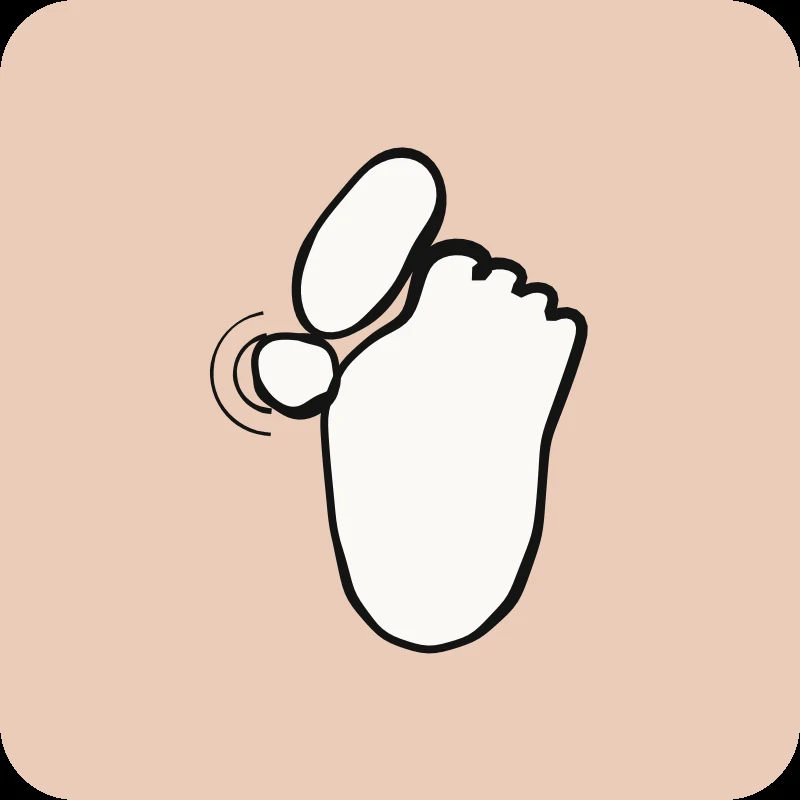

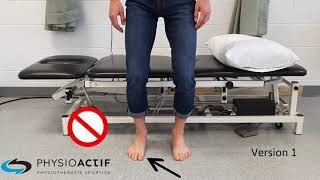
A bump at the base of the big toe may be related to hallux valgus, often called a “bunion.” In this condition, the big toe deviates toward the other toes. An evaluation can determine the cause of the bump and any pain, if present.
A bunion may be present without causing pain.1, 2 For those who experience pain, non-surgical treatments, including physical therapy, can help relieve discomfort, especially for mild to moderate deformities.
Three key points for understanding treatments:
- Deformation does not always cause pain
- Surgery targets pain and problems related to the foot, not just its appearance. In a trial involving 209 people with painful hallux valgus, surgery reduced pain more significantly at one year than supportive insoles—known as orthotics—or a waiting list3.
- For mild to moderate hallux valgus, exercises can modestly reduce the angle of deviation. Combining them with a supportive tape or orthotic device can also reduce pain. A review of eleven trials reports these benefits, but the programs differ, and higher-quality trials are still needed4.
10 Quick Tips to Understand Your Pain
One tip a day for 10 days to help you better understand your pain. About a 2-minute read.
This guide will help you understand your hallux valgus, recognize when to seek professional advice, and discover treatment options. For an overview, consult our complete guide to physiotherapy.
What is Hallux Valgus (Bunion)?
Hallux valgus is a deviation of the big toe toward the second toe, accompanied by a shift of the bone at its base toward the inside of the foot. This misalignment forms the bump known as a “bunion.” It affectsthe forefoot, the part of the foot near the toes.
A meta-analysis of 76 studies estimated the prevalence of hallux valgus at 23% among adults aged 18 to 65 and at 35.7% among those over 65. The estimates varied depending on the population and the assessment method.5The metatarsophalangeal joint, located at the base of the big toe, connects the big toe to the long bone of the foot called the metatarsal.
The appearance of your toe alone does not determine your pain or your ability to walk. An asymptomatic bunion may not require any treatment.
What Causes Hallux Valgus?
Hallux valgus develops as a result of several factors, including foot shape and a family predisposition. Injuries, foot mechanics, and certain joint problems may also play a role. Tight shoes can particularly exacerbate discomfort; their exact role in the development of the deformity remains unclear.
The table distinguishes between factors associated with hallux valgus and habits that you can change. An association does not prove that a factor caused your deformity.
| Factor | Description | Modifiable? |
|---|---|---|
| Genetics | Foot shape is partly hereditary. In a Turkish study, 53.2% of the 1,443 people who reported having hallux valgus also reported a case of the condition in their family. This result does not distinguish between heredity andshared family habits⁶, 2. | No |
| Unsuitable Shoes | Shoes that put pressure on the big toe can increase pain and friction on the bump. Studies do not allow us to attribute every case of hallux valgus to a specific type of shoe.7, 6 | Yes |
| Previous Injury | A previous fracture or injury around the big toe can alter its weight-bearing pattern and alignment. An ankle sprain also requires an evaluation of gait, although it is not an established cause of every case of hallux valgus. | No |
| Osteoarthritis | Osteoarthritis affects the cartilage—the smooth tissue that covers the ends of bones—and other parts of the joint. In a Japanese study of people aged 65 and older, knee osteoarthritis was associated with an increased incidence of hallux valgus. This does not prove that it causes the deformity of the big toe8. | Partially |
| Foot Support and Movement | The shape of the foot and walking style affect the distribution of forces around the big toe. The assessment examines these factors without attributing the deformity to a single walking style. | Partially |
What are the Symptoms of Hallux Valgus?
The most common symptoms of hallux valgus are pain in the front of the foot, at the big toe joint; swelling around the bump; and redness or irritation around the bump.
Visible deformity may be present without causing any symptoms.
For those who develop symptoms:
Pain in the big toe joint: The pain may be dull or sharp, depending on the activity.
Pain often increases when you:- Move the toe at the end of the movement
- Walk for long periods or go grocery shopping
- Run or exert yourself
- Wear shoes that are too tight
Swelling and irritation: The friction between the shoe and the bump can increase discomfort. A wider shoe may relieve this irritation. If the discomfort persists despite adjusting your activities, a physical therapy evaluation can help identify the cause.
Seek urgent medical attention if a painful joint becomes swollen and warm, or if the pain is accompanied by general malaise, fever, or sensations of heat, cold, or chills. Pain in the big toe isn’t always caused by a bunion. Warning signs of joint pain may indicate another problem that requires prompt treatment.
Go to the emergency room if you can no longer walk or put weight on your leg, or if a joint appears to be dislocated. After a fall or injury, severe pain, tingling, or loss of sensation around the joint also require emergency care.
| Symptom | Description | When it occurs |
|---|---|---|
| Pain | At the base of the big toe | Movement, walking, running |
| Swelling | Around the bump | During or after an irritating activity |
| Redness and warmth | Friction may occur; if the joint is also swollen and painful, seek urgent medical attention | After a sprain or with another joint problem |
How is a bunion (hallux valgus) diagnosed?
A healthcare professional can diagnose hallux valgus by examining the position of the big toe and discussing your symptoms. This foot examination also helps identify the causes of any pain that may accompany the condition.
Your healthcare professional will assess:
Examination of the foot: The healthcare professional examines the deviation of the toe and the bump at its base.
Range-of-motion examination: The healthcare professional checks how far the toe can move and which movements are painful.
Gait analysis: The professional observes how you place your foot and whether you adjust your weight distribution to avoid pain.
X-ray: This X-ray image of the bones allows for measuring the misalignment and evaluating the joint. Images taken while standing are particularly helpful in preparing for surgery.7, 2 The healthcare professional determines whether an X-ray is necessary based on your symptoms, the suspected diagnosis, and the planned treatment.
When should you see a physiotherapist for a bunion?
A physical therapy appointment is helpful when pain, stiffness, or difficulty walking interferes with your daily activities. The physical therapist can help you use your foot more effectively and refer you to a doctor if necessary.
In Quebec, you can see a physical therapist directly at a private clinic without first seeing a doctor.The Quebec Professional Order of Physical Therapy explains this direct access. However, warning signs require an urgent medical consultation.
You can also seek advice and exercises if you notice a loss of flexibility, even without pain.
Good reasons to consult us:- Pain limiting your daily activities
- Pain that persists despite rest
- Loss of toe mobility
- Difficulty walking normally
- Worry about it getting worse
- Hallux valgus accompanied by diabetes; consult a healthcare professional to monitor the health of your feet
How does physiotherapy treat bunions (hallux valgus)?
Foot and ankle physical therapy helps relieve the symptoms of hallux valgus through tailored exercises and advice. The program may include hand-guided toe movements, strengthening exercises, and adjustments to activities or footwear.
Your physical therapist will conduct a detailed evaluation to identify the factors contributing to your pain. The deformity alone does not explain all of your symptoms.
Non-surgical treatments aim to reduce pain and maintain the ability to walk and perform daily activities. Some programs have also modestly reduced the angle of deviation in clinical trials, though they do not guarantee that the bump will disappear permanently.
The evaluation includes:- Ability to move the toes and ankle
- Assessment of nerve function—nerves transmit messages related to sensation and movement—if your symptoms warrant it
- How to place your foot and control your movements
- Foot strength and balance
| Assessed element | Intervention |
|---|---|
| Toe and Ankle Movements | Hand-Guided Movements |
| Strength and Balance | Strengthening exercises |
| Movement Control | Exercises to Control Foot Movements |
| Daily activities | Guidance on duration, breaks, and resuming activities |
- Will guide your toe's movements with their hands to help you move with less pain
- It will provide you with specific exercises that target the muscles in the foot. Strengthening exercises can help improve the big toe's ability to push off and the toes' ability to spread apart.
- Will teach you how to control the movements of your foot—for example, how to spread your toes while keeping your heel on the ground
- It will guide you in balancing your activities so you can stay active without causing a lasting increase in pain—a principle of managing chronic pain
- Advise you on your posture and footwear
A trial involving 56 women with moderate, painful hallux valgus compared a combined program to a waiting list with no intervention. The program combined guided manual movements, foot strengthening, ankle stretches, and a toe spreader. After 36 sessions over three months, the treatment group experienced less pain and demonstrated improved foot function, greater strength, and increased ankle mobility. The angle of deviation had also decreased more significantly. These differences were still present one year later. This trial does not allow for isolating the effect of each component or establishing a standard treatment regimen for everyone.
What home exercises can you do for a bunion (hallux valgus)?
Home exercises for hallux valgus may include gentle movements of the big toe and exercises to strengthen the muscles that spread the toes apart. Work with your physical therapist to choose the exercises and determine the appropriate frequency, based on your pain level and foot mobility.
If you have symptoms, cut back on activities that cause too much pain and gradually resume them. The goal is to find the right balance—not to stop moving altogether. This principle also applies to other conditions, such as plantar fasciitis.
Helpful tips:- Wear shoes that aren't too tight, with enough room in the front so your toes aren't cramped
- Gently move your big toe upward, as far as feels comfortable. Do not force a painful or stiff joint. Your physical therapist can adjust the stretch
- Gently spread your toes while keeping your foot on the floor, then relax. Work within a comfortable range, and adjust the movement if you have trouble controlling it.
- Avoid high heels if they make the pain worse
- Stay active with activities you can comfortably do, such as biking or swimming, if these activities are comfortable for you
- Orthotics support the foot, toe spreaders separate the toes, and splints maintain a specific position. These devices may provide relief for some people. A review of toe spreaders reports improvements in pain and, in some cases, in the angle of deviation, but the studies are small and use different devices. The best way to use them and their long-term effects remain uncertain9.
If your symptoms persist despite this at-home care, consult your physical therapist. An evaluation can help identify the underlying causes and develop a tailored plan.
When is surgery necessary for a bunion (hallux valgus)?
Surgery for hallux valgus may be considered if pain or difficulty walking remains significant despite appropriate non-surgical treatment. It is not automatically necessary and is not intended solely to improve the appearance of the foot.
If you have no symptoms: surgery performed solely for cosmetic reasons is not recommended. It can cause pain that did not exist before, as explained in the recommendations for bunion surgery.
If you have symptoms: non-surgical treatments include choosing appropriate footwear, support devices, and physical therapy. Their effectiveness should be reassessed based on your pain and your activities. The trial comparing surgery and orthotics did not test a comprehensive program of exercises and manually guided movements. In this trial involving people with painful hallux valgus, orthotics provided greater pain relief than the wait-and-see approach at six months. Surgery provided greater relief than orthotics or the wait-and-see approach at one year3.
| Scenario | Recommendation | Why |
|---|---|---|
| Asymptomatic | Surgery not recommended | Risk of causing pain after surgery |
| With pain or difficulty walking | Non-Surgical Treatments to Try | Relief may be possible with proper footwear, devices, or exercises. In a trial involving people with pain, orthotics provided greater relief than the wait-and-see approach at six months3 |
| Persistent pain or limited mobility despite treatment | Surgery to consider | The treatments tried do not provide sufficient relief from pain or difficulty walking |
The decision is made in consultation with an orthopedic surgeon, a doctor who specializes in bones and joints. The discussion covers treatments already tried, expected benefits, risks, and recovery time.
How to prevent bunions from getting worse?
Non-surgical treatments do not guarantee that hallux valgus will stop progressing. Proper footwear and exercises can improve comfort and, in some studies, reduce the angle of deviation. Follow-up visits are used to adjust treatment if there are changes in pain, walking ability, or the shape of the foot.
You cannot change your genetic makeup. However, you can reduce the pressure from your shoes on your toe and adjust the activities that trigger pain. These measures do not guarantee that all symptoms will be prevented or that the condition will not progress.
Choose the right shoes: make sure there is enough room in the front of the shoe to wiggle your toes. Avoid pointy-toed shoes. This recommendation also applies to other foot conditions.
Maintain mobility: Perform gentle stretches of the big toe as part of the therapeutic exercises tailored to your situation, according to the program agreed upon with your physical therapist.
Watch for changes: check quickly to see if the deformity is progressing or if symptoms appear. An evaluation will help adjust your care.
Adjust your activities: modify activities that cause pain or alternate them with activities that put less strain on your foot. This approach to active pain management can help you stay active.
Additional Guides on Joint Pain
Our supplementary guides explain neck and back pain, as well as osteoarthritis of the knee, hip, and neck. These topics pertain to other areas of the body and, on their own, do not explain hallux valgus.
Need professional advice?
Our physical therapists can assess your condition and provide you with a personalized treatment plan.
Make an appointmentReferences
Links open in a new tab.
- Badlissi F, Dunn JE, Link CL, Keysor JJ, McKinlay JB, Felson DT. Musculoskeletal disorders of the foot, pain, and foot-related functional limitations in older adults. J Am Geriatr Soc. 2005;53(6):1029-33. (Back to section: 1)
- Wülker N, Mittag F. The treatment of hallux valgus. Dtsch Arztebl Int. 2012;109(49):857-67; quiz 868. (Back to sections: 1, 2, 3)
- Torkki M, Malmivaara A, Seitsalo S, Hoikka V, Laippala P, Paavolainen P. Surgery vs. orthosis vs. watchful waiting for hallux valgus: a randomized controlled trial. JAMA. 2001;285(19):2474-80. (Back to sections: 1, 2, 3)
- Zhu Z, Liu Y, Wang L, Liu H, Wang J. Effects of exercise combined with external support on hallux valgus angle and pain: A systematic review and network meta-analysis. Foot Ankle Surg. 2026;32(3):199-212. (Back to section: 1)
- Nix S, Smith M, Vicenzino B. Prevalence of hallux valgus in the general population: a systematic review and meta-analysis. J Foot Ankle Res. 2010;3:21. (Back to section: 1)
- ŞAYLI U, Çiğdem ALTUNOK E, GÜVEN M, AKMAN B, BİROS J, ŞAYLI A. Estimation of the prevalence and familial tendency of common forefoot deformities in Turkey: A survey of 2,662 adults. Acta Orthopaedica et Traumatologica Turcica. 2020;52(3):167-173. (Back to sections: 1, 2)
- Perler A, Dixon M, Alvi F. Hallux Valgus. StatPearls. 2026. (Back to sections: 1, 2)
- Nishimura A, Fukuda A, Nakazora S, Uchida A, Sudo A, Kato K, et al. Prevalence of hallux valgus and risk factors among Japanese community residents. J Orthop Sci. 2014;19(2):257-262. (Back to section: 1)
- Krześniak H, Truszczyńska-Baszak A. Toe Separators as a Therapeutic Tool in Physical Therapy: A Systematic Review. J Clin Med. 2024;13(24). (Back to section: 1)
- Fraissler L, Konrads C, Hoberg M, Rudert M, Walcher M. Treatment of hallux valgus deformity. EFORT Open Rev. 2016;1(8):295-302.
.jpg)
.jpg)
Other conditions

Hip osteoarthritis is the normal wear and tear of the hip joint. It is often said that osteoarthritis is the wear and tear of the cartilage between our bones. That is true, but it involves more than just the cartilage. Cartilage is a tissue that acts as a cushion between the surfaces of our bones and allows our joints to glide smoothly and move fluidly.
This is normal wear and tear of the knee joint. It’s often said that osteoarthritis is the wearing down of the cartilage between our bones. That’s true, but it’s more than just the cartilage. Cartilage is a tissue that acts as a cushion between the surfaces of our bones and allows our joints to glide smoothly and move fluidly.
It is an inflammation of the subacromial bursa in the shoulder joint.
A bursa is a small, thin sac filled with fluid that is found in many of the body's joints. This small sac acts as a cushion within the joint and lubricates the structures that are subject to increased friction.
It is a tissue that surrounds the shoulder and helps keep the shoulder bone in place within the joint. The capsule helps keep the joint stable.
Neck pain is a general term used to describe pain in the neck that has no specific cause, such as an accident or a sudden awkward movement. Neck pain is therefore synonymous with “my neck hurts, and nothing in particular happened.”
In both types of injury, pain is felt in the neck and then radiates into the arm, or vice versa.
Make an appointment now
We offer a three-pronged quality assurance approach: optimized treatment time, a second opinion from a physical therapist, and ongoing expertise to ensure effective care tailored to your needs.

Customer satisfaction is our top priority
At Physioactif, excellence guides everything we do, but our patients are the best ones to tell you about it. Take a look at their verified reviews to get a real sense of their experience.








Discover our physical therapy clinics
We have locations in several areas to better serve you.
Blainville
190 Bas-de-Sainte-Thérèse Road, Suite 110,
Blainville, Quebec
J7B 1A7
Located in Blainville, near Rosemère, the Physioactif clinic is easily accessible to residents of the area and the surrounding communities
Boucherville
690 Rue de Montbrun, Suite S,
Boucherville, Quebec
J4B 8H2
Located in Boucherville, the Physioactif clinic is easily accessible to people in the area
Laval
3224 Jean-Béraud Ave., Suite 220, Laval,
QC H7T 2S4
Located in Chomedey, in the heart of Laval, the Physioactif clinic is easily accessible to people in the area
Montreal
8801 Lajeunesse Street,
Montreal,
QC H2M 1R8
Located in Ahuntsic, near Villeray, the Physioactif clinic is easily accessible to residents of both neighborhoods
Saint-Eustache
180 25th Avenue, Suite
201 Saint-Eustache
QC J7P 2V2
Located in Saint-Eustache, the Physioactif clinic is easily accessible to residents of the area and the surrounding communities
Vaudreuil
21 Cité-des-Jeunes Boulevard, Suite 240,
Vaudreuil-Dorion, Quebec
J7V 0N3
Located in Vaudreuil-Dorion, the Physioactif clinic is easily accessible to people in the area
Make an appointment now