Knee cap dislocation or subluxation
This occurs when the kneecap (patella) moves out of its normal position, often described as the kneecap ‘”dislocating’’. Generally, the kneecap dislocates towards the outside of the knee.
.png)
.png)
.png)


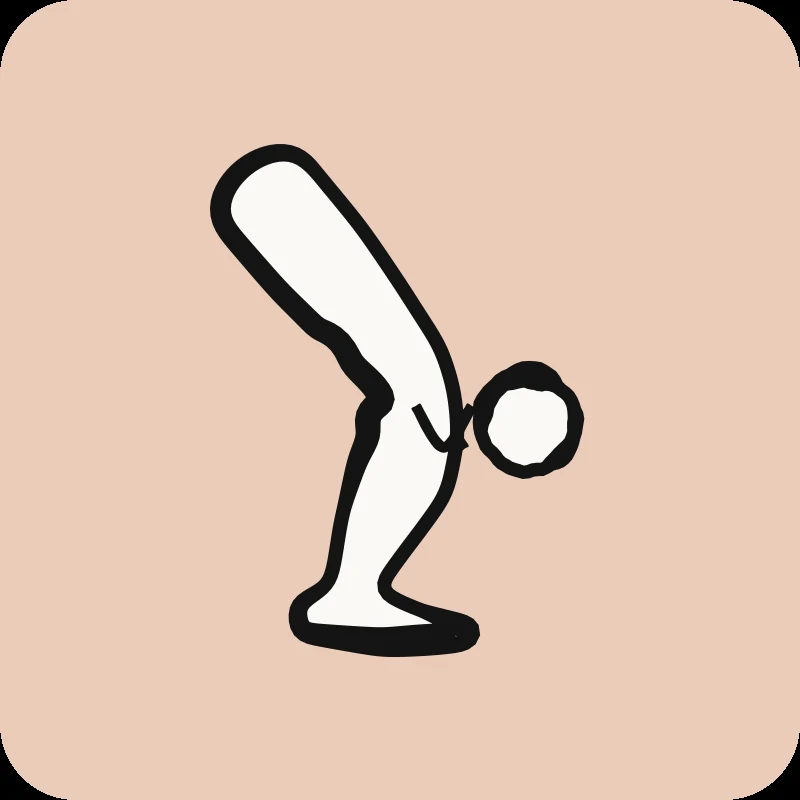


Feeling your kneecap pop out of place can be frightening. The sudden displacement and pain in the knee can leave people in shock. This injury most commonly affects active teenagers and young adults. Knee rehabilitation refers to the care and exercises that help restore movement and activity after an injury.
The kneecap often pops back into place on its own when the leg is extended.1 A prompt medical evaluation is still necessary, even if the pain subsides. Do not attempt to realign the kneecap yourself. Following this evaluation, physical therapy may be part of the recovery process, with or without surgery. The choice depends largely on any associated injuries, age, and anatomy.
After an initial dislocation treated without surgery, some patients will experience another episode of instability in the same knee, especially younger patients.2 In a study of children and adolescents, 38.4% of the 198 knees treated without surgery experienced a recurrence. The rate rose to 69% when growth was not yet complete and the groove guiding the patella was shallow, a condition known as trochlear dysplasia.3 Other studies report recurrence rates of 15 to 44% following non-surgical treatment, and up to 50% in individuals who have previously experienced at least two dislocations.1
10 Quick Tips to Understand Your Pain
One tip a day for 10 days to help you better understand your pain. About a 2-minute read.
What clinical research shows:
- It is common for the kneecap to return to its normal position on its own. This does not mean the injury is minor, nor does it replace a medical examination.1
- A trial involving 20 people who had experienced a first traumatic dislocation compared treatment with and without surgery. At two years, the results tended to favor surgery: the score assessing knee-related difficulties was slightly better, and new dislocations occurred in 16.7% of participants compared with 37.5% in the group without surgery. The differences were too small to conclude that surgery offered an advantage in this small trial.4
- After an initial dislocation, the decision between surgical and non-surgical treatment depends on the risk of recurrence and any associated injuries. A loose fragment of bone and cartilage may require surgery. Cartilage is the smooth lining of the bones within a joint.
- Recovery progresses based on the range of motion, the knee’s response to exertion, and the strength and control of movements. These guidelines help direct a gradual return to activities.
This guide explores the causes, symptoms, diagnosis, and treatment of kneecap dislocation. To better understand how physiotherapy can help you with your recovery, consult our complete guide to physiotherapy.
What is a Dislocated Kneecap?
A patellar dislocation is a complete displacement of the patella out of the groove in the femur, the thigh bone. A subluxation is a partial displacement. The displacement usually occurs toward the outside of the knee and often injures the medial patellofemoral ligament (MPFL), a strong band that connects the patella to the femur on the inner side.5, 4 This injury commonly affects young athletes.
The patella is a small, triangle-shaped bone located at the front of the knee. It glides along a V-shaped groove called the trochlea (the groove at the end of the femur). This groove guides the movement of the patella when you bend or straighten your knee.
The patella, which protrudes outward from the knee, is laterally dislocated. This term describes the direction of the displacement.
This injury mainly affects teenagers.2 According to studies, the risk is particularly high between the ages of 10 and 19, with an estimated peak between the ages of 15 and 19 in a large general population study—a rate significantly higher than in the rest of the population.1, 6
Some people describe a clicking sound followed by the kneecap popping back into place. This spontaneous return to its normal position may be reassuring, but it does not rule out an injury to the ligaments, cartilage, or bone.
What are the Symptoms of a Dislocated Kneecap?
A dislocated kneecap can cause sudden pain in the front of the knee, a feeling that the kneecap has shifted out of place, a popping sound, rapid swelling, and difficulty moving. After the kneecap is back in place, the pain is often felt on the inner side of the knee.
Rapid swelling may result from bleeding within the joint, known as hemarthrosis. This accumulation of blood may accompany a recent injury and requires an evaluation for associated damage.3, 1
If the patella remains dislocated, it can cause a bulge on the outside of the knee and deform the joint. This situation requires evaluation in the emergency room.
Pain on the inner side may indicate a strain or tear of the medial patellofemoral ligament (MPFL). Pain alone does not confirm this injury.7 An imaging study found MFL injury in 90.2% of children and 100% of adults examined following a dislocation.5
The LPFM prevents the patella from shifting outward.8 The journal reports that it provides approximately 50 to 60 percent of the passive resistance to this movement—that is, the resistance provided by the structures without muscle contraction. Its role is particularly important between 0 and 30 degrees of knee flexion, from a straight knee at the start of the bend.8
When to Seek Immediate Help for a Dislocated Kneecap?
A dislocated patella, a deformed knee, or rapid swelling following an injury require an evaluation in the emergency room. Severe pain or an inability to bear weight also require urgent medical attention. The fact sheet on patellar dislocation outlines these situations.
After a knee injury, the following symptoms should be reported immediately:
- Dislocated kneecap or deformed knee: Go to the emergency room, even if you think the kneecap might pop back into place.
- If you can't move your knee or put weight on it, seek urgent medical attention. If the pain prevents you from moving your leg to get to the emergency room, call an ambulance.
- Very rapid swelling, a popping sound at the time of the injury, a visible bone, or heavy bleeding: go to the emergency room.
- Severe pain, swelling, or a bruise: seek urgent medical attention. A bruise is a bluish mark under the skin. Don’t wait for rest or ice to relieve the pain in your knee before seeing a doctor.
- Numbness or tingling in your leg or foot: Go to the emergency room.
- If your leg or foot is pale, bluish, or cold: go to the emergency room.
Even if the kneecap has returned to its proper position, a doctor should examine the knee as soon as possible. The examination and imaging tests are primarily intended to rule out a fracture. In the meantime, keep the knee still and supported in a comfortable position. Do not try to walk, lift the knee, or put it back in place yourself.
The medical evaluation looks for injuries to the cartilage, bone, and ligaments. It helps determine the appropriate treatment; surgery is not always necessary.
What Causes a Dislocated Kneecap?
A dislocated patella can be caused by twisting, pivoting, or a direct blow to the knee. A shallow patellar groove, a high-set patella, and very loose ligaments can also contribute to instability.
Triggering Mechanisms
A common mechanism involves twisting with the foot planted on the ground while the body changes direction. In particular, the twisting motion can occur with the knee nearly straight and the foot turned outward. The exact position of the knee varies depending on the accident.1Sports such as basketball, soccer, and volleyball can increase the risk of this injury. An American study of dislocations seen in emergency departments identified basketball, soccer, and American football as the sports most commonly associated with this injury. Volleyball was also among the sports involved in the cases observed.6
A blow to the inner side of the kneecap can push it outward. This can happen during a collision—for example, in hockey or soccer—or during a fall. A knee-to-knee collision or contact with a helmet can also cause the dislocation.1
In some people, the kneecap dislocates during a simple movement, such as standing up from a chair or walking down stairs. A dislocation caused by minimal force may indicate a more significant anatomical predisposition, which should be evaluated by a doctor.
Anatomical factors
A shallow trochlea does not guide the patella as well; this condition is called trochlear dysplasia. It is associated with recurrent dislocations.9 A high patella can also contribute to instability, as it enters the groove later when the knee bends (role of patellar height).
Muscular and Ligamentous Factors
- Quadriceps strength: The strength of the muscle at the front of the thigh is assessed to guide post-injury exercises.
- Significant ligament laxity : Very flexible ligaments may allow the patella to move more freely. This hyperlaxity is one of the factors contributing to instability.1
- Family history: The doctor asks whether any parents, brothers, or sisters have had similar dislocations.
Strength training and exercises to improve movement control help prepare the knee for activities. The physical therapist adjusts the difficulty level to improve strength and confidence. These exercises do not alter the shape of the bones, and their specific effect on the risk of another dislocation remains uncertain.
How is a Dislocated Kneecap Diagnosed?
The doctor diagnoses a dislocated kneecap based on the patient’s account of the accident, a physical examination of the knee, and imaging tests. X-rays show the bones. Magnetic resonance imaging, or MRI, provides a more detailed view of the ligaments, cartilage, and other injuries. Our article on medical imaging explains its general role.
Clinical History
The patient’s description of the displacement, twisting, or impact, as well as the pain and swelling, guides the diagnosis. The doctor also asks whether there have been similar episodes in either knee and inquires about family history. The patient’s description alone is not a substitute for a physical examination and imaging tests.
Physical examination
The doctor first examines the injured knee. The physical therapist then completes the evaluation to plan the recovery. Pain and swelling may limit certain tests at first, but these will be repeated later if necessary:
- Palpation: The practitioner gently touches the knee to identify tender areas, particularly on the inner side near the LPFM.
- Fear Test: When a healthcare professional gently moves the kneecap, it may trigger a fear that it will pop out and cause a protective muscle contraction. This result is one of several indicators. Do not attempt this test yourself after an injury.
Imaging
X-rays are used primarily to check for a fracture. European guidelines published in 2025 also recommend an MRI shortly after a first dislocation to identify injuries and anatomical factors. The doctor may make an exception if the patient seeks care late, no longer has symptoms, and has normal examination findings. The choice of tests takes their availability into account.
MRI can be used, in particular, to assess:
- The condition of the LPFM and the location of any tear.
- The TT-TG distance: a measure of the misalignment between the attachment of the patellar tendon to the tibia—the bone at the front of the leg—and the groove in the femur. A tendon connects a muscle to a bone. In a study of knees that had undergone surgery for instability, 56% had a misalignment of at least 20 mm.10 In another series of 59 knees with instability, the 10 knees that exceeded or reached this threshold on MRI had all experienced repeated episodes. The odds ratio was 5.38: this statistical measure compares the incidence of recurrence between groups and does not provide an individual probability.11 This threshold alone is not sufficient to predict future outcomes or to decide whether to perform surgery.
- The presence of an osteochondral fragment—a piece of bone and cartilage that has become detached within the joint.
Factors Predicting Recurrence
A study of children and adolescents combined four factors to estimate the risk of recurrence: incomplete growth, trochlear dysplasia, a very high patella, and a history of dislocation in the other knee. The model estimated a recurrence rate of approximately 55% with two factors, 75% with three, and 88% with all four.12 These estimates are based on a specific group and do not predict with certainty what will happen to you.12
The shape of the trochlea plays a role in this assessment. One study links it to recurrent episodes,3 and another reports an odds ratio of 3.56 for dysplasia. This number measures the strength of the association in the study; it does not mean that every person will experience a new dislocation.12
How Does Physiotherapy Treat a Dislocated Kneecap?
Physical therapy helps restore movement, strength, and control of the knee following reduction and medical evaluation. It supports treatment with or without surgery. In two studies of young people, 89.2% and 83.5% of knees were initially treated without surgery.3, 12 These percentages reflect the treatment choices made. They do not, on their own, measure the effectiveness of those treatments.
The 2025 European Expert Group recommends guided exercises for the thigh and hip muscles, as well as movements, walking, and sports-related activities. Progress is tracked using measurable indicators, such as strength and swelling after exercise. The subsequent phases are tailored to injuries and medical recommendations.
Phase 1: Protection Following Initial Treatment
After the initial evaluation and treatment, a period of relative rest involves limiting activities that irritate the knee. Inflammation is part of the normal response to injury. Ice wrapped in a cloth and elevating the leg can help manage pain or swelling. Light compression may be recommended if appropriate for the injury. Movement and weight-bearing resume according to the instructions received; a brace—a device that supports or limits knee movement—or crutches may be necessary.
The doctor determines the duration of protection based on the extent of the injury, pain, and swelling. The physical therapist then introduces quadriceps contractions and gradually increases the intensity of the exercises based on the patient’s tolerance. The brace supports the knee when its use is indicated; it does not replace strength training.
Phase 2: Movement and Strength Training
The goal is to regain the ability to bend and straighten the knee. The physical therapist may gently guide the movements of the kneecap when the injury and the stability of the knee allow it. The therapist adheres to the protective guidelines and limits established after the injury.
10 Quick Tips to Understand Your Pain
One tip a day for 10 days to help you better understand your pain. About a 2-minute read.
Strengthening progresses from static contractions to dynamic exercises. Examples include straightening the leg with appropriate resistance, performing small knee bends, and stepping up onto a step. The exercises target the entire quadriceps and focus on knee control during weight-bearing movements.
Strengthening the hips complements the strengthening of the quadriceps. The muscles that move the thigh away from the body—including the gluteus medius—and those that rotate the thigh outward help you maintain balance while standing on one leg. The exercises are tailored to your strength and endurance.
Phase 3: Proprioception
Proprioception is the ability to sense the position and movement of your joints without looking at them. Exercises that focus on balance, changing direction, and standing on one leg help you regain control and confidence in your movements.
The physical therapist may have the patient practice balancing on one leg, then on a cushion or balance board. Closing the eyes or holding a ball adds a level of difficulty once the knee is ready. The exercises progress with support to prevent a fall.
The exercise on controlling movement then incorporates jumps in place or to the side, controlled changes of direction, and gradual pivots.
Phase 4: Return to Sport
A return to sports depends on the knee's recovery. The professional assesses pain, swelling, range of motion, strength, stability, and confidence before authorizing more demanding activities.
Progression can range from running in a straight line to changes of direction, and then to sprints and rapid changes of direction. Sport-specific training follows once these movements are mastered.
Taping—adhesive strips applied around the kneecap—can aid in the return to activity. In a small trial, 18 adults without fractures received either tape or a cast after one week in a splint. The group that received tape showed better outcomes in terms of knee function at several follow-up visits, including at six and twelve weeks, as well as at five years (trial comparing tape and cast). No recurrences were observed in either group, but this small sample size does not allow us to guarantee their prevention. Tapes are not a substitute for exercises or criteria for returning to sports.
How Long Does Recovery from a Dislocated Kneecap Take?
Full recovery from a patellar dislocation can take several months. You may be able to resume simple activities sooner, depending on the extent of the injury and the treatment. Sports require more strength and stability than walking or daily activities (recovery from a dislocation).
Typical progression
For children, the American Academy of Orthopaedic Surgeons fact sheet provides a general guideline of three to six weeks for resuming certain activities. A full return to high-impact sports may take longer (resuming activities in children). These timeframes are not a substitute for a knee evaluation, and surgery may alter the timeline.
Walking, climbing stairs, and grocery shopping can be gradually resumed once the knee can handle the permitted level of activity. A significant increase in pain or swelling indicates that the level of activity should be reassessed with a healthcare professional.
Returning to sports requires the absence of pain and swelling, a full range of motion, nearly equal strength in both legs, and good balance.13 The journal reports that about two out of three people return to their pre-injury athletic level, with or without surgery.13 Sports involving jumping and changes in direction, such as basketball, soccer, and volleyball, require special preparation. Running in a straight line and controlled movements should precede more demanding athletic activities.
Factors that can slow down recovery
- Loose bone and cartilage fragments: This may require surgery, which changes the recovery process.
- Cartilage injury: It can contribute to persistent symptoms.
- Participation in exercises: Regular practice helps improve strength and control of movements. The difficulty level should be adjusted if symptoms interrupt the program.
- Important anatomical factors: These can increase the risk of recurrent dislocation and may lead to a discussion of surgical treatment.
When to Consult a Specialist for a Dislocated Kneecap?
A consultation with an orthopedic surgeon is recommended when a fragment breaks off, instability persists, or an evaluation indicates a significant risk of recurrence. This doctor specializes in bones and joints. A consultation may be recommended as early as the first episode; it does not necessarily mean you will need surgery.
Important Context
Non-surgical treatments remain an option, especially when the risk of recurrence is low. Your doctor will discuss the benefits and risks based on the nature of the lesions, their growth, your anatomy, and your goals. The 2025 treatment guidelines recommend this individualized approach.
Indications for Surgical Consultation
- A fragment of bone or cartilage in the joint: this loose body can cause a blockage or pain. The surgeon determines whether it can be secured or repaired. Some surgeries use a camera and small incisions, a technique called arthroscopy.
- Repeated dislocations or high risk of recurrence: In the pediatric study cited, 69% of knees with incomplete growth and trochlear dysplasia experienced a recurrence. The instantaneous risk ratio was 3.3, a measure that takes into account when the episodes occur during follow-up.3 Repeated episodes and instability despite exercise therapy warrant a discussion with the surgeon. It is not necessary to wait for multiple dislocations if the initial evaluation already indicates a high risk.
- Cartilage injury: In a series of 70 knees with recurrent dislocations, 67 (96%) showed a patellar cartilage lesion upon direct examination or arthroscopic examination.14 This finding does not automatically apply to a first-time dislocation. The changes observed do not always correspond to the pain experienced, as is the case with knee osteoarthritis. Symptoms, stability, and lesions are all taken into account when determining the course of treatment.
Surgical Options
LPFM reconstruction replaces the damaged ligament with tissue that forms a new attachment. Depending on the anatomy, the surgeon may also alter the position of the tendon’s attachment to the tibia or the shape of the groove in the femur. Not all of these bone procedures are suitable for growing children. The expected benefits are weighed against the risks, which include persistent pain, stiffness, or a fracture of the patella.
High-Performance Athletes
Reconstruction of the LPFM may be considered after repeated episodes or when the injuries and anatomy indicate a significant risk of instability. Athletic performance is one of the goals, but it is not the sole factor in deciding whether to perform surgery. The surgeon considers, in particular, the TT-TG distance, the shape of the trochlea, and the height of the patella.7
The decision is made together with you, the surgeon, and the physical therapist. The surgeon explains the proposed surgery, its risks, and the postoperative care. The physical therapist helps assess your abilities and prepare you to resume your activities.
Need professional advice?
Our physical therapists can assess your condition and provide you with a personalized treatment plan.
Make an appointmentReferences
Links open in a new tab.
- Wolfe S, Varacallo MA, Thomas JD, Carroll JJ, Kahwaji CI. Patellar Instability. StatPearls. 2026. (Back to sections: 1, 2, 3, 4, 5, 6, 7, 8)
- Vellios EE, Trivellas M, Arshi A, Beck JJ. Recurrent Patellofemoral Instability in Pediatric Patients: Management and Pitfalls. Curr Rev Musculoskelet Med. 2020;13(1):58-68. (Back to sections: 1, 2)
- Lewallen LW, McIntosh AL, Dahm DL. Predictors of recurrent instability after acute patellofemoral dislocation in pediatric and adolescent patients. Am J Sports Med. 2013;41(3):575-81. (Back to sections: 1, 2, 3, 4, 5)
- Petri M, Liodakis E, Hofmeister M, Despang FJ, Maier M, Balcarek P, et al. Surgical vs. conservative treatment of traumatic patellar dislocation: results of a prospective randomized controlled clinical trial. Arch Orthop Trauma Surg. 2013;133(2):209-13. (Back to sections: 1, 2)
- Balcarek P, Walde TA, Frosch S, Schüttrumpf JP, Wachowski MM, Stürmer KM, et al. Patellar dislocations in children, adolescents, and adults: a comparative MRI study of medial patellofemoral ligament injury patterns and trochlear groove anatomy. Eur J Radiol. 2011;79(3):415-20. (Back to sections: 1, 2)
- Waterman BR, Belmont PJ, Owens BD. Patellar dislocation in the United States: the role of sex, age, race, and athletic participation. J Knee Surg. 2012;25(1):51-7. (Back to sections: 1, 2)
- Baer MR, Macalena JA. Medial patellofemoral ligament reconstruction: patient selection and perspectives. Orthop Res Rev. 2017;9:83-91. (Back to sections: 1, 2)
- Krebs C, Tranovich M, Andrews K, Ebraheim N. The medial patellofemoral ligament: A review of the literature. J Orthop. 2018;15(2):596-599. (Back to sections: 1, 2)
- Batailler C, Neyret P. Trochlear dysplasia: imaging and treatment options. EFORT Open Rev. 2018;3(5):240-247. (Back to section: 1)
- Dejour H, Walch G, Nove-Josserand L, Guier C. Factors of patellar instability: an anatomical radiographic study. Knee Surg Sports Traumatol Arthrosc. 1994;2(1):19-26. (Back to section: 1)
- Heidenreich MJ, Camp CL, Dahm DL, Stuart MJ, Levy BA, Krych AJ. The contribution of the tibial tubercle to patellar instability: analysis of tibial tubercle-trochlear groove (TT-TG) and tibial tubercle-posterior cruciate ligament (TT-PCL) distances. Knee Surg Sports Traumatol Arthrosc. 2017;25(8):2347-2351. (Back to section: 1)
- Jaquith BP, Parikh SN. Predictors of Recurrent Patellar Instability in Children and Adolescents After a First-time Dislocation. J Pediatr Orthop. 2017;37(7):484-490. (Back to sections: 1, 2, 3, 4)
- Ménétrey J, Putman S, Gard S. Return to sport after patellar dislocation or following surgery for patellofemoral instability. Knee Surg Sports Traumatol Arthrosc. 2014;22(10):2320-6. (Back to sections: 1, 2)
- Nomura E, Inoue M. Cartilage lesions of the patella in recurrent patellar dislocation. Am J Sports Med. 2004;32(2):498-502. (Back to section 1)
- Fithian DC, Paxton EW, Stone ML, Silva P, Davis DK, Elias DA, et al. Epidemiology and natural history of acute patellar dislocation. Am J Sports Med. 2004;32(5):1114-21.
Videos in this category
.jpg)
.jpg)
Other conditions

Hip osteoarthritis is the normal wear and tear of the hip joint. It is often said that osteoarthritis is the wear and tear of the cartilage between our bones. That is true, but it involves more than just the cartilage. Cartilage is a tissue that acts as a cushion between the surfaces of our bones and allows our joints to glide smoothly and move fluidly.
This is normal wear and tear of the knee joint. It’s often said that osteoarthritis is the wearing down of the cartilage between our bones. That’s true, but it’s more than just the cartilage. Cartilage is a tissue that acts as a cushion between the surfaces of our bones and allows our joints to glide smoothly and move fluidly.
It is an inflammation of the subacromial bursa in the shoulder joint.
A bursa is a small, thin sac filled with fluid that is found in many of the body's joints. This small sac acts as a cushion within the joint and lubricates the structures that are subject to increased friction.
It is a tissue that surrounds the shoulder and helps keep the shoulder bone in place within the joint. The capsule helps keep the joint stable.
Neck pain is a general term used to describe pain in the neck that has no specific cause, such as an accident or a sudden awkward movement. Neck pain is therefore synonymous with “my neck hurts, and nothing in particular happened.”
In both types of injury, pain is felt in the neck and then radiates into the arm, or vice versa.
Make an appointment now
We offer a three-pronged quality assurance approach: optimized treatment time, a second opinion from a physical therapist, and ongoing expertise to ensure effective care tailored to your needs.

Customer satisfaction is our top priority
At Physioactif, excellence guides everything we do, but our patients are the best ones to tell you about it. Take a look at their verified reviews to get a real sense of their experience.










Discover our physical therapy clinics
We have locations in several areas to better serve you.
Blainville
190 Bas-de-Sainte-Thérèse Road, Suite 110,
Blainville, Quebec
J7B 1A7
Located in Blainville, near Rosemère, the Physioactif clinic is easily accessible to residents of the area and the surrounding communities
Boucherville
690 Rue de Montbrun, Suite S,
Boucherville, Quebec
J4B 8H2
Located in Boucherville, the Physioactif clinic is easily accessible to people in the area
Laval
3224 Jean-Béraud Ave., Suite 220, Laval,
QC H7T 2S4
Located in Chomedey, in the heart of Laval, the Physioactif clinic is easily accessible to people in the area
Montreal
8801 Lajeunesse Street,
Montreal,
QC H2M 1R8
Located in Ahuntsic, near Villeray, the Physioactif clinic is easily accessible to residents of both neighborhoods
Saint-Eustache
180 25th Avenue, Suite
201 Saint-Eustache
QC J7P 2V2
Located in Saint-Eustache, the Physioactif clinic is easily accessible to residents of the area and the surrounding communities
Vaudreuil
21 Cité-des-Jeunes Boulevard, Suite 240,
Vaudreuil-Dorion, Quebec
J7V 0N3
Located in Vaudreuil-Dorion, the Physioactif clinic is easily accessible to people in the area
Make an appointment now