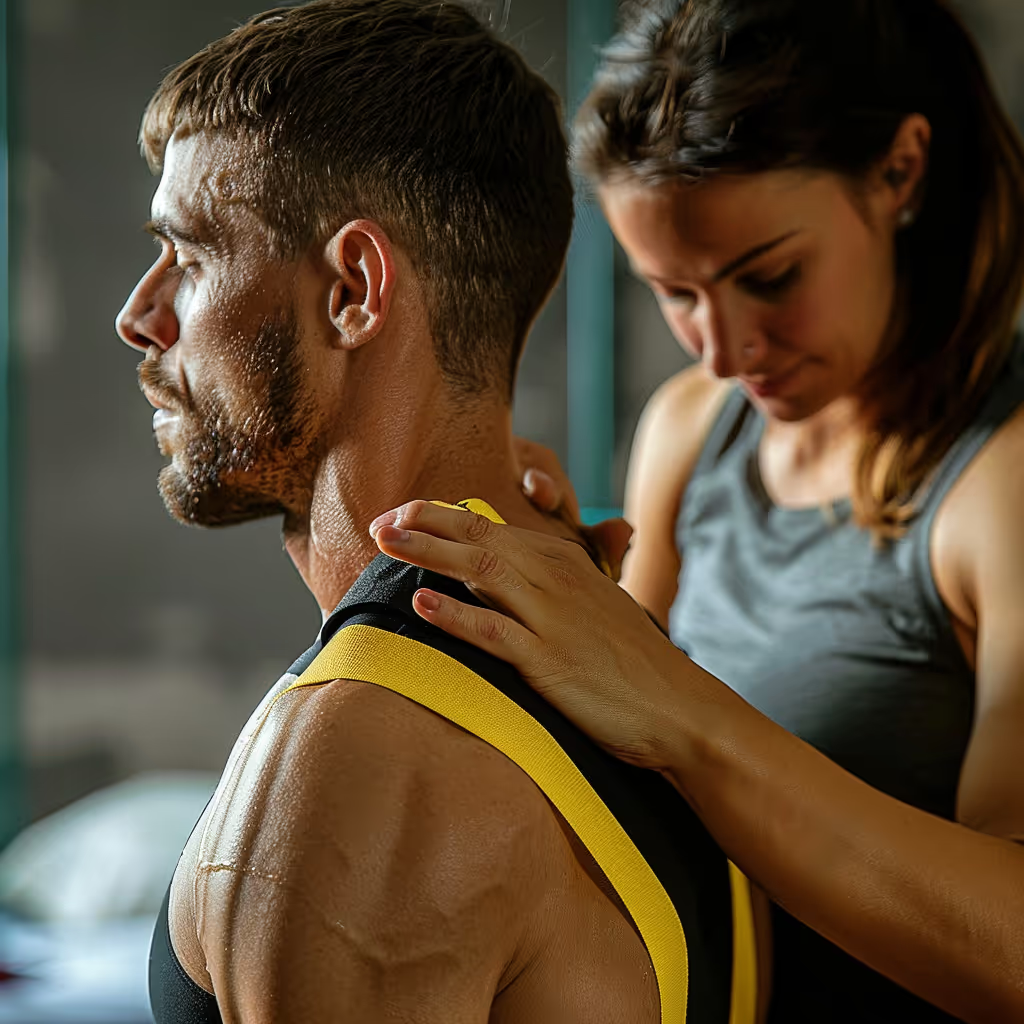
Physiotherapy for Cancer-Related Pain: Approaches and Benefits
.png)
.png)
.png)



How does physical therapy relieve cancer-related pain?
Physical therapy can help relieve certain types of cancer-related pain through tailored exercises, advice, and certain hands-on treatments. It also aims to reduce fatigue and help you maintain your independence during and after treatment. The choice of treatment depends on the cause of the pain and the guidelines provided by your healthcare team. To begin by understanding the types and causes of this pain, see our comprehensive guide on cancer-related pain.
Pain and fatigue can make daily activities difficult during your cancer journey. These symptoms warrant evaluation and treatment. You should discuss them with your care team, even if they seem to be expected side effects of treatment.
What the science shows:- Appropriate exercise reduces fatigue: A tailored exercise program can reduce fatigue. However, extreme fatigue requires an evaluation before increasing the level of exertion.
- Exercise is generally safe during treatment: International guidelines support exercise during and after treatment, provided the exercise program takes into account the patient’s health status and medical precautions.1
- Physical therapy can help relieve pain in people with cancer.
This guide explains the types of physical therapy available, their benefits, and precautions for people with cancer. For an overview of cancer-related pain, visit our dedicated page.
10 Quick Tips to Understand Your Pain
One tip a day for 10 days to help you better understand your pain. About a 2-minute read.
What is Oncological Physiotherapy?
Oncology physical therapy is a branch of physical therapy that supports people with cancer by addressing pain, fatigue, and mobility issues. It combines exercises, guidance, and care tailored to the effects of the disease and its treatments.
Physical therapy complements cancer care. The goals vary depending on the type of cancer, the treatments, and your priorities. After surgery, the focus may be on restoring movement. In cases of advanced disease, the focus may be on comfort, mobility, and the support needed for daily living. Your medical team and physical therapist will determine the appropriate care.
The main difference from general physical therapy lies in the professional’s specific expertise. A physical therapist trained in oncology understands the necessary precautions, the side effects of treatments, and the adjustments required for each situation. They tailor their interventions to account for these risks and your comfort.
What are the Goals of Physiotherapy in Oncology?
The goals are tailored to your needs and may include pain management using manual techniques, therapeutic exercises, and education to reduce your daily discomfort.
- Maintaining or Improving Mobility: Keeping your body moving despite treatments to preserve your independence.
- Fatigue Reduction: Tailored exercise programs that can reduce fatigue
- Preventing complications: Monitor swelling, minimize the loss of strength and endurance caused by inactivity, and practice movements that are becoming difficult
- Support for Independence: Enabling you to continue your daily activities, whether it's grocery shopping, caring for your family, or working.
A holistic approach to the individual
Oncology physical therapy goes far beyond simply relieving pain. It aims to improve your physical abilities and quality of life at every stage of your journey.
1. Personalized AssessmentYour physiotherapist begins by understanding your unique situation:
- Analysis of pain sources and their mechanisms
- Assessment of your mobility and strength
- Identifying activities you find difficult to perform
- Taking into account your stage of treatment and your current condition
Several techniques can be used:
- Hand-based treatments tailored to your health condition
- Releasing muscle tension
- Exercises designed to help relieve pain
The goal is to help you regain your abilities:
- Joint mobility exercises
- Progressive muscle strengthening
- Improved endurance
- Exercise training tailored to your goals
Understanding your pain helps you choose strategies for your daily life:
- Understanding pain mechanisms
- Strategies for Managing Your Symptoms on Your Own in Your Daily Life
- Home Exercise Program
- Scheduling Activities and Breaks Based on Your Energy Levels
What types of pain can be treated in cancer patients?
Physical therapy can be part of the management of pain caused by the tumor, treatments, surgery, or muscle and joint problems. For any type of pain, the first step is to determine its cause. Medical treatment of cancer and pain remains essential.
Tumor-related pain can occur when a tumor presses on a nerve or comes into contact with a bone or other tissue. Your oncology team, which is treating your cancer, will assess this pain and recommend appropriate care. Physical therapy can help maintain range of motion and adapt daily activities, without treating the tumor itself. A guide from the National Cancer Institute explains these different causes.
Iatrogenic pain is pain caused by treatment. Certain types of chemotherapy can damage the nerves in the hands and feet—a condition known as peripheral neuropathy. It can cause tingling, numbness, or a painful burning sensation that persists after treatment.2 Radiation therapy, which uses radiation to treat cancer, can also cause stiffness and pain. Physical therapy focuses on movement, activities, and balance based on your needs; however, it does not guarantee that neuropathy will go away.
Pain after surgery may persist following a mastectomy (removal of a breast) or a lung resection (removal of part of a lung). Scars, muscle tension, and loss of range of motion can make it difficult to perform daily activities. A gradual exercise program can help, provided the surgeon’s instructions are followed. In the PROSPER trial involving 392 women at risk of arm difficulties following breast surgery without reconstruction, exercises supervised by a physical therapist improved arm function and reduced pain at one year, more so than advice leaflets alone.
Surgery or a long period of inactivity can limit movement. Exercises help you gradually regain useful movements. After breast surgery without reconstruction, the PROSPER program combines shoulder movements, stretching, strengthening, and support to help you perform the exercises. Instructions vary depending on the type of surgery; do not strain a scar or attempt any prohibited movements.
Persistent pain may be accompanied by changes in nerve sensitivity. Duration alone does not reveal the cause or allow us to conclude that the pain persists independently of the disease. Cancer, treatments, sleep, and anxiety can also contribute to the experience of pain. Any new or changing pain should be reported to the medical team. The National Cancer Institute’s clinical summary describes the mechanisms of cancer-related pain.
Recent pain and persistent pain may have overlapping causes. Learn what distinguishes acute pain from chronic pain, and check out our guide to understanding chronic pain.
Muscle and joint pain may be related to a decrease in activity, a loss of strength, or another problem, such as osteoarthritis—a condition that primarily affects the cartilage, the smooth lining of the bone ends, and other joint tissues. It is not automatically caused by cancer. Physical therapy can help you resume your activities, after ruling out any causes that require medical attention.
How is pain assessed in oncology physiotherapy?
The physical therapist assesses your pain based on your descriptions, a range-of-motion exam, and questionnaires that help track your progress. The physical therapist also evaluates:
- How pain affects your daily activities and sleep
- Your fatigue level and how it interacts with pain
- Your current cancer treatments and their potential side effects
- Your personal goals and what matters most to you in your daily life
This comprehensive assessment forms the basis for creating a realistic treatment plan and measuring your progress over time.
The signs that require urgent medical care are described in our guide on cancer-related pain. The exercise tips in this article are not a substitute for that care.
How does physiotherapy help manage cancer-related fatigue?
Physical therapy helps manage cancer-related fatigue through a progressive exercise program and guidance on pacing oneself. A review of 113 trials, involving 11,525 people, found that exercise and psychological approaches are beneficial for fatigue during and after treatment. These two approaches yielded better average outcomes than the medications studied for fatigue.3 This comparison of study groups does not prove that exercise and psychological support are equally effective for every individual. It does not justify discontinuing a prescribed medication.
Cancer-related fatigue can occur at any point during your treatment journey. It’s different from ordinary fatigue: rest alone isn’t always enough to make it go away. This profound fatigue affects your ability to work, take care of yourself, and enjoy your activities. It’s frustrating, and we understand just how discouraging it can be.
A review of 56 studies found an average reduction in fatigue with exercise compared to control groups, either during or after treatment. The benefit was most evident for endurance exercises and for breast and prostate cancers.4 Rest remains necessary; this finding should not be interpreted as a requirement to exercise despite extreme fatigue or a complication.
Your exercise program is always personalized based on your condition each day. On days you feel better, you can do a bit more. On difficult days, you reduce the intensity. This flexibility is essential to keep you engaged without over-exhausting yourself.
What exercises help combat fatigue?
| Type of exercise | Examples | Guidelines to Be Adapted |
|---|---|---|
| Endurance Exercises | Walking, stationary bike, low-intensity swimming | A short session—for example, 5 to 10 minutes—can serve as a starting point if it is well tolerated. Effective programs for combating fatigue often progress to 30 minutes of moderate-intensity exercise, three times a week. |
| Muscle strengthening | Elastic bands, light weights | The programs we reviewed often include two sessions per week; the workout intensity and progression are tailored to your fitness level |
| Breathing Exercises | Calm breathing with movement of the abdomen and ribs | Short sessions, depending on your needs. Breathing exercises can help you relax; they are not a substitute for endurance or strength training designed to combat fatigue. |
| Mobility Exercises | Stretching, joint mobility exercises | Exercises tailored to the surgeon's and physical therapist's instructions. They are designed to help restore movement; their frequency depends on the body region and the treatment. |
The ideal training regimen follows the principle of "starting at a low intensity and gradually increasing it." Your physical therapist will guide you in finding the right balance between exercise and recovery based on your specific condition.
A common concern after certain treatments is lymphedema. Let's see how to manage it effectively.
How to manage lymphedema and treatment after-effects?
Lymphedema is treated with compression, exercise, skin care, and, as needed, manual lymphatic drainage; scars, cords under the arm, and nerve disorders require care tailored to each specific problem. After breast cancer, regular monitoring of the arm can detect swelling early and allow for intervention before it worsens.5, 6 The most appropriate screening methods and interventions continue to be studied.7
Lymphedema is swelling caused by the accumulation of lymph, a fluid normally transported by a network of small vessels; its treatment typically combines compression, exercise, and skin care. Surgery or radiation therapy can disrupt this network.8 Manual lymphatic drainage may be added to the treatment regimen. Its additional effect on the extent of swelling and on quality of life remains uncertain based on two reviews of randomized controlled trials.9, 10 An early evaluation helps in selecting the appropriate care and ruling out other causes of swelling.
Lymphedema can be managed to reduce swelling and make daily activities easier. A 2016 review reported on two small trials involving a total of 185 women who had undergone axillary lymph node dissection. Early physical therapy programs reduced the incidence of chronic lymphedema by more than half compared to education or monitoring alone.11 The programs and interventions varied, and follow-up was limited. This finding supports early assessment but does not guarantee the prevention of lymphedema.
How to prevent lymphedema?
Risk reduction begins with pre- or post-surgery counseling. It does not prevent all cases of lymphedema. The recommended measures take into account the treatment you have received and your condition.
- Early Postoperative Exercises: Arm movements, begun according to the surgical team’s instructions, help restore range of motion. The muscles also play a role in lymphatic drainage.
- Skin Care: Keeping skin hydrated and avoiding cuts or burns reduces the risk of infection
- Blood tests and blood pressure measurements: Following breast treatment, the NICE guidelines updated in 2025 find no consistent evidence of an increased risk associated with these procedures on the treated side. The choice of arm is determined based on medical need, other options, and your preferences. If you already have lymphedema, please mention it: the National Cancer Institute recommends choosing the arm without lymphedema.
- Active Monitoring: Monitor for a feeling of heaviness and swelling. The team can measure the circumference or volume of the limb and compare these measurements to previous records
Comprehensive decongestant treatment
Comprehensive decongestive therapy generally consists of two phases. For mild lymphedema of the arm following breast cancer, compression garments, exercises, and education may constitute the initial treatment. The more intensive program then depends on the patient’s response and the stage of the condition.5
Phase 1: Intensive Reduction- Manual lymphatic drainage: a soft-tissue technique for moving fluid
- Multilayer bandages: maintain the reduction between sessions
- Pumping exercises: repeated movements of the limb that engage the muscles to help move lymph
- Skin care: helps reduce the risk of infection
- Appropriate compression garments
- Regular maintenance exercises
- Drainage techniques you can learn to perform on your own, if indicated
- Ongoing monitoring
- Education: Understanding how to manage your condition daily to maintain results
What is Manual Lymphatic Drainage?
Manual lymphatic drainage uses specific techniques to promote the flow of lymph. It can be part of decongestive therapy, which aims to reduce swelling through compression, exercise, skin care, and teaching patients how to care for themselves at home.5, 12
The practitioner adjusts the treatment path based on the area being treated and the available pathways. The goal is to direct the fluid toward areas that are still draining it; the effect on swelling is assessed during the follow-up visit.
The duration of a manual lymphatic drainage session varies depending on the individual’s needs. The frequency depends on the severity of the lymphedema; sessions are more frequent when the treatment is aimed at reducing swelling, and then spaced out more widely to maintain the results.
After breast surgery involving the removal of lymph nodes—small organs that filter lymph—the addition of drainage alone to standard care did not clearly reduce the risk of lymphedema. For people who already have lymphedema in the arm, compression and exercise remain key components; the need for drainage depends on the evaluation.5
Other common after-effects and their management
Scars and AdhesionsAfter surgery, scars can become stiff and limit movement. Physical therapy helps by:
- Exercises around a healed scar to improve sensitivity and movement
- Soft Tissue Techniques for Scars
- Mobility exercises to prevent restrictions
Axillary cord syndrome presents as taut cords under the skin of the armpit or arm following breast surgery. Studies report improvements in range of motion and pain with exercises and stretching, sometimes combined with manual therapy. The studies are small, and their long-term outcomes remain uncertain.13 The program may include:
- Specific stretches
- Manual therapy
- Progressive mobility exercises
Numbness and tingling in the hands and feet can persist after chemotherapy. Physiotherapy can provide:
- Balance exercises to compensate for loss of sensation
- Sensory-based activities, such as recognizing different textures with intact skin
- Adjusting daily activities, such as taking steps to ensure safety if sensation in the feet decreases
These measures focus on safety and daily functioning. The effects of exercise on nerve damage itself remain less well established than its effects on fatigue or strength.1
What Exercises Are Safe During Cancer Treatment?
Walking, stationary cycling, and progressive strength training can be done during cancer treatment as long as medical precautions are followed. The consensus of the American College of Sports Medicine, an exercise medicine organization, recommends avoiding inactivity. The general goal of 150 minutes of moderate-intensity activity and two strength-training sessions per week can serve as a long-term benchmark; benefits are possible even below this goal.1 An anti-fatigue program, for example, might progress to three 30-minute sessions of moderate-intensity exercise per week over approximately 12 weeks. These figures describe programs that have been studied; they are not a prescribed regimen to be followed despite pain or exhaustion.
This recommendation may seem daunting if you're feeling tired or weak. The important thing is to start where you are and go at your own pace. Moving a little is better than staying still. Even a short walk can make you feel better. Every step counts.
Generally safe types of exercises include:
- Walking: An activity that is often accessible, with adjustable duration and pace
- Stationary bike: A viable option when walking is less stable, provided it is set up and supervised appropriately
- Swimming or water aerobics: Water supports part of your body weight. If your skin is irritated from radiation therapy or your immune system is compromised, consult the treatment team before going to the pool. Avoid swimming if you have an unhealed wound or an external catheter—a tube that remains in a vein for treatment. If you have a central venous catheter—a tube placed in a large vein—swimming should generally be avoided due to the risk of infection; ask for specific instructions regarding your device.
- Light Strength Training Exercises: Resistance bands, light weights, bodyweight exercises
- Yoga or tai chi: Combines movement, calm breathing, and relaxation; the poses can be adapted to your abilities
A review of 32 trials, involving 2,200 adults with persistent muscle or joint pain, reports greater pain relief with exercise in a pool than with exercise out of the water.14 These participants were not specifically studied for cancer-related pain. Water may facilitate movement, but this finding does not demonstrate superiority in oncology.
To choose your exercises and pace your return to activity without overexerting yourself, check out our guides on therapeutic exercises and on progressing through rehabilitation exercises.
When Should You Adapt or Avoid Exercise?
Certain situations require modifying or temporarily postponing exercise:
- Fever or signs of infection: Stop the session and contact your oncology team immediately. Don’t just wait for it to go away.
- Neutropenia: There are too few of certain white blood cells—the cells that fight infections. The team adapts the facilities and activities; swimming pools and public spaces may be discouraged.
- Anemia: The blood is less able to carry oxygen. Severe anemia requires medical advice regarding the level of physical activity that is safe; reducing the intensity is not always enough.
- Severe nausea: Postpone or reduce your activity and seek advice if it persists or prevents you from drinking. Low-intensity walking is only possible if your condition allows it.
- New, unexplained pain: Consult the medical team before continuing. Bone pain may require an assessment of bone strength.
- Bone metastases: Work with your medical team and a professional trained in exercise and cancer to develop an exercise program. The intensity and movements should take into account the affected bones; some exercises can be modified rather than eliminated.
- During chemotherapy: Adjust your activity level based on your symptoms that day and your healthcare team’s instructions; low-intensity walking may be an option.
- Significant drop in platelet count: These cells help stop bleeding. Ask the medical team for guidance before exercising, and avoid activities that involve impacts or falls.
These situations may be temporary. The program will resume based on the team’s recommendation and your progress. Extreme fatigue, significant weight loss, or heart or breathing difficulties also require a medical evaluation before exercising.
Your physical therapist will tailor your program based on these precautions, in consultation with your medical team.15Macmillan’s guidance on exercise during cancer also describes precautions related to swimming, infections, and platelets.
Let's now look in detail at the specific techniques your physiotherapist can use to help you.
What physiotherapy techniques are used in oncological rehabilitation?
Cancer rehabilitation may involve exercise, manual therapy, pain education, and fatigue management strategies; compression therapy—using bandages or garments that apply pressure—and lymphatic drainage can address certain swelling issues. The choice depends on the specific problem, your cancer treatment, and your individual needs.
| Technique | Indications | Benefits |
|---|---|---|
| Manual therapy | Stiffness, tension, scars | Relief, improved mobility |
| Treatment of Lymphedema | Lymphedema | Compression, exercises, skin care, and drainage as needed to reduce swelling |
| Mobility Exercises | Post-treatment stiffness | Range of motion, flexibility |
| Muscle strengthening | Weakness, loss of physical fitness | Strength, independence in daily activities |
| Endurance Exercises | Fatigue, reduced stamina | Energy, quality of life |
| Therapeutic Education | Understanding Your Pain and Your Abilities | Independence, confidence, and consistency in exercises |
| Relaxation Techniques | Stress, anxiety | Muscle relaxation, better sleep |
Manual therapy
Manual therapy uses the hands to assist movement or relieve pain in a specific area. In oncology, treatment is tailored to the patient’s health condition and may include:
- Joint mobilization: Small movements guided by the physical therapist’s hands for joints that have become stiff after surgery or radiation therapy
- Soft-tissue techniques: For comfort and relief from certain types of pain, when your condition allows it
- Scar Care: To improve sensitivity and range of motion around a healed scar using appropriate techniques
Your physical therapist will adjust the pressure and movements based on your tolerance, the healing process, and medical instructions.
Manual therapy can provide temporary relief or make certain movements easier through specific techniques, such as joint mobilization—a movement that the therapist guides with their hands. The effect depends on the specific problem and the technique used. The team first assesses any vulnerable areas, previous treatments, and necessary precautions.
Manual techniques are adapted to accommodate cancer-related precautions. The practitioner avoids applying pressure to a tumor, a weakened bone, an infected area, a wound, or skin that has recently undergone radiation therapy. The practitioner also protects catheters and subcutaneous devices used to administer treatments. If there is a risk of bleeding or a blood clot, medical advice must be sought before manual treatment.
Therapeutic exercise
Exercise has become a cornerstone of cancer care. Your physical therapist will design a program tailored to:
- Your current physical abilities
- Your type of cancer and treatment
- Your current side effects
- Your personal goals
Progress is made in stages, as you monitor your symptoms and adjust the program with your healthcare team.
How can therapeutic exercise improve your quality of life?
Adapted physical activity is beneficial in oncology because it can reduce fatigue, improve physical function, and support quality of life.16, 1 A review of 136 studies also links higher activity levels to improved survival in several types of cancer.17 This association alone does not prove that exercise accounts for the entire difference.
A review of 53 research syntheses published in 2017 reports benefits of exercise before, during, and after treatment, particularly regarding physical function and fatigue. Supervised programs generally yielded better results than unsupervised programs. This review excluded advanced cancers and children.16
Documented Physical Benefits:- Maintaining or improving strength; muscle mass may also benefit from certain programs, depending on the treatment
- Improved daily endurance and energy
- Helps maintain physical fitness; changes in weight and muscle mass also require attention to diet
- Reduction of certain side effects, such as fatigue, without guaranteeing fewer complications or better tolerance of all treatments
- Preservation of physical function and independence
- Relief from certain types of pain: Programs have reduced joint pain associated with aromatase inhibitors and shoulder pain following certain head and neck cancers1
- Reduction of anxiety and depressive symptoms
- Possible improvement in sleep, though the results are less consistent than those for fatigue
- The opportunity to take an active role in your care and gain a better understanding of your abilities
- Support to help you regain the confidence to resume the activities that matter to you
A study published in 2025 provides more direct evidence following surgery for colon cancer followed by chemotherapy. Among 889 participants, a three-year exercise program was compared to health education materials. At five years, 80.3% of the exercise group were alive with no cancer recurrence or new cancer, compared with 73.9% of the education group. The results also support improved overall survival. However, muscle or joint problems were more common among those who exercised: 18.5% versus 11.5%. These findings apply to this specific population and program; they do not replace cancer treatments.
Exercise During Treatment: It's Possible
Exercise can be recommended during active treatment. The 2022 ASCO guidelines, produced by an American medical society specializing in cancer, recommend endurance and strength training for adults undergoing curative treatment. The guidelines report improvements in exercise capacity, strength, and fatigue.18 A Canadian guideline also describes the benefits and the necessary assessment prior to starting the program.19
Some important principles:
- Listen to your body: Respect your limits without unnecessary fear
- Work with a professional: A physiotherapist can guide you safely
Recommended Exercise Types
Endurance exercises that work the heart and lungs:- Aim to walk or bike a little most days, keeping the intensity low enough that you can still talk. Work with your physical therapist to determine the ideal amount, starting from what you’re already doing.
- Improve endurance and energy
- The 2019 consensus often recommends 2 to 3 sessions per week; your healthcare professional will adjust this guideline based on your tolerance and the program's goals
- Work all major muscle groups
- Help maintain or improve strength; gains in muscle mass vary depending on the treatment
- Daily Stretches
- Maintain joint mobility
10 Quick Tips to Understand Your Pain
One tip a day for 10 days to help you better understand your pain. About a 2-minute read.
Understanding how the treatment process works will help you know what to expect.
How does oncological physiotherapy treatment work?
Oncology physical therapy care begins with an assessment of your functional abilities, pain levels, and goals, followed by tailored treatment and exercises. Follow-up care takes into account your progress and the recommendations of the medical team treating your cancer.
| Step | Content | Organization of Follow-Up |
|---|---|---|
| Initial Assessment | Comprehensive review, discussion of objectives | Duration confirmed when the appointment was made |
| Treatment plan | Personalized program presented and explained | After reviewing your progress and discussing your goals |
| Follow-up Sessions | Treatments and exercises | Frequency and duration tailored to your needs and medical treatments |
| Reassessment | Plan adjustments | As your abilities, symptoms, or treatments change |
| Standalone program | Home exercises | Continuous Progression |
The initial assessment
During your first visit, your physiotherapist will take the time to fully understand your situation:
- Discussion about your medical history and treatments
- A Detailed Assessment of Your Pain and Activities That Are Difficult for You
- Assessment of your pain and fatigue using validated tools
- Mobility, strength, and balance tests
- Identifying your priority goals and needs
An initial assessment provides a baseline. It measures your abilities and helps plan exercises before certain treatments. After surgery, it monitors your recovery while taking medical restrictions into account.
The treatment plan
After the evaluation, your physical therapist will develop a personalized plan that includes:
- Realistic and measurable goals
- Recommended session frequency
- A home exercise program
- Necessary communication with your medical team
- Supervised therapeutic exercises in the clinic
- Manual techniques if appropriate for your condition
- Education on daily symptom management
- Energy management strategies to optimize your days
The Treatment Sessions
Each session is tailored to how you're feeling that day:
- Techniques selected based on your current needs
- Progress Through the Exercises at Your Own Pace
- Tips for Managing Your Symptoms and Activities
- Adjustments based on your tolerance and feedback
Follow-up sessions are designed to adjust the exercises based on your condition and progress, and to answer any questions you may have.
Communication with your oncology team is essential. With your consent, your physical therapist can consult with your oncologist—the doctor treating your cancer—to tailor your care. To learn more about the physical therapy evaluation process at Physioactif, check out our detailed guide.
What are the frequently asked questions about physiotherapy and cancer?
The most common questions concern whether physical therapy can cure cancer, insurance coverage, the number of sessions needed, exercising when experiencing severe fatigue, possible discomfort during treatment, and how to find a physical therapist trained in oncology.
Can physiotherapy cure cancer?No, physical therapy does not cure cancer. It is a complementary treatment that helps you manage symptoms, maintain your ability to move and perform daily activities, and improve your quality of life during and after cancer treatment. It is part of a comprehensive approach to care, alongside medical treatments.
Does my insurance cover oncology physiotherapy?Coverage for physical therapy depends on your private insurance plan. The amounts and number of sessions vary depending on your plan. Check with your insurer. Some cancer clinics also offer physical therapy services covered by the public system in certain circumstances.
If cancer is recognized as an occupational disease, the CNESST, the Quebec agency responsible for workplace injuries, may cover eligible prescribed medical care. The SAAQ, the public auto insurance plan, reimburses prescribed care for injuries related to a traffic accident, subject to certain conditions. It does not cover cancer based solely on the diagnosis. Check your eligibility and the required documentation before your appointments.
How many sessions will be necessary?This depends on your goals and condition. Some people benefit from a few sessions to learn independent exercises they can do at home, while others require more regular follow-up for conditions like lymphedema. Your physiotherapist will discuss a realistic plan with you from the first meeting.
Close follow-up can help you learn the exercises or adjust your treatment for swelling; appointments can then be spaced out if you're managing the program well.
Can I exercise even if I'm very tired?Appropriate physical activity can help, but if you’re experiencing extreme fatigue, you should seek medical advice first. If the team clears you for exercise, a short session can serve as a starting point; effective programs often progress to moderate-intensity exercise. There’s no need to push yourself on difficult days. The physical therapist will adjust the intensity with you and refer you back to the team if your fatigue changes or doesn’t improve.
Is physiotherapy painful?Oncology physical therapy is tailored to your comfort level. The techniques are chosen to accommodate your condition. You may experience mild discomfort during certain exercises or mobilizations, but it should never be severe pain. Always communicate with your physical therapist about how you’re feeling so they can adjust the treatment accordingly.
How can I find a physical therapist trained in oncology?Look for a physical therapist who has training or experience in working with people with cancer. When scheduling an appointment at Physioactif, be sure to mention your diagnosis, treatments, and challenges. The clinic will be able to determine which professional or service is best for you, especially if you need lymphedema care.
Conclusion
Physical therapy can help you manage certain symptoms, regain mobility, and maintain your independence while living with cancer. Exercises and other treatments are selected based on your needs, research findings, and medical precautions.
Your healthcare team can support you during and after treatment. A physical therapist trained to address the needs of people with cancer can help. At Physioactif, please mention your situation when making an appointment so we can discuss your support options.
Book an appointment now for an assessment and discover how physiotherapy can help with your specific situation.
Need professional advice?
Our physical therapists can assess your condition and provide you with a personalized treatment plan.
Make an appointmentReferences
- Campbell KL, Winters-Stone KM, Wiskemann J, May AM, Schwartz AL, Courneya KS, et al. Exercise Guidelines for Cancer Survivors: Consensus Statement from an International Multidisciplinary Roundtable. Med Sci Sports Exerc. 2019;51(11):2375-2390. ↩ Back to text: 1st, 2nd, 3rd, 4th, 5th references
- Mattar M, Umutoni F, Hassan MA, Wamburu MW, Turner R, Patton JS, et al. Chemotherapy-Induced Peripheral Neuropathy: A Recent Update on Pathophysiology and Treatment. Life (Basel). 2024;14(8). ↩ Back to text
- Mustian KM, Alfano CM, Heckler C, Kleckner AS, Kleckner IR, Leach CR, et al. Comparison of Pharmaceutical, Psychological, and Exercise Treatments for Cancer-Related Fatigue: A Meta-analysis. JAMA Oncol. 2017;3(7):961-968. ↩ Back to text
- Cramp F, Byron-Daniel J. Exercise for the management of cancer-related fatigue in adults. Cochrane Database Syst Rev. 2012;11(11):CD006145. ↩ Back to text
- Davies C, Levenhagen K, Ryans K, Perdomo M, Gilchrist L. Interventions for Breast Cancer-Related Lymphedema: Clinical Practice Guideline From the Academy of Oncologic Physical Therapy of APTA. Phys Ther. 2020;100(7):1163-1179. ↩ Back to text: 1st, 2nd, 3rd, 4th citations
- Wong HCY, Wallen MP, Chan AW, Dick N, Bonomo P, Bareham M, et al. Multinational Association of Supportive Care in Cancer (MASCC) clinical practice guidance for the prevention of breast cancer-related arm lymphedema (BCRAL): international Delphi consensus-based recommendations. EClinicalMedicine. 2024;68:102441. ↩ Back to text
- Tse SSW, Wong C, Tane K, Kikawa Y, Rafn BS, Chan AW, et al. Prospective surveillance and early intervention to prevent chronic breast cancer-related arm lymphedema—what are the barriers? Ann Palliat Med. 2024;13(6):1513-1520. ↩ Back to text
- Executive Committee of the International Society of Lymphology. The Diagnosis and Treatment of Peripheral Lymphedema: 2020 Consensus Document of the International Society of Lymphology. Lymphology. 2020;53(1):3-19. ↩ Back to text
- Liang M, Chen Q, Peng K, Deng L, He L, Hou Y, et al. Manual lymphatic drainage for lymphedema in patients after breast cancer surgery: A systematic review and meta-analysis of randomized controlled trials. Medicine (Baltimore). 2020;99(49):e23192. ↩ Back to text
- Müller M, Klingberg K, Wertli MM, Carreira H. Manual lymphatic drainage and quality of life in patients with lymphedema and mixed edema: a systematic review of randomized controlled trials. Qual Life Res. 2018;27(6):1403-1414. ↩ Back to text
- Shah C, Arthur DW, Wazer D, Khan A, Ridner S, Vicini F. The impact of early detection and intervention for breast cancer-related lymphedema: a systematic review. Cancer Med. 2016;5(6):1154-62. ↩ Back to text
- DiCecco S, Davies CC, Gilchrist L, Levenhagen K, Letellier ME, Rivera A, et al. Complete decongestive therapy phase 1: an expert consensus document. Med Oncol. 2024;41(12):304. ↩ Back to text
- González-Rubino JB, Vinolo-Gil MJ, Martín-Valero R. Effectiveness of physical therapy in axillary web syndrome following breast cancer: a systematic review and meta-analysis. Support Care Cancer. 2023;31(5):257. ↩ Back to text
- Wang T, Wang J, Chen Y, Ruan Y, Dai S. Efficacy of aquatic exercise in chronic musculoskeletal disorders: a systematic review and meta-analysis of randomized controlled trials. J Orthop Surg Res. 2023;18(1):942. ↩ Back to text
- Campbell KL, Cormie P, Weller S, Alibhai SMH, Bolam KA, Campbell A, et al. Exercise Recommendations for People With Bone Metastases: Expert Consensus for Health Care Providers and Exercise Professionals. JCO Oncol Pract. 2022;18(5):e697-e709. ↩ Back to text
- Stout NL, Baima J, Swisher AK, Winters-Stone KM, Welsh J. A Systematic Review of Exercise Systematic Reviews in the Cancer Literature (2005–2017). PM R. 2017;9(9S2):S347–S384. ↩ Back to text: 1st, 2nd citations
- Friedenreich CM, Stone CR, Cheung WY, Hayes SC. Physical Activity and Mortality in Cancer Survivors: A Systematic Review and Meta-Analysis. JNCI Cancer Spectrum. 2019;4(1):pkz080. ↩ Back to text
- Ligibel JA, Bohlke K, May AM, Clinton SK, Demark-Wahnefried W, Gilchrist SC, et al. Exercise, Diet, and Weight Management During Cancer Treatment: ASCO Guideline. J Clin Oncol. 2022;40(22):2491-2507. ↩ Back to text
- Segal R, Zwaal C, Green E, Tomasone JR, Loblaw A, Petrella T, et al. Exercise for people with cancer: a clinical practice guideline. Curr Oncol. 2017;24(1):40-46. ↩ Back to text
Videos in this category
Other conditions

Hip osteoarthritis is the normal wear and tear of the hip joint. It is often said that osteoarthritis is the wear and tear of the cartilage between our bones. That is true, but it involves more than just the cartilage. Cartilage is a tissue that acts as a cushion between the surfaces of our bones and allows our joints to glide smoothly and move fluidly.
This is normal wear and tear of the knee joint. It’s often said that osteoarthritis is the wearing down of the cartilage between our bones. That’s true, but it’s more than just the cartilage. Cartilage is a tissue that acts as a cushion between the surfaces of our bones and allows our joints to glide smoothly and move fluidly.
It is an inflammation of the subacromial bursa in the shoulder joint.
A bursa is a small, thin sac filled with fluid that is found in many of the body's joints. This small sac acts as a cushion within the joint and lubricates the structures that are subject to increased friction.
It is a tissue that surrounds the shoulder and helps keep the shoulder bone in place within the joint. The capsule helps keep the joint stable.
In both types of injury, pain is felt in the neck and then radiates into the arm, or vice versa.
It is a severe strain or tear of the muscle fibers in the groin or inner thigh.
Make an appointment now
We offer a three-pronged quality assurance approach: optimized treatment time, a second opinion from a physical therapist, and ongoing expertise to ensure effective care tailored to your needs.

Customer satisfaction is our top priority
At Physioactif, excellence guides everything we do, but our patients are the best ones to tell you about it. Take a look at their verified reviews to get a real sense of their experience.








Discover our physical therapy clinics
We have locations in several areas to better serve you.
Blainville
190 Bas-de-Sainte-Thérèse Road, Suite 110,
Blainville, Quebec
J7B 1A7
Located in Blainville, near Rosemère, the Physioactif clinic is easily accessible to residents of the area and the surrounding communities
Boucherville
690 Rue de Montbrun, Suite S,
Boucherville, Quebec
J4B 8H2
Located in Boucherville, the Physioactif clinic is easily accessible to people in the area
Laval
3224 Jean-Béraud Ave., Suite 220, Laval,
QC H7T 2S4
Located in Chomedey, in the heart of Laval, the Physioactif clinic is easily accessible to people in the area
Montreal
8801 Lajeunesse Street,
Montreal,
QC H2M 1R8
Located in Ahuntsic, near Villeray, the Physioactif clinic is easily accessible to residents of both neighborhoods
Saint-Eustache
180 25th Avenue, Suite
201 Saint-Eustache
QC J7P 2V2
Located in Saint-Eustache, the Physioactif clinic is easily accessible to residents of the area and the surrounding communities
Vaudreuil
21 Cité-des-Jeunes Boulevard, Suite 240,
Vaudreuil-Dorion, Quebec
J7V 0N3
Located in Vaudreuil-Dorion, the Physioactif clinic is easily accessible to people in the area
Make an appointment now