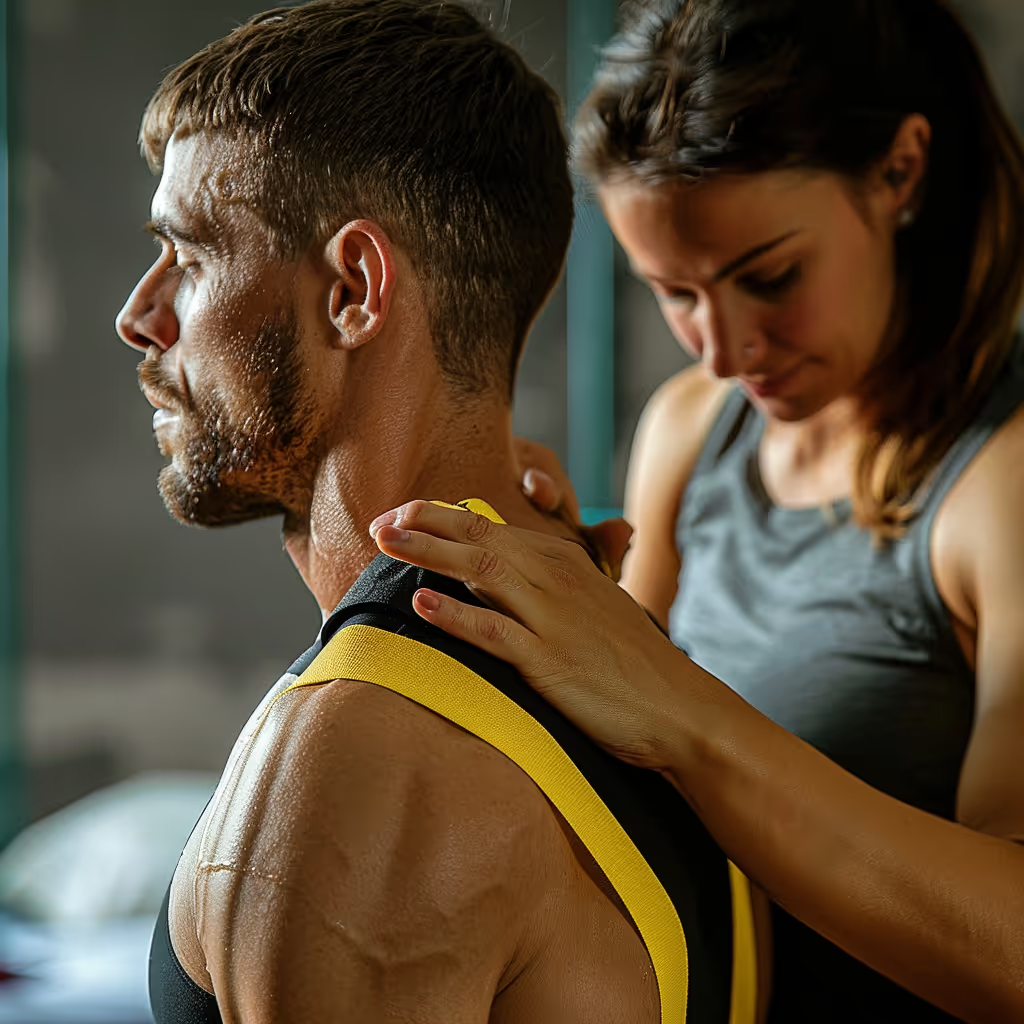
Physiotherapy for Shoulder Bursitis
.png)
.png)
.png)




Physiotherapy for Shoulder Bursitis
Why Choose Physiotherapy for Bursitis?
As physiotherapists specializing in shoulder conditions, we regularly assist people who wonder if physiotherapy can truly help them with their bursitis. This pain that prevents you from lifting your arm, wakes you up at night, or limits your daily activities raises legitimate questions.
Here's the good news: physiotherapy is the first-line treatment recommended for shoulder bursitis by international professional associations. Research shows that patients who start physiotherapy early regain function more quickly and with fewer complications.
What Science Reveals About Shoulder Bursitis Treatment:
- Gradual Progression Works: Recent studies (Cavaggion et al., 2023) show that progressive strengthening with acceptable mild pain yields better results than strict rest.
- Targeted Exercises Are Essential: A structured protocol of movement control and strengthening exercises significantly improves outcomes for rotator cuff-related shoulder pain (Dubé et al., 2023).
- Criterion-Based Progression Helps: Using stages based on specific criteria rather than just time supports better recovery (Chepeha et al., 2025).
- Exercise is more effective than no treatment: Supervised exercise improves shoulder pain and function better than no treatment. That is why a well-adhered-to exercise program is central to the treatment of bursitis.
This guide explains how physiotherapy treats shoulder bursitis, what techniques we use at Physioactif, and what you can expect during your treatment. To understand in detail what shoulder bursitis is, its causes, and symptoms, consult our complete guide to shoulder bursitis.
What is Physiotherapy for Shoulder Bursitis?
Physiotherapy for shoulder bursitis is a conservative treatment approach that uses manual techniques, therapeutic exercises, and patient education to reduce inflammation, relieve pain, and restore shoulder function. It is the first-line treatment recommended by international clinical guidelines.
Unlike a purely symptomatic approach, physiotherapy addresses the underlying causes of bursitis. Inflammation of the subacromial bursa often results from muscle imbalance, altered shoulder mechanics, or poorly executed repetitive movements. Our role is to identify and correct these contributing factors.
At Physioactif, we use protocols based on the latest evidence. This means that every technique used and every exercise prescribed is supported by validated scientific research. Our approach combines:
- Comprehensive Assessment: We analyze not only the painful shoulder but also the biomechanics of your entire body to identify contributing factors.
- Personalized Treatment: Your treatment plan is adapted to the phase of your bursitis (acute or chronic), your daily activities, and your specific goals.
- Patient Empowerment: You learn to understand your condition and manage your long-term recovery yourself.
Physiotherapy for bursitis is not limited to in-clinic sessions. A significant part of the treatment involves a home exercise program that you perform independently. This combination of supervised treatment and self-management promotes faster and lasting recovery.
Now that you understand the comprehensive approach, let's look specifically at how physiotherapy helps treat bursitis.
How does physiotherapy help with shoulder bursitis?
Physiotherapy reduces pain and inflammation, improves mobility, and restores shoulder muscle strength through targeted interventions that address the underlying causes of bursitis. It works on multiple fronts simultaneously rather than just masking symptoms.
Reducing Pain and Inflammation
The primary goal is to reduce irritation of the subacromial bursa. Some clinics use devices such as electrotherapy or ultrasound for this purpose, but research shows that the results of these approaches are mixed. At Physioactif, we focus instead on what brings about lasting change in your condition: manual therapy as needed and targeted exercises based on your evaluation. Applying ice within the first 48 to 72 hours (the acute phase) can help manage swelling and pain in the short term, much like a pain reliever. The subacromial bursa contains many nerve endings. This is one of the reasons why an irritated bursa can be painful.
However, pain management goes beyond passive modalities. Gentle mobilization techniques and specific stretches create more space under the acromion, reducing compression on the bursa. This mechanical decompression allows inflammation to decrease naturally.
Improved joint mobility
Bursitis often limits shoulder range of motion, especially during elevation and external rotation. We use progressive joint mobilizations to restore this mobility without worsening inflammation.
Pendulum exercises (or Codman exercises) allow for passive shoulder movement without load. Gradually, we introduce assisted active movements, then full active movements, following a progression based on your symptoms.
Muscle Strengthening and Stabilization
Here is the key factor that is often overlooked: weakness in the rotator cuff and scapular stabilizers frequently contributes to bursitis. Weak subacromial-humeral muscles fail to keep the humeral head properly centered, creating a conflict that irritates the bursa. Shoulder pain is often related to overuse of the rotator cuff tendons. It occurs mainly during external rotation and arm elevation. That is why treatment aims to gradually readjust the load on the shoulder.
We specifically target:
- The rotator cuff: These four muscles (supraspinatus, infraspinatus, teres minor, subscapularis) keep the humeral head centered in the glenoid socket.
- Scapular stabilizers: The middle/lower trapezius, serratus anterior, and rhomboid muscles control the position of the shoulder blade.
- Neuromuscular control: The coordination of shoulder and shoulder blade movements (scapulohumeral rhythm).
Recent research (Cavaggion et al., 2023) shows that progressive strengthening with a slight, acceptable level of pain yields better results than complete rest. This changes how we progress exercises: instead of waiting for total absence of pain, we work within a tolerable pain window (generally 3-4/10 on the pain scale).
Education and Activity Modification
We teach you how to temporarily modify your activities to allow for healing. This may include ergonomic adjustments at work, changes to your sports technique, or strategies for performing daily tasks without worsening bursitis.
You also learn to recognize the difference between acceptable pain (a sign of muscle effort) and pain to avoid (a sign of worsening condition). This skill allows you to progress safely.
Now that you understand how physiotherapy works, let's explore the specific techniques we use.
10 Quick Tips for Understanding Your Pain
The ones that have made the biggest difference in my patients' lives. 1 a day, 2 minutes.
What physiotherapy techniques do we use?
Our approach combines manual techniques, progressive therapeutic exercises, treatment modalities, and patient education to create a comprehensive and personalized treatment plan. Each technique serves a specific purpose in your recovery.
Manual therapy
Manual techniques form the foundation of our in-clinic interventions:
Joint Mobilizations: We apply controlled passive movements to your glenohumeral joint and shoulder blade to restore normal range of motion. Grade I-II mobilizations (gentle oscillations) help control pain, while Grade III-IV mobilizations (deeper movements) improve mobility. To learn more about these techniques, visit our page on joint mobilizations and manipulations.
Soft Tissue Techniques: Therapeutic massage, myofascial release, and trigger point techniques target tense muscles around the shoulder. The upper trapezius, pectoralis minor, and anterior deltoid often accumulate tension that contributes to altered mechanics.
Neural Mobilizations: If your bursitis is accompanied by symptoms of nerve compression, we use neural gliding techniques to improve nerve mobility along their path.
Therapeutic Exercises
The exercise program represents the core of long-term treatment:
Phase 1 - Mobility and Control (Weeks 1-2):
- Pendulum exercises for passive range of motion
- Gentle stretches for the posterior capsule
- Pain-free isometric exercises (contractions without movement)
Phase 2 - Light Strengthening (weeks 3-4) :
- External rotation with light resistance band
- Assisted active elevation
- Scapular strengthening (retraction, depression)
Phase 3 - Progressive Strengthening (weeks 5-8) :
- Rotator cuff strengthening with progressive resistance
- Advanced scapular stabilization exercises
- Functional movement patterns
Phase 4 - Return to Activities (weeks 9-12) :
- Sport- or work-specific exercises
- Muscle endurance
- Preventing Recurrence
This progression follows specific criteria (Chepeha et al., 2025) rather than a fixed timeline. You advance to the next phase when you achieve measurable goals for strength, range of motion, and control. For more details on progressive strengthening, visit our page on strengthening and muscle endurance exercises.
Management of Symptoms During the Acute Phase
In addition to active treatment, two simple steps can help manage symptoms:
- Applying ice: During the acute phase to control swelling and pain, much like a pain reliever
- Application of heat: During the subacute phase to improve tissue flexibility; some people respond better to heat than to cold, but both are worth trying
These measures complement active treatment but never replace it. Exercise remains the most effective long-term intervention. Some clinics also use devices such as electrotherapy (TENS) or ultrasound; research shows mixed results for these approaches, and they are not modalities we recommend at Physioactif. For rotator cuff tendon injuries, we prioritize active exercises over passive modalities such as ice or ultrasound to reduce pain and disability. That is why your exercise program is at the heart of your treatment.
Education and self-management
We teach you:
- How to identify activities and positions that worsen your bursitis
- Ergonomic strategies for work and home activities
- Warm-up techniques before risky activities
- How to progress your exercise program independently
- When to return for a consultation if symptoms change
Now that you know about our techniques, let's look at what actually happens during your first visit.
What to expect during your first physiotherapy visit?
Your first visit typically lasts 45 to 60 minutes and includes a comprehensive assessment of your shoulder, the development of a personalized treatment plan, and the start of therapeutic interventions. This initial session lays the groundwork for your recovery.
The Subjective Interview (15-20 minutes)
We begin by gathering your complete medical history. You will describe:
- How and when the pain started
- Movements or activities that cause or worsen the pain
- Positions that relieve or worsen symptoms
- The impact on your daily activities, work, and hobbies
- Treatments you have already tried and their results
- Your expectations and treatment goals
This conversation helps us understand not only your bursitis, but also the context in which it occurs. Bursitis in a competitive swimmer requires a different approach than in a sedentary person who lifts boxes at work.
The Physical Examination (20-25 minutes)
The physical assessment includes several components:
Observation: We examine your posture, shoulder symmetry, and any visible deformities.
Range of Motion: We measure both active range of motion (what you can do on your own) and passive range of motion (what we can achieve by moving your arm) in all directions. Typical limitations with bursitis include pain when lifting your arm above 90 degrees and during external rotation.
Specific Tests: We perform orthopedic tests to differentiate bursitis from other conditions like rotator cuff tendinitis or subacromial impingement. The Neer test (passive elevation with internal rotation) and the Hawkins-Kennedy test are particularly telling.
Strength Assessment: We test the strength of your rotator cuff, scapular stabilizers, and deltoid. Significant weakness may indicate an associated tear requiring imaging.
Palpation: We palpate the shoulder structures to identify areas of increased tenderness. Bursitis often causes pain when palpated on the side of the shoulder, just below the acromion.
The Treatment Plan (5-10 minutes)
After the assessment, we will explain:
- Our physiotherapy diagnosis and what is causing your bursitis
- The prognosis (how long recovery is expected to take)
- The recommended treatment plan and its different stages
- The suggested frequency of visits (usually 1-2 times per week initially)
- Your home exercise program
We answer all your questions and ensure you understand every aspect of your treatment.
The first treatment (10-15 minutes)
If time allows, we begin treatment during your first visit. This may include:
- Gentle mobilizations to reduce pain
- Soft tissue techniques to release tight muscles
- Instruction on 2-3 basic exercises to start at home
- Applying ice to manage symptoms
You will leave with written instructions or videos demonstrating your initial exercise program.
Upon your departure
You will leave the clinic with a clear understanding of:
- What is causing your bursitis
- What you can do to help yourself
- What you should temporarily avoid
- When to return for your next session
- How to contact us if you have any questions
Now that you know what to expect during your first visit, let's look at how long treatment typically lasts.
How long does physiotherapy treatment last?
Physical therapy treatment for shoulder bursitis generally lasts several weeks. Appointments are more frequent at the beginning and then gradually become less frequent depending on your response to treatment. The exact duration depends on the severity of your bursitis, how long you’ve had it, and how consistently you follow the at-home exercise program.
Factors Affecting Duration
Bursitis Phase:
- Acute bursitis usually heals more quickly.
- Chronic bursitis generally requires a longer course of treatment, which can last several months.
Severity of Symptoms :
- Mild to moderate pain usually resolves more quickly.
- Severe pain accompanied by significant limitations generally takes longer to recover from.
Associated Conditions :
- Isolated bursitis: More direct treatment
- Bursitis with rotator cuff tendinitis: More complex recovery
- Bursitis with capsulitis: Can double treatment time
Program Participation: Patients who do their home exercises daily recover significantly faster. Home exercises, when done properly, are a key part of recovery, complementing other treatments such as injections.
Typical Treatment Schedule
Weeks 1-2 (Pain Control Phase) :
- Frequency: 2 visits per week
- Goal: Reduce inflammation and pain
- Focus: Modalities, gentle mobilizations, pendulum exercises
Weeks 3-6 (Mobility Phase) :
- Frequency: 1-2 visits per week
- Goal: Restore full range of motion
- Focus: Progressive mobilizations, stretches, beginning of strengthening
Weeks 7-12 (Strengthening Phase) :
- Consolidation phase: The frequency of visits gradually decreases as you make progress.
- Goal: Strengthen the rotator cuff and scapular stabilizers
- Focus: Progressive resistance exercises, functional patterns
Weeks 12+ (Return to Activities Phase) :
- Frequency: Spaced visits or as needed
- Goal: Full return to activities and prevention
- Focus: Sport/work-specific exercises, long-term maintenance
Signs of Progress
You are making good progress when:
- Pain gradually decreases week after week
- You can sleep on the affected shoulder without waking up
- Range of motion measurably improves
- You can perform more daily activities without pain
- Muscle strength normalizes during manual tests
When to be concerned
Consult your physiotherapist if:
- Pain increases despite treatment
- New symptoms appear (numbness, significant weakness)
- If the pain does not improve despite consistent treatment over several weeks, a reevaluation is necessary.
- Pain prevents you from doing your exercises
In these cases, we will reassess your condition and consider whether imaging or a medical consultation is necessary.
A minimum of 6 weeks of exercises
Therapeutic exercises should be continued for several weeks to improve shoulder strength and function.
Now that you know the treatment duration, let's explore the specific exercises you will be doing.
Need professional advice?
Our physical therapists can assess your condition and provide you with a personalized treatment plan.
Make an appointmentWhat exercises are done in physiotherapy for bursitis?
Exercises for shoulder bursitis progress in stages, starting with gentle pendulum movements and advancing to targeted strengthening of the rotator cuff and scapular stabilizers. This progression follows specific criteria for pain, range of motion, and control, rather than a fixed schedule.
Initial Phase Exercises (weeks 1-2)
Pendulum Exercises (or Codman Exercises) : Leaning forward with your arm hanging down, you create small circles with your arm using its own weight. This exercise mobilizes the shoulder without muscle contraction, reducing compression on the bursa.
Passive External Rotation with a Stick : Lying on your back, you use a stick held in both hands to help the affected arm perform a gentle external rotation. The other arm does the work, allowing for a stretch without strain.
Passive Wall Elevation : Standing facing a wall, you "walk" your fingers up the wall to gradually raise your arm. This technique helps increase range of motion without forcing it.
Progression Criteria : Pain less than 3/10 during and after exercises, ability to comfortably perform 10-15 repetitions.
Intermediate Phase Exercises (weeks 3-6)
External Rotation with Light Resistance Band: Keep your elbow close to your body with a resistance band attached to a door. Pull outwards while keeping your elbow tucked against your torso. This exercise targets the infraspinatus and teres minor, two rotator cuff muscles crucial for stability.
Scapular Retraction: Standing with a resistance band, pull backwards, bringing your shoulder blades together. This exercise strengthens the middle trapezius and rhomboid muscles, improving shoulder posture.
Inverted Scapular Elevation (Y-T-W): Lying on your stomach or standing bent over, perform movements that form the letters Y, T, and W with your arms. These patterns activate different parts of the scapular stabilizers.
Progress criterion: active range of motion similar to that of the unaffected side, with minimal pain during exercise.
Advanced Phase Exercises (weeks 7-12)
Rotator Cuff Strengthening at 90 Degrees: With your arm raised to 90 degrees of abduction, perform external rotations with progressive resistance. This functional position prepares you for returning to overhead activities.
Side Plank with Protraction: In a side plank position on your forearm, push your shoulder towards the ceiling. This advanced exercise strengthens the serratus anterior in a full stabilization position.
Push-up Plus: A regular push-up, but adding scapular protraction at the end (you push even further to round your upper back). This movement functionally targets the serratus anterior.
Light Plyometric Exercises (if appropriate): Throwing and catching a light ball to develop reactivity and dynamic control. Reserved for athletes returning to sport.
Progression Criteria: Strength equal to the opposite side on manual tests, no pain during daily activities, ability to perform 3 sets of 15 repetitions without excessive fatigue.
Principles of Progression
Pain-Aware Approach: Unlike older recommendations for complete rest, recent research (Cavaggion et al., 2023) shows that progressive strengthening with acceptable mild pain (3-4/10) yields better results. You will learn to differentiate between:
- Acceptable Pain: Muscle discomfort that decreases after exercise
- Pain to Avoid: Sharp pain, pain that increases during exercise, or pain that persists afterwards
Criteria-Based Progression: Instead of changing exercises based on a fixed schedule, we progress when you achieve measurable goals (Chepeha et al., 2025):
- Specific range of motion
- Target pain level
- Objectively measured strength
- Observed movement quality
Exercise Variability: We vary angles, positions, and types of resistance to stimulate muscle adaptation and prevent monotony. The same muscle can be worked in multiple ways.
Home program
You should do your exercises:
- Do your exercises regularly, in short sessions, following the program provided by your physical therapist.
- Repetitions: Generally 2-3 sets of 10-15 repetitions
- Resistance: Gradually increase the resistance based on your tolerance.
Adhering to your home exercise program is the most important factor in the speed and quality of your recovery.
Now that you know the exercises, let's look at why you should choose Physioactif for your treatment.
Why choose Physioactif for your shoulder bursitis?
Physioactif offers a personalized, evidence-based approach to shoulder bursitis, with physiotherapists specializing in musculoskeletal conditions across 5 clinics in Greater Montreal. We combine the latest research data with a patient-centered approach to optimize your recovery.
Specialized expertise in shoulder conditions
Our physiotherapists have advanced training in shoulder rehabilitation. Many have completed postgraduate training in orthopedic manual therapy or sports rehabilitation. This expertise allows us to:
- Precisely differentiate bursitis from other shoulder conditions
- Identify the underlying biomechanical causes specific to your case
- Adapt treatment techniques to your unique clinical presentation
- Recognize when a medical referral or imaging is necessary
If you experience shoulder and arm pain, our expertise covers the entire spectrum of conditions in this region.
Evidence-based protocols
We actively integrate the latest research into our treatment protocols:
- Pain-aware strengthening: Applying the principles of Cavaggion et al. (2023), which allow for a slight, acceptable pain during exercise for better adaptation
- Criterion-based progression: Using stages validated by Chepeha et al. (2025) rather than an arbitrary timeline
- Motor control exercises: Integrating the strategies of Dubé et al. (2023) to optimize shoulder movement patterns
This scientific approach means that every technique used and every exercise prescribed is supported by evidence of its effectiveness.
Personalized and individualized treatment
We recognize that two people with bursitis may require very different approaches. Your treatment plan considers:
- Your specific goals: Returning to sport, ability to work, daily activities without pain
- Your activity level: Competitive athlete, manual laborer, sedentary person
- Your associated conditions: Other shoulder conditions, posture problems, mobility limitations
- Your availability: Flexible scheduling to accommodate your constraints
This personalization optimizes results and speeds up your recovery.
Network of 5 clinics in Greater Montreal
With clinics in Ahuntsic-Villeray, Chomedey (Laval), Blainville-Rosemère, Saint-Eustache, and Vaudreuil-Dorion, Physioactif makes quality care accessible. You can choose the clinic closest to your home or work, reducing barriers to consistent care.
All our clinics share the same quality standards and use the same evidence-based protocols. If you need to temporarily switch clinics, your file and treatment plan will follow you.
Collaborative and Educational Approach
We believe you are an active partner in your recovery, not a passive recipient of treatments. This philosophy is reflected in:
- Clear Explanations: We take the time to explain your condition and every aspect of your treatment
- Empowerment: You learn to manage your condition independently for the long term
- Open Communication: We adjust the plan based on your feedback and preferences
- Interdisciplinary Collaboration: We communicate with your doctor or other professionals as needed
Follow-up and Relapse Prevention
Our approach doesn't end when the pain disappears. We ensure that:
- You have regained your full function, not just the absence of pain
- You understand how to prevent future relapses
- You have a long-term maintenance program
- You know when to return for a consultation if necessary
This focus on prevention significantly reduces the risk of relapse.
Make an appointment
You can book your first assessment directly online or by phone. No medical prescription is necessary to consult a physiotherapist in Quebec. Private insurance generally covers physiotherapy fees.
During your first visit, please bring:
- Your imaging results if you have any (X-ray, ultrasound, MRI)
- Your insurance card
- A list of your questions and concerns
Now that you know our approach, let's look at when to consult a physiotherapist.
When should you consult a physiotherapist for shoulder bursitis?
You should consult a physiotherapist for shoulder bursitis as soon as the pain persists for more than a week, limits your daily activities, or wakes you up at night. Early intervention improves the prognosis and prevents the condition from becoming chronic.
Signs it's time to consult
Persistent pain: Shoulder pain that persists despite rest and self-care measures warrants an evaluation. The longer you wait, the greater the risk that bursitis will become chronic, and the longer treatment will take.
Functional Limitation: If you can no longer perform your normal daily activities (getting dressed, reaching high shelves, carrying objects), physiotherapy can help you regain that function.
Night Pain: Pain that wakes you up at night or prevents you from sleeping on the affected shoulder indicates significant inflammation that requires treatment.
Recurrence of Previous Episodes: If you've had shoulder bursitis before and it has returned, it suggests that the underlying causes haven't been fully addressed. A thorough biomechanical assessment is necessary.
Failure of simple conservative treatments: If rest, ice, and over-the-counter anti-inflammatory medications do not provide relief, a structured physical therapy program may help.
Before Considering Other Options
Physiotherapy should be tried before more invasive interventions:
Before a cortisone injection: Although injections can provide temporary relief, they do not address the underlying causes. For tendinopathies in general, cortisone injections relieve pain in the short term, but this benefit is not lasting: it wears off and may even be reversed in the medium and long term. Cortisone may help initially, but it is not a substitute for physical therapy. One study showed that combining therapeutic exercises with an injection yields better results in the medium term than the injection alone. Starting with physical therapy—or at least combining it with the injection—optimizes outcomes. Ultrasound-guided injections, combined with physical therapy, can improve shoulder mobility. They are useful as a complement to rehabilitation, not as a standalone treatment.
Before Considering Surgery: Surgery for bursitis (bursectomy or acromioplasty) is rarely necessary. The vast majority of patients improve with appropriate conservative treatment. If surgery is being considered, three months of diligent physical therapy should be completed first. Subacromial decompression surgery does not improve pain or shoulder function compared to a placebo procedure. A serious attempt at conservative treatment—with exercises being the primary focus—is worth trying before considering surgery for this type of shoulder pain.
When Medical Urgency Comes First
In certain rare situations, consult a doctor first:
- Severe, sudden pain following a significant injury (risk of fracture or massive tear)
- Marked weakness with complete inability to lift the arm (possible complete rotator cuff tear)
- Fever and redness of the shoulder (risk of infectious or septic bursitis)
- Numbness or weakness in the arm or hand (nerve compression)
- Pain that radiates to the jaw or chest (to rule out a cardiac cause)
In these cases, a medical evaluation is necessary before or alongside physiotherapy.
The Benefit of Early Intervention
Research clearly shows that starting physiotherapy early in the development of bursitis:
- Reduces the total duration of symptoms
- Decreases the risk of becoming chronic
- Prevents secondary compensations and limitations
- Improves long-term functional outcomes
- Reduces the need for more invasive interventions
In Quebec, you do not need a medical prescription to consult a physiotherapist. You can book an appointment directly as soon as you feel the need.
What if you also have other shoulder problems?
Bursitis often accompanies other shoulder conditions like rotator cuff tendinitis or subacromial impingement. If you are concerned about a rotator cuff tear, a complete assessment will help identify all the factors contributing to your shoulder problem.
Conclusion
Physiotherapy is the first-line, evidence-based treatment for shoulder bursitis. Our approach at Physioactif combines manual therapy techniques, progressive exercises, and patient education to not only relieve your symptoms but also address the underlying causes and prevent recurrence.
Typical treatment lasts several weeks, with more frequent visits at the beginning that gradually become less frequent as you make progress. Your at-home exercise program is the key to optimal recovery. We apply the latest research findings, including progressive, pain-aware strengthening and progression based on measurable criteria.
Don't wait for your bursitis to become chronic. The sooner you start treatment, the faster and more complete your recovery will be. Contact one of our 5 clinics in Greater Montreal to book your first assessment.
Videos in this category
Other conditions

Hip osteoarthritis is the normal wear and tear of the hip joint. It is often said that osteoarthritis is the wear and tear of the cartilage between our bones. That is true, but it involves more than just the cartilage. Cartilage is a tissue that acts as a cushion between the surfaces of our bones and allows our joints to glide smoothly and move fluidly.
This is normal wear and tear of the knee joint. It’s often said that osteoarthritis is the wearing down of the cartilage between our bones. That’s true, but it’s more than just the cartilage. Cartilage is a tissue that acts as a cushion between the surfaces of our bones and allows our joints to glide smoothly and move fluidly.
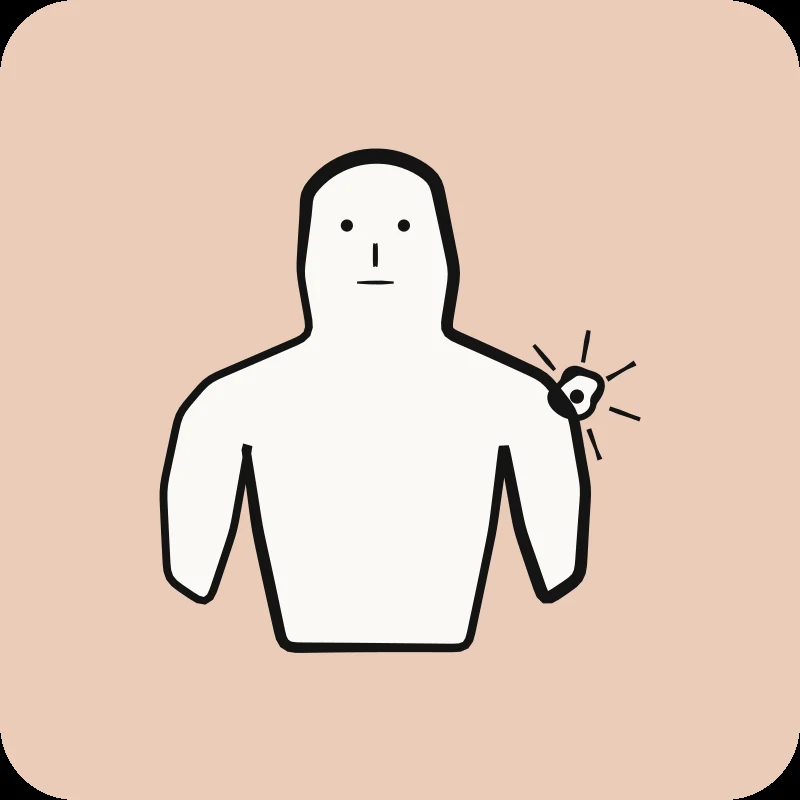
It is an inflammation of the subacromial bursa in the shoulder joint.
A bursa is a small, thin sac filled with fluid that is found in many of the body's joints. This small sac acts as a cushion within the joint and lubricates the structures that are subject to increased friction.
It is a tissue that surrounds the shoulder and helps keep the shoulder bone in place within the joint. The capsule helps keep the joint stable.
Neck pain is a general term used to describe pain in the neck that has no specific cause, such as an accident or a sudden awkward movement. Neck pain is therefore synonymous with “my neck hurts, and nothing in particular happened.”
In both types of injury, pain is felt in the neck and then radiates into the arm, or vice versa.
Make an appointment now
We offer a three-pronged quality assurance approach: optimized treatment time, a second opinion from a physical therapist, and ongoing expertise to ensure effective care tailored to your needs.

Customer satisfaction is our top priority
At Physioactif, excellence guides everything we do, but our patients are the best ones to tell you about it. Take a look at their verified reviews to get a real sense of their experience.










Discover our physical therapy clinics
We have locations in several areas to better serve you.
Blainville
190 Bas-de-Sainte-Thérèse Road, Suite 110,
Blainville, Quebec
J7B 1A7
Located in Blainville, near Rosemère, the Physioactif clinic is easily accessible to residents of the area and the surrounding communities
Boucherville
690 Rue de Montbrun, Suite S,
Boucherville, Quebec
J4B 8H2
Located in Boucherville, the Physioactif clinic is easily accessible to people in the area
Laval
3224 Jean-Béraud Ave., Suite 220, Laval,
QC H7T 2S4
Located in Chomedey, in the heart of Laval, the Physioactif clinic is easily accessible to people in the area
Montreal
8801 Lajeunesse Street,
Montreal,
QC H2M 1R8
Located in Ahuntsic, near Villeray, the Physioactif clinic is easily accessible to residents of both neighborhoods
Saint-Eustache
180 25th Avenue, Suite
201 Saint-Eustache
QC J7P 2V2
Located in Saint-Eustache, the Physioactif clinic is easily accessible to residents of the area and the surrounding communities
Vaudreuil
21 Cité-des-Jeunes Boulevard, Suite 240,
Vaudreuil-Dorion, Quebec
J7V 0N3
Located in Vaudreuil-Dorion, the Physioactif clinic is easily accessible to people in the area
Make an appointment now