Joint Pain: A Complete Guide to Understanding and Relieving Your Joints
.png)
.png)
.png)


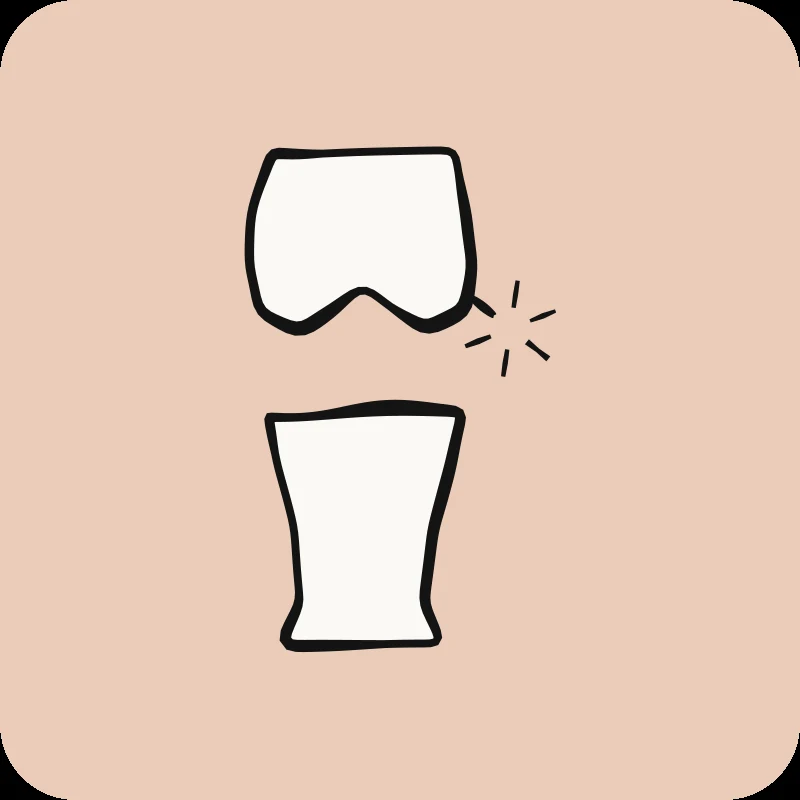


Joint pain can limit walking, sleep, and daily activities. In a study conducted at 12 British primary care clinics, one in seven visits was related to muscles, bones, or joints1. Whether it affects your knees, hips, shoulders, or hands, pain deserves treatment tailored to its cause. This guide explains possible causes, how to distinguish between them, when to seek medical advice, and available treatments. For osteoarthritis of the knee or hip, exercise and education are among the first recommended treatments. A physical therapist can help you with thesetreatments2, 3. Our comprehensive guide to physical therapy explains this discipline.
What is joint pain?
Joint pain refers to pain felt in or around a joint. The medical term is “arthralgia.” In Canada, a study followed 8,817 people between 1994 and 2011. People from more recent generations reported higher rates of arthritis at the same age. Higher body weight was associated with an earlier onset of arthritis4. These associations do not allow us to attribute every instance of pain to weight or age.
Several tissues can contribute to pain: the synovial membrane, which lines the inside of the joint; the capsule that surrounds it; the ligaments that connect the bones; and the bone beneath the cartilage. These tissues contain nerve endings. Cartilage, which covers the ends of the bones, does not contain any. The pain associated with osteoarthritis also depends on the muscles surrounding the joint and how the nervous system processes the signals5.
10 Quick Tips to Understand Your Pain
One tip a day for 10 days to help you better understand your pain. About a 2-minute read.
Arthralgia refers to a symptom, whereas arthritis involves inflammation of the joint. Arthritis can cause pain, swelling, warmth, or redness. Not all of these signs are necessarily present. Ultrasound produces images using sound waves. In a study on rheumatoid arthritis, this test revealed inflammation in certain joints that were not tender to the touch or swollen upon examination. Palpation involves examining an area by touching it (study on subtle signs of arthritis). Therefore, pain in the area of a joint does not automatically mean that it is arthritis.
Joints allow you to move and use your hands. Age, certain injuries, and being overweight can increase the risk of osteoarthritis, but osteoarthritis is not simply a matter of inevitable wear and tear. A lack of physical activity can also weaken the muscles that support movement. Appropriate care can help manage pain and improve your ability to perform daily activities, even when joint changes persist.
How does a joint work and what can cause pain?
A joint connects bones, allows for certain movements, and can become painful when its nerve-containing tissues are irritated. Movable joints, such as the knee, contain cartilage, synovial fluid, a joint capsule, and ligaments. The table describes these joints. Not all joints between bones—particularly those in the skull—have this structure.
| Component | Function | What can go wrong |
|---|---|---|
| Joint cartilage | Covers bones, allows smooth movement | Thinning or damage, particularly in osteoarthritis |
| Synovial fluid | Lubricates and nourishes cartilage | Changed composition or quantity |
| Joint capsule | Protective covering | Inflammation, excessive fluid production |
| Ligaments | Stabilize the joint | Stretching, tearing (sprain) |
Cartilage covers the ends of bones and helps them glide smoothly by reducing friction. It can become thinner or damaged due to certain diseases or following an injury. Changes in the cartilage alone are not enough to explain the intensity of the pain.
Synovial fluid lubricates the joint and helps nourish the cartilage. Its composition and volume can change with age or due to inflammation. Hyaluronic acid is one of the substances involved in this lubrication.
The joint capsule forms a sheath around the joint. Its inner lining, called the synovial membrane, produces synovial fluid. Inflammation of this membrane can lead to fluid buildup and swelling.
Ligaments connect bones to each other and stabilize the joint. A sprain occurs when they are stretched or torn.
How to tell if my pain is coming from a joint, muscle, or nerve?
The location, stiffness, and sensations experienced can help distinguish between joint, muscle, or nerve pain. These clues overlap: none on its own is sufficient to make a diagnosis. Pain near a joint may also originate from a nearby tendon or nerve. Tendons are tissues that transmit force from muscles to bones.
Characteristics of Joint Pain
Pain may be located in or around a joint. It is not always easy to pinpoint exactly. Stiffness upon waking can make the first few movements difficult. Brief stiffness, often lasting less than 30 minutes, may accompany osteoarthritis. Longer-lasting stiffness may be a sign of inflammatory arthritis6. Duration is just one indicator among many. Symptoms and a physical exam do not always reveal knee osteoarthritis, especially when it is in its early stages7.
Swelling, warmth, or redness may indicate inflammation. A joint that has recently become warm and swollen requires a medical evaluation on the same day, even without a fever. A single cracking sound is not, on its own, sufficient to diagnose a condition.
Muscle pain
Muscle pain, or myalgia, can occur after unusual physical exertion. For example, muscles may be sore the day after a move. Taking a break from physical activity can relieve this soreness. There are other causes of muscle pain, and their progression may vary.
Nerve Pain
Neuropathic pain results from damage to or a disease of the nervous system that transmits sensations. This system includes the nerves, the spinal cord, and certain parts of the brain. The spinal cord is the bundle of nerves inside the spine that transmits messages between the brain and the body. Neuropathic pain can feel like burning, electric shocks, tingling, or numbness. A nerve root is the part of a nerve connected to the spinal cord within the spine. In sciatica caused by a nerve root, pain may radiate from the buttock down the leg or to the foot. The painful area may therefore be distant from the original problem. These guidelines follow the clinical guidelines of the International Association for the Study of Pain.
| Characteristic | Joint pain | Muscle pain | Nerve Pain |
|---|---|---|---|
| Location | In or around the joint, sometimes difficult to pinpoint | In the muscle, sometimes diffuse | Can follow the course of a nerve |
| Sensation | Dull, stiffness, creaking | Muscle soreness, involuntary muscle contractions | Burning, tingling sensation |
| Swelling | Possible | Rare | Not a typical sign of nerve pain alone |
| Morning Stiffness | Possible, with a variable duration | May occur after unusual exertion | Not typical |
| Response to rest | Variable | Possible improvement after stopping the exercise | May persist |
What are the main causes of joint pain?
Causes of joint pain include osteoarthritis, inflammatory arthritis, gout, injuries, and infections. Bursitis can also cause pain around a joint. The cause determines the treatment: an infection is not treated the same way as osteoarthritis.
Osteoarthritis: Changes Throughout the Entire Joint
Osteoarthritis affects the cartilage, the bone directly beneath it, and sometimes other tissues in the joint. It becomes more common with age, but it is not an inevitable consequence of aging. The bones may form bony growths called osteophytes, sometimes referred to as “parrot’s beaks.”
| Risk factor | Explanation |
|---|---|
| Older age | Higher risk with age, even without osteoarthritis |
| Overweight | More pressure on knees and hips |
| Previous injuries | Already damaged joints |
| Repetitive work | Certain physically demanding tasks, such as kneeling for long periods or lifting heavy loads at work, are associated with knee osteoarthritis (review of occupational activities) |
| Genetics | Possible influence of biological characteristics passed down through families |
Osteoarthritis primarily affects the knees, hips, hands, and spine.Osteoarthritisof theknee andhip can make walking difficult. In the hands, the base of the thumb and the finger joints are often affected. Pain may worsen during certain activities. Stiffness upon waking is often brief, but these symptoms vary.
The progression of osteoarthritis varies from person to person. A change visible on an X-ray does not necessarily mean that the pain will worsen at the same rate. Check out our guides on knee pain or hip pain.
Inflammatory arthritis
Rheumatoid arthritis is an autoimmune disease: the body’s immune system mistakenly attacks its own tissues, particularly the synovial membrane. A meta-analysis of 67 studies estimated its average prevalence at about 0.5% of the population, with significant variations among the studies8.
Rheumatoid arthritis can affect joints on both sides of the body, such as both hands. It can cause prolonged morning stiffness—sometimes lasting more than an hour—as well as warm or swollen joints and general fatigue. Different or less painful symptoms are not sufficient to rule it out.
A prompt diagnosis allows for early medical treatment of rheumatoid arthritis. These treatments can reduce symptoms, improve functional ability, and limit joint damage9. Physical therapy for pain caused by inflammation complements this medical care by helping to preserve mobility and strength.
Gout
Gout occurs when uric acid crystals build up in a joint and trigger inflammation. An attack can begin suddenly, often at night, with severe pain, redness, and swelling. The base of the big toe is a common site, especially during a first attack.
Certain foods high in purines, such as meat and seafood, are associated with gout. The body converts purines into uric acid. Alcohol—especially beer—being overweight, and certain diuretics are also associated with an increased risk. Diuretics are medications that increase the excretion of water in the urine10. Do not stop taking a medication without discussing it with your prescriber. Medical treatment can relieve attacks and, when indicated, lower uric acid levels to prevent further attacks11.
Bursitis
Bursae are small fluid-filled sacs that reduce friction around the joints. Bursitis is the inflammation of these sacs. Commonly affected areas include the shoulder, elbow, knee, heel, and hip. Our article on hip bursitis explains this condition.
Bursitis can result from prolonged pressure, an impact, or repetitive strain. Kneeling for long periods while cleaning is one possible example. Some cases of bursitis are caused by an infection. Temporarily reducing pressure and irritating movements can help alleviate non-infectious bursitis. Cold therapy or medication may provide relief, depending on the situation. A warm, swollen, or red area requires medical attention, especially if accompanied by a fever; an infection requires specific treatment.
Trauma and infections
After an injury, pain may be caused by a knee sprain, fracture, or dislocation. A dislocation occurs when bones are no longer properly aligned within the joint. A tear in the meniscus—a cartilage pad in the knee—is another possible cause. Severe pain following an accident, deformity, an inability to bear weight, or numbness requires urgent medical evaluation.
Septic arthritis is a joint infection and constitutes a medical emergency. A joint that has recently become warm and swollen should be evaluated the same day, even if there is no fever. If you have a fever, chills, or feel very unwell, seek medical attention immediately, as advised by the NHS regarding joint pain.
Which joints can be painful?
Joint pain can affect the knees, hips, shoulders, hands, feet, and spine. Each area has different functions and potential problems.
| Joint | Function or reference point | Unique features |
|---|---|---|
| Knee | Supports the weight and allows the leg to bend | In a study on osteoarthritis, losing 1 kg was associated with approximately 4 kg less force per step |
| Hip | Supports body weight | The pain may radiate to the thigh or knee |
| Shoulder | Most mobile joint | Allows you to raise your arm and reach for objects |
| Hands and fingers | Essential for daily activities | Osteoarthritis and inflammatory arthritis are common |
| Feet | 33 joints per foot (anatomy of the foot) | Gout often affects the base of the big toe |
| Spine | The small joints between the vertebrae guide movement | These joints can contribute to back pain |
The knee may become painful as a result of a sprain. Patellar tendinitis affects the tendon beneath the patella, the bone at the front of the knee. Goosefoot tendinitis affects the tendons on the inner side of the knee, just below the joint. These conditions can also cause pain around the knee. Body weight influences the forces exerted while walking. In a study of 142 older adults who were overweight or obese and had knee osteoarthritis, each kilogram lost was associated with approximately four kilograms less force on the knee with each step12.
The shoulder allows you to lift and rotate your arm. Frozen shoulder, which causes significant stiffness, and calcific tendinitis, which involves calcium deposits in a tendon, can cause pain in this area. Check out our guide on shoulder pain.
Pain in your hands can make it difficult to go grocery shopping or cook. Carpal tunnel syndrome involves a compressed nerve in the wrist and can cause pain or numbness in the hand. Osteoarthritis often affects the base of the thumb and the finger joints.
Facet syndrome refers to pain attributed to the small joints between the vertebrae. These joints can contribute to back pain, but they do not account for all pain in this area.Lumbar osteoarthritis affects the lower back, whilecervical osteoarthritis affects the neck. See our guide on back pain.
How does aging affect your joints?
Aging affects the cartilage, ligaments, muscles, and bones in the joints. Cartilage can become thinner, and its cells become less effective at repairing certain types of damage. Muscles can lose strength, and bone remodeling can change. These changes contribute to the risk of osteoarthritis, but they do not make it inevitable13. A study of knees without osteoarthritis also found lower concentrations of hyaluronic acid in the synovial fluid of older donors (synovial fluid study).
| Changes | What Happens | Impact |
|---|---|---|
| Cartilage | May become thinner; reduced ability to repair itself | Repairing the damage is more difficult |
| Synovial fluid | Hyaluronic acid concentration is sometimes lower | Modification of a substance that contributes to lubrication |
| Ligaments/tendons | May become less flexible | Loss of flexibility |
| Collagen, a protein that forms strong fibers | The fibers and the connections between them change | Some fabrics become stiffer or more brittle |
Age-related changes alone do not determine pain. In a review of knee studies, some people had osteoarthritis visible on X-rays but no pain, while others had pain without visible osteoarthritis. The proportions varied widely across studies14. The healthcare professional therefore interprets the imaging results in conjunction with your symptoms and physical examination.
Exercise helps maintain muscle strength, mobility, and bone health. Strength-training exercises can slow the loss of strength and help maintain bone density—that is, the amount of bone mass. Flexibility exercises help you maintain the range of motion needed for daily activities, according to the NHS’s guidance on strength and flexibility. Walking, cycling, water-based activities, and adapted yoga are options you can choose from based on your abilities.
When should you seek help for joint pain?
A joint that has recently become warm and swollen requires medical attention on the same day, even without a fever. After an accident, severe pain, deformity, an inability to walk or bear weight, or numbness require urgent medical attention. Persistent pain that interferes with your daily activities also warrants an evaluation, depending on the circumstances described below.
Emergency Signs
| Warning Sign | Possible signs | Action |
|---|---|---|
| A joint that has recently become warm and swollen, with or without redness or fever | Joint infection or other inflammation to be evaluated | Seek medical attention the same day; do not wait if you have a fever, chills, or feel very unwell |
| Deformity after trauma | Fracture or Dislocation | Immediate emergency |
| After an injury: severe pain, inability to move or put weight on the limb, numbness, or tingling | Serious injury | Urgent Medical Evaluation |
| Pain accompanied by unexplained weight loss or unusual fatigue | A health problem that can affect the entire body | Prompt medical evaluation; don't wait if your overall condition worsens |
Quick consultation
Seek medical attention if the pain does not improve after about two weeks, interferes with your daily activities or sleep, or causes you to limp. Prolonged morning stiffness, pain in multiple joints, or recurring swelling also warrant evaluation. Urgent symptoms require care before this time frame.
When to Wait
Mild pain after unusual physical activity can be monitored if it gradually subsides without swelling, warmth, or other warning signs. Temporarily reduce the activity that is causing the pain and stick to movements that are comfortable. See a doctor if the pain stops improving or if new symptoms appear.
How Can Physical Therapy Help Manage Your Joint Pain?
Physical therapy can reduce pain and improve functional ability through exercise, education, and treatment tailored to the underlying cause. For osteoarthritis of the knee or hip, exercise is one of the first recommended treatments and has a good safety profile2. An indirect comparison of trials on knee osteoarthritis found similar average effects on pain for exercise and pain medications15. This comparison does not prove that both options are equally suitable for every person. An infection or inflammatory arthritis also requires specific medical care.
Comprehensive assessment
Your physical therapist will assess the range and ease of your movements, your strength, joint stability, and the way you move. They will ask you what increases or relieves your pain and how it affects your daily activities. A comprehensive evaluation helps identify potential problems and determine the appropriate course of treatment. It may also lead to a referral to a medical specialist if the cause remains unclear or requires further testing.
Therapeutic Exercises
Exercise is a well-documented first-line treatment for osteoarthritis of the knee and hip2. The program may combine strength training, flexibility exercises, and endurance activities. Pain relief may be comparable to that observed with pain medications in trials on knee osteoarthritis15. Your physical therapist will work with you to select the exercises and determine how to progress through them.
| Type of exercise | Benefit | Example |
|---|---|---|
| Strengthening | Improves strength and control of movements | The muscles at the front of the thigh, called the quadriceps, that support the knee |
| Mobility | Helps maintain mobility and reduce stiffness | Gentle stretches |
| Cardiac and Muscular Endurance | Improves exercise tolerance and endurance, and helps you stay active despite pain | Walking, swimming, cycling |
Strengthening the quadriceps can reduce pain and improve functional ability in people with knee osteoarthritis. A review of nine trials reports these benefits from programs that often last eight to twelve weeks16. Exercises may include knee extensions—which involve straightening the knee—or leg raises, depending on your ability.
Manual techniques and education
Joint mobilizations are movements that a physical therapist performs on a joint. In a trial involving 109 people with hip osteoarthritis, a manual therapy program resulted in greater improvements in pain, stiffness, and range of motion than an exercise program. After five weeks, 81% of the manual therapy group reported an overall improvement, compared with 50% of the exercise group. Some benefits were still present at 29 weeks17. These results pertain to the programs compared in this trial. The NICE guidelines on osteoarthritis recommend using manual therapy in combination with exercise for knee or hip osteoarthritis.
10 Quick Tips to Understand Your Pain
One tip a day for 10 days to help you better understand your pain. About a 2-minute read.
Learning about your condition helps you understand your symptoms, adjust your activity levels, and gradually resume your activities. Your physical therapist can also examine the muscles and other tissues around the joint to tailor your treatment.
If your joint pain is affecting your quality of life, our physical therapists can develop a personalized plan for you. Check out our guide to physical therapy.
What other treatments are available for joint pain?
Other treatments for joint pain include certain medications, adjustments to your activity level, and, in some cases, surgery. The choice of treatment depends on the cause, your other health conditions, and your preferences. Weight loss may also help some overweight people with knee osteoarthritis.
Medications
A doctor or pharmacist can help you choose a medication and check for interactions. Nonsteroidal anti-inflammatory drugs (NSAIDs) include ibuprofen and naproxen. For knee osteoarthritis, a topical form may be recommended before oral tablets. The NICE guidelines on osteoarthritis recommend weighing the benefits and risks of each option.
| Medication | Advantages | Considerations |
|---|---|---|
| NSAIDs (ibuprofen, naproxen) | May reduce inflammation and pain | The tablets may cause stomach, kidney, or heart problems |
| Acetaminophen (Tylenol) | May relieve certain types of pain; limited benefit for osteoarthritis | Do not treat inflammation; excessive treatment can damage the liver |
| Cortisone injections | May provide temporary relief from osteoarthritis pain | Relief often lasts 2 to 10 weeks; indication to be discussed |
In a trial involving 140 people with knee osteoarthritis, a cortisone injection every three months for two years resulted in greater cartilage loss than a saline injection. This treatment regimen did not provide better pain relief over that period18. This result does not reflect the effect of a single injection. When taking acetaminophen, follow the recommended dose and avoid combining multiple products that contain it. Consult your pharmacist if needed, as recommended in the NHS guidance on paracetamol, also known as acetaminophen.
Complementary approaches
Heat can provide comfort and help relax muscles. Cold can temporarily relieve pain in a joint. Small trials involving non-infectious forms of knee arthritis have also shown a reduction in pain and certain signs of inflammation within 24 hours of treatment. The changes measured in joint fluid were primarily seen in crystal-related arthritis, such as gout (study on pain and ultrasound) (study on inflammation-related substances). These results do not prove the same effect for all joints or that the treatment addresses the underlying cause. Protect the skin with a cloth and limit cold application to 20 minutes. A joint that has recently become warm and swollen should be evaluated by a doctor.
Hyaluronic acid injections are intended to alter the fluid in a knee affected by osteoarthritis. In a review, large trials in which the results were evaluated using a blinded design found the benefit to be too small to be clinically significant. An increased risk of serious adverse effects was also observed in the trials that reported them19. In these trials, the people evaluating the results were unaware of the treatment each participant received. This method aims to limit the influence of their expectations on the evaluation. The NICE guidelines on osteoarthritis do not recommend these injections for osteoarthritis.
Glucosamine and chondroitin supplements are no substitute for exercise. In a trial involving 662 people with knee osteoarthritis, these products—either alone or in combination—did not provide any significant benefit in terms of pain relief or functional ability compared to a placebo over a two-year period. A placebo looks like the treatment but does not contain the substance being studied20. Side effects were similar across the groups in this trial, which does not guarantee their safety for every individual. Discuss supplements and possible interactions with your pharmacist.
Surgery and Lifestyle
Joint replacement may be considered when osteoarthritis significantly impairs quality of life and non-surgical treatments are insufficient or unsuitable. The NICE guidelines on osteoarthritis recommend that this assessment be based on symptoms and needs, rather than on a numerical score alone. It is not necessary to repeat each treatment indefinitely before discussing the option.
In a cohort of 626 people who underwent surgery for advanced osteoarthritis, approximately 80% of those with a knee replacement and 86% of those with a hip replacement achieved a good outcome at five years. This outcome corresponded to an improvement deemed sufficient based on a questionnaire assessing pain, stiffness, and activities21. A joint replacement replaces the joint surfaces with artificial components. The surgery does not guarantee the elimination of all pain and requires a recovery period.
For an overweight person with knee osteoarthritis, weight loss can reduce the forces exerted while walking. Appropriate support can help you make realistic changes. Regular activity also helps maintain strength and function; a period of reduced activity does not mean your joints are bound to become more painful.
What exercises can relieve joint pain?
Strength training, flexibility exercises, and endurance activities can relieve osteoarthritis of the knee or hip and improve daily functioning. Walking, cycling, and swimming are some possible options. For other causes of pain, the exercise program must take into account the diagnosis and any necessary precautions.
General principles
With osteoarthritis, a slight increase in pain at the start of an exercise program does not automatically mean that the joint is being damaged. Appropriate exercise is generally safe and beneficial. Gradually increase the duration, resistance, or difficulty. If you experience significantly more pain or if the pain persists after your session, you should work with your physical therapist to adjust your exercise routine. A warm, swollen joint or a recent injury with warning signs requires a medical evaluation first.
Recommended activities
| Activity | Benefit | Who is it for |
|---|---|---|
| Walking | Simple, accessible, effective | People who are able to walk while carrying a suitable load |
| Swimming/Aqua Fitness | Water supports body weight | People for whom water-based exercises are accessible and appropriate |
| Stationary bike | Low impact | People who can tolerate cycling with the proper adjustments |
| Adapted Yoga | Flexibility, Strengthening, and Balance | People who choose postures suited to their abilities |
What to Avoid
Running or repeated physical exertion may be difficult during a painful period, but that doesn’t automatically mean you have to stop altogether. Adjust the duration, intensity, and positions that cause your symptoms to worsen over time. Our guide to sports physical therapy explains how to adapt your training.
Frequently asked questions about joint pain
Frequently asked questions about joint pain cover topics such as arthritis, joint creaking, aging, ways to manage discomfort, exercise, supplements, and surgery.
Joint pain does not automatically mean arthritis and can often be managed with treatment tailored to its cause. Exercise, measures to improve comfort, and surgery are indicated in different situations.
Does joint pain mean I have arthritis?
Pain near a joint isn't always caused by arthritis. Bursitis, tendinitis, an injury, or repetitive strain can also be the cause. A healthcare professional will examine your symptoms and range of motion to determine the cause.
Is it normal for my joints to crack?
Painless cracking does not automatically indicate a medical condition. A study of 215 adults found no association between the habit of cracking one’s fingers and osteoarthritis of the hand (study on finger cracking). In another experiment involving ten finger joints, imaging showed the rapid formation of a cavity in the synovial fluid at the moment of cracking22. This mechanism does not explain all joint noises. See a doctor if the noise is accompanied by pain, swelling, or stiffness.
Will joint pain get worse with age?
Joint pain does not automatically worsen with age. Symptoms may progress differently from visible changes in the joint. Appropriate physical activity, regular exercise, and, when necessary, weight management can help you maintain your mobility.
Is cold or heat better?
Heat can improve comfort and relax muscles; cold can temporarily relieve pain. Small studies on certain types of knee arthritis also show short-term changes in inflammation, though they do not prove the same effect for all types of joint pain. Choose the treatment that provides you with relief, protect your skin, and avoid extreme temperatures. A joint that has recently become warm and swollen requires medical attention, even if cold therapy provides relief.
Can I exercise despite my pain?
Exercise is recommended for knee and hip osteoarthritis, with an appropriate progression. It can improve strength, functional ability, and pain relief despite initial discomfort. However, a recent injury or a warm, swollen joint requires an evaluation before following these recommendations.
Do glucosamine and chondroitin work?
Glucosamine and chondroitin did not show any significant benefit in terms of pain or activity levels in the two-year trial described above. They are not a substitute for exercise. Ask your pharmacist if a supplement is appropriate for your situation and your other medications.
When is surgery necessary?
Joint replacement may be considered when osteoarthritis significantly limits your quality of life despite appropriate non-surgical treatment, or when such treatment is not suitable. This decision is made in consultation with a medical team that evaluates the expected benefits, risks, and your priorities. Advanced osteoarthritis may respond well to this surgery, but no surgery guarantees a perfect outcome.
Need professional advice?
Our physical therapists can assess your condition and provide you with a personalized treatment plan.
Make an appointmentReferences
Links open in a new tab.
- Jordan KP, Kadam UT, Hayward R, Porcheret M, Young C, Croft P. Annual prevalence of regional musculoskeletal problems in primary care: an observational study. BMC Musculoskelet Disord. 2010;11:144. (Back to section: 1)
- Young JJ, Pedersen JR, Bricca A. Exercise Therapy for Knee and Hip Osteoarthritis: Is There an Ideal Prescription? Curr Treatm Opt Rheumatol. 2023:1-17. (Back to sections: 1, 2, 3)
- Bannuru RR, Osani MC, Vaysbrot EE, Arden NK, Bennell K, Bierma-Zeinstra SMA, et al. OARSI guidelines for the non-surgical management of knee, hip, and polyarticular osteoarthritis. Osteoarthritis Cartilage. 2019;27(11):1578-1589. (Back to section: 1)
- Badley EM, Canizares M, Perruccio AV. Population-Based Study of Changes in Arthritis Prevalence and Arthritis Risk Factors Over Time: Generational Differences and the Role of Obesity. Arthritis Care Res (Hoboken). 2017;69(12):1818-1825. (Back to section: 1)
- Salaffi F, Ciapetti A, Carotti M. The sources of pain in osteoarthritis: a pathophysiological review. Reumatismo. 2014;66(1):57-71. (Back to section: 1)
- van Nies JA, Alves C, Radix-Bloemen AL, Gaujoux-Viala C, Huizinga TW, Hazes JM, et al. Reappraisal of the diagnostic and prognostic value of morning stiffness in arthralgia and early arthritis: results from the Groningen EARC, Leiden EARC, ESPOIR, Leiden EAC, and REACH. Arthritis Res Ther. 2015;17(1):108. (Back to section: 1)
- Peat G, Thomas E, Duncan R, Wood L, Hay E, Croft P. Clinical classification criteria for knee osteoarthritis: performance in the general population and primary care. Ann Rheum Dis. 2006;65(10):1363-7. (Back to section: 1)
- Almutairi K, Nossent J, Preen D, Keen H, Inderjeeth C. The global prevalence of rheumatoid arthritis: a meta-analysis based on a systematic review. Rheumatol Int. 2021;41(5):863-877. (Back to section: 1)
- Monti S, Montecucco C, Bugatti S, Caporali R. Rheumatoid arthritis treatment: the earlier the better to prevent joint damage. RMD Open. 2015;1(Suppl 1):e000057. (Back to section: 1)
- Singh JA, Reddy SG, Kundukulam J. Risk factors for gout and prevention: a systematic review of the literature. Curr Opin Rheumatol. 2011;23(2):192-202. (Back to section: 1)
- Rheumatology AF, clinical pharmacology resident; Rheumatologist PK, clinical pharmacologist. The management of gout. Aust Prescr. 2016;39(4):119-122. (Back to section: 1)
- Messier SP, Gutekunst DJ, Davis C, DeVita P. Weight loss reduces knee joint loads in overweight and obese older adults with knee osteoarthritis. Arthritis Rheum. 2005;52(7):2026-32. (Back to section: 1)
- Loeser RF. Age-related changes in the musculoskeletal system and the development of osteoarthritis. Clin Geriatr Med. 2010;26(3):371-86. (Back to section: 1)
- Bedson J, Croft PR. The discordance between clinical and radiographic knee osteoarthritis: a systematic review and summary of the literature. BMC Musculoskeletal Disorders. 2008;9:116. (Back to section: 1)
- Henriksen M, Hansen JB, Klokker L, Bliddal H, Christensen R. Comparable effects of exercise and analgesics for pain secondary to knee osteoarthritis: a meta-analysis of trials included in Cochrane systematic reviews. J Comp Eff Res. 2016;5(4):417-31. (Back to sections: 1, 2)
- Hegde DD, Hadya Ananda K, Vavachan N. Effectiveness of Quadriceps Strength Training in Adults With Knee Osteoarthritis: A Systematic Review. Musculoskeletal Care. 2025;23(2):e70134. (Back to section: 1)
- Hoeksma HL, Dekker J, Ronday HK, Heering A, van der Lubbe N, Vel C, et al. Comparison of manual therapy and exercise therapy in hip osteoarthritis: a randomized clinical trial. Arthritis Rheum. 2004;51(5):722-9. (Back to section: 1)
- McAlindon TE, LaValley MP, Harvey WF, Price LL, Driban JB, Zhang M, et al. Effect of Intra-articular Triamcinolone vs. Saline on Knee Cartilage Volume and Pain in Patients With Knee Osteoarthritis: A Randomized Clinical Trial. JAMA. 2017;317(19):1967-1975. (Back to section: 1)
- Rutjes AW, Jüni P, da Costa BR, Trelle S, Nüesch E, Reichenbach S. Viscosupplementation for osteoarthritis of the knee: a systematic review and meta-analysis. Ann Intern Med. 2012;157(3):180-91. (Back to section: 1)
- Sawitzke AD, Shi H, Finco MF, Dunlop DD, Harris CL, Singer NG, et al. Clinical efficacy and safety of glucosamine, chondroitin sulfate, their combination, celecoxib, or placebo for the treatment of osteoarthritis of the knee: 2-year results from GAIT. Ann Rheum Dis. 2010;69(8):1459-64. (Back to section: 1)
- Neuprez A, Neuprez AH, Kaux JF, Kurth W, Daniel C, Thirion T, et al. Total joint replacement improves pain, functional quality of life, and health utilities in patients with late-stage knee and hip osteoarthritis for up to 5 years. Clin Rheumatol. 2020;39(3):861-871. (Back to section: 1)
- Kawchuk GN, Fryer J, Jaremko JL, Zeng H, Rowe L, Thompson R. Real-time visualization of joint cavitation. PLoS One. 2015;10(4):e0119470. (Back to section: 1)
Videos in this category
Other conditions

Hip osteoarthritis is the normal wear and tear of the hip joint. It is often said that osteoarthritis is the wear and tear of the cartilage between our bones. That is true, but it involves more than just the cartilage. Cartilage is a tissue that acts as a cushion between the surfaces of our bones and allows our joints to glide smoothly and move fluidly.
This is normal wear and tear of the knee joint. It’s often said that osteoarthritis is the wearing down of the cartilage between our bones. That’s true, but it’s more than just the cartilage. Cartilage is a tissue that acts as a cushion between the surfaces of our bones and allows our joints to glide smoothly and move fluidly.
It is an inflammation of the subacromial bursa in the shoulder joint.
A bursa is a small, thin sac filled with fluid that is found in many of the body's joints. This small sac acts as a cushion within the joint and lubricates the structures that are subject to increased friction.
It is a tissue that surrounds the shoulder and helps keep the shoulder bone in place within the joint. The capsule helps keep the joint stable.
Neck pain is a general term used to describe pain in the neck that has no specific cause, such as an accident or a sudden awkward movement. Neck pain is therefore synonymous with “my neck hurts, and nothing in particular happened.”
In both types of injury, pain is felt in the neck and then radiates into the arm, or vice versa.
Make an appointment now
We offer a three-pronged quality assurance approach: optimized treatment time, a second opinion from a physical therapist, and ongoing expertise to ensure effective care tailored to your needs.
Customer satisfaction is our top priority
At Physioactif, excellence guides everything we do, but our patients are the best ones to tell you about it. Take a look at their verified reviews to get a real sense of their experience.










Discover our physical therapy clinics
We have locations in several areas to better serve you.
Blainville
190 Bas-de-Sainte-Thérèse Road, Suite 110,
Blainville, Quebec
J7B 1A7
Located in Blainville, near Rosemère, the Physioactif clinic is easily accessible to residents of the area and the surrounding communities
Boucherville
690 Rue de Montbrun, Suite S,
Boucherville, Quebec
J4B 8H2
Located in Boucherville, the Physioactif clinic is easily accessible to people in the area
Laval
3224 Jean-Béraud Ave., Suite 220, Laval,
QC H7T 2S4
Located in Chomedey, in the heart of Laval, the Physioactif clinic is easily accessible to people in the area
Montreal
8801 Lajeunesse Street,
Montreal,
QC H2M 1R8
Located in Ahuntsic, near Villeray, the Physioactif clinic is easily accessible to residents of both neighborhoods
Saint-Eustache
180 25th Avenue, Suite
201 Saint-Eustache
QC J7P 2V2
Located in Saint-Eustache, the Physioactif clinic is easily accessible to residents of the area and the surrounding communities
Vaudreuil
21 Cité-des-Jeunes Boulevard, Suite 240,
Vaudreuil-Dorion, Quebec
J7V 0N3
Located in Vaudreuil-Dorion, the Physioactif clinic is easily accessible to people in the area
Make an appointment now