Acute Pain: A Complete Guide to Understanding and Relief
.png)
.png)
.png)





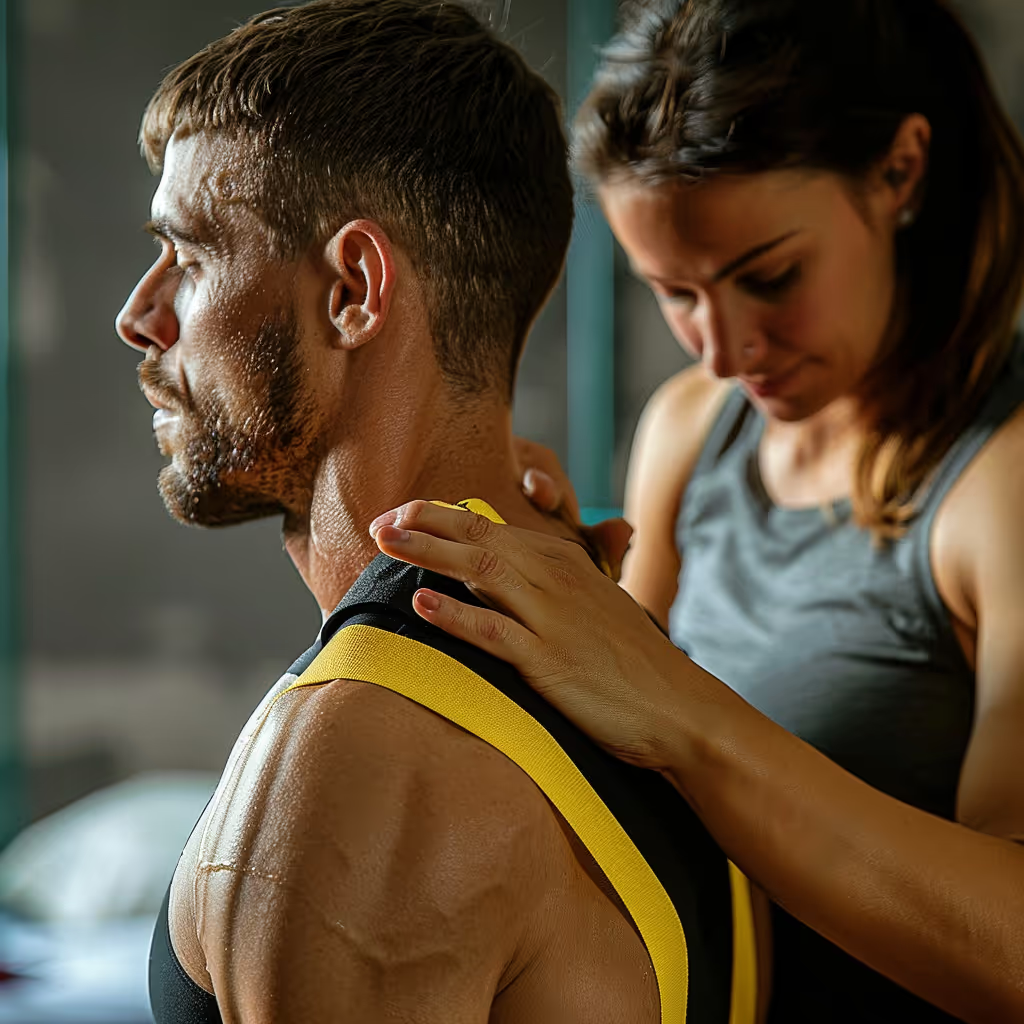
Acute pain is pain that has recently developed, and its intensity and cause can vary. It can occur after an injury, surgery, or as a result of certain medical conditions. While it can serve a protective function, its intensity does not directly reflect the condition of the tissues. This guide provides general guidelines, management options, and signs that warrant further evaluation. To understand this field, see our comprehensive guide to physical therapy and its therapeutic approaches. Our physical therapy guide for acute pain explains the follow-up process.
What is acute pain and how long does it normally last?
Acute pain is pain that has recently developed, often of limited duration, defined as lasting less than one month in the 2022 U.S. CDC guidelines. The CDC stands for the Centers for Disease Control and Prevention. Their guidelines classify pain lasting one to three months as subacute and pain lasting longer than three months as chronic.1 New-onset pain may accompany an injury or illness, without a single, always identifiable cause.2
Contact with a hot surface can trigger a reflexive withdrawal of the hand before the conscious perception of pain. This rapid movement travels through the spinal cord, which transmits messages between the brain and the body.3 Nociception refers to the detection and processing by the nervous system of stimuli that can damage tissue. Pain is a distinct experience, both sensory and emotional: it encompasses what you feel in your body and how that experience makes you feel.4
The term “acute” means recent, not necessarily intense. Acute pain, like chronic pain, can be mild or severe. The International Classification of Diseases, known as ICD-11, defines chronic pain as pain that persists or recurs for more than three months.5 These categories describe duration, not the severity of the problem.1
10 Quick Tips to Understand Your Pain
One tip a day for 10 days to help you better understand your pain. About a 2-minute read.
The three-month threshold is used to classify pain; it does not predict your recovery time.6
The course of the condition depends on the cause. Some recent pain subsides over time, while other types of pain require an evaluation or treatment specific to the diagnosis.
Why does acute pain exist, and what is its biological role?
Acute pain can help protect your body by prompting you to withdraw a limb, change an activity, or seek medical care. Certain rare diseases linked to genetic changes—that is, changes in the biological instructions of cells—prevent people from feeling pain from birth.7 As a result, those affected may suffer from undetected injuries, repeated burns, and wounds that heal poorly.8
Nociceptors are nerve endings found in various tissues. They respond to certain types of pressure, temperatures, or chemicals that can damage tissues.9 Extreme heat or cold, for example, can trigger them.3 Their activity contributes to nociception, though it does not alone determine the pain experienced.
When a nociceptor is activated, the nervous system transmits and processes the information near the tissue, in the spinal cord, and in the brain.9 Pain can result from this processing of information.9 Your physical condition, emotions, and environment influence this experience. Feeling pain is not a conscious choice.10
A withdrawal reflex may occur before a person consciously perceives pain. Pain may then cause a person to modify certain movements or seek medical care. It does not guarantee adequate protection or recovery; activity restrictions and resumption of activity depend on the cause.
The intensity of pain does not directly reflect the extent of an injury. Nociception, context, and the individual’s characteristics all contribute to this experience.11 For example, in people with knee osteoarthritis, pain and the changes visible on X-rays only partially correlate.12 This diversity of influences is also described in research on the physical, psychological, and social aspects of pain.10
Severe pain does not automatically indicate a serious injury, but it does not rule one out either. The context, the trauma, the course of the injury, and associated signs determine whether an evaluation is warranted.
How does acute pain differ from chronic pain?
Acute pain is a recent onset, while chronic pain persists or recurs for more than three months. The mechanisms may overlap, and treatment also depends on the health issue, the symptoms observed, and your needs.13
Acute pain depends on physical, psychological, and social factors. The body, emotions, and one’s social environment can all contribute to the experience.10 Pain and tissue healing do not always progress in tandem. Depending on the cause, the treatment plan may include temporary protection, a gradual return to movement, and pain relief measures.
Chronic pain may be associated with changes in the nervous system and other physical, psychological, or social factors.14 It lasts longer than three months.5 Central sensitization refers to an increased response in certain nerve pathways in the spinal cord and brain. It may contribute to certain types of pain, but it does not automatically occur after experiencing severe pain. This mechanism is being studied in several types of persistent pain, but the duration of your pain alone is not sufficient to diagnose it.14 Emotions, activities, and social context may also play a role.10 To learn more about this topic, check out our comprehensive guide to chronic pain.
Pain can occur after an injury without necessarily being part of the healing process. Biological, psychological, and social factors can influence both new and persistent pain. To understand the differences in detail, see our article on acute vs. chronic pain.
What are the possible causes of acute pain?
Acute pain can be caused by an injury, surgery, inflammation, or infection, among other causes. An evaluation helps determine the appropriate course of treatment and whether you should see another healthcare professional.
Traumatic injuries
A traumatic injury occurs as a result of an event such as a fall, a blow, or a twist. The evaluation determines which tissues are affected and the severity of the injury. For more information on this topic, see our guide on ligament pain and sprains.
Sprains affect the ligaments—the bands of tissue that connect the bones in a joint. A ligament can be stretched or torn; the severity varies depending on the injury.
Muscle strains and pulls refer to certain muscle injuries caused by overstretching or tearing. An examination can determine which muscle is affected and the severity of the injury.
Fractures are partial or complete breaks in a bone. The level of pain varies and, on its own, is not enough to confirm or rule out a fracture. A sound heard at the time of the injury is also not sufficient to make a diagnosis.
Dislocations occur when the bony surfaces of a joint become completely separated. Any deformity following an injury requires urgent medical evaluation.
Post-operative pain
Surgery can cause pain, the intensity and duration of which vary depending on the procedure and the individual. The surgical team adjusts pain management, permitted activities, and monitoring for side effects or complications.15
Follow the instructions given by your surgical team. Ask what symptoms are expected and what changes would require a follow-up evaluation.
Acute inflammations
Inflammation is the body’s response to an injury or certain diseases. It can cause pain, redness, warmth, and swelling. These signs do not necessarily indicate that normal healing is taking place. Redness that spreads, a fever, or general malaise require medical evaluation.
Bursitis affects a bursa, a small sac that reduces friction near a joint. Its causes vary depending on the location; some cases of bursitis are related to an infection. The bursa at the tip of the elbow is one example.16
Tendinopathy refers to pain and difficulty using a tendon—the tissue that connects a muscle to a bone. Inflammation is not always the primary factor. Repetitive strain or an increase in load may be involved, among other factors. Separate pages cover the Achilles tendon,epicondylitis, pain in the tendons near the elbow, and the rotator cuff, a group of muscles and tendons in the shoulder.
A gout attack is an inflammation caused by monosodium urate crystals in a joint. Urate is the primary form of uric acid in the body. These crystals can form when the concentration of uric acid in the blood is high.17 An attack often causes sudden and very intense pain.17 It usually affects a single joint within a few hours. The big toe is affected in about half of all first attacks.18
Muscle pain and soreness
Delayed-onset muscle soreness may occur after unusual physical exertion, often within hours or days afterward, and then gradually subside.19 The pain increases during the first 24 hours, usually peaks between 24 and 72 hours, and then subsides over the following days.20 There are multiple mechanisms involved. Clinically, the term “microtears” is often used to describe the condition. Research, however, has not reached a definitive conclusion: one review identified six theories and concluded that a combination of mechanisms is likely responsible, though no single mechanism has been definitively established.19 Experiments in rats have also reproduced delayed muscle soreness without muscle damage under certain conditions.21 Its presence alone is not sufficient to distinguish between an adaptation and an injury, nor to conclude that the muscle will become stronger.
The terms “strained back” and “muscle spasm” do not identify a specific injury or indicate how long it will last. Acute lower back pain can be severe without indicating a serious injury; its progression and associated symptoms guide further evaluation. For more information, see our guide on muscle pain.
Infections
An infection can cause acute pain. Septic arthritis is an infection of a joint that requires urgent medical evaluation.22 A joint that is very painful, warm, or swollen may be affected, even without a fever.
How does your body heal after an acute injury?
Your body heals an injury through the processes of inflammation, new tissue formation, and remodeling. These processes occur simultaneously.23 The production of cells and tissues is called proliferation; their gradual reorganization is called remodeling. The duration and outcome depend on the affected tissue, the injury, and the individual.24
Early Inflammatory Processes
At the onset of many repair processes, immune system cells—the body’s defenses—arrive at the injured site. In particular, they help clear away debris and participate in the subsequent stages of repair. Pain alone is not a reliable indicator of this cellular activity.
In muscle tissue, certain inflammatory cells play a role in repair. Poorly regulated inflammation can also be problematic; its role depends on the context.25 The effects of anti-inflammatory medications must therefore be evaluated based on the specific injury and treatment, not simply on the term “inflammation” alone.25
Pain and swelling may vary in the early stages of an injury. Worsening symptoms or associated signs should not be considered normal without an evaluation. Protection and a return to activity depend on the diagnosis and medical advice.
Proliferation Process
During proliferation, several cells contribute to the formation of repair tissue. Macrophages are immune cells that change their role as healing progresses. Fibroblasts, in particular, produce collagen, a protein that forms strong fibers around cells.23 This supportive structure is called the extracellular matrix. The cells and substances that orchestrate the repair process differ among bone, ligaments, and tendons.26
Tissue that is healing does not immediately regain its full capacity. Resuming strenuous activities should take into account your tolerance, your strength, and the demands of the activity. A recurrence—that is, a new injury in the same spot—can have several causes.
Cells in certain tissues respond to forces applied through movement or loading. This principle helps explain why exercises are tailored during rehabilitation.27 The type of movement, the intensity, and the timing of resuming activity depend on the injury and the restrictions placed on the patient.
Remodeling Phase
During remodeling, the repair tissue gradually reorganizes itself. Its structure and strength may continue to change even after the pain has subsided.
The outcome depends, in particular, on the tissue, the severity of the injury, the forces applied, and the amount of time that has elapsed.
Pain relief is a good indicator, but it’s not enough to determine when you can resume intense activities. Strength, range of motion, exercise tolerance, and the demands of your activity also matter.
When is acute pain at risk of becoming chronic?
Widespread pain, severe initial pain, and significant difficulty performing daily activities are associated with a less favorable prognosis for certain types of muscle and joint pain. The risk varies depending on the initial condition.28 A review of 78 studies in primary care identifies these factors among the indicators associated with prognosis.29 They help tailor follow-up care, but do not predict with certainty what will happen to you.
Biological Risk Factors
After certain surgeries, more severe initial pain is associated with a higher likelihood of persistent pain.30 A review of 22 studies found this link, with evidence deemed moderate at best. The results vary depending on how pain is measured.31 This association does not prove that the initial intensity of pain causes chronic pain.
Previous painful episodes may also be associated with a less favorable outcome. Be sure to mention them during the evaluation; they do not, on their own, determine the course of treatment.
A persistent inflammatory condition may require treatment specific to the diagnosis. The presence of inflammation alone does not explain or predict chronic pain.
Psychological Risk Factors
Fear of movement and avoidance of certain activities are associated with the persistence of certain muscle or joint pains.32 A review found this association in six studies.33 You can discuss your concerns with your healthcare provider to distinguish between necessary restrictions and activities that can be gradually resumed.
Catastrophizing refers to thoughts that constantly dwell on pain, amplify the perceived threat, and are accompanied by a sense of helplessness. Several mechanisms have been proposed to explain this phenomenon.34 In a study of 80 people with pain related to nerve damage, these thoughts were associated with greater spontaneous pain and greater difficulty performing daily activities. No such link was found with pain induced by testing; the feeling of helplessness emerged as the most consistent factor.35 This association does not mean that you are intentionally causing your pain.
Depressive symptoms are associated with new episodes of lower back pain.36 A review of 19 studies, 11 of which were included in the meta-analysis, reports an odds ratio of 1.59. This ratio compares, across groups, the likelihood of having an episode versus not having one.36 This figure indicates an association with a higher number of new episodes. It does not directly correspond to a 1.59-fold increased risk and does not prove that depression is the cause.
Behavioral Risk Factors
For certain types of acute lower back pain, staying active as tolerated may be preferable to bed rest. This recommendation does not automatically apply to every injury; restrictions depend on the diagnosis.37
If an activity makes your symptoms worse or becomes difficult, discuss making an adjustment. You could temporarily shorten the duration of the activity, divide up the tasks, or schedule breaks, depending on your situation.
Social Risk Factors
Support from your loved ones, work, family life, and financial constraints can affect your experience of pain and your daily activities.38 A 2024 review describes these influences at the individual, group, and societal levels.39 These factors may also be consequences of pain. Their presence does not mean your pain can be attributed to a single social cause.
Requirements and options for workplace accommodations can be discussed when they affect job duties or a return to work. Their impact varies depending on the individual’s condition and the job.
How to Effectively Manage Acute Pain to Promote Healing?
The management of acute pain combines appropriate protection, pain relief measures, and a return to activity based on the cause. Your healthcare provider takes into account warning signs, your abilities, and your preferences. The plan is reassessed based on your progress.
The POLICE Checklist for Injuries
PICE is a mnemonic device for treating injuries to muscles, tendons, and ligaments. The letters stand for protection, optimal load, ice, compression, and elevation.40 It replaces the “rest” component of the old PRICE mnemonic with a gradual return to activity. This recommendation is not a one-size-fits-all treatment: each step should be tailored to your specific injury.
P for Protection. Temporary protection may be indicated depending on the injury. Crutches, a splint, a bandage, or weight-bearing restrictions are selected based on the assessment and instructions; they are not automatically appropriate for all cases of acute pain.
OL stands for Optimal Loading. The load refers to the forces applied to the injured area, such as when you put weight on a foot or lift an object. The gradual resumption of movement and activity follows the instructions provided. The intensity and timing of the resumption are adjusted based on the observed response.41
I for Ice. Ice can be tried for short-term relief if it is tolerated. The data do not support the claim that it controls swelling or improves healing.
Cryotherapy refers to the application of cold. A review of six human trials does not provide clear evidence of improvement in pain, swelling, or functional ability following an injury to soft tissues, such as muscles, tendons, or ligaments.42 Two trials were of good quality, with differing results.42 A previous review of 22 trials also failed to identify the best method or duration for applying cold. It reported some favorable results for the combination of ice and exercise, although the evidence was limited.43
C stands for Compression. A compression bandage can be used for certain injuries to provide comfort or support. Its appropriate use and fit depend on the condition; remove it and seek advice if it causes numbness, discoloration, or worsening of symptoms.
E for Elevation. Elevating a limb may be tried for comfort in certain situations, without assuming it will promote drainage or aid in healing.
The Importance of Early Movement
For acute lower back pain, unless otherwise indicated, staying active is generally preferable to bed rest.44 A Cochrane review of ten trials found small benefits regarding pain and activity levels. For sciatica—pain that radiates down the leg along a nerve pathway—the comparison showed little or no difference.44 Restrictions following other injuries depend on the diagnosis.
The physical therapist monitors your pain, your range of motion, your strength, and your activities to adjust the exercises. The plan takes into account the specific limitations associated with your injury.
The response to movement can guide adjustments, but no level of pain is acceptable for any injury. Follow the restrictions specific to your diagnosis and request a reevaluation if your symptoms worsen or if new symptoms appear.
Pain Medication
Medication may be considered depending on the cause, contraindications, other treatments, and personal preferences. A pharmacist or doctor can help choose an appropriate option and dosage.
Acetaminophen (Tylenol) can relieve certain types of acute pain, such as pain from a sprain or muscle injury. Its effectiveness depends on the specific condition. Taking too much can damage the liver. A pharmacist can review the other medications you’re taking and any health-related precautions you should follow. The UK National Health Service (NHS) guidance on sprains and muscle injuries includes this option45. For osteoarthritis of the knee or hip, a review of seven studies on long-term use found little or no clinically useful benefit.46 These findings do not apply to a recent sprain.
Nonsteroidal anti-inflammatory drugs (NSAIDs) are medications such as ibuprofen. Some are applied to the skin as a gel or cream; others are taken orally. A Cochrane review of 61 studies shows that several gels and other topical preparations provide better relief for certain acute pains caused by sprains, muscle injuries, or overuse than a placebo. Effects vary depending on the preparation; few systemic side effects have been reported.47 The findings on gels do not automatically mean you should choose a tablet instead. How you take the medication, your health, and any other treatments you’re taking all matter.47
A meta-analysis combining several studies links NSAID use to longer delays in fracture healing or fractures that fail to heal. It reports an odds ratio of 2.07, with a confidence interval of 1.19 to 3.61.48 The odds represent the ratio of the probability of an event occurring to the probability of it not occurring. The odds ratio compares these values between the two groups. This figure does not, therefore, mean that the number of cases or the risk is doubled. The interval indicates that the estimate remains imprecise. Analyses involving children and those involving low doses or short durations did not show any statistically significant difference; this does not prove the absence of risk.48 These associations alone are not sufficient to establish that the drug causes the problem.
Opioids are pain medications, such as morphine, that carry risks including drowsiness, dependence, and overdose. They are not the first-line treatment for many types of acute pain. A review of guidelines for hospitalized adults recommends reserving them for severe pain or pain that is not adequately relieved by other options, using a short-acting formulation—one that is not released slowly over a long period—at the lowest effective dose and for the shortest duration necessary.49 For adults receiving outpatient treatment, the CDC guidelines prioritize non-opioid options when their benefits are comparable.1 When an opioid is warranted, the prescriber adjusts the dose and quantity based on the expected duration of the severe pain.1
The objectives of a medication are defined based on the condition, symptoms, function, and risks. Its effects and adverse effects must be reevaluated.
Early Physiotherapy
A physical therapy consultation can help assess your range of motion, select exercises, and adapt your activities following certain injuries. The physical therapist also checks for signs that require medical attention. For back pain, recommendations emphasize education and active care.50 Our guide to physical therapy for acute pain explains why you should seek care early after an injury.
How to Prevent Acute Pain from Becoming Chronic?
Strategies for limiting the persistence of acute pain include appropriate physical activity, clear explanations, and attention to sleep, stress, and daily challenges. These strategies do not guarantee that persistent pain can be avoided; the choice of strategy depends on your situation.
Maintain appropriate activity levels
In a study of acute lower back pain with no identified serious cause, participants who continued their normal activities as tolerated recovered better at 3 and 12 weeks than those assigned to two days of bed rest or to the specific back exercise program being studied.51 This finding does not rule out exercise in general and does not apply to injuries that require special protection.
If your medical guidelines allow it, continue or modify certain activities. You can discuss walking, swimming, or cycling with your healthcare provider; the choice depends on the injured area and your abilities.
Understand your pain
Explanations help you understand the options, limitations, and signs to watch for. A review of eight studies, involving a total of 401 adults with persistent muscle or joint pain, reports potential benefits of education regarding pain, activities, threat-related thoughts, and movement. Differences among the studies made it impossible to pool their numerical results.52 These benefits pertain to the chronic pain studied; there is no guarantee that they apply equally to every type of recent pain.52
10 Quick Tips to Understand Your Pain
One tip a day for 10 days to help you better understand your pain. About a 2-minute read.
Ask your healthcare professional questions. Ask for explanations about your condition, the expected healing time, and what you can and cannot do.
Manage stress factors
Stress, anxiety, and sleep difficulties can accompany pain. A review suggests links between chronic stress, cortisol—a hormone involved in the stress response—and pain; however, these mechanisms must be distinguished from a proven cause in an individual.53 Another review links sleep problems to increased levels of persistent muscle or joint pain. Pain can also disrupt sleep, but the bidirectional relationship still requires further research.54, 53
You can try slow breathing as a way to relax. Choose a strategy that feels comfortable, without expecting it to guarantee relief from pain.
Sleep is an important part of your overall health. If pain is keeping you from sleeping, let your healthcare provider know so they can adjust your pain management plan.
Consult at the right time
Seek medical attention if the pain worsens, prevents you from carrying out your daily activities, or causes you concern. An urgent symptom requires immediate evaluation, even if the pain began recently.
The physical therapist can discuss with you your fear of moving, difficulties at work, and obstacles to your return to work. This information is used to tailor the treatment plan without making you feel responsible for your pain.
How does physiotherapy help treat acute pain?
Physical therapy helps manage certain types of acute pain through movement assessment, advice, tailored exercises, and—depending on the problem—manual techniques. The choice of treatment and expected outcomes depend on the diagnosis and your goals.55
Manual therapy involves techniques applied by a practitioner to the muscles or joints. For acute lower back pain, a review found small improvements in pain and the ability to perform daily activities following spinal manipulations, lasting up to six weeks. Results vary widely across studies. Minor and temporary side effects, such as increased pain or stiffness, have been reported.56
Research on chronic back pain also shows that exercise can reduce pain compared to no treatment, usual care, or a sham treatment, with a smaller effect on difficulties with daily activities.57 This comparison applies to pain lasting more than 12 weeks, not all recent injuries. Our guide on physical therapy for acute pain describes assessment and follow-up.
When does acute pain require urgent attention?
Acute pain requires urgent evaluation if it is accompanied by new, significant weakness, urinary problems, deformity following an injury, or signs of infection. The nature of the injury, other symptoms, and your overall condition determine the urgency. The following situations require special attention.
Warning signs: Go to the emergency room immediately
Cauda equina syndrome. This condition affects the nerves at the base of the spine. Symptoms such as back pain, new difficulty urinating, loss of bladder or bowel control, numbness between the legs, or progressive weakness in the legs require immediate evaluation in the emergency room. Even just one of these signs is reason enough to seek emergency care.58 These symptoms alone do not confirm the diagnosis. The review by Gardner and colleagues specifically describes the risk associated with urinary retention58.
Other warning signs related to back pain. If you have back pain, go to the emergency room if you experience pain, tingling, weakness, or numbness in both legs; loss of sensation around the genitals or anus; difficulty urinating or other changes in urination or bowel movements, such as new leakage of urine or stool; or changes in sexual sensation or function. Chest pain or back pain following a serious accident also requires this type of care. The NHS identifies the following warning signs related to back pain59. Call 911 if you need immediate assistance or cannot move safely.
Signs of a fracture or nerve or circulation damage. After an injury, go to the emergency room if the limb is misshapen, if you heard a cracking sound at the time of the injury, or if you experience numbness, tingling, bluish or grayish skin, or cold skin. Warning signs following an injury may indicate a fracture or nerve or circulation damage45.
Compartment syndrome. Excessive pressure in a muscle area can impair blood flow. After an injury, sudden, severe pain—or pain that increases rapidly—requires immediate evaluation. Tense swelling, numbness, weakness, or a pale, cold limb are also cause for concern. Do not wait for all of these signs to appear.60 Prompt treatment may be necessary to prevent permanent damage. The NHS’s guidance on compartment syndrome describes this medical emergency61.
Signs of infection. A joint that is very painful, warm, or swollen—with or without a fever—may indicate a joint infection and requires urgent evaluation.62 Tests and treatment depend on the diagnosis.
Other reasons to seek medical attention promptly
Significant Trauma. A fall from a height, a car accident, or a severe blow warrants an evaluation to rule out a fracture or other serious injury, even if the pain seems tolerable.
Signs to watch for after an injury. Seek medical attention promptly after an injury if the pain is severe or getting worse, if there is significant swelling or bruising or if it is getting worse, if you cannot put weight on the limb or walk more than a few steps, or if the limb is very stiff or difficult to move. A high fever, chills, or a feeling of being too hot or too cold also warrant medical attention. The NHS outlines the signs to watch for after a sprain or strain45.
Sudden back pain. Sudden, severe back pain that worsens rapidly, or is accompanied by a sensation of heat or cold, chills, or general discomfort, requires prompt medical attention.
Severe nighttime pain. Unusual pain that wakes you up and does not change with position should be discussed promptly, especially if it worsens or is accompanied by a fever, unexplained weight loss, or general malaise. Nighttime pain alone does not necessarily indicate a serious illness.
When to consult a healthcare professional
In the absence of urgent symptoms, a medical consultation may be warranted if the pain worsens, persists, limits activities, or requires repeated adjustments to medication. The timing of the consultation depends on the possible cause, associated symptoms, and the patient's overall condition.
Frequently Asked Questions About Acute Pain
Frequently asked questions about acute pain focus on the relationship between pain and injury, variations in pain, measures to relieve discomfort, resuming activities, and the effects of anti-inflammatory medications.
The management of acute pain depends on its cause, the associated symptoms, and the activities the person plans to resume. Pain alone is not an indicator of tissue damage or of when it is safe to resume sports.
Is acute pain always related to tissue injury?
Acute pain is not always associated with a demonstrable injury. It remains a real and personal experience, influenced by the body, emotions, and context.63 The revised definition from the International Association for the Study of Pain includes experiences associated with an actual or possible injury, or that resemble those that accompany such an injury.4 Physical, psychological, and social influences do not make this pain imaginary.10
Should I apply heat or ice to my injury?
Heat can be used for relaxation, while cold can be tried for temporary relief. The results depend on the problem and your tolerance.64 Studies on cold therapy do not clearly show improved healing after an acute soft-tissue injury.42 There is no one-size-fits-all hot-cold schedule for all injuries. Protect your skin and follow the instructions you’ve been given; if an area is very red, hot, or swollen, seek medical advice before applying heat to it.64
How long should I wait before returning to sports after an injury?
Returning to sports depends on the injury, the demands of the sport, your strength, your range of motion, and your tolerance. Pain alone is not enough to make this decision. An individualized assessment and injury-specific guidelines guide your return to sports.65
Among 165 elite track and field athletes with a first-time hamstring injury, the loss of active knee range of motion was measured 48 hours after the injury, compared to the other leg. The 133 athletes with a loss of range of motion of less than 20 degrees had regained their performance levels within two weeks. Among the six athletes with a loss of range of motion greater than 30 degrees, recovery took longer than six weeks.66 These group results do not determine your return-to-play date.
Another study followed 64 athletes after a hamstring injury. Tenderness on palpation, measured within seven days of returning to sports, was associated with a higher rate of recurrence in the following year. The authors reported an adjusted odds ratio of 3.95, with a confidence interval of 1.38 to 11.37.67 “Adjusted” means that the analysis takes other measured factors into account. This figure does not mean that the individual risk is quadrupled; the width of the interval indicates an imprecise estimate.
Why does my pain vary from day to day?
Pain can vary from day to day depending on your activities and your overall health. Sleep, stress, and mood are particularly studied in the context of chronic pain.68 A change does not automatically mean a new injury. However, a marked worsening or new symptoms do require reevaluation.
Does "feeling pain" during exercises mean that I am injuring myself?
Pain during exercise is interpreted based on the patient’s condition, goals, limitations, and response after the activity. No single level of pain is acceptable or expected for all injuries; the exercise is modified or reassessed according to guidelines and observed signs. Pain alone is not sufficient to distinguish between normal healing and a problem, nor to determine an appropriate level of activity.
Do Anti-inflammatories Slow Down Healing?
Anti-inflammatory drugs can have different effects depending on the tissue, the injury, the medication, the dose, and the duration of treatment.69 A review on exercise estimates that occasional use is unlikely to interfere with muscle growth, while the effects of prolonged use remain uncertain.69 Training-induced growth is not exactly the same as the repair of an injured muscle. A review of cellular, animal, and human data describes complex effects on this repair process.25 Discuss your situation with a doctor or pharmacist before changing your treatment.
When can I stop protecting my injury?
You can reduce the level of support when your diagnosis, the instructions you’ve received, and your abilities allow it. A splint, crutches, or weight-bearing restrictions are not removed according to a one-size-fits-all schedule. Research on ankle sprains focuses on this specific injury.70 Your healthcare professional can explain the criteria for progression to you.
What are the key points to remember about acute pain?
Acute pain is a recent experience that can contribute to protection, without directly reflecting the condition of the tissues. Its course depends on the cause, associated symptoms, and the individual; no single course applies to all cases of acute pain.
Protection, range of motion, and exertion are adjusted based on the diagnosis, any limitations, and your response. The recommendation to stay active is appropriate in certain situations; a fracture or other injury may require specific restrictions.
For acute lower back pain, the advice to stay in bed is less effective than the advice to stay active.71
Psychological factors may be associated with the persistence of certain types of pain, depending on the condition and the population studied. Fear, avoidance, and catastrophizing can be addressed in the treatment plan without presenting them as the cause or promising that they can be prevented.
A medical consultation can help you reassess pain that is getting worse or limiting your activities. Urgent symptoms require immediate care.
Acute pain can affect your back (our guide to back pain), your neck (our guide to neck pain), your shoulders (our guide to shoulder pain), or your knees (our guide to knee pain). Our physical therapists can assess your condition, check for safety concerns, and discuss options tailored to your activities.
Need professional advice?
Our physical therapists can assess your condition, check for safety concerns, and discuss treatment options or medical referrals.
Make an appointmentSources
- Dowell D, Ragan KR, Jones CM, Baldwin GT, Chou R. CDC Clinical Practice Guideline for Prescribing Opioids for Pain—United States, 2022. MMWR Recomm Rep. 2022;71(3):1-95. ↩ Back to text: 1st, 2nd, 3rd, 4th references
- International Association for the Study of Pain (IASP). Definition of Pain. 2020. ↩ Back to text
- Armstrong SA, Herr MJ. Physiology, Nociception. [Updated May 1, 2023]. In: StatPearls [Internet]. Treasure Island (FL): StatPearls Publishing; 2026. ↩ Back to text: 1st, 2nd citations
- Raja SN, Carr DB, Cohen M, Finnerup NB, Flor H, Gibson S, et al. The revised International Association for the Study of Pain definition of pain: concepts, challenges, and compromises. Pain. 2020;161(9):1976-1982. ↩ Back to text: 1st, 2nd citations
- Treede RD, Rief W, Barke A, Aziz Q, Bennett MI, Benoliel R, et al. Chronic pain as a symptom or a disease: the IASP Classification of Chronic Pain for the International Classification of Diseases (ICD-11). Pain. 2019;160(1):19-27. ↩ Back to text: 1st, 2nd citations
- World Health Organization (WHO). ICD-11 Classification of Chronic Pain. 2019. ↩ Back to text
- Cox JJ, Reimann F, Nicholas AK, Thornton G, Roberts E, Springell K, et al. An SCN9A channelopathy causes congenital inability to experience pain. Nature. 2006;444(7121):894-8. ↩ Back to text
- Lischka A, Lassuthova P, Çakar A, Record CJ, Van Lent J, Baets J, et al. Genetic pain loss disorders. Nat Rev Dis Primers. 2022;8(1):41. ↩ Back to text
- Basbaum AI, Bautista DM, Scherrer G, Julius D. Cellular and molecular mechanisms of pain. Cell. 2009;139(2):267-84. ↩ Back to text: 1st, 2nd, 3rd citations
- Cho C, Deol HK, Martin LJ. Bridging the Translational Divide in Pain Research: Biological, Psychological, and Social Considerations. Front Pharmacol. 2021;12:603186. ↩ Back to text: 1st, 2nd, 3rd, 4th, 5th citations
- Moseley GL. Reconceptualizing pain according to modern pain science. Physical Therapy Reviews. 2007. ↩ Back to text
- Finan PH, Buenaver LF, Bounds SC, Hussain S, Park RJ, Haque UJ, et al. Discordance between pain and radiographic severity in knee osteoarthritis: findings from quantitative sensory testing of central sensitization. Arthritis Rheum. 2013;65(2):363-72. ↩ Back to text
- Treede RD, Rief W, Barke A, Aziz Q, Bennett MI, Benoliel R, et al. A classification of chronic pain for ICD-11. Pain. 2015;156(6):1003-1007. ↩ Back to text
- Woolf CJ. Central sensitization: implications for the diagnosis and treatment of pain. Pain. 2011;152(3 Suppl):S2-S15. ↩ Back to text: 1st, 2nd citations
- Chou R, Gordon DB, de Leon-Casasola OA, Rosenberg JM, Bickler S, Brennan T, et al. Management of Postoperative Pain: A Clinical Practice Guideline From the American Pain Society, the American Society of Regional Anesthesia and Pain Medicine, and the American Society of Anesthesiologists’ Committee on Regional Anesthesia, Executive Committee, and Administrative Council. J Pain. 2016;17(2):131-157. ↩ Back to text
- Sayegh ET, Strauch RJ. Treatment of olecranon bursitis: a systematic review. Arch Orthop Trauma Surg. 2014;134(11):1517-36. ↩ Back to text
- Dalbeth N, Merriman TR, Stamp LK. Gout. Lancet. 2016;388(10055):2039-2052. ↩ Back to text: 1st, 2nd citations
- Grassi W, De Angelis R. Clinical features of gout. Reumatismo. 2012;63(4):238-45. ↩ Back to text
- Cheung K, Hume P, Maxwell L. Delayed-onset muscle soreness: treatment strategies and performance factors. Sports Med. 2003;33(2):145-64. ↩ Back to text: 1st, 2nd citations
- Givli S. Contraction-induced muscle injury: toward personalized training and recovery programs. Ann Biomed Eng. 2015;43(2):388-403. ↩ Back to text
- Mizumura K, Taguchi T. Neurochemical Mechanism of Muscular Pain: Insights from the Study on Delayed-Onset Muscle Soreness. J Physiol Sci. 2024;74(1):4. ↩ Back to text
- Goldenberg DL. Septic arthritis. Lancet. 1998;351(9097):197-202. ↩ Back to text
- Novak ML, Koh TJ. Phenotypic transitions of macrophages orchestrate tissue repair. Am J Pathol. 2013;183(5):1352-1363. ↩ Back to text: 1st, 2nd citations
- Reinke JM, Sorg H. Wound repair and regeneration. European Surgical Research. 2012. ↩ Back to text
- Duchesne E, Dufresne SS, Dumont NA. Impact of Inflammation and Anti-inflammatory Modalities on Skeletal Muscle Healing: From Fundamental Research to Clinical Practice. Phys Ther. 2017;97(8):807-817. ↩ Back to text: 1st, 2nd, 3rd citations
- Cottrell JA, Turner JC, Arinzeh TL, O'Connor JP. The Biology of Bone and Ligament Healing. Foot Ankle Clin. 2016;21(4):739-761. ↩ Back to text
- Khan KM, Scott A. Mechanotherapy: How Physical Therapists' Prescription of Exercise Promotes Tissue Repair. Br J Sports Med. 2009;43(4):247-52. ↩ Back to text
- Vos CJ, Verhagen AP, Passchier J, Koes BW. Clinical course and prognostic factors in acute neck pain: an inception cohort study in general practice. Pain Med. 2008;9(5):572-580. ↩ Back to text
- Artus M, Campbell P, Mallen CD, Dunn KM, van der Windt DA. Generic prognostic factors for musculoskeletal pain in primary care: a systematic review. BMJ Open. 2017;7(1):e012901. ↩ Back to text
- Katz J, Seltzer Z. Transition from acute to chronic postsurgical pain: risk factors and protective factors. Expert Rev Neurother. 2009;9(5):723-744. ↩ Back to text
- Gilron I, Vandenkerkhof E, Katz J, Kehlet H, Carley M. Evaluating the Association Between Acute and Chronic Pain After Surgery: Impact of Pain Measurement Methods. Clin J Pain. 2017;33(7):588-594. ↩ Back to text
- Vlaeyen JWS, Linton SJ. Fear-avoidance and its consequences in chronic musculoskeletal pain: a state-of-the-art review. Pain. 2000;85(3):317-332. ↩ Back to text
- Hruschak V, Cochran G. Psychosocial predictors in the transition from acute to chronic pain: a systematic review. Psychol Health Med. 2018;23(10):1151-1167. ↩ Back to text
- Leung L. Pain catastrophizing: an updated review. Indian J Psychol Med. 2012;34(3):204-17. ↩ Back to text
- Sullivan MJL, Lynch ME, Clark AJ. Dimensions of catastrophic thinking associated with pain experience and disability in patients with neuropathic pain conditions. Pain. 2005;113(3):310-315. ↩ Back to text
- Pinheiro MB, Ferreira ML, Refshauge K, Ordoñana JR, Machado GC, Prado LR, et al. Symptoms of Depression and Risk of New Episodes of Low Back Pain: A Systematic Review and Meta-Analysis. Arthritis Care Res (Hoboken). 2015;67(11):1591-603. ↩ Back to text: 1st, 2nd citations
- Waddell, G. *The Back Pain Revolution*. Churchill Livingstone. 2004. ↩ Back to text
- Turk DC, Okifuji A. Psychological factors in chronic pain: evolution and revolution. J Consult Clin Psychol. 2002;70(3):678-690. ↩ Back to text
- Kapos FP, Craig KD, Anderson SR, Bernardes SF, Hirsh AT, Karos K, et al. Social Determinants and Consequences of Pain: Toward Multilevel, Intersectional, and Life Course Perspectives. J Pain. 2024;25(10):104608. ↩ Back to text
- Bleakley CM, Glasgow P, MacAuley DC. PRICE Needs Updating—Should We Call the POLICE? Br J Sports Med. 2012;46(4):220-1. ↩ Back to text
- Glasgow P, Phillips N, Bleakley C. Optimal loading: key variables and mechanisms. Br J Sports Med. 2015;49(5):278-9. ↩ Back to text
- Collins NC. Is ice right? Does cryotherapy improve outcomes for acute soft tissue injuries? Emerg Med J. 2008;25(2):65-8. ↩ Back to text: 1st, 2nd, 3rd references
- Bleakley C, McDonough S, MacAuley D. The use of ice in the treatment of acute soft-tissue injury: a systematic review of randomized controlled trials. Am J Sports Med. 2004;32(1):251-61. ↩ Back to text
- Dahm KT, Brurberg KG, Jamtvedt G, Hagen KB. Advice to rest in bed versus advice to stay active for acute low back pain and sciatica. Cochrane Database Syst Rev. 2010;2010(6):CD007612. ↩ Back to text: 1st, 2nd citations
- Sprains and strains. NHS (National Health Service, United Kingdom). ↩ Back to text: 1st, 2nd, 3rd references
- Ennis ZN, Dideriksen D, Vaegter HB, Handberg G, Pottegård A. Acetaminophen for Chronic Pain: A Systematic Review on Efficacy. Basic Clin Pharmacol Toxicol. 2016;118(3):184-189. ↩ Back to text
- Derry S, Moore RA, Gaskell H, McIntyre M, Wiffen PJ. Topical NSAIDs for acute musculoskeletal pain in adults. Cochrane Database Syst Rev. 2015;2015(6):CD007402. ↩ Back to text: 1st, 2nd citations
- Wheatley BM, Nappo KE, Christensen DL, Holman AM, Brooks DI, Potter BK. Effect of NSAIDs on Bone Healing Rates: A Meta-analysis. J Am Acad Orthop Surg. 2019;27(7):e330-e336. ↩ Back to text: 1st, 2nd citations
- Herzig SJ, Calcaterra SL, Mosher HJ, Ronan MV, Groningen NV, Shek L, et al. Safe Opioid Prescribing for Acute Noncancer Pain in Hospitalized Adults: A Systematic Review of Existing Guidelines. J Hosp Med. 2018;13(4):256-262. ↩ Back to text
- Foster NE, Anema JR, Cherkin D, Chou R, Cohen SP, Gross DP, et al. Prevention and treatment of low back pain: evidence, challenges, and promising directions. Lancet. 2018;391(10137):2368-2383. ↩ Back to text
- Malmivaara A, Häkkinen U, Aro T, Heinrichs ML, Koskenniemi L, Kuosma E, et al. The treatment of acute low back pain—bed rest, exercises, or ordinary activity? N Engl J Med. 1995;332(6):351-5. ↩ Back to text
- Louw A, Diener I, Butler DS, Puentedura EJ. The effect of neuroscience education on pain, disability, anxiety, and stress in chronic musculoskeletal pain. Arch Phys Med Rehabil. 2011;92(12):2041-56. ↩ Back to text: 1st, 2nd citations
- Hannibal KE, Bishop MD. Chronic stress, cortisol dysfunction, and pain: a psychoneuroendocrine rationale for stress management in pain rehabilitation. Phys Ther. 2014;94(12):1816-25. ↩ Back to text: 1st, 2nd citations
- Runge N, Ahmed I, Saueressig T, Perea J, Labie C, Mairesse O, et al. The bidirectional relationship between sleep problems and chronic musculoskeletal pain: a systematic review with meta-analysis. Pain. 2024;165(11):2455-2467. ↩ Back to text
- Chou R. Nonpharmacologic Therapies for Low Back Pain. Ann Intern Med. 2017;167(8):606-607. ↩ Back to text
- Paige NM, Miake-Lye IM, Booth MS, Beroes JM, Mardian AS, Dougherty P, et al. Association of Spinal Manipulative Therapy With Clinical Benefit and Harm for Acute Low Back Pain: Systematic Review and Meta-analysis. JAMA. 2017;317(14):1451-1460. ↩ Back to text
- Hayden JA, Ellis J, Ogilvie R, Malmivaara A, van Tulder MW. Exercise therapy for chronic low back pain. Cochrane Database Syst Rev. 2021;9(9):CD009790. ↩ Back to text
- Gardner A, Gardner E, Morley T. Cauda equina syndrome: a review of the current clinical and medico-legal position. Eur Spine J. 2011;20(5):690-7. ↩ Back to text: 1st, 2nd citations
- Back pain. NHS (National Health Service, United Kingdom). ↩ Back to text
- Via AG, et al. Acute Compartment Syndrome. *Muscles, Ligaments and Tendons Journal*. 2015. ↩ Back to text
- Compartment syndrome. NHS (National Health Service, United Kingdom). ↩ Back to text
- Mathews CJ, Coakley G. Septic arthritis: current diagnostic and therapeutic algorithm. Curr Opin Rheumatol. 2008;20(4):457-462. ↩ Back to text
- Moseley GL. A neuromatrix approach to patients with chronic pain. Man Ther. 2003;8(3):130-140. ↩ Back to text
- Malanga GA, Yan N, Stark J. Mechanisms and efficacy of heat and cold therapies for musculoskeletal injuries. Postgrad Med. 2015;127(1):57-65. ↩ Back to text: 1st, 2nd references
- Kaminski TW, Hertel J, Amendola N, Docherty CL, Dolan MG, Hopkins JT, Nussbaum E, Poppy W, Richie D, National Athletic Trainers' Association. National Athletic Trainers' Association position statement: conservative management and prevention of ankle sprains in athletes. J Athl Train. 2013;48(4):528-545. ↩ Back to text
- Malliaropoulos N, Papacostas E, Kiritsi O, Papalada A, Gougoulias N, Maffulli N. Posterior thigh muscle injuries in elite track and field athletes. Am J Sports Med. 2010;38(9):1813-9. ↩ Back to text
- De Vos RJ, Reurink G, Goudswaard GJ, Moen MH, Weir A, Tol JL. Clinical findings immediately after returning to play predict hamstring re-injury, but baseline MRI findings do not. Br J Sports Med. 2014;48(18):1377-84. ↩ Back to text
- Edwards RR, Dworkin RH, Turk DC, Angst MS, Dionne R, Freeman R, et al. Patient phenotyping in clinical trials of chronic pain treatments: IMMPACT recommendations. Pain. 2016;157(9):1851-1871. ↩ Back to text
- Schoenfeld BJ. The use of nonsteroidal anti-inflammatory drugs for exercise-induced muscle damage: implications for skeletal muscle development. Sports Med. 2012;42(12):1017-28. ↩ Back to text: 1st, 2nd citations
- Kerkhoffs GM, Rowe BH, Assendelft WJ, Kelly KD, Struijs PA, van Dijk CN. Immobilization for acute ankle sprain. A systematic review. Arch Orthop Trauma Surg. 2001;121(8):462-471. ↩ Back to text
- Hagen KB, Jamtvedt G, Hilde G, Winnem MF. The updated Cochrane review of bed rest for low back pain and sciatica. Spine (Phila Pa 1976). 2005;30(5):542-6. ↩ Back to text
Our physical therapists defined the research strategy, plan, and clinical content of this article. An AI tool assisted with the literature review and text editing to ensure consistency in content and writing style.

Other conditions

Hip osteoarthritis is the normal wear and tear of the hip joint. It is often said that osteoarthritis is the wear and tear of the cartilage between our bones. That is true, but it involves more than just the cartilage. Cartilage is a tissue that acts as a cushion between the surfaces of our bones and allows our joints to glide smoothly and move fluidly.
This is normal wear and tear of the knee joint. It’s often said that osteoarthritis is the wearing down of the cartilage between our bones. That’s true, but it’s more than just the cartilage. Cartilage is a tissue that acts as a cushion between the surfaces of our bones and allows our joints to glide smoothly and move fluidly.
It is an inflammation of the subacromial bursa in the shoulder joint.
A bursa is a small, thin sac filled with fluid that is found in many of the body's joints. This small sac acts as a cushion within the joint and lubricates the structures that are subject to increased friction.
It is a tissue that surrounds the shoulder and helps keep the shoulder bone in place within the joint. The capsule helps keep the joint stable.
In both types of injury, pain is felt in the neck and then radiates into the arm, or vice versa.
It is a severe strain or tear of the muscle fibers in the groin or inner thigh.
Make an appointment now
We offer a three-pronged quality assurance approach: optimized treatment time, a second opinion from a physical therapist, and ongoing expertise to ensure effective care tailored to your needs.

Customer satisfaction is our top priority
At Physioactif, excellence guides everything we do, but our patients are the best ones to tell you about it. Take a look at their verified reviews to get a real sense of their experience.









Discover our physical therapy clinics
We have locations in several areas to better serve you.
Blainville
190 Bas-de-Sainte-Thérèse Road, Suite 110,
Blainville, Quebec
J7B 1A7
Located in Blainville, near Rosemère, the Physioactif clinic is easily accessible to residents of the area and the surrounding communities
Boucherville
690 Rue de Montbrun, Suite S,
Boucherville, Quebec
J4B 8H2
Located in Boucherville, the Physioactif clinic is easily accessible to people in the area
Laval
3224 Jean-Béraud Ave., Suite 220, Laval,
QC H7T 2S4
Located in Chomedey, in the heart of Laval, the Physioactif clinic is easily accessible to people in the area
Montreal
8801 Lajeunesse Street,
Montreal,
QC H2M 1R8
Located in Ahuntsic, near Villeray, the Physioactif clinic is easily accessible to residents of both neighborhoods
Saint-Eustache
180 25th Avenue, Suite
201 Saint-Eustache
QC J7P 2V2
Located in Saint-Eustache, the Physioactif clinic is easily accessible to residents of the area and the surrounding communities
Vaudreuil
21 Cité-des-Jeunes Boulevard, Suite 240,
Vaudreuil-Dorion, Quebec
J7V 0N3
Located in Vaudreuil-Dorion, the Physioactif clinic is easily accessible to people in the area
Make an appointment now