Calf Pain: Causes, Symptoms, and Treatment
.png)
.png)
.png)


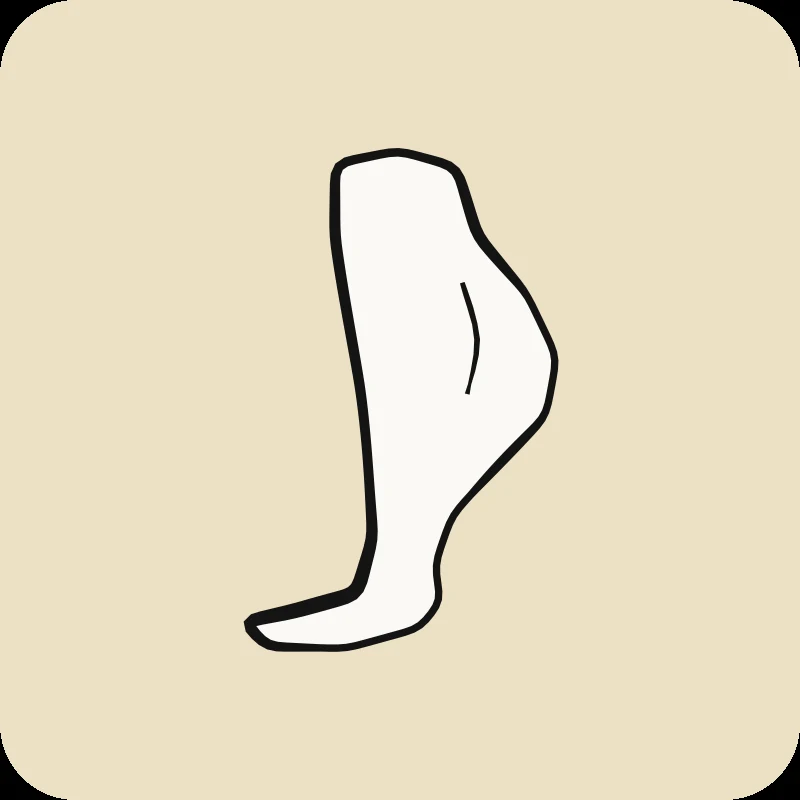


Calf pain affects the back of the leg, between the knee and the ankle. It can occur suddenly during physical activity or develop gradually over time. The good news is that, in most cases, this pain responds well to conservative treatment. Physical therapy is often the first treatment option recommended by healthcare professionals.
Whether you experience pain after running, climbing stairs, or simply walking, this guide will help you understand what’s going on. You’ll learn how to recognize the different causes, when to seek medical attention, and what treatment options are available. To understand how physical therapy can help you specifically, check out our guide on physical therapy for calf pain.
What is Calf Pain?
Calf pain is discomfort felt in the back of your leg, between the back of the knee and the heel. This area contains several powerful muscles that work together to enable walking, running, and propulsion with every step you take.
The calf contains two main muscles that together form the triceps surae. The gastrocnemius is the superficial muscle—the one you see when you stand on your tiptoes. It has two heads (medial and lateral) and crosses two joints: the knee and the ankle. The soleus is the deep, flatter muscle located beneath the gastrocnemius. It crosses only the ankle joint. These two muscles join to form the Achilles tendon, the largest tendon in the human body.
Calf pain is common, especially among active people and runners. Calf injuries are common in running sports, particularly during sprints, changes of direction, and periods of fatigue. The medial gastrocnemius (inner portion) is most often affected, as it bears the majority of the load during propulsion.
The good news is that most calf pain is caused by muscle issues and heals well with time and proper treatment. Serious causes are rare. Your calf is a strong structure, designed to withstand repeated stress throughout your life.
Now that you understand the basic anatomy, let's look at the different causes of calf pain.
What Are the Causes of Calf Pain?
The most common causes are muscle strains (tears), Achilles tendinopathy, cramps, tibial periostitis, and muscle tension. The location of your pain and the circumstances under which it occurs often provide important clues as to its cause.
Calf Muscle Strains
A muscle strain is a partial or complete tear of a muscle. In the calf, it usually occurs during an explosive movement such as a sprint, a jump, or a quick change of direction. This injury is sometimes called “tennis leg” because it is common among tennis players.
Gastrocnemius Strain : This is the most common calf strain. It usually affects the medial (inner) head. The pain comes on suddenly, often accompanied by a “pop” or a sensation of being struck on the back of the leg. Risk factors include inadequate warm-up, muscle fatigue, age (over 40), and a previous injury. Soleus Strain : This type of strain is less common but can be more insidious. The pain is often deeper and may develop more gradually than with a calf strain. It commonly affects long-distance runners.Strains are classified into three grades:
| Grade | Description | Recovery time |
|---|---|---|
| A mild strain (Grade 1), in which only a few fibers are affected, usually heals in 1 to 3 weeks. The recovery time varies depending on the actual severity of the injury. | ||
| A moderate strain (Grade 2)—a partial tear affecting several fibers—usually takes 3 to 6 weeks to heal. | ||
| A complete muscle tear (Grade 3) is the most severe. Recovery varies widely and can take several months. | ||
Achilles Tendinopathy
Achilles tendinopathy is a painful condition of the Achilles tendon, which connects the calf muscles to the heel. It accounts for 55 to 65 percent of all Achilles tendon disorders. This condition particularly affects runners and active individuals. Achilles tendinopathy is much more common among athletes. Its lifetime prevalence is 23.9% among athletes, compared to 5.9% in the general population.
Tendinopathy causes pain at the back of the ankle or a few centimeters higher. The pain is often worse in the morning or at the start of activity, then improves with movement before returning. The tendon may appear thickened and tender to the touch.
There are two main types:
- Medial tendinopathy: Pain 2 to 6 cm above the heel. More common in runners and active people.
- Insertional tendinopathy: Pain directly at the point where the tendon attaches to the calcaneus (heel bone). More common in less active people.
Tibial periostitis (shin splints)
Tibial periostitis, commonly known as "shin splints," can cause pain that radiates down to the calf. This condition results from overuse of the tibia and surrounding tissues. Medial tibial stress syndrome, often referred to as tibial periostitis, is a common overuse injury among long-distance runners.
Although the main pain is located along the edge of the tibia, the muscles that attach to it may also become painful. The posterior tibial muscle and the soleus muscle are often involved.
Muscle Cramps
Calf cramps are involuntary and painful muscle contractions. They often occur at night or during exercise. Nighttime leg cramps are common in adults and are usually not serious.
Factors that contribute to cramps include:
- Dehydration
- Electrolyte imbalances (sodium, potassium, magnesium)
- Muscle fatigue
- Prolonged standing or sitting
- Certain medications (diuretics, statins)
- Age (more common after age 50)
Cramps are generally harmless, even though they are very uncomfortable. They usually do not leave any residual pain, except for slight tenderness. Exercise-induced cramps are not primarily caused by a lack of water or salt. The most widely accepted explanation today is a fatigue-related disorder of the nervous system’s control over the muscles.
Compartment Syndrome
Compartment syndrome is a condition in which pressure builds up excessively within a muscle compartment of the leg. It is a less common cause, but one that is important to recognize.
Chronic Compartment Syndrome : Pressure increases during exercise, causing progressively worse pain, a tightening sensation, and sometimes numbness. The pain subsides with rest after 10 to 30 minutes. This condition often affects young athletes. Acute Compartment Syndrome : This is a medical emergency. It usually occurs after an injury or a fracture. The pain is severe, progressive, and does not respond to standard pain relievers. The leg may be stiff, swollen, and tender.Vascular Problems
Circulatory problems can cause calf pain, especially in older adults or those with cardiovascular risk factors.
Intermittent Claudication : Pain occurs when walking and forces the person to stop. It goes away with rest after a few minutes. This condition indicates narrowing of the arteries in the leg (peripheral artery disease). Deep Vein Thrombosis (DVT) : A blood clot in a deep vein of the leg. This is a serious condition that requires urgent medical attention. Symptoms include calf pain, swelling, redness, and warmth.Nerve Compression
Nerves can be compressed or irritated at various points, causing pain that is felt in the calf.
Tibial Nerve Compression : This nerve runs behind the knee and then down into the calf. Compression of this nerve can cause pain, tingling, or numbness. Sciatica : Irritation of the sciatic nerve in the lower back can cause pain that radiates into the buttock, the back of the thigh, and down to the calf.Now that you know the possible causes, let's look at how to recognize the different symptoms.
What are the symptoms of calf pain?
Symptoms vary depending on the cause. Sudden, sharp pain suggests a muscle strain. Gradual pain that worsens with activity points to tendinopathy or overuse. Nighttime cramps are usually harmless. Numbness or changes in skin color in the leg require medical attention.
Symptoms of a Muscle Strain
A calf muscle strain typically causes:
- Sudden, sharp pain in the back of the leg
- A "pop" sensation or the feeling of being struck
- Difficulty walking or standing on tiptoes
- Swelling that develops within hours of the injury
- A bruise that may appear after 24 to 48 hours
- Tenderness upon palpation of the affected muscle
Pain is often localized to a specific area, unlike cramps, which affect the entire muscle.
Symptoms of Achilles tendinopathy
Typical symptoms include:
- Pain at the back of the heel or a few centimeters higher
- Morning stiffness in the tendon that improves after a few minutes of movement
- Pain at the start of activity that subsides and then returns
- Visible or palpable thickening of the tendon
- Tenderness when the tendon is pinched
Symptoms of Cramps
Cramps are characterized by:
- Sudden, involuntary muscle contraction
- Intense but brief pain
- Visible and palpable hardening of the muscle
- Spontaneous resolution after a few seconds to a few minutes
- Mild residual sensitivity may occur
Symptoms of chronic compartment syndrome
This condition causes:
- Increasing pain or pressure during exercise
- Feeling of tightness or swelling
- Possible weakness or numbness
- Symptoms resolve at rest after 10 to 30 minutes
- Symptoms reoccur with each exercise
Warning signs
Most calf pain is minor. However, certain symptoms require prompt medical attention. Let's take a look at when you should see a doctor.
10 Quick Tips for Understanding Your Pain
The ones that have made the biggest difference in my patients' lives. 1 a day, 2 minutes.
When should you see a doctor?
Seek emergency care immediately if you have severe calf pain accompanied by significant swelling, redness, and warmth, as this could indicate deep vein thrombosis or an infection. Also seek care as soon as possible if you have pain that does not go away with rest and gradually worsens.
Symptoms requiring urgent consultation
Seek emergency care if you have:- Severe pain in the calf with significant swelling on one side
- Redness and warmth on the calf (possible deep vein thrombosis)
- Intense pain that worsens despite rest and pain relievers (possible acute compartment syndrome)
- Visible deformity after an injury
- Complete inability to walk or move the ankle
- Pale or bluish skin, cold feet (possible arterial problem)
- Fever with pain and swelling in the calf
Symptoms requiring prompt medical consultation
Consult your doctor in the next few days if you have:- Pain that progressively worsens without explanation
- Nighttime pain that wakes you up and isn't caused by the usual cramps
- Persistent calf swelling
- History of blood clots with new calf pain
- Claudication (pain while walking that forces one to stop)
- Numbness that spreads or worsens
- Seek medical attention if the pain persists without improvement despite rest and basic care, or if it worsens.
Risk factors for deep vein thrombosis
Be especially careful if you have risk factors for blood clots:
- A recent trip by plane or car lasting more than 4 hours
- Recent Surgery
- Prolonged immobility (bed rest, cast)
- Active cancer
- Pregnancy or after childbirth
- Using hormonal birth control
- Personal or family history of blood clots
Rest assured, these serious situations are rare. Calf pain is often caused by a minor muscle or tendon issue. In the vast majority of cases, the pain stems from benign conditions that respond well to treatment.
How is calf pain diagnosed?
The diagnosis is based primarily on your medical history and a physical exam. Your healthcare provider will ask you about your symptoms, examine your calf, and perform specific tests. Imaging is generally not necessary unless there are red flags or the diagnosis is uncertain.
Clinical evaluation
The evaluation begins with a discussion of your symptoms. Your physiotherapist or doctor will want to know:
- When and how the pain began (suddenly or gradually)
- Where exactly you feel the pain
- What makes your pain worse or better
- If you've had a recent injury
- Your sports activities and your usual level of physical activity
- If you have risk factors for vascular problems
The physical examination includes several elements:
Observation : We'll check how you walk, whether you can stand on your tiptoes, and look for any visible swelling or bruising. Palpation : Palpating the various muscles and the Achilles tendon helps identify tender areas. Mobility tests : We assess the range of motion in your ankle and the flexibility of your calf muscles. Strength tests : Specific tests measure the strength of your calf muscles. For example, the ability to stand on the tip of one foot. Special Tests : According to the presentation, specific tests help identify the affected structure. The Thompson test assesses the integrity of the Achilles tendon. The Homan test (although unreliable) can be performed if thrombosis is suspected.Medical Imaging
Imaging is not always necessary to diagnose calf pain. It may be recommended if:
- You've experienced a significant injury
- Your symptoms do not improve after several weeks of treatment
- A complete tendon or muscle tear is suspected
- There are red flags
Once the diagnosis is established, let's look at the available treatment options.
What are the treatment options for calf pain?
Treatment depends on the cause. Muscle strains require initial rest followed by gradual rehabilitation. Tendinopathies respond well to gradual strengthening. Cramps can be prevented through hydration and stretching. In most cases, physical therapy is the first-line treatment.
Initial Treatment for Strains
In the first 24 to 72 hours after a strain, follow the PRICE protocol:
- Protection: Avoid movements that worsen the injury
- Relative Rest: Reduce your activities but stay mobile
- Ice: 15 to 20 minutes several times a day to reduce swelling
- Compression: An elastic bandage can help control swelling
- Elevation: Raising your leg helps reduce swelling
Avoid prolonged complete rest. Research shows that early and controlled mobilization promotes better healing.
Treatment for Tendinopathies
Tendinopathies require a different approach. Prolonged rest is not the solution. Gradually increasing the load on the tendon is key to treatment. For Achilles tendinopathy, complete rest is not recommended. It is advised to remain active within pain limits while following the rehabilitation program.
The typical protocol includes:
- Daily eccentric exercises (where the muscle works while lengthening)
- Activity modification (without a complete stop)
- Gradual load progression
- Gradually strengthening the calf muscles—particularly through eccentric exercises in which the muscle works while lengthening—is the standard treatment for Achilles tendinopathy.
- Work on calf mobility
- For tendinopathy, exercise programs that place stress on the tendon are the most effective conservative treatment.
Results take time. Treating chronic tendinopathy can be a long-term process. Patience is essential.
Treatment for Cramps
For cramps, there are several strategies that can help:
- Stay well-hydrated before, during, and after exercise
- Consume enough electrolytes (sodium, potassium, magnesium)
- Stretch your calf muscles regularly
- Avoid excessive muscle fatigue
- Wear appropriate shoes
When you have a cramp, gently stretch the muscle by flexing your foot toward you (dorsiflexion).
Medications
Medications can help manage pain, but they do not treat the underlying cause.
Anti-inflammatories (ibuprofen, naproxen): Can relieve acute pain. Use with caution and for no more than a few days. Acetaminophen (Tylenol): Helps relieve pain without anti-inflammatory effects.For chronic tendinopathies, anti-inflammatory medications are not recommended for long-term use. They may even hinder tendon healing. A cortisone injection can provide short-term pain relief for tendinopathy, but this effect is reversed in the medium and long term.
Other Treatments
Massage : Can help release muscle tension and improve circulation. Heat Therapy : Useful for chronic muscle contractures and tension. Ice : Useful in the first 48 to 72 hours after an acute injury. Compression Stockings : May help prevent swelling and support the calf muscles.Need professional advice?
Our physical therapists can assess your condition and provide you with a personalized treatment plan.
Make an appointmentHow Can Physical Therapy Help With Calf Pain?
Physical therapy is the first-line treatment for most calf pain. It combines therapeutic exercises, manual techniques, and education to speed up your recovery and prevent recurrence. Studies show that supervised rehabilitation yields better results than exercises done on your own and significantly reduces the risk of re-injury.
Your physiotherapist can:
- Precisely assess the source of your pain
- Design an exercise program tailored to your condition
- Use manual techniques to relieve pain
- Teach you how to manage your condition daily
- Guide you through a gradual return to your activities
Rehabilitation generally follows progressive phases. We start by reducing pain and restoring normal movement. Then, we strengthen weakened muscles. Finally, we prepare you to resume your sports or professional activities.
To learn more about specific techniques and exercises, check out our comprehensive guide to physical therapy for calf pain. You can also check out our guide to foot and ankle pain, which covers related conditions.
Frequently Asked Questions About Calf Pain
Can I keep running even if my calf hurts?
It depends on the cause and severity of your pain. Muscle strains usually require a temporary break from running. Tendinopathies can often be managed by adjusting the intensity and volume of your training. As a general rule, if the pain causes you to limp or gets worse while running, stop. Consult a physical therapist for recommendations specific to your situation.
How can you tell the difference between a cramp and a muscle strain?
A cramp is an involuntary contraction that lasts from a few seconds to a few minutes and then disappears completely. A muscle strain causes sudden pain that persists, often with a specific tender spot. After a cramp, you can usually walk normally again. After a muscle strain, you’ll have trouble standing on your tiptoes or walking without limping.
How long does calf pain last?
The duration varies depending on the cause. A mild strain (Grade 1) usually heals in 1 to 3 weeks. A moderate strain (Grade 2) typically takes 3 to 6 weeks. Chronic tendinopathy may require treatment over an extended period. Cramps are temporary and generally do not cause persistent pain.
When should I apply ice or heat?
Ice is recommended within the first 48 to 72 hours after an acute injury (strain, contusion). It helps reduce swelling. Heat is more appropriate for chronic muscle tension and stiffness. It helps relax tight muscles and improve circulation.
Can stretching help with my calf pain?
It depends on the cause. For cramps and chronic muscle tension, regular stretching can help. For tendinopathies, vigorous stretching can sometimes make the condition worse. For acute muscle strains, avoid stretching for the first few days. A physical therapist can guide you on the appropriate stretches for your situation.
Is it normal to have calf cramps at night?
Nighttime leg cramps are very common, especially after age 50. They are generally not a sign of a serious problem. To prevent them, stay well-hydrated, stretch your calves before bed, and make sure you’re getting enough electrolytes. If the cramps are very frequent or severe, see your doctor to rule out other causes.
Can calf pain be a sign of a blood clot?
Yes, but it’s rare. Deep vein thrombosis (DVT) typically causes calf pain along with swelling, redness, and warmth on one side only. If you have these symptoms—especially if you have risk factors (recent travel, surgery, prolonged immobility)—seek medical attention right away. Most cases of calf pain aren’t caused by blood clots, but it’s better to be safe than sorry.
Key Points About Calf Pain
Calf pain is often caused by muscle strains, tendinopathies, or cramps. It can also result from problems with the tibia or, more rarely, from vascular conditions. The good news is that most cases improve with proper conservative treatment.
Your calf is made up of powerful and resilient muscles. Even after an injury, it has an excellent ability to heal. The key is to understand your condition and follow a tailored rehabilitation program.
Consult a healthcare professional if your pain persists, worsens, or is accompanied by warning signs such as significant swelling, redness, or warmth. A thorough evaluation will help identify the cause and determine the most effective treatment for you.
Physical therapy offers a comprehensive approach to treating calf pain. It combines assessment, treatment, and prevention to help you resume your activities pain-free. To learn more, check out our guide on physical therapy for calf pain or visit our page on physical therapy for foot and ankle pain.
Videos in this category
Other conditions

Hip osteoarthritis is the normal wear and tear of the hip joint. It is often said that osteoarthritis is the wear and tear of the cartilage between our bones. That is true, but it involves more than just the cartilage. Cartilage is a tissue that acts as a cushion between the surfaces of our bones and allows our joints to glide smoothly and move fluidly.
This is normal wear and tear of the knee joint. It’s often said that osteoarthritis is the wearing down of the cartilage between our bones. That’s true, but it’s more than just the cartilage. Cartilage is a tissue that acts as a cushion between the surfaces of our bones and allows our joints to glide smoothly and move fluidly.
It is an inflammation of the subacromial bursa in the shoulder joint.
A bursa is a small, thin sac filled with fluid that is found in many of the body's joints. This small sac acts as a cushion within the joint and lubricates the structures that are subject to increased friction.
It is a tissue that surrounds the shoulder and helps keep the shoulder bone in place within the joint. The capsule helps keep the joint stable.
Neck pain is a general term used to describe pain in the neck that has no specific cause, such as an accident or a sudden awkward movement. Neck pain is therefore synonymous with “my neck hurts, and nothing in particular happened.”
In both types of injury, pain is felt in the neck and then radiates into the arm, or vice versa.
Make an appointment now
We offer a three-pronged quality assurance approach: optimized treatment time, a second opinion from a physical therapist, and ongoing expertise to ensure effective care tailored to your needs.

Customer satisfaction is our top priority
At Physioactif, excellence guides everything we do, but our patients are the best ones to tell you about it. Take a look at their verified reviews to get a real sense of their experience.








Discover our physical therapy clinics
We have locations in several areas to better serve you.
Blainville
190 Bas-de-Sainte-Thérèse Road, Suite 110,
Blainville, Quebec
J7B 1A7
Located in Blainville, near Rosemère, the Physioactif clinic is easily accessible to residents of the area and the surrounding communities
Boucherville
690 Rue de Montbrun, Suite S,
Boucherville, Quebec
J4B 8H2
Located in Boucherville, the Physioactif clinic is easily accessible to people in the area
Laval
3224 Jean-Béraud Ave., Suite 220, Laval,
QC H7T 2S4
Located in Chomedey, in the heart of Laval, the Physioactif clinic is easily accessible to people in the area
Montreal
8801 Lajeunesse Street,
Montreal,
QC H2M 1R8
Located in Ahuntsic, near Villeray, the Physioactif clinic is easily accessible to residents of both neighborhoods
Saint-Eustache
180 25th Avenue, Suite
201 Saint-Eustache
QC J7P 2V2
Located in Saint-Eustache, the Physioactif clinic is easily accessible to residents of the area and the surrounding communities
Vaudreuil
21 Cité-des-Jeunes Boulevard, Suite 240,
Vaudreuil-Dorion, Quebec
J7V 0N3
Located in Vaudreuil-Dorion, the Physioactif clinic is easily accessible to people in the area
Make an appointment now