Coccygodynia
.png)
.png)
.png)



Coccydynia (also known as coccygodynia) is pain in the coccyx, the small bone at the bottom of your spine. This condition causes pain when you sit and when you change positions. It makes work, driving, and daily activities uncomfortable. Rest assured: coccydynia responds well to treatment. More than 90% of cases improve with conservative treatment. Our physical therapists specializing in pelvic health offer effective treatments that combine manual therapy, pelvic floor exercises, and lifestyle changes. Although coccydynia is specific to the tailbone, it is part of the broader range of back pain conditions we treat.
What is Coccydynia and Where Does It Hurt?
Coccydynia is pain in the tailbone, the small triangular bone at the very bottom of your spine. The pain is located precisely at the tip of the tailbone. You can pinpoint it with a single finger.
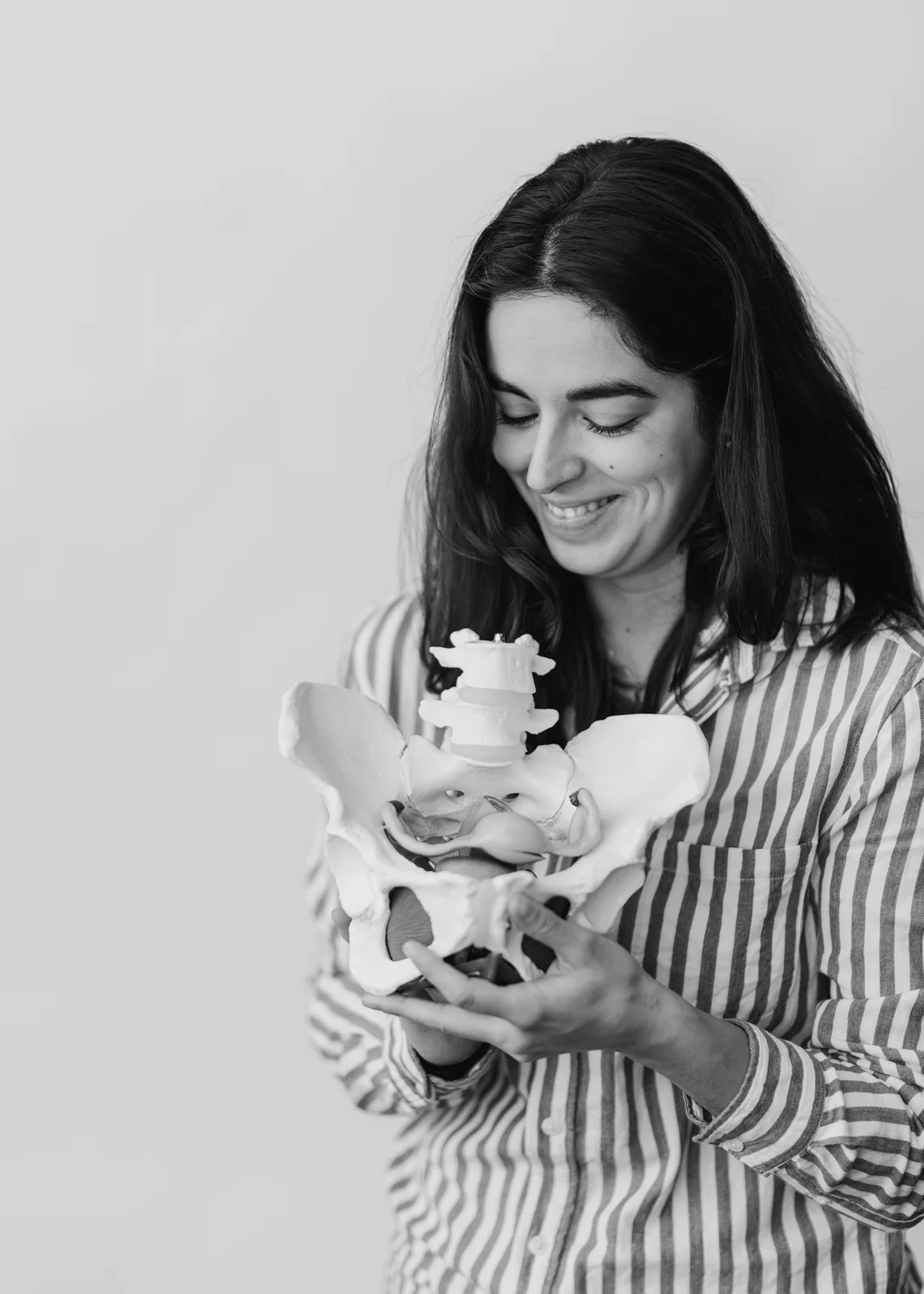
The coccyx is located just below the sacrum, a bone formed by 3 to 5 fused vertebrae. The pelvic floor muscles attach to this bone, which explains the connection between the two. Sitting, especially while leaning back, increases the pressure on the coccyx, which can worsen the pain.
Women experience coccydynia about five times more often than men. Their pelvis has a different shape, and childbirth can injure the tailbone. The female tailbone also moves more and is positioned further backward, making it more vulnerable.
Coccydynia pain is different from other types of back pain. Sacroiliac pain is located higher up and to the side. Lower back problems are situated above the sacrum. This distinction helps in making the correct diagnosis.
What Causes Tailbone Pain?
Coccydynia often results from direct trauma, such as a fall onto the buttocks or an injury during childbirth. Other causes include prolonged sitting on hard surfaces and repetitive sports like cycling or rowing.
| Type of Cause | Examples | Mechanism |
|---|---|---|
| Traumatic | Fall onto buttocks, childbirth | Direct force on the tailbone |
| Repetitive | Cycling, Rowing, Horseback Riding | Repeated stress |
| Postural | Prolonged sitting | Continuous pressure |
| Muscle | Pelvic floor tension | Trigger Points |
| Idiopathic | Unknown cause | Idiopathic: No cause for the pain has been identified despite evaluation. This is a diagnosis of exclusion. |
Pelvic floor problems are an often overlooked cause. The levator ani muscles attach to the tailbone. When these muscles are too tense or have trigger points, they create pain that is felt in the tailbone. This explains why some cases improve with pelvic floor physiotherapy, even without an obvious injury.
Excess weight makes the tailbone more vulnerable, because pressure in the pelvis increases when sitting.
Unlike lower back sprains which affect the ligaments of the lower back, coccydynia directly affects the tailbone.
What Are the Symptoms of Coccydynia?
The main symptom is pain located at the tip of the tailbone. It gets worse when you sit down, stand up from a chair, or during bowel movements. You can pinpoint the pain with a single finger.
People often describe this pain as "sitting on a knife." The pain can be sharp when you change positions, or a deep ache when you sit for a long time.
Common Symptoms- Pain directly at the tip of the tailbone
- Pain worsens on hard surfaces
- Sharp pain when standing up from a chair
- Pain During Bowel Movements
- Sometimes pain during sexual intercourse
- Leaning backward worsens the pain
- Leaning forward helps
The pain may spread to the buttocks or the back of the thighs. However, it does not follow nerve pathways like sciatica. There is no numbness or weakness.
Long-lasting coccydynia can lead to other issues. You may worry about sitting, avoid certain activities, and have trouble concentrating at work. If you recognize these symptoms, know that this is a common condition that responds well to treatment.
10 Quick Tips for Understanding Your Pain
The ones that have made the biggest difference in my patients' lives. 1 a day, 2 minutes.
How Is Coccydynia Diagnosed?
Diagnosis is mainly based on a clinical examination. The tailbone is felt to reproduce the pain and assess its mobility. Imaging is rarely needed unless there are warning signs.
The physical exam focuses on palpating the tailbone directly. Pressing on the skin between your buttocks causes tenderness at the tip of the tailbone. The examiner also checks how the tailbone moves to see if there is too much or too little mobility.
Checking the tone of the pelvic floor muscles helps identify muscular problems. Trigger points in the levator muscles can refer pain to the coccyx. This evaluation helps rule out other conditions, such aslumbar osteoarthritis.
When is imaging necessary?
Imaging becomes necessary in certain cases:
- Severe, constant pain that doesn't change with position
- Fever or unexplained weight loss
- History of Cancer
- Severe trauma with suspected fracture
Rest assured: these situations are rare. For typical cases, a diagnosis based on pain and tenderness to the touch is sufficient, and treatment can begin without imaging.
How Does Physiotherapy Treat Coccydynia?
Physical therapy—the first treatment to try—combines manual therapy for the tailbone, pelvic floor exercises, posture training, and pain management strategies. It works in most cases.
| Technique | What we do | Goal |
|---|---|---|
| Manual therapy | Tailbone mobilization | Restore normal movement |
| Pelvic floor | Releasing tension | Reducing trigger points |
| Posture education | Adjustments to sitting posture | Reducing pressure |
| Exercises | Core and hip strengthening | Supporting healing |
Manual techniques address coccyx movement issues. Gentle pushes and movements are used, either externally or internally. Pelvic floor therapy treats muscle problems when tension in the levator muscles causes symptoms.
For cases requiring specialized attention, our perineal physiotherapy program offers tailored treatments. To better understand our comprehensive approach, discover everything you need to know about physiotherapy.
What Sitting Position Modifications Help Coccydynia?
Use a tailbone cushion with a cutout. Lean slightly forward when sitting. Take breaks every 20–30 minutes. A wedge-shaped cushion can help relieve pressure on the tailbone while sitting.
1. Use a tailbone cushion- Choose cushions with a cutout that relieves pressure
- U-shaped or wedge-shaped cushions work best
- Keep cushions at work, in the car, and at home
- Be careful with donut-shaped cushions that have a hole in the center: they can actually increase pressure on the tailbone.
- Lean slightly forward
- Do not lean backward
- Keep Your Feet Flat on the Floor
- Good sitting posture helps shift your weight away from the tailbone and onto the sit bones (the bones in the buttocks) and thighs.
- Stand up every 20 to 30 minutes
- Move and change positions
- Use a standing desk if possible
- Adjust chair height
- Avoid Soft Chairs That Cause You to Tilt Backwards
- Use lumbar support
Need professional advice?
Our physical therapists can assess your condition and provide you with a personalized treatment plan.
Make an appointmentWhat Is the Recovery Time for Coccydynia?
Most cases of coccygodynia improve within a few weeks to a few months. For some people, the pain can become chronic and affect their quality of life. For recent-onset coccygodynia, rest and adjustments to sitting posture are recommended first, along with stool softeners and anti-inflammatory medications as needed. For some people, the pain is more difficult to treat due to the complex nature of coccyx pain. Nociception is the body’s alarm system that detects danger in the tissues. Pain can persist due to altered nociception, even when there is no longer any tissue damage.
Several factors affect the speed of healing. Continuing painful activities slows down recovery. Anxiety and catastrophic thinking also play a role. Pelvic floor issues and obesity make recovery more challenging.
When pain persists, a key part of treatment is acknowledging that the person’s pain is real, and then tailoring care to each individual. Low morale can amplify the pain a person feels, particularly through negative thoughts.
Rest assured: about 90% of cases improve with conservative treatment. Expect your symptoms to fluctuate during recovery, with a gradual overall improvement.
Which activities should be modified with coccydynia?
Temporarily avoid prolonged sitting, cycling, and rowing. Modify floor exercises with padding. Gradually resume activities as symptoms improve.
| Activity | Acute Phase | Gradual Return |
|---|---|---|
| Cycling | Full stop | Wide, padded saddle |
| Rowing | Full stop | Adjusted technique |
| Floor Exercises | Extra padding | Alternative positions |
| Sitting Position | Maximum 20-30 minutes | Increase gradually |
Cycling puts constant pressure on the tailbone with repetitive movements. Rowing creates similar stress due to the sustained sitting position.
Swimming is an excellent alternative exercise. It keeps you fit without putting strain on the tailbone. You can return to activities when doing them doesn't worsen your pain beyond your baseline level.
When Are Injections or Surgery Considered?
The good news: more than 90% of cases resolve without surgery. Cortisone injections are considered when initial conservative treatment has not provided sufficient pain relief and symptoms persist. Surgery is rare and reserved for severe chronic cases.
Options when conservative treatment is not enough:Corticosteroid injections deliver the anti-inflammatory medication directly to the painful area. They can provide relief for several months. If the injection makes the pain go away, it confirms that the tailbone is the actual source of the pain.
Surgery (coccygectomy) involves removing part or all of the coccyx. Surgery is considered only when pain persists despite proper conservative treatment. Success rates range from 60 to 90 percent, with the best results seen in patients with a clear traumatic cause.
Other treatments for persistent coccydynia include radiofrequency ablation and prolotherapy. Research supporting these treatments is still limited.
How to prevent coccydynia?
Prevention includes using protective equipment in sports, maintaining good sitting posture, taking regular breaks, and strengthening core and pelvic floor muscles.
For Athletes- Wear Padded Shorts for Sports with a Risk of Falling
- Learn to fall to the side instead of directly on your buttocks
- Choose the right bicycle seat and adjust your position
- Use Well-Padded Chairs
- Take movement breaks every 30 to 60 minutes
- Maintain Good Sitting Posture
- Strengthen core and pelvic floor muscles
- Maintain a healthy weight
- Avoid sitting for long periods on hard surfaces without padding
Pregnant women have a higher risk. Our pregnancy and postpartum program includes pelvic floor physiotherapy, which can reduce the risk of tailbone injury.
Ready to find relief for your tailbone pain?
Our physiotherapists at Physioactif offer specialized treatment for coccydynia. We combine manual therapy, pelvic floor rehabilitation, and personalized pain management strategies.
Coccydynia can significantly limit your work and leisure activities. However, effective treatments are available. Physiotherapy addresses tailbone problems and their underlying causes. Whether you suffer from coccydynia or other back pain, we are here to help you.
Early treatment significantly improves outcomes and prevents chronic pain. If you have tailbone pain that interferes with sitting or working, contact Physioactif today to schedule an assessment.
References
- Anatomy of the coccyx and muscular attachments. Standard anatomical sources.
- Maigne JY, et al. Causes and mechanisms of common coccydynia. Spine. 2000;25(23):3072-3079.
- Tailbone biomechanics when sitting. Ergonomics research.
- Prevalence of idiopathic causes. Epidemiological studies.
- Childbirth-related tailbone injuries. Obstetric literature.
- Occupational and sports-related risk factors. Ergonomics research.
- Connection between pelvic floor and coccydynia. Physiotherapy reviews.
- Characteristics of coccydynia symptoms. Clinical manuals.
- Effects of posture on tailbone pressure. Pain science literature.
- Diagnostic examination techniques. OPPQ practice guidelines.
- Dynamic X-rays and clinical correlation. Radiology reviews.
- Effectiveness of physiotherapy. Systematic reviews and meta-analyses.
- Manual therapy techniques. Physiotherapy practice guidelines.
- Activity modifications and ergonomics. Rehabilitation literature.
- Effectiveness of tailbone cushions. Clinical trials.
- Recovery times and prognosis. Longitudinal studies.
- Factors affecting recovery. Outcome research.
- Sport-specific modifications. Sports medicine literature.
- Effectiveness of injection therapy. Pain management reviews.
- Alternative interventions. Intervention studies.
- Surgical indications and outcomes. Surgical literature.
- Prevention strategies. Preventive medicine research.

.jpg)
.jpg)
Other conditions

Hip osteoarthritis is the normal wear and tear of the hip joint. It is often said that osteoarthritis is the wear and tear of the cartilage between our bones. That is true, but it involves more than just the cartilage. Cartilage is a tissue that acts as a cushion between the surfaces of our bones and allows our joints to glide smoothly and move fluidly.
This is normal wear and tear of the knee joint. It’s often said that osteoarthritis is the wearing down of the cartilage between our bones. That’s true, but it’s more than just the cartilage. Cartilage is a tissue that acts as a cushion between the surfaces of our bones and allows our joints to glide smoothly and move fluidly.
It is an inflammation of the subacromial bursa in the shoulder joint.
A bursa is a small, thin sac filled with fluid that is found in many of the body's joints. This small sac acts as a cushion within the joint and lubricates the structures that are subject to increased friction.
It is a tissue that surrounds the shoulder and helps keep the shoulder bone in place within the joint. The capsule helps keep the joint stable.
Neck pain is a general term used to describe pain in the neck that has no specific cause, such as an accident or a sudden awkward movement. Neck pain is therefore synonymous with “my neck hurts, and nothing in particular happened.”
In both types of injury, pain is felt in the neck and then radiates into the arm, or vice versa.
Make an appointment now
We offer a three-pronged quality assurance approach: optimized treatment time, a second opinion from a physical therapist, and ongoing expertise to ensure effective care tailored to your needs.
Customer satisfaction is our top priority
At Physioactif, excellence guides everything we do, but our patients are the best ones to tell you about it. Take a look at their verified reviews to get a real sense of their experience.







Discover our physical therapy clinics
We have locations in several areas to better serve you.
Blainville
190 Bas-de-Sainte-Thérèse Road, Suite 110,
Blainville, Quebec
J7B 1A7
Located in Blainville, near Rosemère, the Physioactif clinic is easily accessible to residents of the area and the surrounding communities
Boucherville
690 Rue de Montbrun, Suite S,
Boucherville, Quebec
J4B 8H2
Located in Boucherville, the Physioactif clinic is easily accessible to people in the area
Laval
3224 Jean-Béraud Ave., Suite 220, Laval,
QC H7T 2S4
Located in Chomedey, in the heart of Laval, the Physioactif clinic is easily accessible to people in the area
Montreal
8801 Lajeunesse Street,
Montreal,
QC H2M 1R8
Located in Ahuntsic, near Villeray, the Physioactif clinic is easily accessible to residents of both neighborhoods
Saint-Eustache
180 25th Avenue, Suite
201 Saint-Eustache
QC J7P 2V2
Located in Saint-Eustache, the Physioactif clinic is easily accessible to residents of the area and the surrounding communities
Vaudreuil
21 Cité-des-Jeunes Boulevard, Suite 240,
Vaudreuil-Dorion, Quebec
J7V 0N3
Located in Vaudreuil-Dorion, the Physioactif clinic is easily accessible to people in the area
Make an appointment now