Elbow sprain
A sprain is a stretch or tear of one or more ligaments in the elbow. When a ligament is stretched or torn, it can cause bleeding in the joint, which can lead to swelling and bruising.
.png)
.png)
.png)




Synonym for sprain:
- Strain
What is an elbow sprain?
An elbow sprain is a strain or tear of one or more ligaments in the elbow—the tissues that connect its bones. This injury can cause pain, swelling, and bruising—a blue discoloration under the skin. Bleeding around the injury may contribute to this bruising.
What is a ligament?
A ligament connects bones and helps stabilize a joint—the point where they meet. In the elbow, ligaments help keep the bones of the upper arm and forearm aligned during movement.
What causes an elbow sprain?
A fall, a direct blow, or a twist can stretch or tear the ligaments in the elbow. Overuse during repetitive movements can also injure them, particularly during sports. MedlinePlus’s advice on elbow sprains describes these various mechanisms.
10 Quick Tips to Understand Your Pain
One tip a day for 10 days to help you better understand your pain. About a 2-minute read.
Common causes of elbow sprains include:
- Fall onto the elbow or hand
- A quick, sudden twist of the elbow—for example, if the arm gets stuck while the body moves forward
- A direct blow to the elbow or repetitive strain during sports
Pain that develops gradually can originate from several structures, such as a tendon—the tissue that transmits force from a muscle to a bone. Pain alone does not rule out a ligament injury. The evaluation is used to distinguish between possible causes.
What are the symptoms of an elbow sprain?
Symptoms of an elbow sprain include pain, difficulty moving the elbow, and sometimes swelling or bruising. The arm may feel weak or unstable. After a fall or accident, these symptoms may also indicate a fracture, a broken bone, or a dislocation, or a joint that has popped out of place.
The main symptoms are:
- Elbow pain that developed after a fall or an accident
- Weakness and pain in the arm when lifting loads and clenching the fist
- Pain, stiffness, and difficulty bending and straightening the elbow.
- Swelling or bruising, sometimes absent
How is an elbow sprain diagnosed?
The diagnosis of an elbow sprain is based on questions about the injury and symptoms, followed by an examination of the elbow’s range of motion and stability. The healthcare professional also checks for sensation and circulation in the hand. An X-ray may be necessary to rule out a fracture.
The following situations require a medical evaluation or reevaluation:
- If you are unable to fully straighten your elbow after an injury, have it evaluated promptly to determine whether an X-ray is needed.
- If you have a visible deformity of the elbow, or if your hand becomes cold, pale, purple, numb, or difficult to move, go to the emergency room.
- If your symptoms persist after 7 to 10 days, even though an initial evaluation had led to the X-ray being postponed, please return for another evaluation.
In a study conducted following an elbow injury, nearly half of the people who were unable to fully straighten their elbow had a fracture. Being able to straighten the elbow reduced this risk, though it did not eliminate it. The 7- to 10-day period was used to follow up with patients whose X-rays had been postponed after the initial evaluation.1 Deformities or changes in the hand require immediate medical attention, as explained in the guidelines from the American Academy of Orthopaedic Surgeons. Do not attempt to realign the elbow yourself.
In Quebec, a physical therapist who holds the required certification may order an X-ray for an injury to muscles, bones, or joints that occurred less than 72 hours ago. The physical therapist must be the first professional to evaluate you for this injury, before you see a doctor. The regulations of the Ordre professionnel de la physiothérapie du Québec govern this referral. This option should not delay a visit to the emergency room if you have the symptoms described above.
An elbow dislocation requires prompt reduction by a medical team. This procedure, called reduction, is usually performed in the emergency room using pain medication and relaxants. Surgery may be necessary if the elbow remains unstable or if fractures, nerves, or blood vessels are involved. The type of treatment depends on the injury. In a trial involving 30 people aged 16 or older, following a dislocation without an associated fracture, surgical ligament repair did not yield better results than non-surgical care.2 This finding does not rule out the use of surgery for more complex injuries.
When should I see a physiotherapist for an elbow sprain?
You can see a physical therapist for elbow pain, stiffness, or weakness that limits the use of your arm after a sprain. After an accident, a deformity, a cold or numb hand, or difficulty moving your hand, you should seek urgent medical care first.
You can seek treatment for persistent pain, stiffness, weakness, or a feeling of instability. The physical therapist will review any previous tests and medical instructions, and then refer you to a doctor if the injury warrants it.
If the pain or swelling worsens, if the elbow seems to be out of place, or if treatment is not helping, have the injury re-evaluated. A new evaluation may lead to changes in precautions or treatment.
You can see a physical therapist directly at a private clinic without a doctor’s referral. However, urgent symptoms require the medical referral described above.
What physiotherapy treatments are available for an elbow sprain?
Physical therapy for an elbow sprain involves the use of appropriate bracing, a gradual return to movement, and strength-building exercises. The treatment plan depends on the stability of the elbow, any associated injuries, and medical recommendations.
Recovery requires protecting the injured ligament while avoiding unnecessary immobilization. The physical therapist adjusts the movements and exercises based on how your symptoms progress.
Studies on simple elbow dislocations without significant fractures support early resumption of movement when the elbow is sufficiently stable. In a trial involving 100 adults, this approach resulted in fewer difficulties with daily activities and better ability to bend and straighten the elbow at six weeks compared to wearing a cast for three weeks. The return to work was also faster—about 10 days versus 18. At one year, the results were similar.3 Your healthcare provider will tailor these guidelines to your specific sprain; not all elbow injuries require the same level of protection.
Inflammation is the body's response to an injury. It plays a role in the repair process, but its role depends on the type of tissue and the stage of recovery.
A review article on muscles describes how immune cells first contribute to inflammation, and then to its resolution and repair.4 For your elbow, treatment decisions also depend on the severity of the sprain and the tissues involved. Do not change a prescribed medication without consulting your doctor or pharmacist.
The physical therapist will identify what makes your activities difficult and work with you to adjust the program. The following elements may require adjustments:
- Exercises or activities that are too strenuous for your elbow right now
- Actions That Make the Pain Worse
- Stiffness or difficulty moving the arm
- Concerns or fear about resuming certain activities
Your physical therapist will help you choose movements and exercises that are appropriate for the condition of your elbow. He or she will monitor your progress and adjust the program if your symptoms or abilities change.
Comparing this to a plant illustrates how to protect an injury: pulling on a plant is no substitute for the care it needs. You can make sure it gets enough water and light. Similarly, protecting your elbow and resuming activities at a manageable pace helps facilitate recovery. This analogy does not predict how long it will take for you to heal.
What does a physical therapist check?
- The elbow's ability to bend, straighten, and rotate the forearm
- Sensitivity in the hand and symptoms that may be caused by a nerve
- Movements that interfere with your activities
- Arm strength and elbow stability
How does the treatment fit your elbow?
- The physical therapist may gently move your elbow with their hands, if this treatment is appropriate for the injury.
- The physical therapist will recommend specific exercises to help you regain movement, strength, and control of your arm.
- The physical therapist works with you to determine the duration and intensity of your daily activities and leisure pursuits.
- The physical therapist will recommend positions and movements that make it easier for you to perform your daily activities.
Strength training progresses based on pain levels, range of motion, and elbow stability. It can target the elbow, wrist, and shoulder, as well as endurance—the ability to repeat an effort. A report describes an athlete who returned to competition six weeks after an elbow dislocation and followed a five-phase recovery program.5 This result from a single individual is not a guaranteed timeline for your injury.
A severe sprain or dislocation may require a splint, a device that restricts elbow movement. Your doctor and physical therapist will specify how long to use it and what movements are permitted. Do not remove a prescribed splint to resume exercises without their instructions.
Prolonged immobilization can lead to stiffness. In a study of 50 adults with elbow dislocations without associated fractures, early movement after reduction resulted in better recovery and less stiffness than a three-week cast.6 These results support movement whenever possible, without specifying a fixed duration of splinting for each sprain.
What can I do at home for an elbow sprain?
Home care includes protecting the elbow, adjusting your activities, and gradually resuming permitted movements. The PEACE and LOVE principles provide guidelines for soft tissue injuries, which should be adapted to your specific situation.
PEACE and LOVE is a mnemonic device developed by two physical therapists to guide post-injury care. Our article on PEACE and LOVE explains its steps. The tips below focus primarily on protection, compression, returning to activities, and heart-pumping exercise.
Which PEACE and LOVE tips apply to a sprained elbow?
PEACE and LOVE guidelines for elbow injuries include temporary arm support, appropriate compression, and a gradual return to activities. General physical activity that does not cause pain can complement this return to activity. A fracture, dislocation, or surgery may alter these guidelines.
Your healthcare professional will show you how to apply these tips based on the stability of your elbow and your symptoms.
P for protection: support the arm as needed
A triangular bandage can support your arm at first if it provides relief. How long you should wear it depends on the injury and the instructions you’ve been given; some injuries require protection for longer than just the first few days. Continue to move your arm within the permitted range of motion to prevent stiffness.
C for compression: adjust the bandage
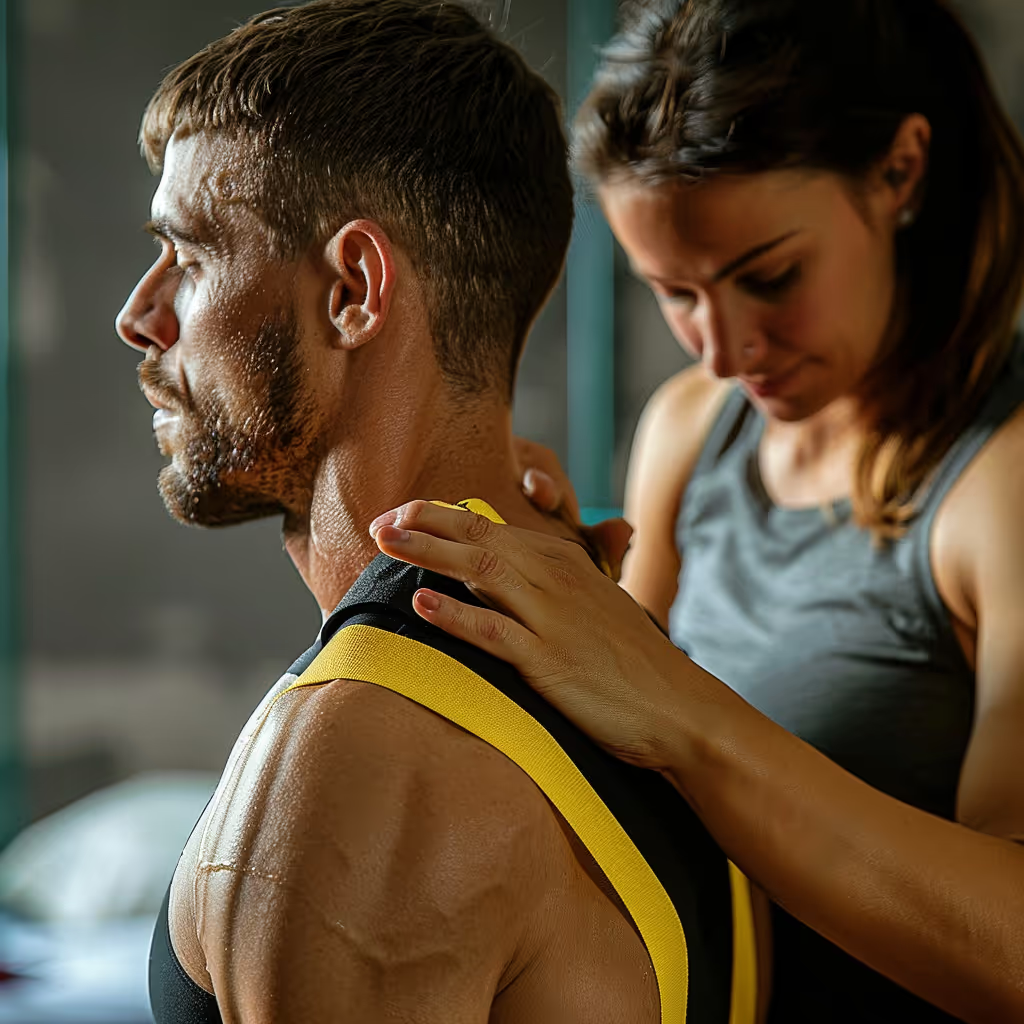
An elastic bandage or taping—adhesive strips applied to the skin—can provide support, depending on the advice you receive. Ask someone to show you how to apply it. A bandage should not be so tight that it makes your hand feel cold, numb, or more painful. If these symptoms occur, loosen the bandage and have your hand examined promptly.
L for Resuming Activities: Use Your Arm Gradually
Resume the range of motion allowed in your elbow and perform light tasks, without causing a significant increase in pain. For example, you can handle light objects or do a little dishwashing if your elbow can tolerate it. Reduce the effort if the pain or swelling increases, and seek advice if this reaction persists.
V for Vascularization: Maintain a Tolerable Level of Overall Activity
In this guide, “vascularization” refers to the blood supply to tissues. In the PEACE and LOVE program, the authors propose an activity that works the heart without causing pain at the injury site. Their recommendation supports the resumption of movement. Walking or cycling can help maintain your activity level during recovery, but this does not necessarily mean the elbow ligament will heal any faster. A review reports benefits from programs combining endurance, strength, and flexibility for persistent back pain. These results pertain to pain and difficulties with daily activities, without measuring the healing time of an elbow ligament.7 Choose an activity that is compatible with the movements permitted for your elbow:
- Walking
- Use a stationary bike with your arm well supported
- Running in water, also known as aquajogging, is permitted only if you enter the water and move around in accordance with the safety guidelines you have been given
- Use an elliptical machine without using your arms
What positions can make resting more comfortable?
- If you experience pain at night or stiffness when you wake up, try propping your elbow up slightly with a pillow, in whatever position is most comfortable for you.
- Avoid positions that increase your pain, such as placing your arm behind your head or under your pillow. Try to keep your arm at your side or propped up on a pillow.
- Support your arm with a pillow, an armrest, or by putting your hand in your pants pocket, as long as this position allows for the permitted range of motion. Supporting your arm this way keeps your elbow at rest and can make your day more comfortable, if it helps relieve your discomfort.
Need professional advice?
Our physical therapists can assess your condition and provide you with a personalized treatment plan.
Make an appointmentWhat studies does this article draw on?
This article is based on studies of elbow injuries—particularly dislocations—and on the editorial proposing PEACE and LOVE. The studies specifically compare early movement in a cast; their results do not automatically apply to every sprain.
Links open in a new tab.
- Appelboam A, Reuben AD, Benger JR, Beech F, Dutson J, Haig S, et al. Elbow extension test to rule out elbow fracture: a multicenter, prospective validation and observational study of diagnostic accuracy in adults and children. BMJ. 2008;337:a2428. (Back to section: 1)
- Josefsson PO, Gentz CF, Johnell O, Wendeberg B. Surgical versus non-surgical treatment of ligament injuries following dislocation of the elbow joint. A prospective randomized study. J Bone Joint Surg Am. 1987;69(4):605-8. (Back to section: 1)
- Iordens GI, Van Lieshout EM, Schep NW, De Haan J, Tuinebreijer WE, Eygendaal D, et al. Early mobilization versus plaster immobilization of simple elbow dislocations: results of the FuncSiE multicenter randomized clinical trial. Br J Sports Med. 2017;51(6):531-538. (Back to section: 1)
- Chazaud B. Inflammation and Skeletal Muscle Regeneration: Leave It to the Macrophages! Trends Immunol. 2020;41(6):481-492. (Back to section: 1)
- Blackard D, Sampson JA. Management of an uncomplicated posterior elbow dislocation. J Athl Train. 1997;32(1):63-7. (Back to section: 1)
- Rafai M, Largab A, Cohen D, Trafeh M. [Pure posterior elbow dislocation in adults: immobilization or early mobilization. A randomized prospective study of 50 cases]. Chir Main. 1999;18(4):272-8. (Back to section: 1)
- Gordon R, Bloxham S. A Systematic Review of the Effects of Exercise and Physical Activity on Nonspecific Chronic Low Back Pain. Healthcare (Basel). 2016;4(2). (Back to section: 1)
- Dubois B, Esculier JF. Soft-tissue injuries simply need PEACE and LOVE. Br J Sports Med. 2020;54(2):72-73.
Videos in this category
.jpg)
.jpg)
Other conditions

Hip osteoarthritis is the normal wear and tear of the hip joint. It is often said that osteoarthritis is the wear and tear of the cartilage between our bones. That is true, but it involves more than just the cartilage. Cartilage is a tissue that acts as a cushion between the surfaces of our bones and allows our joints to glide smoothly and move fluidly.
This is normal wear and tear of the knee joint. It’s often said that osteoarthritis is the wearing down of the cartilage between our bones. That’s true, but it’s more than just the cartilage. Cartilage is a tissue that acts as a cushion between the surfaces of our bones and allows our joints to glide smoothly and move fluidly.
It is an inflammation of the subacromial bursa in the shoulder joint.
A bursa is a small, thin sac filled with fluid that is found in many of the body's joints. This small sac acts as a cushion within the joint and lubricates the structures that are subject to increased friction.
It is a tissue that surrounds the shoulder and helps keep the shoulder bone in place within the joint. The capsule helps keep the joint stable.
Neck pain is a general term used to describe pain in the neck that has no specific cause, such as an accident or a sudden awkward movement. Neck pain is therefore synonymous with “my neck hurts, and nothing in particular happened.”
In both types of injury, pain is felt in the neck and then radiates into the arm, or vice versa.
Make an appointment now
We offer a three-pronged quality assurance approach: optimized treatment time, a second opinion from a physical therapist, and ongoing expertise to ensure effective care tailored to your needs.

Customer satisfaction is our top priority
At Physioactif, excellence guides everything we do, but our patients are the best ones to tell you about it. Take a look at their verified reviews to get a real sense of their experience.








Discover our physical therapy clinics
We have locations in several areas to better serve you.
Blainville
190 Bas-de-Sainte-Thérèse Road, Suite 110,
Blainville, Quebec
J7B 1A7
Located in Blainville, near Rosemère, the Physioactif clinic is easily accessible to residents of the area and the surrounding communities
Boucherville
690 Rue de Montbrun, Suite S,
Boucherville, Quebec
J4B 8H2
Located in Boucherville, the Physioactif clinic is easily accessible to people in the area
Laval
3224 Jean-Béraud Ave., Suite 220, Laval,
QC H7T 2S4
Located in Chomedey, in the heart of Laval, the Physioactif clinic is easily accessible to people in the area
Montreal
8801 Lajeunesse Street,
Montreal,
QC H2M 1R8
Located in Ahuntsic, near Villeray, the Physioactif clinic is easily accessible to residents of both neighborhoods
Saint-Eustache
180 25th Avenue, Suite
201 Saint-Eustache
QC J7P 2V2
Located in Saint-Eustache, the Physioactif clinic is easily accessible to residents of the area and the surrounding communities
Vaudreuil
21 Cité-des-Jeunes Boulevard, Suite 240,
Vaudreuil-Dorion, Quebec
J7V 0N3
Located in Vaudreuil-Dorion, the Physioactif clinic is easily accessible to people in the area
Make an appointment now