Physiotherapy for Acute Pain: Injury Treatment
.png)
.png)
.png)




Physical therapy helps manage recent pain and resume movement and activities. An evaluation helps determine the appropriate exercises, advice, and treatment based on the specific problem. A study examined the care provided to 32,070 people who sought treatment for back pain. Among those who received physical therapy, starting treatment within 14 days of the initial consultation was associated with less use of certain types of care and lower costs compared to starting treatment later. This study does not prove that seeking care early alone causes these differences1. A sprain, a back strain, a sports injury, and post-surgical pain each require a tailored treatment plan.
This guide explains how physical therapy works for acute conditions. You'll learn when to seek treatment, what techniques are used, and what to expect during your treatment. If you'd like to first understand what acute pain is and how it works, check out our comprehensive guide to acute pain.
10 Quick Tips to Understand Your Pain
One tip a day for 10 days to help you better understand your pain. About a 2-minute read.
What symptoms require medical attention before physical therapy?
A deformity following an injury or changes in urination accompanied by back pain require immediate medical attention—do not wait for physical therapy. After an injury, go to the emergency room if the limb is deformed, if you heard a cracking sound at the time of the injury, or if you experience numbness, tingling, bluish or grayish skin, or cold skin.
Seek medical attention promptly after an injury if the pain is very severe or getting worse, if there is significant swelling or bruising or if it is getting worse, if you cannot put weight on the limb or take a few steps, or if the limb is very stiff or difficult to move. A high fever, chills, or a sensation of being too hot or too cold also warrant medical attention. The NHS lists the signs to watch for after a sprain or strain.
If you have back pain, go to the emergency room if you experience pain, tingling, weakness, or numbness in both legs; loss of sensation around the genitals or anus; difficulty urinating or other urinary or bowel changes, such as new episodes of urine or stool leakage; or changes in sexual sensation or function. Chest pain or back pain following a serious accident also requires emergency care. Sudden, severe back pain that worsens rapidly, or is accompanied by a sensation of heat or cold, chills, or general malaise, requires immediate medical attention. The NHS identifies these warning signs related to back pain. Call 911 if you need immediate assistance or cannot move safely.
What is physical therapy for acute pain?
Physical therapy for acute pain combines an assessment, guidance, and tailored exercises to relieve recent pain and help you resume your activities. The physical therapist will evaluate what is limiting your movement, look for signs that require medical attention, and monitor your progress. The treatment plan takes into account your injury, any other health issues you may have, and any post-surgical instructions you’ve received.
You can seek treatment even before the pain has gone away. The choice of treatment also matters: in a study of 131 people with back pain, certain signs identified during the evaluation helped pinpoint those who benefited more from manual therapy combined with exercises. Manual therapy involves a brief movement applied by a professional to a joint—the point where two bones meet. This study compares treatments, not whether to seek treatment early or late2.
Optimal load refers to a level of exertion appropriate for your abilities and your injury. A physical therapist can adjust the duration, intensity, and type of movement. For acute back pain with no identified serious cause, staying active provides slight benefits in terms of pain relief and functional activities compared to bed rest3. However, a fracture, a serious injury, or surgery may require prescribed protection or immobilization.
Treatment also addresses issues that may prolong pain or limit a return to normal activities—such as fear of movement, sleep disturbances, or a lack of support. The physical therapist monitors these issues and adapts the treatment accordingly. However, early intervention does not guarantee that persistent pain will be prevented.
For an overview of physiotherapy and its fundamental principles, consult our complete guide to physiotherapy.
Why should you seek medical attention soon after an injury?
Seeking early care allows for an assessment of the injury, determination of permissible activities, and identification of medical care needs. A review of 14 studies—most of which focused on the back and two of which focused on the neck—links early physical therapy to reduced use of certain types of care, without compromising patient outcomes. The quality of the data remains limited4. The benefit depends on the specific condition and the chosen treatment.
Identify factors that may prolong pain
A recent pain can become persistent due to several factors. The injury, the nervous system’s reactions, stress, and life circumstances can all contribute to its progression. The nervous system transmits messages between the brain and the body. These factors interact; pain that persists does not have a single cause5.
The nervous system can become more responsive to signals indicating a threat to body tissues. Central sensitization refers to this increased sensitivity in the brain and spinal cord—the bundle of nerves located within the spine. It can contribute to certain types of pain, but it does not automatically occur after experiencing severe pain. Treatment helps patients resume their activities and manage the challenges they face, even if the pain persists.
Fear of movement, known as kinesiophobia, can lead some people to avoid certain activities for fear of further injury. This avoidance can perpetuate limitations6. The physical therapist explains which movements are safe and helps you gradually resume them. Prescribed temporary protection remains useful when an injury requires it; it should not be confused with an unjustified fear of all movement.
Protect the injury and resume movement
The PEACE and LOVE protocol is a guideline for treating certain muscle, tendon, or ligament injuries7. These English letters stand for protection at the outset, followed by a gradual return to activities. This framework does not replace the evaluation of a fracture or postoperative instructions.
PEACE (the first few days):
- P, Protection: Avoid actions that worsen symptoms and follow the restrictions you have been given.
- E, elevation: Elevating a swollen limb may help; however, the evidence supporting this measure alone remains limited.
- A, anti-inflammatory drugs: These medications reduce inflammation, a bodily reaction that can cause pain, redness, warmth, or swelling. The authors suggest avoiding them due to concerns about healing. This suggestion is not a blanket ban; the choice of medication should be discussed with a doctor or pharmacist.
- C, compression: A properly fitted bandage can support the limb and help reduce swelling without restricting blood flow.
- E, Education: Understanding care, permitted activities, and signs to watch for.
LOVE (after a few days):
- L, appropriate exertion: gradually resume the permitted workload and movements.
- Oh, optimism: setting realistic expectations and discussing fears. A positive attitude does not guarantee a cure.
- V. Endurance activity: Choose an activity such as walking or cycling, depending on your limitations and tolerance.
- E, exercise: work on mobility, strength, and proprioception—that is, the perception of the body’s position.
Cells respond to the forces generated by movement. They can convert these forces into signals that alter their activity: this process is called mechanotransduction8. This reaction contributes to tissue adaptation. The appropriate force and the timing of its application depend on the tissue and the injury; a biological mechanism does not prove that a given exercise accelerates all types of healing.
Understanding the Injury and Easing Concerns
Uncertainty can make dealing with an injury more difficult. An evaluation helps you understand the possible causes, the movements you can make, and the signs to watch for. The professional also explains what remains uncertain and when to reassess the situation.
Education can reduce anxiety related to recent back pain. A review of 14 trials involving 4,872 people with acute pain or pain lasting a few weeks found a small benefit in terms of anxiety, fears, and other measures of reassurance, compared with usual care or other information. Traeger’s review describes these findings. For pain that is already chronic, another review reports benefits regarding pain, functional limitations, and highly alarming thoughts related to pain9.
What acute conditions does physical therapy treat?
Physical therapy treats sprains, muscle strains, recent back or neck pain, and recovery from certain surgeries. It can also help with pain related to a bursa or a tendon. The choice of treatment depends on the diagnosis and severity; a serious injury may first require a medical evaluation.
Recent sprains and joint injuries
A sprain involves a ligament—a band of tissue that connects two bones and helps stabilize their joint. Ankle sprains are common: one study estimates that approximately 3.1 million cases were treated in emergency departments in the United States between 2002 and 200610. The knee, wrist, and shoulder can also be sprained.
Pain from an ankle sprain may subside before balance and control of movement are restored. A review of 14 trials found fewer new sprains at 12 months with exercise-based rehabilitation than with usual care. Rehabilitation refers to care that helps restore abilities and activities11. The program is tailored to the specific injury and the individual’s current challenges.
Treatment during the acute phase aims to:
- Control pain and swelling
- Maintain joint mobility
- Prevent muscle strength loss
- Protect the ligament during its healing
To learn more about sprains and ligament injuries, consult our guide on ligament pain and our guide on physiotherapy for ligament pain.
Recent Muscle Strains and Injuries
A muscle strain is a tear in muscle fibers. It can affect the hamstrings at the back of the thigh, the quadriceps at the front, the calves, or the back muscles.
After a muscle strain, the physical therapist determines the appropriate level of initial protection, range of motion, and strengthening exercises. A review on muscle repair highlights the importance of this progression, while noting that much of the current knowledge comes from animal studies12. Severe pain, significant loss of strength, or a serious injury requires an evaluation before putting strain on the muscle.
Progressive strengthening may include eccentric exercises: the muscle works as it lengthens. The physical therapist selects the movement and its difficulty based on the injury. In a study involving 75 elite soccer players with hamstring strains, a program focused on working the muscle while it was lengthening allowed for a return to full training and selection for a game after an average of 28 days, compared to 51 days with the conventional program. Askling’s study describes this result. These timeframes do not apply to all muscle tears.
To learn more, consult our guide on muscle pain and our guide on physiotherapy for muscle pain.
Platelet-rich plasma is a preparation derived from blood that contains higher levels of platelets—small blood cells that help form a clot to stop bleeding. In a trial involving athletes with an acute hamstring injury, these injections did not shorten the time to return to sports or reduce the incidence of new injuries compared with a placebo injection—which did not contain the study drug—used as a control13. This result applies specifically to this injury and this particular treatment.
Acute Episodes of Back Pain
A sudden back spasm, a stiff back, and lumbago all describe an acute episode of lower back pain—that is, recent pain in the lower back. The pain may limit walking, changes in position, or work.
Many cases of recent back pain improve over the course of several weeks. In a study of 103 people with localized pain that had lasted less than 72 hours, 90% had recovered after two weeks; this finding applies to this specific group14. Recommendations emphasize providing information, maintaining appropriate activities, and receiving care tailored to individual needs15.
A trial involving 220 adults with back pain lasting less than 16 days compared four physical therapy sessions to usual care, with no additional intervention during the first four weeks. All participants received information. The physical therapy group experienced slightly less difficulty with daily activities after three months. The difference remained below the threshold set by the researchers for a clinically significant improvement. There were no clear differences between the groups in terms of pain or healthcare utilization; the benefit regarding daily activities was no longer evident after one year16.
Acute Episodes of Neck Pain
A stiff neck, or acute neck pain—that is, recent neck pain—can occur after a movement or prolonged posture, sometimes without any specific cause. The pain may limit head movement.
Physical therapy may combine neck exercises and manual therapy to relieve pain and improve movement. A review found that certain manipulations produce better results than certain medications for recent neck pain. However, neck manipulations and mobilizations yield similar results in other comparisons. The number of trials and their quality limit the certainty of these conclusions17. The practitioner selects the technique after an evaluation and discusses its benefits and risks.
Bursitis and Tendinitis in the Inflammatory Phase
Bursitis is the inflammation of a bursa, a small sac of fluid that reduces friction between tissues. Tendinitis refers to inflammation of a tendon, the tissue that connects a muscle to a bone. However, tendon pain is not always caused by inflammation. These problems can affect the shoulder, elbow, hip, or knee.
Relative rest involves temporarily reducing movements that worsen symptoms, while continuing permitted activities. The physical therapist may adjust a movement, the load, or the duration of an activity. The plan adheres to necessary restrictions and takes into account factors that may contribute to the problem, without assuming that the cause is always known.
Post-Operative Pain
After surgery, physical therapy helps patients regain movement, strength, and independence in their daily lives. The start date, the amount of weight-bearing allowed, and the exercises prescribed depend on the type of surgery and the surgical team’s instructions.
In a study of 1,504 people who received a total knee replacement—an artificial joint that replaces damaged surfaces—all began physical therapy the day after surgery. Those who walked on that very day had an adjusted average hospital stay that was 0.44 days shorter than those who began walking two days later. They were also more likely to regain the ability to bend their knee at a right angle. There was no clear difference in readmissions to the hospital within 90 days18. This study observes an association; it does not prove that starting to walk earlier alone explains these results.
How does physical therapy treatment for acute pain work?
Physical therapy treatment progresses from protection and pain relief to movement, strength, and a return to activities. These stages overlap and are tailored to the injury, medical guidelines, and your response. They do not follow the same timeline for everyone.
Immediate Phase (0 to 72 hours)
In the first few days after an injury, the main goal is to control pain and protect the tissues without hindering the healing process.
What your physiotherapist does:
- Assess your injury and look for signs that indicate you need medical attention
- Teaches you appropriate protection techniques
- Shows you gentle movements to do within your pain limits
- Gives you advice on using ice, compression, and elevation
- Discusses appropriate medication use with your doctor
At this stage, protection may involve reducing exertion or providing support to the injured area. Permitted movements should remain gentle and within a comfortable range. Any prescribed immobilization must be followed. The level of exertion should be determined based on the tissue, the injury, and the activity to be resumed19.
Early Recovery Phase
Healing and inflammation can occur simultaneously. The progression of movements should be determined based on the patient’s tolerance, the severity of the injury, and any restrictions imposed, rather than on the assumption that healing begins only after a few days.
What your physiotherapist does:
- Gradually increases joint mobility
- Introduces light strengthening exercises
- Uses manual techniques to reduce stiffness and pain
- Encourage light, approved endurance activities, such as walking or using a stationary bike
- Continues education on the healing process
Gradual movement helps restore the abilities needed for daily activities. The POLICE framework combines protection, appropriate exercise, ice, compression, and elevation of the limb. It recommends tailoring the level of exercise while protecting vulnerable tissues; it emphasizes that a one-size-fits-all approach is not suitable for all injuries20. Tendons can adapt their structure to the demands placed on them. This adaptation depends on the amount of exertion and the recovery period between sessions21. An increase that is too great or too rapid may exceed the tissue’s current capacity.
Gradual Recovery Phase
Gradual recovery aims to increase strength, endurance, and the ability to perform your usual activities. The physical therapist selects exercises that prepare you for specific tasks, such as climbing stairs or carrying an object.
What your physiotherapist does:
- Increases the intensity of strengthening exercises
- Works on muscle endurance
- Improves proprioception (your body's sense of position)
- Introduces exercises specific to your activities
- Prepares for return to normal activities
Mild discomfort may sometimes be tolerated during an approved exercise, depending on the condition being treated. However, this should not be used as an excuse to ignore increasing pain or a medical restriction. A study of 40 young women with pain around the patella—the bone at the front of the knee—used a program combining pain management and exercise, with improvements observed in both exercise groups compared22. This study does not establish an acceptable pain threshold for all acute injuries. Report any worsening of symptoms to your physical therapist so the program can be adjusted.
Return to Activities Phase
A full return to activities depends on strength, mobility, balance, and tolerance for the required movements. The timeline takes into account the nature of the injury and medical recommendations. Mild pain is not sufficient to warrant participating in a demanding sport.
What your physiotherapist does:
- Assesses if you have recovered enough strength and mobility
- Guides you through a gradual progression back to your activities
- Identifies factors that may increase the risk of a new injury and adapts the program accordingly
- Provides you with a long-term maintenance program
The disappearance of pain alone is not enough to determine when to return to sports. The physical therapist also assesses the necessary physical abilities and plans for a gradual return to activity. Weakness or a lack of balance may still require exercises even after symptoms have improved.
What techniques are used to treat acute pain?
Physical therapy uses education, exercises, and certain manual therapies to manage acute pain and restore movement. Cold or heat can provide relief. Kinesiology taping can be helpful for certain injuries. The choice depends on the evaluation and your needs.
Therapeutic Education
Therapeutic education helps you understand your pain, the movements you can do, and your recovery plan23. It has also been studied for acute back pain. In a trial involving 202 people at risk for persistent pain, two additional hours of education improved participants’ sense of reassurance after one week, but did not reduce pain more effectively after three months than two hours of active listening added to standard care. Traeger’s trial details the results and their limitations.
Your physiotherapist explains:
- What the Evaluation Reveals About Your Injury
- How the healing process works
- What you can and cannot do
- How long recovery will likely take
- What changes in symptoms should be monitored, and what signs require prompt medical attention?
These explanations provide you with guidelines for participating in your treatment. You can ask questions, set goals, and determine when to adjust an activity or request a new evaluation.
Therapeutic Exercises
The exercises are designed to help you regain the movements and activities that are difficult for you. For chronic back pain, a review reports generally modest benefits of exercise on pain andfunctional limitations .²⁴, ²⁵ Results vary depending on the duration of the pain and the exercise program. The type, intensity, and progression of the exercises are tailored to your condition. The results described above for recent back pain and muscle injuries highlight the importance of choosing the right exercise program.
Mobility exercises: Gentle movements aimed at restoring range of motion. For example, bending and straightening a joint within its permissible range gradually prepares the body for everyday activities.
Strength-building exercises: These exercises gradually increase the workload on the muscles to help restore strength. Resistance can come from body weight, a resistance band, or a weight. Preventing a recurrence of the injury also depends on the specific issue and the other exercises in the program.
Stabilization exercises: These exercises help develop muscle control and coordination around the injured area. The choice of exercises depends on the difficulties identified during the evaluation.
Aerobic or endurance exercises— such as walking, biking, or swimming— can help maintain your ability to sustain physical exertion. Choose an activity that is permitted and that you can tolerate. A surgical wound or weight-bearing restrictions may limit some of your options.
Manual techniques
Manual techniques involve the practitioner using their hands to apply movements or pressure. They can help relieve pain or improve range of motion, depending on the condition. The practitioner combines them with other components of the treatment plan when it meets your needs.
Joint mobilization: The practitioner gently moves a joint. For a recent ankle sprain, the 2021 clinical guideline recommends mobilization within a pain-free range of motion, in combination with exercises, to facilitate movement and walking. The mechanisms by which manual therapy affects pain are still being studied26.
10 Quick Tips to Understand Your Pain
One tip a day for 10 days to help you better understand your pain. About a 2-minute read.
Massage: Pressure and movements applied with the hands can help relieve certain types of pain. In a trial involving 401 adults with chronic back pain, relaxation massage reduced limitations and discomfort caused by symptoms after ten weeks, more so than usual care. The participants knew whether they were receiving a massage, which limits the interpretation of the results. This finding does not establish the effect of massage following a recent injury. Cherkin’s trial clarifies these benefits. After a recent sprain or strain, avoid massaging the area during the first few days.
Nerve Sliding Exercises: Certain exercises involve moving a nerve relative to the surrounding tissues. They may be recommended for specific nerve irritation, such as carpal tunnel syndrome, in which a nerve is compressed at the wrist. The Berkshire Health Department describes these exercises. If symptoms worsen, stop the exercise and seek professional advice; these exercises are not automatically suitable for all types of acute pain.
If manual therapy relieves your symptoms, that relief can make it easier to move and exercise. The plan remains focused on the activities you need to resume and is reassessed based on your response.
Options to Complement Treatment
Cold, heat, and support can complement the exercises when they address a specific need. You don't have to use an option that bothers you or doesn't help you.
Ice can temporarily numb the area and provide relief. Its effect on recovery time remainsuncertain.²⁷, ²⁸ If you use it, wrap it in a cloth and avoid prolonged application or use on numb skin.
Heat can provide temporary relief or comfort. It does not repair injured tissue. Avoid using heat on a recently swollen injury during the first few days, and stop if it increases discomfort. Protect the skin and follow the advice you have been given.
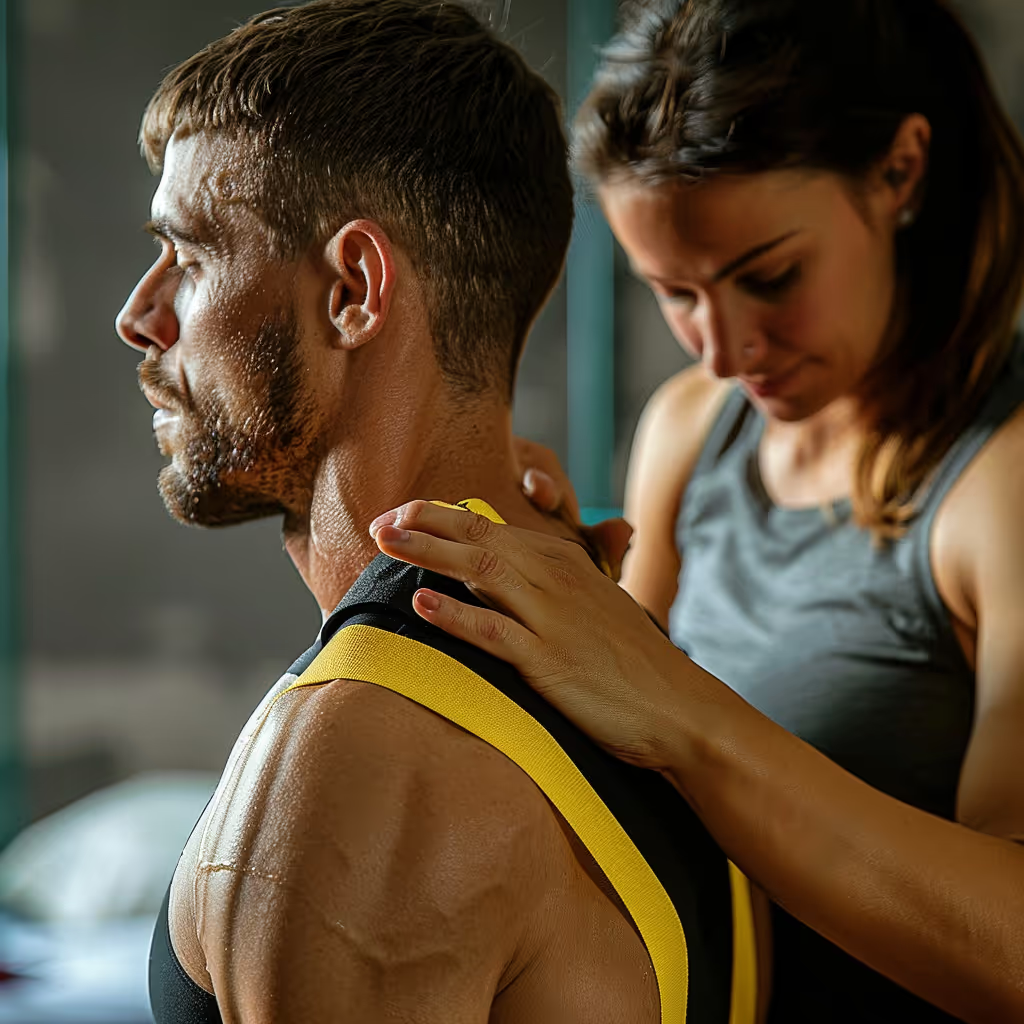
Taping: Adhesive tape—rigid or elastic, depending on the goal—can provide support. For a recent ankle sprain, the clinical guidelines recommend appropriate support, such as a splint or taping, along with a gradual return to weight-bearing and exercises. The type of support depends on the severity of the injury and the level of protection required.
How many sessions are needed to treat acute pain?
The number of sessions depends on the injury, its severity, and the activities you wish to resume. There is no one-size-fits-all number for all cases of acute pain. For example, the study on recent back pain described above involved four sessions over four weeks; this research program does not determine your individual needs.
Session frequency
The first few sessions are used to develop a treatment plan, assess your response to the exercises, and adjust the activities as needed. The physical therapist will recommend the frequency of follow-up visits based on your needs and discuss with you what you can do at home.
As you make progress: Appointments can be spaced out if you are able to continue the exercises and adjust your activities on your own. A new challenge may require more frequent follow-up.
As you resume your activities, we will gradually space out your appointments. We’ll adjust the frequency based on your progress and needs to help you safely return to your normal activities.
Total treatment duration
The duration of treatment depends on the recovery of function, not just on the disappearance of pain. Many people feel better about two weeks after a sprain or strain; however, a severe injury may take several months to heal. The NHS outlines these timeframes following a sprain or strain. After surgery, the surgical team’s guidelines determine the pace of recovery. These timeframes do not mean that a session is necessary every week until full recovery.
When to expect results
First sessions: You’ll receive instructions and a plan for the movements and activities. You may experience relief, but it’s not guaranteed after the first visit.
Early in your recovery: Pay attention to any pain, but also note the activities that have become easier, such as walking, getting dressed, or changing positions. If you experience rapidly worsening pain or any warning signs, seek the care described above without waiting for your next follow-up appointment.
Over the course of several weeks: The plan progresses based on the activities you resume and how you respond to the exercises. If your progress does not meet the agreed-upon expectations, the physical therapist will reassess the plan and determine whether a second opinion is needed.
Preventing new injuries and maintaining your functional abilities are part of the recovery process. Their role in the program depends on the challenges you still face and your goals.
What sets Physioactif apart when it comes to treating acute pain?
Physioactif offers an assessment, tailored exercises, and monitoring of your return to activity for acute pain. Our team strives to see you promptly, explain the treatment plan, and adjust it based on your progress. Preventing new injuries is one of our goals when it applies to your situation.
Prompt care
We understand that acute pain requires prompt attention. We do our best to schedule an appointment for you as soon as possible—ideally within the first few days after your injury.
A comprehensive assessment
The first session focuses on your symptoms, your movements, and the activities you find difficult. The physical therapist will look for possible causes and signs that warrant a medical evaluation. Some issues may require tests or an evaluation by another professional.
An active approach from the start
The first session can provide you with practical tools: tailored exercises, ways to manage symptoms, and advice on how to continue with permitted activities. Prescribed protective gear remains a priority when the injury requires it.
Follow-up tailored to your progress
We adjust your treatment as you heal. Each session is adapted to your stage of recovery and your response to treatment.
Emphasis on prevention
The follow-up also examines factors that may increase the risk of re-injury, such as a lack of strength, poor balance, or returning to activity too soon. The exercises and adjustments are tailored to the specific difficulties observed.
How to book an appointment for an assessment?
You can schedule an appointment online or call a Physioactif clinic for an evaluation. In Quebec, a doctor’s referral is not required to see a physical therapist directly. The Quebec Professional Order of Physical Therapy explains this process. However, the warning signs described above require immediate medical attention, even before this appointment.
Our team will help you find the physical therapist best suited to your condition.
If you have questions before booking an appointment, don't hesitate to contact us. We can help you determine if physiotherapy is appropriate for your situation.
To learn more about treatments and the care process, visit our page on physical therapy.
What are some frequently asked questions about physical therapy for acute pain?
Frequently asked questions cover when to seek medical attention, pain during treatment, tests, home care, work, medications, exercise, and insurance. They also address the duration of follow-up care and how this differs from chronic pain.
How long should I wait before seeing a physiotherapist?
You can request an evaluation within the first few days, without waiting for the pain to go away. For acute back pain, a trial involving 110 people in the emergency room compared two treatment approaches. The more comprehensive early intervention program resulted in an additional average reduction of 1.6 out of 10 on the pain scale upon leaving the emergency room and higher satisfaction. This benefit diminished over time29. The finding applies to all the care approaches studied, not to any single technique. A serious injury or warning sign requires appropriate medical care first.
Will physiotherapy make it hurt more at first?
Not necessarily. The goal is to relieve your pain, not to worsen it. However, some exercises or techniques might cause temporary discomfort. If a technique causes you too much pain, tell your physiotherapist. The treatment will be adjusted.
Do I need to have any imaging tests before my appointment?
An X-ray primarily shows bones. Magnetic resonance imaging (MRI) produces more detailed images of various tissues. These tests are not necessary before every visit. For back pain with no signs of a serious underlying cause, a review found that imaging performed right away does not yield better results than treatment without immediate imaging30. Changes also appear on images of people without pain; therefore, they must be interpreted in conjunction with the symptoms and physical examination31. Your physical therapist will advise you if an examination is warranted.
What should I do while waiting for my appointment?
Protect the affected area and avoid actions that worsen symptoms. For a swollen limb, elevation and appropriate compression can help. Continue with permitted movements; follow any prescribed immobilization. Cold therapy remains an option for relief. If you notice any warning signs, see your doctor immediately.
Can I continue to work while I have an acute injury?
It depends on the nature of your job and your injury. Many people can continue to work with temporary modifications. Your physiotherapist can advise you on possible adaptations and activities to temporarily avoid.
Will anti-inflammatories slow down my healing?
The effect of anti-inflammatory drugs on muscle repair depends on the context; data from human and animal studies do not support a blanket ban for all injuries32. For recent muscle or joint injuries—excluding back pain— a clinical guideline specifically recommends certain anti-inflammatory medications applied to the skin and allows for certain oral options for pain relief. Your doctor or pharmacist will determine the dose, duration, and risks based on your health. Do not adjust a prescribed medication based solely on the PEACE acronym.
When can I return to sports after an injury?
The answer depends on the injury, its severity, and the sport you play. The disappearance of pain does not mean you have fully recovered. Your physical therapist can guide you through a gradual and safe return to activity. In general, you should have regained your strength and range of motion before returning to sports.
Do my insurance plans cover physiotherapy?
Private insurance in Quebec may cover part of the cost of physical therapy. The amount and number of sessions covered vary depending on the plan. Check with your insurer for details about your coverage. We can provide you with the receipts you need for your claims.
If my pain quickly decreases, should I still continue physiotherapy?
Decreasing pain is encouraging. Talk to your physical therapist about the abilities you still need to regain and what you can continue doing at home. Following an ankle sprain, a trial involving 522 athletes compared standard care with and without eight weeks of at-home balance exercises. New sprains reported at one year occurred in 22% of the group that did exercises and 33% of the group that received standard care alone33. This benefit pertains specifically to this program following a sprain, not to the need to prolong physical therapy in general.
What is the difference between physical therapy for acute pain and physical therapy for chronic pain?
Physical therapy for acute pain tailors activities to a recent injury and any necessary protective measures. Chronic pain persists or recurs for more than three months34. In both cases, treatment takes into account the body, concerns, sleep, and life circumstances. When pain persists, the treatment plan may place greater emphasis on long-term challenges and resuming activities despite certain symptoms. See our guide on physical therapy for chronic pain.
Need professional advice?
Our physical therapists can assess your condition and provide you with a personalized treatment plan.
Make an appointmentReferences
Links open in a new tab.
- Fritz JM, Childs JD, Wainner RS, Flynn TW. Primary care referral of patients with low back pain to physical therapy: impact on future health care utilization and costs. Spine (Phila Pa 1976). 2012;37(25):2114-21. (Back to section: 1)
- Childs JD, Fritz JM, Flynn TW, Irrgang JJ, Johnson KK, Majkowski GR, et al. A clinical prediction rule to identify patients with low back pain most likely to benefit from spinal manipulation: a validation study. Ann Intern Med. 2004;141(12):920-928. (Back to section: 1)
- Dahm KT, Brurberg KG, Jamtvedt G, Hagen KB. Advice to rest in bed versus advice to stay active for acute low back pain and sciatica. Cochrane Database Syst Rev. 2010;2010(6):CD007612. (Back to section: 1)
- Ojha HA, Wyrsta NJ, Davenport TE, Egan WE, Gellhorn AC. Timing of Physical Therapy Initiation for Nonsurgical Management of Musculoskeletal Disorders and Effects on Patient Outcomes: A Systematic Review. J Orthop Sports Phys Ther. 2016;46(2):56-70. (Back to section: 1)
- Zhang S, Ning Y, Yang Y, Mu G, Yang Y, Ren C, et al. Decoding pain chronification: mechanisms of the acute-to-chronic transition. Front Mol Neurosci. 2025;18:1596367. (Back to section: 1)
- Vlaeyen JWS, Linton SJ. Fear-avoidance and its consequences in chronic musculoskeletal pain: a state-of-the-art review. Pain. 2000;85(3):317-332. (Back to section: 1)
- Dubois B, Esculier JF. Soft-tissue injuries simply need PEACE and LOVE. Br J Sports Med. 2020;54(2):72-73. (Back to section: 1)
- Khan KM, Scott A. Mechanotherapy: How Physical Therapists' Prescription of Exercise Promotes Tissue Repair. Br J Sports Med. 2009;43(4):247-52. (Back to section: 1)
- Louw A, Diener I, Butler DS, Puentedura EJ. The effect of neuroscience education on pain, disability, anxiety, and stress in chronic musculoskeletal pain. Arch Phys Med Rehabil. 2011;92(12):2041-56. (Back to section: 1)
- Waterman BR, Owens BD, Davey S, Zacchilli MA, Belmont PJ. The epidemiology of ankle sprains in the United States. J Bone Joint Surg Am. 2010;92(13):2279-84. (Back to section: 1)
- Wagemans J, Bleakley C, Taeymans J, Schurz AP, Kuppens K, Baur H, et al. Exercise-based rehabilitation reduces reinjury following acute lateral ankle sprain: A systematic review update with meta-analysis. PLoS One. 2022;17(2):e0262023. (Back to section: 1)
- Järvinen TA, Järvinen TL, Kääriäinen M, Kalimo H, Järvinen M. Muscle injuries: biology and treatment. Am J Sports Med. 2005;33(5):745-64. (Back to section: 1)
- Reurink G, Goudswaard GJ, Moen MH, Weir A, Verhaar JA, Bierma-Zeinstra SM, et al. Platelet-rich plasma injections for acute muscle injury. N Engl J Med. 2014;370(26):2546-7. (Back to section: 1)
- Coste J, Delecoeuillerie G, Cohen de Lara A, Le Parc JM, Paolaggi JB. Clinical course and prognostic factors in acute low back pain: an inception cohort study in primary care practice. BMJ. 1994;308(6928):577-80. (Back to section: 1)
- Foster NE, Anema JR, Cherkin D, Chou R, Cohen SP, Gross DP, et al. Prevention and treatment of low back pain: evidence, challenges, and promising directions. Lancet. 2018;391(10137):2368-2383. (Back to section: 1)
- Fritz JM, Magel JS, McFadden M, Asche C, Thackeray A, Meier W, et al. Early Physical Therapy vs. Usual Care in Patients With Recent-Onset Low Back Pain: A Randomized Clinical Trial. JAMA. 2015;314(14):1459-67. (Back to section: 1)
- Gross A, Langevin P, Burnie SJ, Bédard-Brochu MS, Empey B, Dugas E, et al. Manipulation and mobilization for neck pain compared with an inactive control or another active treatment. Cochrane Database Syst Rev. 2015;2015(9):CD004249. (Back to section: 1)
- Pua YH, Ong PH. Association of early ambulation with length of stay and costs in total knee arthroplasty: a retrospective cohort study. Am J Phys Med Rehabil. 2014;93(11):962-970. (Back to section: 1)
- Glasgow P, Phillips N, Bleakley C. Optimal loading: key variables and mechanisms. Br J Sports Med. 2015;49(5):278-9. (Back to section: 1)
- Bleakley CM, Glasgow P, MacAuley DC. PRICE Needs Updating—Should We Call the POLICE? Br J Sports Med. 2012;46(4):220-1. (Back to section: 1)
- Magnusson SP, Langberg H, Kjaer M. The pathogenesis of tendinopathy: balancing the response to loading. Nat Rev Rheumatol. 2010;6(5):262-8. (Back to section: 1)
- Thomeé R. A comprehensive treatment approach for patellofemoral pain syndrome in young women. Phys Ther. 1997;77(12):1690-703. (Back to section: 1)
- Moseley GL, Butler DS. Fifteen Years of Explaining Pain: The Past, Present, and Future. J Pain. 2015;16(9):807-13. (Back to section: 1)
- Chou R, Deyo R, Friedly J, Skelly A, Hashimoto R, Weimer M, et al. Nonpharmacologic Therapies for Low Back Pain: A Systematic Review for an American College of Physicians Clinical Practice Guideline. Ann Intern Med. 2017;166(7):493-505. (Back to section: 1)
- Chou R. Nonpharmacologic Therapies for Low Back Pain. Ann Intern Med. 2017;167(8):606-607. (Back to section: 1)
- Bialosky JE, Bishop MD, Price DD, Robinson ME, George SZ. The mechanisms of manual therapy in the treatment of musculoskeletal pain: a comprehensive model. Man Ther. 2009;14(5):531-8. (Back to section 1)
- Collins NC. Is ice right? Does cryotherapy improve outcomes for acute soft tissue injuries? Emerg Med J. 2008;25(2):65-8. (Back to section: 1)
- Bleakley C, McDonough S, MacAuley D. The use of ice in the treatment of acute soft-tissue injury: a systematic review of randomized controlled trials. Am J Sports Med. 2004;32(1):251-61. (Back to section: 1)
- Lau PM, Chow DH, Pope MH. Early physical therapy intervention in an Accident and Emergency Department reduces pain and improves patient satisfaction among patients with acute low back pain: a randomized trial. Aust J Physiother. 2008;54(4):243-9. (Back to section: 1)
- Chou R, Fu R, Carrino JA, Deyo RA. Imaging strategies for low-back pain: systematic review and meta-analysis. Lancet. 2009;373(9662):463-72. (Back to section: 1)
- Brinjikji W, Luetmer PH, Comstock B, Bresnahan BW, Chen LE, Deyo RA, et al. Systematic literature review of imaging features of spinal degeneration in asymptomatic populations. AJNR Am J Neuroradiol. 2015;36(4):811-6. (Back to section: 1)
- Duchesne E, Dufresne SS, Dumont NA. Impact of Inflammation and Anti-inflammatory Modalities on Skeletal Muscle Healing: From Fundamental Research to the Clinic. Phys Ther. 2017;97(8):807-817. (Back to section: 1)
- Hupperets MD, Verhagen EA, van Mechelen W. Effect of unsupervised home-based proprioceptive training on recurrences of ankle sprains: a randomized controlled trial. BMJ. 2009;339:b2684. (Back to section: 1)
- Treede RD, Rief W, Barke A, Aziz Q, Bennett MI, Benoliel R, et al. A classification of chronic pain for ICD-11. Pain. 2015;156(6):1003-1007. (Back to section: 1)
- Katz J, Seltzer Z. Transition from acute to chronic postoperative pain: risk factors and protective factors. Expert Rev Neurother. 2009;9(5):723-744.
- Askling CM, Tengvar M, Saartok T, Thorstensson A. Acute first-time hamstring strains during slow-speed stretching: clinical, magnetic resonance imaging, and recovery characteristics. Am J Sports Med. 2007;35(10):1716-1724.
Videos in this category
Other conditions

Hip osteoarthritis is the normal wear and tear of the hip joint. It is often said that osteoarthritis is the wear and tear of the cartilage between our bones. That is true, but it involves more than just the cartilage. Cartilage is a tissue that acts as a cushion between the surfaces of our bones and allows our joints to glide smoothly and move fluidly.
This is normal wear and tear of the knee joint. It’s often said that osteoarthritis is the wearing down of the cartilage between our bones. That’s true, but it’s more than just the cartilage. Cartilage is a tissue that acts as a cushion between the surfaces of our bones and allows our joints to glide smoothly and move fluidly.
It is an inflammation of the subacromial bursa in the shoulder joint.
A bursa is a small, thin sac filled with fluid that is found in many of the body's joints. This small sac acts as a cushion within the joint and lubricates the structures that are subject to increased friction.
It is a tissue that surrounds the shoulder and helps keep the shoulder bone in place within the joint. The capsule helps keep the joint stable.
Neck pain is a general term used to describe pain in the neck that has no specific cause, such as an accident or a sudden awkward movement. Neck pain is therefore synonymous with “my neck hurts, and nothing in particular happened.”
In both types of injury, pain is felt in the neck and then radiates into the arm, or vice versa.
Make an appointment now
We offer a three-pronged quality assurance approach: optimized treatment time, a second opinion from a physical therapist, and ongoing expertise to ensure effective care tailored to your needs.

Customer satisfaction is our top priority
At Physioactif, excellence guides everything we do, but our patients are the best ones to tell you about it. Take a look at their verified reviews to get a real sense of their experience.










Discover our physical therapy clinics
We have locations in several areas to better serve you.
Blainville
190 Bas-de-Sainte-Thérèse Road, Suite 110,
Blainville, Quebec
J7B 1A7
Located in Blainville, near Rosemère, the Physioactif clinic is easily accessible to residents of the area and the surrounding communities
Boucherville
690 Rue de Montbrun, Suite S,
Boucherville, Quebec
J4B 8H2
Located in Boucherville, the Physioactif clinic is easily accessible to people in the area
Laval
3224 Jean-Béraud Ave., Suite 220, Laval,
QC H7T 2S4
Located in Chomedey, in the heart of Laval, the Physioactif clinic is easily accessible to people in the area
Montreal
8801 Lajeunesse Street,
Montreal,
QC H2M 1R8
Located in Ahuntsic, near Villeray, the Physioactif clinic is easily accessible to residents of both neighborhoods
Saint-Eustache
180 25th Avenue, Suite
201 Saint-Eustache
QC J7P 2V2
Located in Saint-Eustache, the Physioactif clinic is easily accessible to residents of the area and the surrounding communities
Vaudreuil
21 Cité-des-Jeunes Boulevard, Suite 240,
Vaudreuil-Dorion, Quebec
J7V 0N3
Located in Vaudreuil-Dorion, the Physioactif clinic is easily accessible to people in the area
Make an appointment now