Thoracic Back Pain: Causes, Symptoms, and Treatment
.png)
.png)
.png)


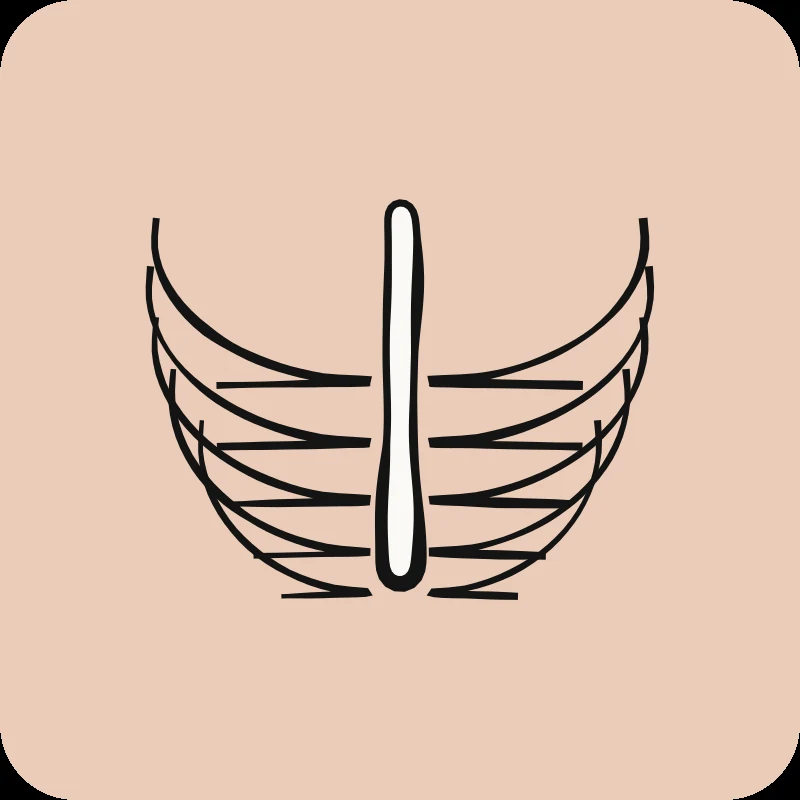


Thoracic back pain occurs between the neck and the lower ribs. It can make moving the torso or taking a deep breath uncomfortable. In this guide, “thoracic back” refers to the middle of the back. Chest pain is a different symptom that may require urgent care.
Pain in the middle of the back can originate in the muscles, joints, or ribs. The examination also looks for a fracture or an underlying organ-related cause when symptoms warrant it. Pain accompanied by severe shortness of breath, chest pain, or new symptoms affecting the legs, bladder, or bowels must be evaluated promptly.
For an overview of back problems, check out our comprehensive guide to back pain.
What is Thoracic Back Pain?
Thoracic back pain is pain felt between the base of the neck and the bottom of the ribs. This region consists of 12 vertebrae, numbered T1 through T12. Your 12 pairs of ribs attach to this part of the spine and form the rib cage.1, 2
10 Quick Tips to Understand Your Pain
One tip a day for 10 days to help you better understand your pain. About a 2-minute read.
The ribs enhance the stability of the mid-back. A review of 11 experimental studies shows that the rib cage reduces range of motion—that is, the amount of movement possible—in all directions.3 However, the vertebrae and ribs remain mobile. Flexion involves bending forward, extension involves bending backward, and rotation involves turning the trunk. In measurements taken while standing—without X-rays—in asymptomatic adults, another review reports that rotation is greater than either flexion or extension.4 The rib cage also limits rotation; it does not increase it.
The pain may be dull and constant, or more acute during certain movements. It may remain in the middle of the back or radiate toward the ribs, chest, or abdomen. “Referred pain” is pain felt in a location other than the structure causing it. The muscles and joints of the back can cause this type of pain, but pain in the chest or abdomen may also originate from an organ.5
Mid-back pain is quite common. In a review of the general population, studies that measure any pain in this region over the course of a year report prevalence rates ranging from 15 to 27.5 percent. The results vary depending on the definition used.6 A survey of 3,710 French workers aged 20 to 59 reported pain during the week in 9% of men and 17% of women.7
The evaluation looks for factors that limit your movements, such as twisting your torso, carrying a bag, or sitting. Your healthcare provider also monitors changes in your pain and looks for signs that may require further testing or medical advice.
What is the difference between thoracic pain and lumbar pain?
Chest pain affects the middle of the back, in the area of the T1 through T12 vertebrae and the ribs. Lower back pain affects the lower back, in the area of the L1 through L5 vertebrae. The ribs provide additional support to the thoracic region.
The small joints between the vertebrae guide the spine's movements. In the thoracic region, their orientation facilitates rotation, with some differences near the junction with the lower back.1 The joints between the ribs and the vertebrae reinforce each segment, and the rib cage supports the entire region.3
The lumbar and thoracic regions have different ranges of motion. The prevalence of disc problems depends on the population, definitions, and context; it cannot be determined based on range of motion alone. For the lower back, see our guide.
Pain in the middle of the back may change when you twist your torso, take a deep breath, or press on a tender spot. These reactions guide the examination, but they are not enough to identify a specific joint or muscle.
Pain that radiates toward the ribs is therefore not automatically comparable to lower back pain that radiates down the leg. In both cases, the path of the pain must be interpreted in conjunction with the physical examination.
To better understand the anatomy of your spine and how its different regions interact, consult our guide to spinal anatomy.
What are the causes of thoracic back pain?
Thoracic back pain can originate in the muscles, the joints between the vertebrae, or the ribs. A fracture, Scheuermann’s disease, or—more rarely—a herniated disc causing symptoms may also be the cause. Some pain stems from an internal organ, which is why it’s important to look for warning signs.8
Thoracic disc herniations that cause symptoms are rare.9 However, asymptomatic herniations are visible on imaging in 11 to 37% of people examined in the studies reported in a review. Their presence on an image is therefore not sufficient to explain pain.10
Muscle Tension and Pain
The back muscles are involved in movements of the trunk and shoulders. Muscle pain can occur after unusual exertion, such as carrying boxes or repeating a pulling motion. According to the NHS, the British public health service, a muscle injury is one of the possible causes of back pain.
This pain may be accompanied by tenderness near the shoulder blades—the flat bones at the back of the shoulders. However, the location of the tenderness alone is not enough to identify the muscle involved.
Your healthcare provider may ask you what has changed recently:
- A new task, such as carrying a child or working with your arms raised.
- An increase in the duration or intensity of a workout.
- Shorter nights or nights that aren't as restful.
- A sudden movement, a bump, or a fall.
- A period of stress or emotional distress.
Pain near the joints in the back
Your thoracic region contains several types of joints. The facet joints connect the vertebrae to one another. The costovertebral joints connect the ribs to the vertebrae. The costotransverse joints connect the ribs to the transverse processes (small bony projections on the sides of the vertebrae).1, 11
Pain near these joints may increase when you twist your torso or when the clinician presses on your back. These reactions help identify sensitive movements, but do not confirm that a joint is “locked.”
Palpation involves examining an area with the hands. In a study of 25 people, two examiners showed little agreement regarding which areas of the chest were painful or stiff.12 A broader review of manual spinal examination found acceptable agreement for pain reproduced by touch. For other maneuvers, the results were not very reproducible, contradictory, or still preliminary.13 These limitations pertain to the accuracy of these tests, not to physical therapy as a whole.
The test links the body's responses to specific movements and events:
- The amount of time spent sitting before the pain begins.
- The leadership of a movement that perpetuates suffering.
- A fall or a blow that may suggest a fracture.
- The effect of a pause or a change in position.
Pain near the ribs
Your ribs connect to the spine at the back. At the front, the first seven pairs attach directly to the sternum—the bone in the center of the chest—via their cartilage, a tissue that is more flexible than bone. Pairs 8 through 10 attach to it indirectly, via the cartilage of the rib above. Ribs 11 and 12 are floating ribs and do not attach to the sternum.14 Pain near a rib alone is not enough to confirm which structure is involved.
Pain near the ribs can have several characteristics:
- Is located next to your spine
- It stretches along the coast toward the front.
- Increases with deep breathing
- Worsens when you cough or sneeze
Pain that radiates to the chest should be evaluated based on the signs described below. New chest pain, especially when accompanied by shortness of breath, should not automatically be attributed to the ribs.
Posture and Prolonged Positions
Posture can be adjusted to make a task more comfortable. Studies report associations between certain postural factors and midback pain, but they do not show that a specific posture causes the pain.6 A position sometimes becomes uncomfortable after a certain amount of time; the duration of the position and the ability to move are factors to consider in the assessment.
For office workers, the physical therapist may try several adjustments with you:
- Place frequently used items closer together to minimize long distances.
- Support your forearms if this position provides relief.
- Switch between tasks and take breaks to move around.
- Adjust the height of the screen if it makes your work more comfortable.
Your posture changes throughout the day. Useful adjustments are those that make your tasks and movements easier. They can be revised if your pain or work requirements change.
The link between a rounded back and pain also depends on the area being studied. A review of shoulder pain found no clear difference in thoracic curvature between people with and without pain. Standing up straighter allowed for greater arm elevation during immediate measurements, but the long-term benefit remained uncertain.15 These findings regarding the shoulder do not demonstrate the cause of mid-back pain.
Scheuermann's Disease
Scheuermann's disease is a disorder affecting the growth of the vertebrae that develops during adolescence. It can cause the back to become more rounded, a condition known as hyperkyphosis. This change in the shape of the vertebrae is more than just poor posture.16
In Scheuermann's disease, the front of certain vertebrae becomes shorter than the back, giving them a wedge-like shape. On an X-ray, the typical criterion is an angle of at least 5 degrees between the top and bottom of each of at least three adjacent vertebrae. The exact cause remains unknown.17
In adults, treatment focuses on the actual problems present. Depending on their severity, the treatment plan may include exercises, advice, or medical follow-up. The use of an orthosis—that is, a supportive brace—may be considered, especially during growth; whether it is indicated depends on the curvature and how it progresses.17 The evaluation focuses in particular on:
- Difficulty straightening up or turning around.
- Pain during labor, exercise, or daily activities.
- Fatigue that limits the amount of time spent on an activity.
- The significance of curvature and how it changes over time.
Other Possible Problems
The review may also address the following issues:
Thoracic disc herniation: A portion of a disc—the cushion between two vertebrae—may protrude beyond its normal boundaries. Herniations that cause symptoms are rare in this region.18 A recent review reports an estimated incidence of up to one in a million for symptomatic cases. A herniation can sometimes compress the spinal cord, which transmits nerve signals between the brain and the body.9 Weakness in the legs or a change in bladder or bowel control requires urgent evaluation. The guide on lumbar disc herniation covers another region: the lower back.
Thoracic outlet syndrome: This syndrome can result from compression of nerves or blood vessels in the passage between the neck and the upper chest. The nerve-related form can cause pain, tingling, or weakness in the arm. The venous form can cause the arm to swell, among other symptoms. The clinician must determine the suspected form and investigate other possible causes; this diagnosis alone is not sufficient to explain all mid-back pain.19
Thoracic osteoarthritis: The joints in the middle of the back may undergo changes over time. Magnetic resonance imaging, or MRI, produces detailed images of internal structures. A review shows that the prevalence of thoracic changes visible on MRI varies widely depending on the population and the definitions used. The few available studies do not allow for a clear conclusion regarding their link to pain. Therefore, a clinical examination remains necessary to interpret an image.20
What are the symptoms of thoracic back pain?
Thoracic back pain may present as a tender spot, more diffuse pain, stiffness, or pain that radiates toward the ribs. Certain movements or taking a deep breath can make the pain worse. These symptoms help guide the evaluation but do not, on their own, identify the cause.
Thoracic back pain presents differently depending on its cause. Recognizing your symptoms helps you better understand your condition and communicate effectively with your physiotherapist.
Common Types of Pain
Localized, specific pain: You can point to a specific spot that is tender. This location alone is not enough to determine whether a structure is injured.
Diffuse, dull pain: The pain covers a larger area, such as between the shoulder blades. This description is helpful during the examination but does not indicate a specific cause.
Radiating pain: The pain is felt at a distance from its primary site, sometimes along the ribs. Its path aids in the evaluation but does not, on its own, confirm the structure involved.
Pain that worsens with breathing: Taking a deep breath, coughing, or sneezing can make the pain worse. Severe shortness of breath or new chest pain requires urgent evaluation.
Associated symptoms
In addition to pain, you might experience:
- Stiffness: difficulty turning your torso or bending over, sometimes more pronounced after a period of inactivity.
- Muscle Tension: A feeling of knots or tight bands in your back muscles.
- Tenderness to the Touch: Certain areas of your back may be sensitive when you press on them.
- Cracking or popping sounds: A sound heard during movement alone is not sufficient to determine whether a joint is normal or injured. The mechanisms and clinical significance of joint sounds remain incompletely understood.21 Report a new sound if it is accompanied by pain or trauma.
- Referred pain: pain felt in a location other than its source, such as in the front of the ribs, on the side of the torso, or in the abdomen.
When should you have these symptoms checked out?
Have any pain that persists, worsens, or limits your activities evaluated. Seek medical attention sooner if the pain is accompanied by a fever, injury, weakness, or breathing difficulties. The section on warning signs explains which situations are urgent.
How is thoracic back pain diagnosed?
The diagnosis of thoracic back pain is based on your symptoms, medical history, and a physical exam. The healthcare professional assesses your range of motion and looks for signs that would warrant imaging or referral to a specialist.
Clinical evaluation
The assessment begins with a detailed discussion of your symptoms. Your physiotherapist or doctor will want to know:
- When the Pain Began
- How it started (gradually or suddenly)
- Where exactly you feel the pain
- What makes your pain better or worse
- If you have other symptoms (numbness, weakness, breathing problems)
- Your daily activities and your work
The physical examination includes several elements:
Posture assessment: The professional observes the curvature of your back as well as the position of your head and shoulders. He or she relates these observations to your activities and symptoms.
Movement tests: You rotate your torso and lean forward, backward, or to the sides. The exam identifies which movements are possible and which ones trigger pain.
Palpation: The practitioner examines your back with their hands to identify tender areas and your reaction to pressure. This test alone is not sufficient to identify a “locked” joint.
Additional tests: Depending on your symptoms, the examination may assess muscle strength, sensation, and reflexes—that is, the muscles’ automatic responses to stimulation. It may also lead to a medical evaluation if a respiratory, cardiac, or other cause is suspected.
Medical Imaging
Imaging is generally not necessary right away for recent mid-back pain without warning signs. According to the American College of Radiology’s guidelines, imaging may be considered if the pain persists despite six weeks of non-surgical treatment. Certain signs warrant an earlier evaluation.8
The choice between an X-ray, an MRI, or a CT scan—a test that uses X-rays to produce cross-sectional images—depends on the specific problem being investigated. Imaging may be considered, for example, if:
- The pain has not improved despite several weeks of treatment.
- Warning signs may indicate a fracture, an infection, cancer, or spinal cord injury.
- Your healthcare provider is looking for a specific cause that needs to be confirmed.
Imaging results must be compared with your symptoms and the physical examination. Changes visible on an MRI do not always explain the pain.20 Hernias can also be present in people who have no symptoms.10
What warning signs associated with upper back pain require medical attention?
Chest pain, severe shortness of breath, new weakness in the legs, or new bladder or bowel problems accompanied by back pain require urgent evaluation. These symptoms should not wait for a routine physical therapy appointment.
Mid-back pain is common in the general population.6 This prevalence alone is not enough to assess an individual’s situation. The signs listed below help determine when and where to seek medical care.
Symptoms requiring urgent consultation
Call 911 or go to the emergency room if your back pain is accompanied by any of the following symptoms:
- New chest pain that persists, especially if accompanied by a feeling of pressure, sweating, nausea, or pain that radiates to the arm, neck, or jaw.
- Significant difficulty breathing or severe shortness of breath.
- New weakness or numbness in both legs, or weakness that is progressing rapidly.
- New difficulty urinating, loss of bladder or bowel control, or loss of sensation around the genitals or anus.
- Pain following a major accident, such as a car crash or a serious fall.
These guidelines follow the NHS advice on back pain and the NHS advice on chest pain.
Symptoms requiring prompt medical consultation
Seek medical evaluation the same day if you have a fever accompanied by back pain, sudden severe pain or pain that is rapidly worsening, or new weakness in a leg. New or progressive numbness should also be evaluated promptly. Seek medical attention promptly in the following situations as well:
- Fever accompanying your back pain
- Unexplained weight loss
- A history of cancer.
- Pain that wakes you up at night and that no position can relieve.
- Pain that gradually worsens despite rest
- Injection drug use or a weakened immune system, such as that caused by medical treatment.
Chest Pain and Heart Problems
The characteristics of chest pain alone are not enough to rule out a heart problem. Pain that is reproduced by pressure or a certain position may make this cause less likely, but does not rule it out.22 Similarly, an isolated sign of pain in the back or at the junction between the back and the lower back has limited diagnostic value. The combination of all signs guides the evaluation.23 Inform the healthcare professional if the pain is:
- Triggered by movements or pressure on the back
- Localized and stable (does not move)
- May occur with or without shortness of breath, sweating, or nausea.
- Present for days or weeks
Chest pain should be evaluated even if it changes with movement. Also note if it is:
- Not affected by back movements or pressure
- Accompanied by other symptoms (shortness of breath, sweating, nausea)
- More intense with exertion
- Felt as a pressure or tightness
10 Quick Tips to Understand Your Pain
One tip a day for 10 days to help you better understand your pain. About a 2-minute read.
If you experience new chest pain that persists or is accompanied by sweating, nausea, or shortness of breath, call 911. Chest pain that comes and goes or goes away quickly also warrants medical attention. See the NHS guidelines.
What are the treatment options for thoracic back pain?
Treatment for thoracic back pain may include a gradual return to activities, exercises, advice, and, depending on the case, manual therapy or medication. A fracture, infection, or other medical cause requires appropriate treatment first.
The Initial Approach
After checking for warning signs, there are a few steps you can take to help you continue your activities:
Activities and Movement: Continue with tasks you can manage and walking, adjusting the duration as needed. Break up a demanding task into several shorter sessions if that helps. Avoid staying in bed for long periods of time.
Heat or cold: You can try them briefly for comfort, making sure your skin is protected. A hot water bottle or heating pad can help you relax the affected area. Stick only with what provides relief and avoid any irritation or burns.
Movements: Gently rotate your torso or move your shoulders within a comfortable range. Reduce the effort if the pain increases significantly. Have the exercises adjusted if the pain persists.
Posture and Work: Change your posture and take breaks to move around. Adjust your workstation to make tasks easier, and then see if these changes help.
Medications
The role of medications depends on the suspected cause and the situation. They can sometimes relieve symptoms; discuss this with a pharmacist or doctor.
- Anti-inflammatory medications, such as ibuprofen: ask your pharmacist or doctor if they are appropriate for your situation. In a recent Cochrane review on acute lower back pain, these medications reduced pain by an average of about 7 points out of 100 compared to a placebo, a treatment without an active ingredient. The average benefit was small. These findings regarding lower back pain do not directly measure their effect on mid-back pain. Cochrane review. Follow the recommended guidelines and duration of use.
- Acetaminophen (Tylenol): The same review found no difference compared to a placebo for recent lower back pain. It does not allow for a direct conclusion regarding mid-back pain. Cochrane review. Discuss its use with your pharmacist or doctor, taking into account your other health conditions and medications.
- Muscle relaxants: These medications can cause drowsiness and other side effects. The healthcare professional who prescribes them will evaluate their benefits and risks based on your specific situation.
Talk to your doctor or pharmacist before taking any medication, especially if you have other health problems.
Physiotherapy
Physical therapy helps you regain the ability to perform movements that are limited by pain, such as turning your torso, carrying objects, or working. The physical therapist works with you to choose exercises and monitors changes in your activities.
- Check the restricted activities and symptoms that require medical attention.
- Try a manual technique if it makes a movement easier or provides relief, and then check its effect.
- Gradually build the mobility and strength needed for your tasks.
- Adjust the duration of activities, breaks, and positions to suit your needs.
To learn more about how physiotherapy can specifically help with your thoracic back pain, consult our guide on physiotherapy for thoracic back pain.
How can physical therapy help manage thoracic back pain?
Physical therapy helps manage thoracic back pain by combining tailored exercises, activity guidance, and, when appropriate, manual techniques. The effects vary depending on the method and the individual; the results observed are used to adjust the treatment plan.
What physiotherapy offers
Manual therapy: Joint mobilization involves moving a joint with the hands. Manipulation uses a brief, rapid movement. In a trial of 100 people with chest pain without a specific identified cause, adding manipulations to exercises further reduced pain after eight sessions: a difference of about 1.1 points out of 10 compared to exercises alone. Quality of life also improved more significantly at that point. The study no longer showed a clear advantage between the groups at the 12-week follow-up. This single-center trial did not distinguish between recent pain and persistent pain.24
Techniques targeting muscles and other tissues around the joints: their effects depend on the technique used. In a trial involving 143 people, manual therapy or the Graston technique—which involves applying tools to the skin—did not show any clear benefit in terms of pain or functional limitations compared to a sham treatment. All groups showed improvement over time. Follow-up periods ranged from one week to 12 months.25 This finding pertains to these specific techniques and does not evaluate physical therapy as a whole.
Therapeutic exercises: Your personalized exercise program may include several types of movements. Rotation, tilting, and strengthening exercises using a resistance band were among those included in the program studied in the trial involving 100 people.24 The physical therapist adjusts the difficulty level based on your symptoms and daily activities:
- Gently rotate your torso while sitting to improve mobility.
- Gently lean to the side to stretch the area within a comfortable range.
- Pull an elastic band toward you to strengthen your back and shoulder muscles.
- Practice slow, comfortable breathing if taking a deep breath interferes with movement, after ruling out any respiratory warning signs.
Information and advice: You’ll learn to recognize warning signs, pace yourself, and adjust your exercises. Follow-up visits also assess what you’re able to do, not just your pain level.
When to seek physiotherapy
Seek physiotherapy if:
- If the pain persists or worsens, check whether the symptoms described above indicate that you should seek medical advice.
- Pain limits your daily activities
- You want to understand the cause of your pain
- Are you looking for strategies to reduce the frequency of new episodes of pain?
- You experience recurring episodes of thoracic pain
Follow-up evaluations can assess your ability to rotate your torso, carry objects, or remain at work. If progress is insufficient, the physical therapist will reassess the exercises and determine whether medical advice is needed. For detailed information, see our guide on physical therapy for thoracic back pain.
What are some common questions about thoracic back pain?
Frequently asked questions about thoracic back pain concern its duration, stress, exercise, breathing, and symptoms that require medical attention. People with thoracic back pain can generally continue with appropriate activities after checking for warning signs. Stress may be associated with this pain, and its duration depends on the cause. Significant difficulty breathing requires urgent medical attention.
Can thoracic back pain be caused by stress?
Stress and mid-back pain may be related. A review of the general population reports links to psychological factors, without demonstrating that stress directly causes this pain.6 If stress is interfering with your sleep or daily activities, discuss it with your healthcare provider so it can be addressed as part of your care.
How long does thoracic back pain last?
Recent pain in the middle of the back with no warning signs may subside over the course of several weeks. However, the duration depends on the cause and how the condition progresses. Guidelines for chest imaging recommend reassessing the need for further testing if the pain persists despite six weeks of treatment.8 This guideline does not require waiting six weeks to seek medical attention: worsening symptoms, severely limited activities, or a warning sign warrant seeking medical advice sooner.
Can I exercise with thoracic back pain?
You can generally continue with appropriate activities as long as there are no warning signs that require a medical evaluation. Try an activity you can tolerate, such as walking, and then adjust the duration. If an exercise significantly worsens your pain, you should modify it in consultation with your healthcare provider.
What exercises can help manage chest pain?
Gentle trunk rotations, side bends, and resistance band exercises can be part of a program. The choice depends on the movements you want to regain and how you respond to the exercises. None of these movements was shown to be superior to the others in the thoracic trial described above.24
Can chest pain cause breathing problems?
Back or rib pain can make taking a deep breath uncomfortable. Severe shortness of breath or difficulty breathing requires urgent evaluation. Do not assume that this symptom is simply caused by a muscle or a rib.
When should I be concerned about my thoracic back pain?
Seek immediate medical attention if your back pain is accompanied by chest pain, severe shortness of breath, progressive weakness in your legs, or new bladder or bowel problems. A fever, unexplained weight loss, or pain that is getting worse also require prompt medical attention.
What should you know about thoracic back pain?
When experiencing upper back pain, it is important to check for warning signs and then choose treatments that make it easier to move and perform daily activities. The muscles, joints, or ribs may be the cause, but a fracture or a problem involving an organ requires medical attention.
Progressive exercises and adjustments to activities are among the options. Manual therapy may be added to the treatment plan if it provides a beneficial effect. Imaging and palpation alone do not always determine the exact source of the pain.
Follow-up visits are used to monitor your progress with daily activities and to adjust your care plan. If the pain worsens or if a warning sign appears, have your condition reevaluated rather than continuing with the same plan without making any changes.
Need professional advice?
Our physical therapists can assess your condition and provide you with a personalized treatment plan.
Make an appointmentReferences
Links open in a new tab.
- Waxenbaum JA, Reddy V, Margetis K. Anatomy, Back, Thoracic Vertebrae. StatPearls. 2026. (Back to sections: 1, 2, 3)
- Safarini OA, Bordoni B. Anatomy, Thorax, Ribs. StatPearls. 2026. (Back to section: 1)
- Liebsch C, Wilke HJ. How Does the Rib Cage Affect the Biomechanical Properties of the Thoracic Spine? A Systematic Literature Review. Front Bioeng Biotechnol. 2022;10:904539. (Back to sections: 1, 2)
- Pan F, Firouzabadi A, Reitmaier S, Zander T, Schmidt H. The shape and mobility of the thoracic spine in asymptomatic adults—A systematic review of in vivo studies. J Biomech. 2018;78:21-35. (Back to section: 1)
- Harding G, Yelland M. Back, chest, and abdominal pain—is it referred spinal pain? Aust Fam Physician. 2007;36(6):422-3, 425, 427-9. (Back to section: 1)
- Briggs AM, Smith AJ, Straker LM, Bragge P. Thoracic spine pain in the general population: prevalence, incidence, and associated factors in children, adolescents, and adults. A systematic review. BMC Musculoskeletal Disorders. 2009;10:77. (Back to sections: 1, 2, 3, 4)
- Fouquet N, Bodin J, Descatha A, Petit A, Ramond A, Ha C, et al. Prevalence of thoracic spine pain in a surveillance network. Occup Med (Lond). 2015;65(2):122-5. (Back to section: 1)
- Expert Panel on Neurological Imaging, Shah VN, Parsons MS, Boulter DJ, Burns J, Callaghan B, et al. ACR Appropriateness Criteria® for Thoracic Back Pain. J Am Coll Radiol. 2024;21(11S):S504-S517. (Back to sections: 1, 2, 3)
- Yurtluk MD, Apaydin AS, Kina H, Than KD. Thoracic disc herniations: diagnosis, surgical techniques, and insights into complications. Turk J Med Sci. 2025;55(1):17-23. (Back to sections: 1, 2)
- Shirzadi A, Drazin D, Jeswani S, Lovely L, Liu J. Atypical presentation of thoracic disc herniation: case series and review of the literature. Case Rep Orthop. 2013;2013:621476. (Back to sections: 1, 2)
- Saker E, Graham RA, Nicholas R, D'Antoni AV, Loukas M, Oskouian RJ, et al. Ligaments of the Costovertebral Joints, Including Biomechanics, Innervation, and Clinical Applications: A Comprehensive Review with Application to Approaches to the Thoracic Spine. Cureus. 2016;8(11):e874. (Back to section: 1)
- Walker BF, Koppenhaver SL, Stomski NJ, Hebert JJ. Interrater Reliability of Motion Palpation in the Thoracic Spine. Evid Based Complement Alternat Med. 2015;2015:815407. (Back to section: 1)
- Stochkendahl MJ, Christensen HW, Hartvigsen J, Vach W, Haas M, Hestbaek L, et al. Manual examination of the spine: a systematic critical literature review of reproducibility. J Manipulative Physiol Ther. 2006;29(6):475-85, 485.e1-10. (Back to section: 1)
- Haase DR, Shaikh HS. Anatomy of the Ribs, Sternum, and Costal Margin. J Orthop Trauma. 2024;38(12S):S1-S6. (Back to section: 1)
- Barrett E, O'Keeffe M, O'Sullivan K, Lewis J, McCreesh K. Is thoracic spine posture associated with shoulder pain, range of motion, and function? A systematic review. Man Ther. 2016;26:38-46. (Back to section: 1)
- Lowe TG, Line BG. Evidence-Based Medicine: Analysis of Scheuermann's Kyphosis. Spine (Phila, Pa, 1976). 2007;32(19 Suppl):S115-9. (Back to section 1)
- Sardar ZM, Ames RJ, Lenke L. Scheuermann's Kyphosis: Diagnosis, Management, and Selecting Fusion Levels. J Am Acad Orthop Surg. 2019;27(10):e462-e472. (Back to sections: 1, 2)
- Arce CA, Dohrmann GJ. Herniated thoracic discs. Neurol Clin. 1985;3(2):383-92. (Back to section: 1)
- Sanders RJ, Hammond SL, Rao NM. Diagnosis of thoracic outlet syndrome. J Vasc Surg. 2007;46(3):601-4. (Back to section: 1)
- Arnbak BA, Clausen SH, Stochkendahl MJ, Jensen RK. Prevalence of degenerative thoracic MRI findings and their association with pain and disability: a systematic review. Skeletal Radiol. 2025;54(8):1607-1619. (Back to sections: 1, 2)
- Saubade M, Karatzios C, Léonard E, Besson C, Gremion G, Gremeaux V. [“My joints are cracking—is it serious, doctor?” A review of sounds produced by joints]. Rev Med Suisse. 2017;13(569):1334–1338. (Back to section: 1)
- Swap CJ, Nagurney JT. Value and limitations of the chest pain history in the evaluation of patients with suspected acute coronary syndromes. JAMA. 2005;294(20):2623-9. (Back to section: 1)
- Maselli F, Palladino M, Barbari V, Storari L, Rossettini G, Testa M. The diagnostic value of red flags in thoracolumbar pain: a systematic review. Disabil Rehabil. 2022;44(8):1190-1206. (Back to section: 1)
- Waqas MS, Karimi H, Ahmad A, Rafiq S, Anwar N, Liaqat S. The Effects of Spinal Manipulation Combined with Exercise on Pain and Quality of Life in Patients with Thoracic Spinal Pain: A Randomized Controlled Trial. Biomed Res Int. 2023;2023:7537335. (Back to sections: 1, 2, 3)
- Crothers AL, French SD, Hebert JJ, Walker BF. Spinal manipulative therapy, the Graston Technique®, and placebo for nonspecific thoracic spine pain: a randomized controlled trial. Chiropr Man Therap. 2016;24:16. (Back to section: 1)
- Manchikanti L, Abdi S, Atluri S, Benyamin RM, Boswell MV, Buenaventura RM, et al. An update of comprehensive evidence-based guidelines for interventional techniques in chronic spinal pain. Part II: guidance and recommendations. Pain Physician. 2013;16(2 Suppl):S49-283.
- Bogduk N. Clinical Anatomy of the Lumbar Spine and Sacrum. 4th ed. Edinburgh: Churchill Livingstone; 2005.
- Lee DG. The Thorax: An Integrated Approach. 2nd ed. OPTP; 2003.
- Edmondston SJ, Singer KP. Thoracic spine: anatomical and biomechanical considerations for manual therapy. Man Ther. 1997;2(3):132-143.
- Griegel-Morris P, Larson K, Mueller-Klaus K, Oatis CA. Incidence of common postural abnormalities in the cervical, shoulder, and thoracic regions and their association with pain in two age groups of healthy subjects. Phys Ther. 1992;72(6):425-31.
- Soo CL, Noble PC, Esses SI. Scheuermann kyphosis: long-term follow-up. Spine J. 2002;2(1):49-56.
- Cleeland JA, Whitman JM, Fritz JM, Palmer JA. Manual physical therapy, cervical traction, and strengthening exercises in patients with cervical radiculopathy: a case series. J Orthop Sports Phys Ther. 2005;35(12):802-11.
- Chou R, Fu R, Carrino JA, Deyo RA. Imaging strategies for low-back pain: a systematic review and meta-analysis. Lancet. 2009;373(9662):463-72.
- Deyo RA, Weinstein JN. Low back pain. N Engl J Med. 2001;344(5):363-70.
- Waddell G, et al. Low back pain evidence review. London: Royal College of General Practitioners; 1999.
- Cleeland JA, Childs JD, Fritz JM, Whitman JM, Eberhart SL. Development of a clinical prediction rule to guide treatment for a subgroup of patients with neck pain: use of thoracic spine manipulation, exercise, and patient education. Phys Ther. 2007;87(1):9-23.
- nhs.uk. Back Pain. 2017.
- nhs.uk. Chest pain. 2017.
- Pharmacological Treatments for Low Back Pain in Adults: An Overview of Cochrane Reviews | Cochrane.
Videos in this category
Other conditions

Hip osteoarthritis is the normal wear and tear of the hip joint. It is often said that osteoarthritis is the wear and tear of the cartilage between our bones. That is true, but it involves more than just the cartilage. Cartilage is a tissue that acts as a cushion between the surfaces of our bones and allows our joints to glide smoothly and move fluidly.
This is normal wear and tear of the knee joint. It’s often said that osteoarthritis is the wearing down of the cartilage between our bones. That’s true, but it’s more than just the cartilage. Cartilage is a tissue that acts as a cushion between the surfaces of our bones and allows our joints to glide smoothly and move fluidly.
It is an inflammation of the subacromial bursa in the shoulder joint.
A bursa is a small, thin sac filled with fluid that is found in many of the body's joints. This small sac acts as a cushion within the joint and lubricates the structures that are subject to increased friction.
It is a tissue that surrounds the shoulder and helps keep the shoulder bone in place within the joint. The capsule helps keep the joint stable.
Neck pain is a general term used to describe pain in the neck that has no specific cause, such as an accident or a sudden awkward movement. Neck pain is therefore synonymous with “my neck hurts, and nothing in particular happened.”
In both types of injury, pain is felt in the neck and then radiates into the arm, or vice versa.
Make an appointment now
We offer a three-pronged quality assurance approach: optimized treatment time, a second opinion from a physical therapist, and ongoing expertise to ensure effective care tailored to your needs.

Customer satisfaction is our top priority
At Physioactif, excellence guides everything we do, but our patients are the best ones to tell you about it. Take a look at their verified reviews to get a real sense of their experience.










Discover our physical therapy clinics
We have locations in several areas to better serve you.
Blainville
190 Bas-de-Sainte-Thérèse Road, Suite 110,
Blainville, Quebec
J7B 1A7
Located in Blainville, near Rosemère, the Physioactif clinic is easily accessible to residents of the area and the surrounding communities
Boucherville
690 Rue de Montbrun, Suite S,
Boucherville, Quebec
J4B 8H2
Located in Boucherville, the Physioactif clinic is easily accessible to people in the area
Laval
3224 Jean-Béraud Ave., Suite 220, Laval,
QC H7T 2S4
Located in Chomedey, in the heart of Laval, the Physioactif clinic is easily accessible to people in the area
Montreal
8801 Lajeunesse Street,
Montreal,
QC H2M 1R8
Located in Ahuntsic, near Villeray, the Physioactif clinic is easily accessible to residents of both neighborhoods
Saint-Eustache
180 25th Avenue, Suite
201 Saint-Eustache
QC J7P 2V2
Located in Saint-Eustache, the Physioactif clinic is easily accessible to residents of the area and the surrounding communities
Vaudreuil
21 Cité-des-Jeunes Boulevard, Suite 240,
Vaudreuil-Dorion, Quebec
J7V 0N3
Located in Vaudreuil-Dorion, the Physioactif clinic is easily accessible to people in the area
Make an appointment now