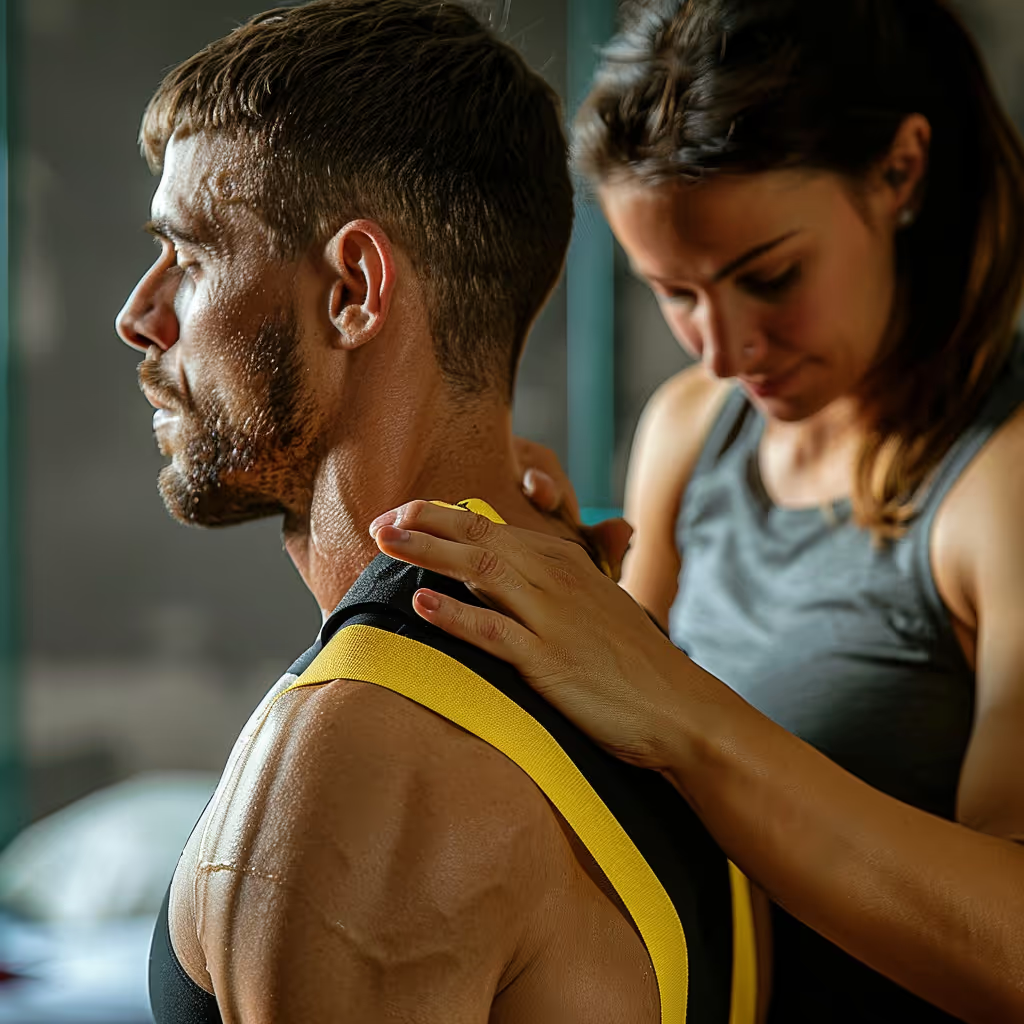
Physiotherapy for Wrist and Hand Pain




Pain in the wrist and hand can make simple tasks like writing or opening a jar difficult. Among the common causes is De Quervain’s tenosynovitis, which affects the tendons of the thumb. These areas consist of small bones, joints, tendons, and nerves. A joint connects bones and allows them to move. A tendon transmits force from a muscle to a bone. Nerves transmit information about touch and signals to the muscles, among other things. Physical therapy can help you move and resume your activities. The benefits of treatment depend on the specific problem being addressed. A 2024 review examined twelve studies on occupational therapy interventions for the hand, wrist, and forearm.1 Occupational therapy helps people perform their daily activities. The treatments studied included exercises, instruction, activity aids, and orthoses. An orthosis supports or immobilizes a part of the body. This systematic review—an analysis conducted using a defined research method—reports a reduction in pain with moderate certainty and an improvement in functional ability with low certainty.1 Certainty refers to the level of confidence in the results. Some of these tools are also used in physical therapy, but this review evaluated occupational therapy interventions. If you’d like to first understand the various causes of wrist and hand pain, check out our comprehensive guide to wrist and hand pain.
Your hands are hard at work when you type, prepare a meal, or carry your groceries. Pain can limit your independence and reduce your quality of life. A 2024 review compiled the results of studies on various hand conditions.2 This statistical synthesis is called a meta-analysis. People with carpal tunnel syndrome or osteoarthritis had, on average, a lower health-related quality of life than the population norms for their age group.2 This measure takes into account the impact of health on daily life. Your physical therapist will assess your symptoms and abilities to develop a plan tailored to your activities.
10 Quick Tips to Understand Your Pain
One tip a day for 10 days to help you better understand your pain. About a 2-minute read.
This guide explores how physical therapy addresses five common conditions: carpal tunnel syndrome, De Quervain’s tenosynovitis, thumb osteoarthritis,wrist sprains, and trigger finger. For an overview of these conditions, see our comprehensive guide to wrist and hand pain. This page is part of our section on wrist and hand pain.
How does physiotherapy treat wrist and hand pain?
Physical therapy treats wrist and hand pain through guidance, tailored exercises, and—depending on the issue—manual therapy or a splint. The physical therapist monitors your pain, range of motion, and the activities you wish to resume in order to adjust your treatment plan.3
Your physical therapist will assess your movements, identify which actions cause pain, and determine what brings you relief. Several treatment options can be combined into a single treatment plan. A review of practice guidelines recommends focusing care on the individual, providing explanations, and encouraging activity or exercise.4 These guidelines focused on the back, neck, shoulder, and osteoarthritis. They provide general care principles but do not constitute a specific guide for the wrist. A practice guideline compiles recommendations for healthcare professionals. This review also recommends manual therapy—techniques applied by hand—as a complement to other treatments.4 The plan may include the following elements.
- Manual therapy can help relieve a symptom or facilitate movement. Its effect is reassessed in the treatment plan.
- These tailored exercises are designed to improve your strength and range of motion.
- The physical therapist's explanations help you understand your condition and manage your activities between sessions.
- Heat or cold can help manage symptoms in the short term, depending on your condition.
Your active participation is what sets physical therapy apart from passive treatments. During your sessions, you’ll learn exercises and strategies to continue your recovery on your own. At our clinic, we combine education, manual therapy, and exercise rather than relying on a single approach.
What techniques do physical therapists use for the wrist and hand?
Physiotherapists use guided joint movements, hands-on care, gliding exercises, strengthening, and task adjustments for the wrist and hand. Scientific support varies depending on the technique and diagnosis. A joint mobilization is a movement guided by the physiotherapist. Soft tissues include muscles, tendons, and their sheaths. Gliding exercises help nerves or tendons move smoothly along their path. Ergonomic adjustments adapt your workspace and movements to your needs. A 2023 review examined exercise for hand and wrist tendinopathies.5 Tendinopathy refers to a painful tendon issue that interferes with its use. The twelve selected studies were of low quality and always combined exercise with other treatments.5 Some reported improvements in pain or function. These studies do not isolate the specific contribution of exercises. Another review examined the effects of manual therapy on pain sensitivity tests, particularly the pressure threshold needed to cause pain.6 Results varied, and most reviews were of low or very low quality.6 These sensitivity tests do not directly measure your return to daily activities.
Joint mobilizations
The wrist consists of eight small bones—the carpal bones—located between the forearm and the hand. These bones rotate and shift slightly relative to one another during movement.7 The wrist also includes the ends of the radius and ulna, the two bones of the forearm.8 The muscles produce movement. Ligaments—bands of tissue between the bones—contribute to stability.8 A physical therapist can mobilize a stiff joint using guided, controlled movements. The therapist then checks to see if the movement becomes easier or less painful.
Soft tissue techniques
The muscles and tendons of the forearm are involved in finger and wrist movements. Manual therapy may be tried to reduce sensitivity and make it easier to do exercises. The physical therapist assesses the relief achieved and how long it lasts. A 2015 review found that massage resulted in less pain in the short term compared to no treatment for shoulder and knee osteoarthritis. It also reported improved short-term function for the back, shoulder, and knee osteoarthritis.9 It does not show clear superiority over other active treatments.9 The other treatments studied also included care provided by a professional. None of the included studies focused specifically on the hand or wrist. For osteoarthritis of the base of the thumb, however, one review describes the benefits of programs combining mobilization and exercises.10 This finding applies to the combined program.
Nerve and tendon gliding exercises
Tendon gliding exercises involve alternating finger positions to allow the tendons to slide. For example, the hand moves from straight fingers to a hook, then to a fist—if these movements are appropriate for you.11 Exercises targeting the nerve tend to combine positions of the arm, wrist, and fingers. The physical therapist selects the sequence and progression based on your specific condition. For carpal tunnel syndrome, evidence regarding hand exercises remains limited; any movement that increases numbness should be adjusted.12
Orthoses and splints
A night splint keeps the wrist straight and aligned with the forearm to treat carpal tunnel syndrome. A splint is a device that restricts certain movements. The carpal tunnel is the passageway in the wrist through which the median nerve runs; this nerve is involved in sensation and certain movements of the hand. A 2023 Cochrane review concluded that a splint may result in little or no average difference in symptoms in the short term compared to no active treatment.13 The average improvement in function did not reach the threshold considered clinically significant for daily life, and long-term outcomes remained uncertain. Cochrane is a network that produces systematic reviews. However, a study of 80 wrists found that overall improvement was more common with a nighttime splint than with no treatment, though the evidence was of low certainty.13 A splint may therefore be an option worth trying and reevaluating. For De Quervain’s disease, the orthosis supports the thumb and wrist while leaving the other fingers free.
How does physical therapy treat common wrist and hand problems?
Physical therapy tailors splints, exercises, manual therapy, and daily activities to address carpal tunnel syndrome, De Quervain’s tenosynovitis, thumb osteoarthritis, sprains, or trigger finger. An unstable injury or a nerve with deteriorating function may also require a medical evaluation.
Carpal Tunnel Syndrome
For carpal tunnel syndrome, the treatment plan may include a night splint, adjustments to daily activities, and—depending on the evaluation—exercises or mobilization techniques. This condition can cause tingling, numbness, and weakness in the hand, which are often more bothersome at night.12
The treatment aims, in particular, to make sleep and daily activities less disruptive. Progressive weakness or symptoms that worsen despite treatment warrant a medical evaluation.12
- The night splint keeps the wrist in the correct position. It may take up to six weeks to see relief; the results should be reevaluated.12
- Guided movements are selected after the examination. They should not cause a lasting increase in tingling or numbness.
- Adjustments to daily activities reduce periods of extreme wrist flexion, tight grips, and the use of vibrating tools that trigger symptoms.12
To learn more, consult our guide on carpal tunnel syndrome.
De Quervain's Tenosynovitis
For De Quervain’s disease, the physical therapist adjusts the movements that strain the thumb and selects progressive exercises. This tenosynovitis is a painful condition affecting the sheath that surrounds the tendons at the base of the thumb. A corticosteroid injection—an anti-inflammatory medication—may also be recommended by the medical team. A 2023 review recommends this injection combined with immobilization of the thumb for three to four weeks as the initial treatment.14 This analysis combines direct and indirect comparisons between treatments. Adding immobilization improved function, but the average improvement remained below the threshold that the authors had defined as significant for daily living.14 This does not negate the value of the combination treatment, which was among the best options examined.
During an eccentric exercise, an active muscle lengthens to slow down a movement. The tendon transmits the force produced by the muscle to the bone.15 The choice of this exercise and its progression depend on the pain and the movements to be regained. Shockwave therapy uses sound waves. It may be considered if the pain persists. Regarding De Quervain’s syndrome, however, the promising results from the 2023 review came from a single study with a high risk of bias—that is, methodological limitations that could skew the results.14 Before adding a new technique, the physical therapist reassesses the diagnosis, the exercises, the progression, and other treatments already tried.
For detailed information, consult our guide on De Quervain's tenosynovitis.
Thumb Osteoarthritis
For thumb osteoarthritis, physical therapy may combine exercises, mobilization techniques, a brace, and adjustments to the way you grip objects. Osteoarthritis affects the entire joint, particularly the cartilage that covers the ends of the bones. At the base of the thumb, ligaments and muscles also contribute to stability.10
The first dorsal interosseous muscle is a small muscle located between the thumb and index finger. The thumb opposer helps bring the thumb toward the other fingers. These muscles contribute to movement and stability during a pincer grip. A study of movement in people with osteoarthritis at the base of the thumb observed a different rotation pattern than that seen in people without osteoarthritis.16 This movement study did not compare exercise programs. A trial published in 2022 added exercises for these muscles to standard care, which included, among other things, a brace and counseling.17 Both groups experienced improvements in pain and function. However, the group that performed the additional exercises did not show better outcomes at six weeks or six months.17 Randomization helps minimize baseline differences between groups. Thumb-opposing exercises and working with resistance putty remain options that can be tailored to your goals.
Osteoarthritis of the hand becomes more common with age. In the Framingham Study, osteoarthritis that was both painful and visible on X-rays was more common in women.18 Researchers evaluated 1,041 people aged 71 to 100 in 1992 and 1993. This osteoarthritis affected 26.2% of women and 13.4% of men.18 These proportions are representative of this group of older adults.
Home exercises can improve hand strength. A 2011 review found no clear effect of exercise alone on pain or daily activities.19 A more recent review, published in 2024, included fourteen trials.20 It reported benefits regarding pain, function, and grip strength during follow-up periods of less than 24 weeks, with low certainty. It also reported a reduction in stiffness with moderate certainty. After 24 weeks, it found no additional benefits regarding pain, functional ability, or stiffness compared to groups receiving the other care options studied or no intervention.20 Grip strength can be measured using a device to track progress.
To learn more about treatment options, see the American Academy of Orthopaedic Surgeons’ fact sheet on thumb osteoarthritis (in English)21.
Wrist sprain
A sprain is an injury to a ligament, often resulting from a fall onto the hand. The examination first checks for any fractures or injuries that might be causing wrist instability. Treatment then combines appropriate protection with a gradual return to movement, strength, and activities.22 Persistent pain after a fall warrants evaluation, even if the injury seems minor.
Treatment varies depending on the severity:
- A mild sprain stretches the ligament without tearing it. Depending on the examination, temporary protection and gentle movement may be sufficient.
- A moderate sprain involves a partial tear. A splint can protect the ligament during recovery, after which exercises can be gradually resumed.
- A severe sprain can completely tear a ligament and cause the wrist to become unstable. Surgical intervention may be necessary. Rehabilitation—that is, regaining movement and resuming activities—can take several months.22
For detailed advice, consult our guide on wrist sprains.
Trigger Finger
For trigger finger, treatment may combine tendon exercises, a splint, and adjustments to the way the finger is held. The finger catches or remains bent, then may suddenly snap back into place. Conservative treatment is treatment that does not involve surgery. A 2019 review reported less pain and locking with splints.23 However, the limited quality of the studies reduces the certainty of the findings.23 A 2025 trial compared a splint, a cortisone injection, and a combination of both in 104 people, involving 122 fingers.24 The trial excluded thumbs and fingers with the most severe grade of stiffness. The overall rate of symptom resolution or improvement was 68.9%. Adding a brace to the injection did not provide any additional benefit.24 This result therefore does not apply to all types of trigger fingers.
Sliding exercises cause the tendons that bend the fingers to slide. A small pulley, called A1, holds these tendons close to the bone at the base of the finger. A study observed changes in the tissue of this pulley in people with trigger finger.25 The changes involved the inner layer of the pulley, which is made of cartilage-like tissue. They did not involve the cartilage of the joint. The passage through this pulley is the usual site of the catching sensation.25 Exercises should remain gentle and be tailored to the locking. Heat can provide relief before moving the finger. A review of 36 studies involving 1,301 healthy individuals reported an increase in range of motion with the use of heat and stretching.26 All of these studies had a high risk of bias. The effect on the mechanical properties of the tissues remained uncertain.26 This observation does not prove that heat softens or repairs a damaged tendon. Use a comfortable level of heat if it helps you move; stop if it causes discomfort. Avoid applying heat to a hand with reduced sensation, and seek advice.27
For more information on this condition, see the section on trigger finger in our hand guide.
How long does physical therapy for the wrist or hand last?
Treatment for wrist and hand injuries can last a few weeks for a mild sprain and several months following a severe injury or surgery. After surgical repair of a severe sprain, the ligament may take eight to twelve weeks to heal, and full recovery may take six to twelve months.22 These timeframes do not apply to all types of hand pain.
For carpal tunnel syndrome, it may take up to six weeks after starting to use a night splint before improvement is seen.12 For De Quervain’s syndrome, the guidelines recommend three to four weeks of splinting in combination with an injection.14 For trigger finger, the orthotics review often recommends wearing the brace for six to ten weeks.23 These are treatment durations that should be reevaluated; they are not guaranteed dates for the resolution of pain.
Osteoarthritis may require a long-term exercise program to maintain strength and activity levels. Your symptoms may improve even if osteoarthritis is still visible on an X-ray.21 The number of sessions depends on your treatment needs. The physical therapist will adjust the frequency or nature of your follow-up visits based on your progress and level of independence.
What happens during a physical therapy session for the wrist and hand?
A physical therapy session for the wrist and hand includes an assessment of your symptoms, tailored treatment, and instruction on movements or exercises to continue at home. The content is tailored to your needs and the results of the examination.28
Initial Assessment
Your physical therapist will conduct a comprehensive evaluation:
- The physical therapist will ask you about when your symptoms began, how they have progressed, and the activities that trigger them.
- The physical therapist assesses the hand's range of motion, strength, and, if necessary, sensation.
- The physical therapist will explain the results of the evaluation, propose a treatment plan, and refer you to another professional if necessary.
Follow-up Sessions
Follow-ups may include the following:
- The physical therapist compares your symptoms and functional abilities with those from your last visit.
- The physical therapist may use mobilization techniques or other manual therapies depending on the results of the evaluation.
- The physical therapist observes your exercises and adjusts the movements or resistance.
- The physical therapist will explain the adjustments you need to make to your activities and your at-home exercise program.
Does physical therapy for the wrist and hand hurt?
Physical therapy for the wrist and hand may cause mild discomfort during certain exercises, but the treatment should be tailored to your tolerance. Sharp pain or increasing numbness requires an adjustment.
Possible discomfort: Some exercises may cause a stretching sensation or mild muscle fatigue. Please report any reaction that concerns you.
Reactions to report immediately: Stop the exercise and contact your physical therapist if you experience sharp pain, if numbness worsens, or if symptoms remain severe for several hours. Urgent signs that require medical attention are described in our guide on the causes of wrist and hand pain.
Never hesitate to tell your physiotherapist if something is too uncomfortable.
10 Quick Tips to Understand Your Pain
One tip a day for 10 days to help you better understand your pain. About a 2-minute read.
What wrist and hand exercises can I do at home?
Home exercises for the wrist and hand include gentle movements, strengthening exercises, and tendon glides. Work with your physical therapist to choose the ones that are appropriate for your condition. After a fracture, tendon repair, or unstable injury, follow your healthcare team’s restrictions before beginning.
Mobility Exercises
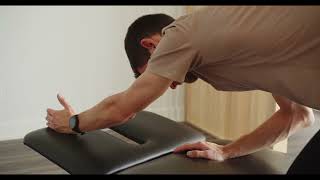
To stretch the muscles that flex the wrist, hold your arm in front of you with your palm facing up. Gently lower your fingers to stretch the front of your forearm, without straining. Work with your physical therapist to determine the appropriate duration.
To stretch the muscles that extend the wrist, place your palm facing down. Gently bend your wrist toward the floor to stretch the back of your forearm. The duration should be adjusted to your comfort level.
Circular movements of the wrist gently mobilize the joint. Perform slow circles within a comfortable range of motion, according to the agreed-upon number of repetitions.
Strengthening exercises
The ball exercise helps build grip strength. Gently squeeze a soft ball, then release it. Work with your physical therapist to determine the appropriate resistance and number of repetitions. Reduce or avoid this exercise if gripping the ball causes your finger to catch or worsens your symptoms.
Tendon glides
- Start with your hand open and your fingers straight.
- Keep the joints at the base of your fingers straight, then bend the middle and tip joints to form a hook. Your fingertips can come close to or touch your palm.
- You then bend the joints at the base of your fingers to make a fist, if this movement is permitted and tolerated.
- Open your hand, then resume the sequence according to the instructions you received, without forcing a finger that is stuck.11, 29
Start with slow, comfortable movements. Your physical therapist will specify the number of repetitions and the frequency. An exercise should be modified if it causes persistent pain or numbness.
How much does physiotherapy cost in Quebec?
The cost of private physical therapy in Quebec is set by the clinic and must be explained to you before treatment begins. Ask about the fee for the initial evaluation and the fees for follow-up sessions when you make your appointment.28 Your reimbursement will then depend on your insurance policy or the applicable public program. Check with your insurer to confirm the reimbursement percentage, the annual maximum, and the required documentation.
| Payment Type | Estimated Amount | Coverage |
|---|---|---|
| Private Clinic | Price quoted by the clinic | Direct Payment |
| Private Insurance | Premium minus the reimbursement specified in the contract | Percentage and maximum amount specific to your insurance policy |
| Commission on Standards, Equity, Occupational Health, and Safety (CNESST) | There are no charges for the care to which you are entitled under the approved claim | Eligible medical services billed to the CNESST |
| Quebec Automobile Insurance Corporation (SAAQ): In 2026, the maximum coverage is $65 per clinic visit. Any difference between this amount and the actual cost may be your responsibility. In particular, the care must be related to the accident, medically necessary, and prescribed by a doctor or a specialized nurse practitioner.30 | ||
The CNESST covers eligible medical care related to a recognized work-related injury. The healthcare provider cannot charge you for services to which you are entitled under this program.31 Ask the clinic if it accepts CNESST or SAAQ claims and what documents you need to bring.
How to prevent wrist and hand pain?
Preventing wrist and hand pain involves adapting tasks, taking breaks, and minimizing grips or positions that trigger symptoms.Ergonomics in the workplace involves adapting the workstation and tools to the individual. These adjustments can improve comfort, though they do not guarantee the absence of pain.32
Workplace Ergonomics
- You can keep your wrists aligned with your forearms while typing, without bending them too much.
- You can move the mouse closer so you can move it with your arm without keeping your wrist in an uncomfortable position.
- You can adjust your desk, chair, or keyboard to keep your forearms close to horizontal and your shoulders relaxed.32
- You can use tools with wide, padded handles.
If you work at a computer all day, our page on physical therapy for office workers explains these adjustments in detail.
Regular breaks
- Taking regular breaks allows you to change your position and relax your grip on the tools.
- Switching between different tasks reduces the length of time spent performing the same action.
- Gentle movements or comfortable stretches of the forearms can be incorporated into these breaks.32
- Maintain good strength and flexibility in your forearms and hands
Early Recognition
Numbness, unusual fatigue in the hands, or morning stiffness may warrant an evaluation if they persist or interfere with your daily activities. Seek medical attention sooner if your symptoms worsen. The timing of your visit alone does not predict your recovery.
What are the frequently asked questions about wrist and hand physiotherapy?
Frequently asked questions about physical therapy for the wrist and hand relate to surgery, working during treatment, and cortisone injections. The answers depend on the diagnosed condition.
Can physiotherapy replace surgery?
Non-surgical treatments may be sufficient for many wrist and hand problems. For thumb osteoarthritis, these treatments typically include a brace, exercises, and adjustments to daily activities. Surgery may be considered if symptoms remain bothersome despite these treatments.21 For a nerve with deteriorating function or an unstable ligament, a medical evaluation may be necessary sooner. Physical therapy also supports recovery after surgery.
Can I continue to work during my treatment?
In some cases, you may be able to continue working by adapting your tasks. The plan may temporarily reduce the grip strength required, the number of repetitive wrist movements, or the duration of a painful task. If you can no longer hold an object or if numbness worsens, have your condition reevaluated before continuing with these tasks.12, 33
Is a cortisone injection better than physiotherapy?
The benefits of a cortisone injection depend on the diagnosis. For De Quervain's disease, the 2023 review recommends an injection followed by three to four weeks of splinting.14 For carpal tunnel syndrome, an injection can relieve symptoms when a splint is not enough, but symptoms may return after a few months.12 Physical therapy helps adjust movements and activities. The injection can complement this treatment plan; it does not automatically replace all other forms of care. Discuss the benefits and risks with your healthcare team.
Ready to relieve your pain?
Many wrist and hand problems can be treated without surgery. For carpal tunnel syndrome, a splint is a common option, though its overall benefit remains uncertain.13 For De Quervain’s syndrome, injections combined with brief immobilization are among the useful options for managing pain and restoring function.14 For osteoarthritis of the base of the thumb, a 2025 review found that exercises and combined programs reduce pain compared to control groups in the short term, up to three months.34 Rigid orthoses supporting the base and first joint of the thumb provided benefits in terms of pain and function over a period of more than three to twelve months.34 The benefits considered significant for daily life therefore depended on the treatment and the timing of the assessment.
An evaluation can help you understand the possible causes of persistent pain and decide on the next steps. The plan focuses on specific activities, such as writing, cooking, or returning to your work duties.
Our physical therapists evaluate and treat problems with the muscles, tendons, and joints of the hand and wrist.
Need professional advice?
Our physical therapists can assess your condition and recommend a personalized treatment plan.
Make an appointmentReferences
- Sheerin M, O'Riordan C, Conneely M, Carey L, Ryan D, Galvin R, et al. Effectiveness of occupational therapy interventions on function and occupational performance among adults with conditions of the hand, wrist, and forearm: A systematic review and meta-analysis. Aust Occup Ther J. 2024;71(1):175-189. ↩ Back to text: 1st, 2nd citations
- Geoghegan L, Carolina M, French J, Harrison CJ, Rodrigues JN. Health-related quality of life in patients with conditions affecting the hand: a meta-analysis. Br J Surg. 2024;111(4). ↩ Back to text: 1st, 2nd citations
- OPPQ. Physical Therapy. ↩ Back to text
- Lin I, Wiles L, Waller R, Goucke R, Nagree Y, Gibberd M, et al. What does best practice care for musculoskeletal pain look like? Eleven consistent recommendations from high-quality clinical practice guidelines: a systematic review. Br J Sports Med. 2020;54(2):79-86. ↩ Back to text: 1st, 2nd citations
- Cordella M, Pellicciari L, Scopece F, Fornaro R, Giovannico G, Lanfranchi E. Evidence for exercise therapy in patients with hand and wrist tendinopathy is limited: A systematic review. J Hand Ther. 2023;36(4):940-955. ↩ Back to text: 1st, 2nd citations
- Rodgers LJ, Bialosky JE, Minick SA, Coronado RA. An overview of systematic reviews examining the hypoalgesic effects of manual therapy for musculoskeletal pain as measured by quantitative sensory testing. J Man Manip Ther. 2024;32(1):67-84. ↩ Back to text: 1st, 2nd citations
- Gardner MJ, Crisco JJ, Wolfe SW. Carpal kinematics. Hand Clin. 2006;22(4):413-20; abstract available online. ↩ Back to text
- Eschweiler J, Li J, Quack V, Rath B, Baroncini A, Hildebrand F, et al. Anatomy, Biomechanics, and Loads of the Wrist Joint. Life (Basel). 2022;12(2). ↩ Back to text: 1st, 2nd citations
- Bervoets DC, Luijsterburg PA, Alessie JJ, Buijs MJ, Verhagen AP. Massage therapy provides short-term benefits for people with common musculoskeletal disorders compared to no treatment: a systematic review. J Physiother. 2015;61(3):106-16. ↩ Back to text: 1st, 2nd citations
- Colonna S, Borghi C. Rhizarthrosis Part I: A Literature Review. Cureus. 2024;16(1):e52932. ↩ Back to text: 1st, 2nd citations
- North Tees and Hartlepool NHS Foundation Trust. Hand Therapy - Tendon Gliding Exercises - North Tees and Hartlepool NHS Foundation Trust. ↩ Back to text: 1st, 2nd references
- nhs.uk. Carpal Tunnel Syndrome. 2017. ↩ Back to text: 1st, 2nd, 3rd, 4th, 5th, 6th, 7th, 8th mentions
- Karjalainen TV, Lusa V, Page MJ, O'Connor D, Massy-Westropp N, Peters SE. Splinting for carpal tunnel syndrome. Cochrane Database Syst Rev. 2023;2(2):CD010003. ↩ Back to text: 1st, 2nd, 3rd citations
- Challoumas D, Ramasubbu R, Rooney E, Seymour-Jackson E, Putti A, Millar NL. Management of de Quervain Tenosynovitis: A Systematic Review and Network Meta-Analysis. JAMA Netw Open. 2023;6(10):e2337001. ↩ Back to text: 1st, 2nd, 3rd, 4th, 5th, 6th citations
- 10.4 Nervous System Control of Muscle Tension - Anatomy and Physiology, 2nd ed. | OpenStax. ↩ Back to text
- Tsukamoto K, Fujita K, Kuroiwa T, Norose M, Yoshii T, Nimura A. Thumb rotation patterns during the pinch grip in patients with trapeziometacarpal osteoarthritis. J Hand Surg Eur Vol. 2026;51(3):328-334. ↩ Back to text
- McVeigh KH, Kannas SN, Ivy CC, Garner HW, Barnes CS, Heckman MG, et al. Dynamic stabilization home exercise program for the treatment of thumb carpometacarpal osteoarthritis: A prospective randomized controlled trial. J Hand Ther. 2022;35(3):435-446. ↩ Back to text: 1st, 2nd citations
- Zhang Y, Niu J, Kelly-Hayes M, Chaisson CE, Aliabadi P, Felson DT. Prevalence of symptomatic hand osteoarthritis and its impact on functional status among the elderly: The Framingham Study. Am J Epidemiol. 2002;156(11):1021-7. ↩ Back to text: 1st, 2nd citations
- Ye L, Kalichman L, Spittle A, Dobson F, Bennell K. Effects of rehabilitative interventions on pain, function, and physical impairments in people with hand osteoarthritis: a systematic review. Arthritis Res Ther. 2011;13(1):R28. ↩ Back to text
- Huang L, Zhang ZY, Gao M, Wang XQ, Duan XQ, Liu ZL. The Effectiveness of Exercise-Based Rehabilitation in People With Hand Osteoarthritis: A Systematic Review With Meta-analysis. J Orthop Sports Phys Ther. 2024;54(7):457-467. ↩ Back to text: 1st, 2nd citations
- Arthritis of the Thumb - OrthoInfo - AAOS. ↩ Back to text: 1st, 2nd, 3rd references
- Wrist Sprains - OrthoInfo - AAOS. ↩ Back to text: 1st, 2nd, 3rd references
- Lunsford D, Valdes K, Hengy S. Conservative management of trigger finger: A systematic review. J Hand Ther. 2019;32(2):212-221. ↩ Back to text: 1st, 2nd, 3rd citations
- Minkhorst K, Munn A, MacDermid J, Grewal R. Does Orthosis Improve Outcomes of Conservative Treatment in Trigger Fingers? A 3-Arm Prospective Randomized Controlled Trial. Arch Phys Med Rehabil. 2025;106(12):1798-1806. ↩ Back to text: 1st, 2nd citations
- Sampson SP, Badalamente MA, Hurst LC, Seidman J. Pathobiology of the human A1 pulley in trigger finger. J Hand Surg Am. 1991;16(4):714-21. ↩ Back to text: 1st, 2nd citations
- Bleakley CM, Costello JT. Do thermal agents affect range of motion and mechanical properties in soft tissues? A systematic review. Arch Phys Med Rehabil. 2013;94(1):149-63. ↩ Back to text: 1st, 2nd citations
- Heat and cold for managing hand pain or stiffness. ↩ Back to text
- OPPQ. How does it work? ↩ Back to the text: 1st and 2nd honors
- Gateshead Health. Hand and Finger Function Exercises - Gateshead Health. ↩ Back to text
- SAAQ. Reimbursement for physical therapy. ↩ Back to text
- Pricing and Billing for Physical Therapy and Occupational Therapy. ↩ Back to text
- Office Ergonomics - Keyboard Selection and Use. ↩ Back to text: 1st, 2nd, 3rd mentions
- nhs.uk. Wrist pain. 2022. ↩ Back to text
- Thakker A, Ramchandani JP, Divall P, Sutton A, Johnson N, Dias J. What Are the Most Clinically Effective Nonoperative Interventions for Thumb Carpometacarpal Osteoarthritis? An Up-to-Date Systematic Review and Network Meta-analysis. Clin Orthop Relat Res. 2025;483(4):719-736. ↩ Back to text: 1st, 2nd citations
Our physical therapists defined the research strategy, plan, and clinical content of this article. An AI tool assisted with the literature review and text editing to ensure consistency in content and writing style.
Other conditions

Hip osteoarthritis is the normal wear and tear of the hip joint. It is often said that osteoarthritis is the wear and tear of the cartilage between our bones. That is true, but it involves more than just the cartilage. Cartilage is a tissue that acts as a cushion between the surfaces of our bones and allows our joints to glide smoothly and move fluidly.
This is normal wear and tear of the knee joint. It’s often said that osteoarthritis is the wearing down of the cartilage between our bones. That’s true, but it’s more than just the cartilage. Cartilage is a tissue that acts as a cushion between the surfaces of our bones and allows our joints to glide smoothly and move fluidly.
It is an inflammation of the subacromial bursa in the shoulder joint.
A bursa is a small, thin sac filled with fluid that is found in many of the body's joints. This small sac acts as a cushion within the joint and lubricates the structures that are subject to increased friction.
It is a tissue that surrounds the shoulder and helps keep the shoulder bone in place within the joint. The capsule helps keep the joint stable.
In both types of injury, pain is felt in the neck and then radiates into the arm, or vice versa.
It is a severe strain or tear of the muscle fibers in the groin or inner thigh.
Make an appointment now
We offer a three-pronged quality assurance approach: optimized treatment time, a second opinion from a physical therapist, and ongoing expertise to ensure effective care tailored to your needs.

Customer satisfaction is our top priority
At Physioactif, excellence guides everything we do, but our patients are the best ones to tell you about it. Take a look at their verified reviews to get a real sense of their experience.










Discover our physical therapy clinics
We have locations in several areas to better serve you.
Blainville
190 Bas-de-Sainte-Thérèse Road, Suite 110,
Blainville, Quebec
J7B 1A7
Located in Blainville, near Rosemère, the Physioactif clinic is easily accessible to residents of the area and the surrounding communities
Boucherville
690 Rue de Montbrun, Suite S,
Boucherville, Quebec
J4B 8H2
Located in Boucherville, the Physioactif clinic is easily accessible to people in the area
Laval
3224 Jean-Béraud Ave., Suite 220, Laval,
QC H7T 2S4
Located in Chomedey, in the heart of Laval, the Physioactif clinic is easily accessible to people in the area
Montreal
8801 Lajeunesse Street,
Montreal,
QC H2M 1R8
Located in Ahuntsic, near Villeray, the Physioactif clinic is easily accessible to residents of both neighborhoods
Saint-Eustache
180 25th Avenue, Suite
201 Saint-Eustache
QC J7P 2V2
Located in Saint-Eustache, the Physioactif clinic is easily accessible to residents of the area and the surrounding communities
Vaudreuil
21 Cité-des-Jeunes Boulevard, Suite 240,
Vaudreuil-Dorion, Quebec
J7V 0N3
Located in Vaudreuil-Dorion, the Physioactif clinic is easily accessible to people in the area
Make an appointment now