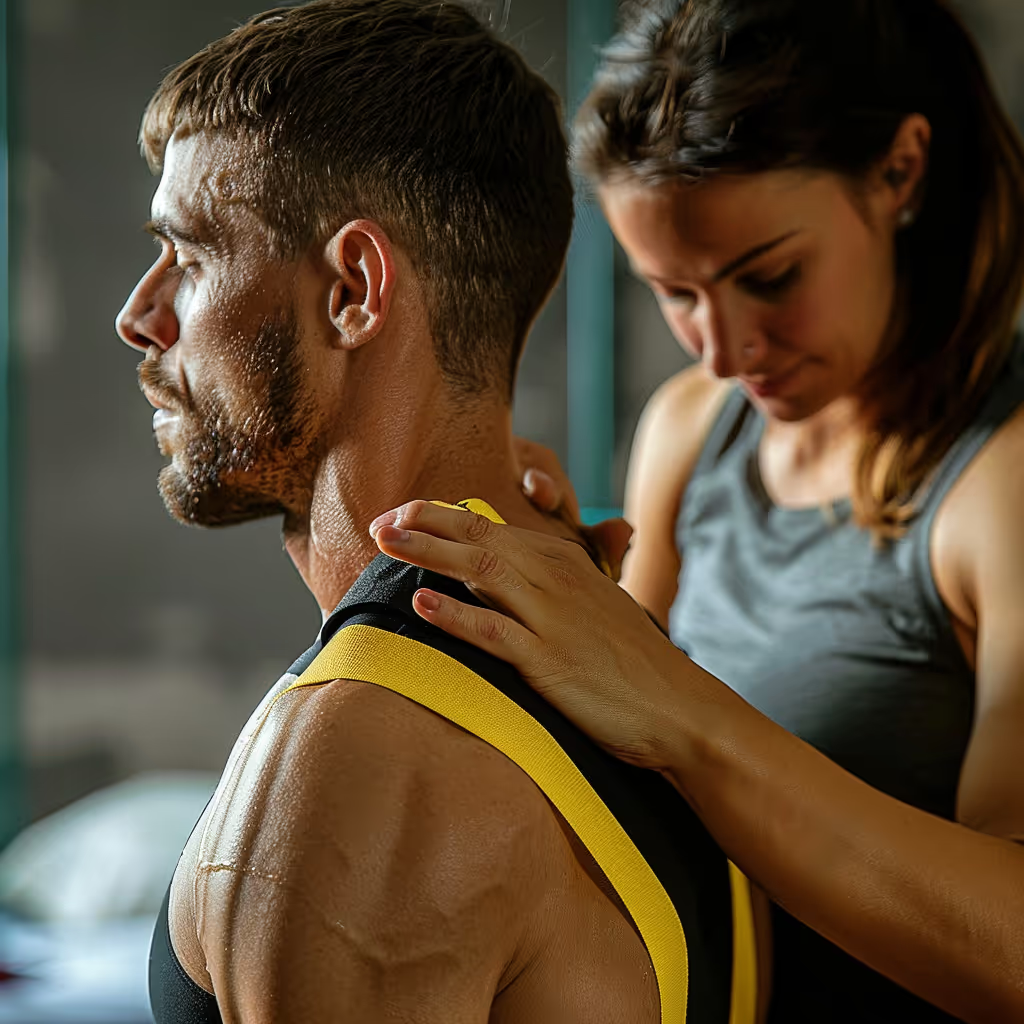
Physiotherapy for Back Pain: A Complete Guide
Physiotherapy uses a combination of manual therapy, exercise, and education to treat low back pain. Studies show that 50% to 75% of patients experience significant improvement within 4 to 8 weeks.
.png)
.png)
.png)


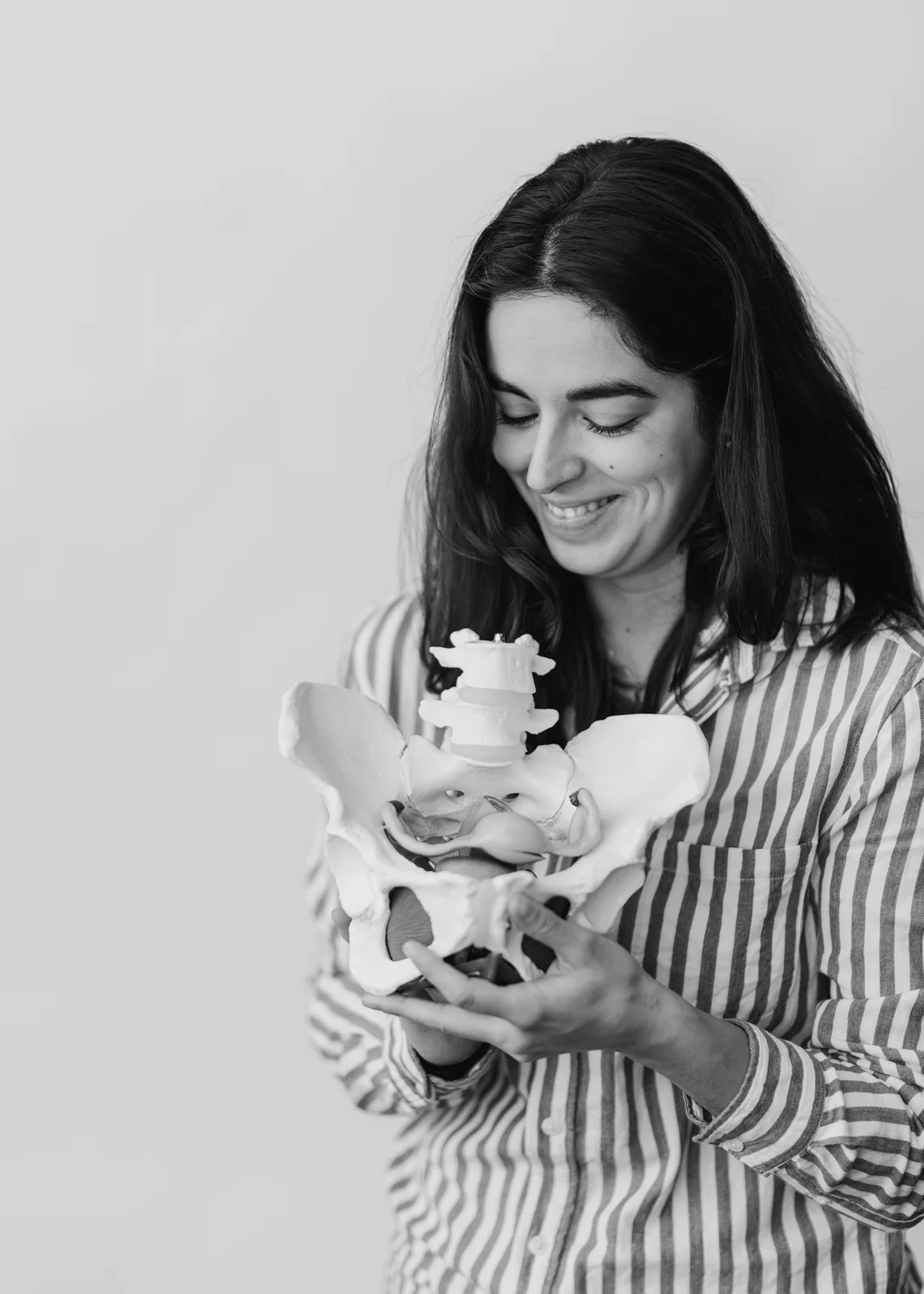
Physical therapy helps treat lower back pain through exercises, guidance, and—depending on your needs—manual therapy. The treatment aims to relieve pain and make it easier for you to do the activities that matter to you.
Low back pain refers to pain in the lower back. It is rarely caused by a serious condition, but the evaluation should look for signs that warrant medical attention.1 Physical therapy can help alleviate pain and improve your ability to perform daily activities, especially when the pain has persisted for more than three months. This is referred to as chronic pain.2
This guide outlines the available treatments, how sessions are conducted, the duration of follow-up care, and the costs to consider in Quebec. It also explains when a medical referral is required before a physical therapy appointment.
Manual therapy involves techniques performed with the hands. The exercises and explanations also provide you with ways to take action between sessions. To learn more about the role of this profession, check out our comprehensive guide to physical therapy.
10 Quick Tips to Understand Your Pain
One tip a day for 10 days to help you better understand your pain. About a 2-minute read.
To understand the different types of back pain and their causes, consult our complete guide to low back pain.
What is physiotherapy for low back pain and how does it work?
Physical therapy for lower back pain combines an assessment, exercises, explanations, and—if necessary—manual techniques to improve your daily activities and manage pain. Your physical therapist tailors these approaches to your symptoms, preferences, and goals.
Your physical therapist will assess the movements and activities that affect your symptoms. This evaluation helps determine the appropriate treatment and identify situations that require medical attention. In cases of so-called nonspecific low back pain, the evaluation does not identify a single structure responsible for the pain.3
The treatment plan may combine information, exercises, and manual therapy based on your needs. Joint mobilization and manipulation involve moving the joints with the hands. Mobilization uses controlled movements; manipulation involves a brief, rapid movement. These techniques are options that we will choose together with you.
During your sessions, you’ll try out the exercises and strategies you’ve chosen with your physical therapist. You can show them a movement you find difficult, such as bending over, standing up, or carrying an object. Your response helps them adjust the difficulty level and prepare you for practicing at home.
Your physical therapist will assess how you move, identify movements that cause pain, and test your strength and flexibility. The treatment plan also takes your daily activities into account. To understand how pain changes depending on movement and position, see our guide on how lower back pain responds to movement.
Is physiotherapy effective for treating low back pain, according to research?
Physical therapy can improve lower back pain and daily activities, particularly through exercise when the pain is chronic. A 2025 Cochrane review found that, in the short term, there was an average improvement of about 15 points out of 100 for pain and 7 points out of 100 for difficulties with activities, compared with usual care or no treatment.2 These results cover follow-up periods of up to three months and are based on evidence of moderate certainty. These are averages, not a guarantee for every individual.
Newly developed pain also often improves over time. In a review of its progression, pain and difficulties with activities decreased by about 58% in the first month and continued to decrease through three months.4 These figures describe the progression of the individuals in the study; they do not measure the specific effect of physical therapy.
A 2010 review had already found that exercise had modest benefits for chronic lower back pain.5 An analysis of 217 trials published in 2021 compares several types of exercises. Pilates, which focuses particularly on controlling trunk movements, and the McKenzie method, which adapts movements based on symptom response, are among the most effective options. Functional restoration programs, which prepare individuals to resume activities, stand out for pain relief; flexibility exercises stand out for improving the ability to perform activities.6 The choice also depends on the exercises you enjoy and are able to do. For acute pain—lasting less than six weeks—trials of exercise alone do not show a definite significant benefit compared to a sham treatment, which mimics a treatment without applying its active component. The evidence is very uncertain.7
Exercise is therefore a useful treatment for chronic pain. Manual therapy can complement the treatment plan to relieve symptoms or make it easier to perform daily activities. The choice is based on your evaluation and the progress observed, and is reassessed during follow-up visits.
Goals describe what you hope to achieve: walking longer, sleeping more comfortably, or resuming a task at work. Your physical therapist monitors your pain and these activities to see if the plan is helping you.
A herniated disc occurs when a portion of the disc protrudes beyond its normal boundaries. Discs are the cushions between the vertebrae, the bones of the spine. A herniated disc can irritate a nerve and cause pain that radiates down the leg. In a trial involving 283 people who had experienced this pain for 6 to 12 weeks, early surgery provided relief more quickly than care without immediate surgery. The results became similar after one year and remained so at two years. Approximately 44% of the group that started without surgery eventually underwent surgery within two years.8 Another study of the same 283 people with sciatica—that is, pain that follows the path of a nerve down the leg—reports a complete or nearly complete resolution of symptoms in 84% of participants at one year, across all treatment strategies combined.9 These results do not assess physical therapy alone. The choice of treatment depends, in particular, on the pain, any loss of strength or sensation, your preferences, and how the condition progresses.
What treatment techniques do physiotherapists use for low back pain?
Physical therapists use exercises, explanations about pain, a gradual return to activities, and, as needed, manual techniques to treat lower back pain. The table describes these methods and their objectives; the expected outcomes are outlined below.
| Technique | Description | Goal |
|---|---|---|
| Joint mobilizations | The physical therapist applies controlled movements to the joints of the spine. | These exercises are designed to relieve pain and make it easier to perform daily activities. |
| Massage | Massage involves applying pressure or movements to the muscles and skin. | Massage can provide short-term relief. |
| McKenzie Approach | The physical therapist assesses the response to repeated movements. Pain can sometimes radiate from the leg toward the back: this is called centralization. | This answer helps you choose which exercises you can do. |
| Therapeutic Exercises | The exercises focus on flexibility, core strength, and everyday movements. | The exercises are designed to improve your strength and your ability to perform daily activities. |
| Pain Education | The explanations describe the pain, the factors that influence it, and the test results. | These explanations will help you understand the symptoms and participate in treatment decisions. |
| Movement re-education | You gradually practice movements that have become difficult or that you dread. | Practice prepares you to resume the activities you're aiming for. |
Other techniques are used on soft tissues, such as muscles and the tissues surrounding them. The term “myofascial release” refers to manual pressure and stretching applied to these tissues. Some techniques also involve applying pressure to trigger points.
Manual therapy techniques
Spinal mobilization and manipulation may improve the ability to perform activities despite chronic low back pain. A 2019 review found a small improvement in activity levels compared with other recommended treatments, with a pain-relieving effect similar to those treatments.10 The 2026 Cochrane update found, at one month, a small improvement in daily activities compared with other non-surgical care, but little or no significant difference in pain. Compared with a sham treatment, these techniques may further improve daily activities and slightly reduce pain; however, the certainty of these findings is very low.11 Massage is the subject of separate studies. One review found short-term pain relief and improved functional activity compared with no treatment or a sham treatment, especially for pain that has lasted for several weeks or months. The certainty of these findings is low to very low.12
The McKenzie approach uses, among other things, repeated movements to observe how symptoms respond. Centralization—when symptoms move from the leg toward the back—is often associated with a favorable prognosis. It can guide the selection of exercises, but does not, on its own, confirm which structure is causing the pain.13, 14 To learn about symptom responses when bending forward or backward, see our guide on directional preferences.
Therapeutic Exercises
For chronic lower back pain, the program may include walking, flexibility exercises, and strength training. These activities address different needs: moving more easily, sustaining physical effort, or resuming a specific activity. Your physical therapist will choose the exercises based on your goals and how you respond to them.2
Muscle strengthening and endurance build strength and the ability to sustain physical effort. A workout program can target the muscles in your back, abdomen, hips, and legs. It can also help you prepare for the movements you perform every day.15
Pain science education
Pain education explains how your symptoms, movements, and circumstances may interact. It aims to foster a better understanding and shared decision-making.16 Your pain is real, and its intensity alone does not determine the severity of an injury.15 Spinal imaging results must also be interpreted in light of your symptoms. In the one-year follow-up of the sciatica trial described above, a herniated disc remained visible in 35% of participants with a favorable outcome and 33% of those with an unfavorable outcome. Magnetic resonance imaging (MRI), a test that produces detailed images of the body, was therefore unable to distinguish between these two groups on its own.9 Our Physioactif approach includes explanations tailored to your questions and goals.
Movement re-education
When pain persists, some people avoid movements that frighten them. A review found that exercise reduces this fear in people with low back pain, compared to interventions that do not include exercise. However, the certainty of this finding is very low.17 Our movement rehabilitation program provides an opportunity to discuss which movements to gradually resume. A posture analysis can help identify positions that affect your symptoms and allow you to try different adjustments.
Gradual exposure to activities
Gradual exposure involves resuming an activity in stages. For example, you can start with a light object or a short walk, then gradually increase the effort with your physical therapist. The starting point and the pace of progression are based on your symptoms and goals.
Who can see a physical therapist for lower back pain?
People whose lower back pain limits their activities can see a physical therapist to have their symptoms evaluated and to prepare for their return to normal activities. A consultation can also be helpful if you’re looking for advice on exercises or if you’re experiencing recurring pain. However, certain warning signs require immediate medical attention, such as those described below the table.
| Patient profile | Options to discuss | Guidelines for Monitoring |
|---|---|---|
| Recent pain, lasting less than three months | The plan may include tips for staying active and relearning difficult movements. | Improvement is often most noticeable during the first few weeks; follow-up is adjusted based on progress. |
| Chronic pain lasting more than three months | Exercises and education focus on pain and daily activities. | The plan adapts to your abilities and goals, even if your pain fluctuates. |
| Medication Preferences | Physical therapy offers non-drug treatment options that can be coordinated with your other care. | Decisions about medications are made in consultation with the prescribing physician or pharmacist. |
| Objectives Related to Future Activities | These exercises will help you prepare for the tasks, sports, or recreational activities you want to resume. | Continuing the program after improvement can reduce the risk of future episodes. |
Acute lower back pain often improves within the first few weeks.18 A consultation can help you plan your return to activities. In a trial involving recent pain without symptoms extending below the knee, four early sessions of physical therapy resulted in a small improvement in functional activity at three months compared with usual care. This improvement remained below the threshold considered clinically significant, with no difference in pain between the groups.19
Persistent pain may be associated with several factors. More severe initial pain, difficulties with daily activities, distress, and negative expectations are among the factors linked to a less favorable course of recent pain. These associations do not prove that any single factor alone causes persistence.20 Our program for persistent pain combines explanations about pain, movement exercises, and strategies for managing symptoms in daily life.
Medications and physical therapy can complement each other. Your symptoms, other health issues, and personal preferences will guide your choices. Talk to your doctor or pharmacist before changing any medication.
Once you’ve recovered, exercises can help you maintain your daily activities and reduce the risk of future episodes. The frequency and content of the program are tailored to your needs; details on prevention are provided in the section on home exercises.
If you have back pain, go to the emergency room immediately if you experience any of the following symptoms:21, 15
- You are experiencing a new difficulty urinating or a new loss of bladder or bowel control.
- You lose sensation around your genitals, anus, or between your legs.
- You are experiencing pain, tingling, loss of sensation, or weakness in both legs, or weakness that is rapidly worsening.
- You notice a new change in genital sensitivity during sexual intercourse, in your erection, or in your ability to reach orgasm.
- You also have chest pain, or your back pain began after a serious accident.
Do not drive yourself to the emergency room; have someone drive you or call 911. Seek medical attention promptly on the same day if you have a fever, chills, a feeling of being too hot or too cold, or general malaise accompanied by back pain. Severe pain that comes on suddenly or worsens rapidly also requires urgent medical attention. Unexplained weight loss, unusual nighttime pain, or a history of cancer should be reported to your doctor.
What happens during physiotherapy sessions for low back pain?
A physical therapy session for lower back pain includes a discussion of your symptoms, an examination or reassessment, and then the treatment and exercises agreed upon with you. The content and duration depend on the type of appointment and your needs.
The details and duration of the appointment are specified at the time of booking. Tele-rehabilitation allows for remote monitoring via video or digital tools. A review of eight studies on chronic low back pain found no statistically significant difference in pain or difficulty with daily activities compared to conventional care. However, the small number of studies and their differences make it impossible to conclude that the results are equivalent in all situations.22 Another review of ten trials describes several favorable outcomes for remote programs, but the programs and comparison groups vary widely.23 Your physical therapist will determine whether remote follow-up is appropriate or if an in-person examination is necessary.
You can ask why a particular exercise or technique is recommended and point out any changes between sessions. These discussions allow you to work with your physical therapist to choose the right treatments and adjust your treatment plan.
What happens during your first physiotherapy assessment?
Your initial evaluation includes questions about your pain, an assessment of your range of motion, and tests tailored to your specific situation. The physical therapist will assess your strength, flexibility, and any signs that may require medical attention. Together, you’ll establish a baseline and develop a treatment plan. For more details, see our guide on what to expect during a physical therapy evaluation.
The consultation begins by discussing the circumstances surrounding the onset of your pain. Your physical therapist will ask you where it hurts, what makes the symptoms worse or better, and what treatments you’ve already tried. Also describe the activities that have become difficult and those you’d like to resume.
The physical examination follows this discussion. Your physical therapist observes your various positions and ways of moving. He or she asks you to perform certain movements to see which ones cause or relieve pain. He or she may also test the strength of your core and hips. Observation alone is not enough to identify the cause.
Based on the assessment, your physical therapist will formulate a physical therapy diagnosis, which describes the problem and its impact on your abilities. The plan outlines the recommended interventions, goals, frequency of sessions, and when to reassess your progress. The initial estimated duration may be adjusted based on your progress.
How do follow-up sessions advance your treatment?
Follow-up sessions are used to compare your symptoms and activities at the start of treatment and then adjust the treatment plan. Our article on how physical therapy treatment works describes the possible components of a session.
Your physical therapist will ask you what you've tried between sessions. Progress can be measured by how long you can walk, how easily you can get up, or your ability to resume a particular task. The therapist will also assess any lingering pain or difficulties.
An improvement immediately after an exercise or manual therapy session provides an initial indication. Your physical therapist also checks to see if this improvement subsequently helps you with your daily activities. Based on your response, they may adjust the difficulty, the number of exercises, or the choice of technique.
The plan evolves with your needs. It may focus more on learning at first, and then shift to resuming daily activities or sports. The sequence remains tailored to your situation and the agreed-upon goals.
How long does physiotherapy treatment for low back pain last?
The duration of physical therapy treatment for lower back pain depends on how long the symptoms have been present, the activities you need to resume, and the progress you’ve made. The physical therapist will propose a treatment plan after the evaluation and then review it with you.
Recent pain often improves, especially during the first six weeks of treatment. Pain that has already been persistent tends to improve more slowly. These observations describe how pain changes over time, not the number of sessions required.18
In some people with chronic pain, the nervous system reacts more strongly to painful stimuli. Studies have found small to moderate differences in certain tests, but these results do not allow us to identify this phenomenon in every individual. There is no single gold-standard test in humans to confirm central sensitization—that is, increased reactivity of the brain and spinal cord circuits that transmit nerve signals along the spinal column.24, 25 These possibilities are evaluated in the context of your overall situation; they do not determine the duration of treatment.
The frequency of your at-home exercises depends on your goals, your tolerance, and your schedule. Let us know about any obstacles that make it difficult for you to do them so we can adjust the program. Your progress doesn't depend solely on your participation.
If you don't see any improvement after a few sessions, talk to your physical therapist to reassess the treatment plan. For more information, see our article on "What if I don't feel any improvement from physical therapy?"
Does physiotherapy for back pain hurt during treatment?
Physical therapy for back pain can sometimes cause tenderness or a temporary increase in pain, especially after a manual therapy session or exercise. The treatment should be adjusted or stopped depending on how you feel.
Muscle strain, stretching, and sharp pain all feel different. Describe the sensation to your physical therapist. If the pain becomes severe, unusual, spreads further, or is accompanied by new symptoms, stop the activity and have the situation reevaluated.
Your physical therapist will explain the goal, potential benefits, risks, and other options before performing a technique. You’ll decide together with your therapist whether you’d like to try it. The intensity and position can be adjusted to suit your comfort level.
Studies on manual therapy for the spine mainly describe temporary reactions, such as tenderness, stiffness, or increased pain.10 Reporting of adverse effects remains incomplete in clinical trials, which limits risk assessment.11 Severe, unusual, persistent, or worsening pain should be reported so that the treatment plan can be reviewed. The urgent signs described above require immediate medical attention.
You can refuse treatment or withdraw your consent at any time, even if the treatment does not cause pain. The physical therapist must provide you with the information you need to make a free and informed choice.26
10 Quick Tips to Understand Your Pain
One tip a day for 10 days to help you better understand your pain. About a 2-minute read.
What is the difference between physiotherapy and chiropractic for back pain?
Physical therapy and chiropractic care differ in terms of training and scope of practice, but both professions may use manual therapy, exercises, and advice to treat back pain. The specific details of the treatment plan depend on your condition and the professional you consult.27, 28
| Aspect | Physiotherapy | Chiropractic |
|---|---|---|
| Training | The current training program in Quebec leads to a master’s degree in physical therapy. Physical therapists must be members of the Quebec Professional Order of Physical Therapy (OPPQ). | The program in Quebec leads to a five-year undergraduate doctorate in chiropractic. Chiropractors must be members of their professional association. |
| Scope of Practice | Physical therapy assesses and treats physical problems related to the muscles, joints, and nervous system, among other things. | Chiropractic care assesses and treats, among other things, disorders of the muscles, joints, and nerves. |
| Manual techniques | The physical therapist may use mobilization techniques; an OPPQ certification is required for manipulations. | Chiropractors primarily use joint manipulations, known as adjustments. |
| Location of the exercise | A physical therapist can prescribe and teach exercises tailored to your abilities. | A chiropractor may recommend exercises tailored to your condition. |
| Advice and Follow-Up | Follow-up care may include advice on activities, lifestyle habits, and pain management. | Follow-up care may include advice on lifestyle habits, daily activities, and body positions. |
The Quebec Professional Order of Physiotherapy (OPPQ) regulates the practice of physical therapists. A master’s degree is required under the current Canadian curriculum; prior to 2009, a bachelor’s degree also provided access to the profession.27 The undergraduate doctorate in chiropractic takes five years to complete in Quebec.29 These different educational paths alone do not allow you to predict your outcome.
In both cases, explain your problem, your concerns, and your goals. Ask how the healthcare professional will adjust your care if a certain activity remains difficult or if your pain changes.
In physical therapy, joint manipulations require a training certificate issued by the OPPQ. A specific certificate covers spinal manipulations.30 You can ask which technique is being offered, for what purpose, and what other options are available.
A treatment plan may combine exercises, advice, and hands-on techniques. Ask what role your at-home practice will play and how your progress will be assessed. The name of the profession alone does not describe the treatment plan you will receive.
When making your choice, verify that the professional is licensed and ask questions about the options, risks, and expected outcomes. A professional should also be able to recognize situations that require referral to other care providers.
How much does physiotherapy for low back pain cost in Quebec?
The cost of private physical therapy for lower back pain depends on the clinic’s rates, the type of appointment, and the number of sessions. Ask about the cost of the initial evaluation, follow-up visits, and any other potential fees before you begin. The amount you’ll have to pay out of pocket then depends on your insurance or your eligibility for a public health plan.31
| Coverage type | Terms and conditions to be reviewed | Source to consult |
|---|---|---|
| Private Insurance | Check the reimbursement percentage, the annual limit, and the required documents. | Your insurance policy specifies the terms and conditions. |
| Commission on Standards, Equity, Occupational Health, and Safety (CNESST) | The CNESST covers the physical therapy services to which you are entitled under your approved claim. | The clinic and the CNESST can confirm which services are authorized. |
| Quebec Automobile Insurance Corporation (SAAQ) | Reimbursement requires, among other things, a connection to the accident, a medical prescription, and treatment by a member of the OPPQ. | The SAAQ specifies the conditions and the maximum reimbursement amount. |
Private Insurance Coverage
Your policy specifies the reimbursement percentage and the applicable limits. Also check whether your insurer requires a referral. In the private sector, a referral is not required to see a physical therapist, but it may be required for reimbursement.31
CNESST Coverage
The Commission on Standards, Equity, Health, and Occupational Safety (CNESST) may cover treatment for a recognized work-related injury. The provider must be licensed and comply with the required documentation, including a prescription. The provider cannot charge you for physical therapy services to which you are entitled under this case.32 Check the terms and conditions with the clinic and the person handling your case. Learn about our CNESST workers’ compensation program.
SAAQ Coverage
The Société de l’assurance automobile du Québec (SAAQ) reimburses certain physical therapy treatments related to a traffic accident. The treatments must be medically necessary, prescribed by a doctor or a specialized nurse practitioner, and provided by a member of the OPPQ. These nurse practitioners have advanced training and are authorized, among other things, to prescribe certain treatments. The SAAQ webpage, updated on December 22, 2025, specifies a maximum of $65 per session at a private clinic, or $75 for in-home visits when the injuries warrant it. This is a maximum reimbursement amount, not the rate charged to clinics.33 The SAAQ requires a prescription and receipts. Confirm the terms of your case. Our SAAQ Road Accident Program outlines the support provided by the clinic.
How do you plan for the cost of follow-up care?
Ask for an estimate of the cost of the evaluation and any planned follow-up care, then compare it with your reimbursement amount. Pain can also lead to expenses or lost income related to daily activities and work. A follow-up appointment scheduled with your physical therapist provides an opportunity to discuss your progress, the frequency of visits, and your budget.
How to choose the right physiotherapist for my back pain?
When choosing a physical therapist for your back, consider whether they are registered with the OPPQ, have relevant experience, and can explain a treatment plan tailored to your goals. Verify their registration and ask how they will assess your condition, suggest treatment options, and monitor your progress.
Ask the physical therapist if they regularly work with people who have a problem similar to yours. Describe your needs, whether they involve returning to physical work, a sport, or daily activities. This discussion will help you determine whether their area of expertise aligns with your situation.
For detailed advice on choosing a physical therapist, check out our comprehensive resource: Find Your Perfect Physical Therapist in 4 Easy Steps. You can also learn how to recognize quality physical therapy care by reviewing our guide on How to Know If You’re Receiving Good Physical Therapy.
You can also ask what other options are available if you're not satisfied with the first plan. A clear plan specifies what you'll do during your sessions, what exercises you can do at home, and when your progress will be reassessed.
Can I do physiotherapy exercises at home for my back pain?
You can do physical therapy exercises at home to help with your back pain by choosing movements that are appropriate for your situation. Your physical therapist can teach you the exercises and specify how often to do them, how many repetitions to perform, and any adjustments you should make based on your symptoms.
Home exercises allow patients to continue their training between sessions. In an analysis of trials on chronic lower back pain, groups that adhered more closely to their exercise program tended to achieve better outcomes. Groups that completed the largest proportion of their exercise program fared better than non-exercising groups in terms of pain and functional activity. However, the differences directly associated with the level of participation were generally small, and other differences between studies may have played a role.34 This result does not allow us to attribute your progress solely to your own effort.
An assessment can help you choose exercises and adjust their progression. If a movement makes the pain worse, stop doing it and seek advice. A program you find online may not necessarily be suitable for your situation.21
Exercises can improve flexibility, core and hip strength, or help with everyday movements. Ourexercise programfor stabilizing muscles focuses specifically on the muscles involved in maintaining and controlling the core. This option is selected based on the assessment.
Continuing exercise after treatment may reduce the risk of new episodes. A Cochrane review found that the recurrence rate—that is, the rate of new episodes—was about half as high at one year compared with no intervention, with moderate certainty. The optimal program content and the outcome for an individual remain less certain.35
Should I start physiotherapy for my lower back pain now?
You can now see a physical therapist if lower back pain is limiting your activities, persists, or is causing you concern. However, the warning signs described above require immediate medical evaluation. Recent pain that is improving may also be managed with guidance and a gradual return to activities.
The value of early follow-up depends on the problem. For recent low back pain without pain extending below the knee, the trial described above found a small improvement in functional activities, but no clear improvement in pain.19 In another trial involving 220 people with sciatica for less than 90 days, adding four weeks of physical therapy to education resulted in greater improvement in functional activity at six months than education alone. The average improvement was 5.4 points out of 100. A favorable difference persisted at one year, with reduced back pain as well, but no clear difference in days of work missed or use of healthcare services.36
When pain persists, some people reduce their activities or change the way they move. The assessment helps identify which movements to resume and what adjustments are helpful—for example, a less strenuous task or taking breaks during prolonged activities.
Physical therapy offers treatment without surgery. Exercises have proven benefits for chronic lower back pain, but some symptoms may also require medical advice or other treatments. The treatment plan can be coordinated with the healthcare professionals who are treating you.
The assessment describes your symptoms, the activities you find difficult, and the signs that warrant medical attention. This information helps set goals and identify options. The physical therapist also explains what remains unclear.
Contact the clinic to inquire about availability and rates. During your first visit, describe your symptoms, the activities you find difficult, and your goals. For more information, visit our page on back pain management.
Your physical therapist will work with you to adjust the plan based on your symptoms, your limitations, and the activities you need to resume. Slow or inconsistent progress does not mean you haven’t been trying hard enough.
Need professional advice?
Our physical therapists can assess your condition and recommend a personalized treatment plan.
Make an appointmentReferences
Links open in a new tab.
- Reginato LS, Machado GC, Maher CG, Grande GHD, Vidal RVC, Oliveira CB. Prevalence of serious spinal pathologies and nonspinal conditions in low back pain: a systematic review and meta-analysis. Pain Med. 2026;27(1):43-52. (Back to section: 1)
- Rizzo RR, Cashin AG, Wand BM, Ferraro MC, Sharma S, Lee H, et al. Non-pharmacological and non-surgical treatments for low back pain in adults: an overview of Cochrane reviews. Cochrane Database Syst Rev. 2025;3(3):CD014691. (Back to sections: 1, 2, 3)
- Maher C, Underwood M, Buchbinder R. Non-specific low back pain. Lancet. 2017;389(10070):736-747. (Back to section: 1)
- Pengel LH, Herbert RD, Maher CG, Refshauge KM. Acute low back pain: systematic review of its prognosis. BMJ. 2003;327(7410):323. (Back to section: 1)
- van Middelkoop M, Rubinstein SM, Verhagen AP, Ostelo RW, Koes BW, van Tulder MW. Exercise therapy for chronic nonspecific low-back pain. Best Pract Res Clin Rheumatol. 2010;24(2):193-204. (Back to section: 1)
- Hayden JA, Ellis J, Ogilvie R, Stewart SA, Bagg MK, Stanojevic S, et al. Some types of exercise are more effective than others in people with chronic low back pain: a network meta-analysis. J Physiother. 2021;67(4):252-262. (Back to section: 1)
- IJzelenberg W, Oosterhuis T, Hayden JA, Koes BW, van Tulder MW, Rubinstein SM, et al. Exercise therapy for the treatment of acute nonspecific low back pain. Cochrane Database Syst Rev. 2023;8(8):CD009365. (Back to section: 1)
- Peul WC, van den Hout WB, Brand R, Thomeer RT, Koes BW, Leiden-The Hague Spine Intervention Prognostic Study Group. Prolonged conservative care versus early surgery in patients with sciatica caused by lumbar disc herniation: two-year results of a randomized controlled trial. BMJ. 2008;336(7657):1355-8. (Back to section: 1)
- el Barzouhi A, Vleggeert-Lankamp CL, Lycklama à Nijeholt GJ, Van der Kallen BF, van den Hout WB, Jacobs WC, et al. Magnetic resonance imaging in the follow-up assessment of sciatica. N Engl J Med. 2013;368(11):999-1007. (Back to sections: 1, 2)
- Rubinstein SM, de Zoete A, van Middelkoop M, Assendelft WJJ, de Boer MR, van Tulder MW. Benefits and harms of spinal manipulative therapy for the treatment of chronic low back pain: systematic review and meta-analysis of randomized controlled trials. BMJ. 2019;364:l689. (Back to sections: 1, 2)
- de Zoete A, Innocenti T, Petrozzi MJ, van Middelkoop M, Assendelft WJ, de Boer MR, et al. Spinal manipulative therapy for adults with chronic low back pain. Cochrane Database Syst Rev. 2026;1(1):CD008112. (Back to sections: 1, 2)
- Furlan AD, Giraldo M, Baskwill A, Irvin E, Imamura M. Massage for low-back pain. Cochrane Database Syst Rev. 2015;2015(9):CD001929. (Back to section: 1)
- May S, Aina A. Centralization and directional preference: a systematic review. Man Ther. 2012;17(6):497-506. (Back to section: 1)
- Berthelot JM, Delecrin J, Maugars Y, Passuti N. The role of the centralization phenomenon in the diagnosis, prognosis, and treatment of diskogenic low back pain. Joint Bone Spine. 2007;74(4):319-23. (Back to section: 1)
- Cambridge University Hospitals. Back pain. (Back to sections: 1, 2, 3)
- Adenis N, Gosselin K, Stetsenko N, Thevenon A. Clarification of the “pain neuroscience education” concept in the management of patients with persistent low back pain: A scoping review. J Back Musculoskelet Rehabil. 2023;36(5):995-1010. (Back to section: 1)
- Hanel J, Owen PJ, Held S, Tagliaferri SD, Miller CT, Donath L, et al. Effects of Exercise Training on Fear-Avoidance in Pain and Pain-Free Populations: Systematic Review and Meta-analysis. Sports Med. 2020;50(12):2193-2207. (Back to section: 1)
- Wallwork SB, Braithwaite FA, O'Keeffe M, Travers MJ, Summers SJ, Lange B, et al. The clinical course of acute, subacute, and persistent low back pain: a systematic review and meta-analysis. CMAJ. 2024;196(2):E29-E46. (Back to sections: 1, 2)
- Fritz JM, Magel JS, McFadden M, Asche C, Thackeray A, Meier W, et al. Early Physical Therapy vs. Usual Care in Patients With Recent-Onset Low Back Pain: A Randomized Clinical Trial. JAMA. 2015;314(14):1459-67. (Back to sections: 1, 2)
- Otero-Ketterer E, Peñacoba-Puente C, Ferreira Pinheiro-Araujo C, Valera-Calero JA, Ortega-Santiago R. Biopsychosocial Factors for Chronicity in Individuals with Nonspecific Low Back Pain: An Umbrella Review. Int J Environ Res Public Health. 2022;19(16). (Back to section: 1)
- nhs.uk. Back pain. 2017. (Back to sections: 1, 2)
- Alahmri F, Nuhmani S, Muaidi Q. Effectiveness of Telerehabilitation for Chronic Low Back Pain: A Systematic Review and Meta-Analysis. Int J Med Inform. 2026;206:106174. (Back to section: 1)
- Şimşek A, Ülger Ö. Effectiveness of telerehabilitation exercises for low back pain: a systematic review. Ir J Med Sci. 2025;194(5):1903-1913. (Back to section: 1)
- Schuttert I, Timmerman H, Petersen KK, McPhee ME, Arendt-Nielsen L, Reneman MF, et al. The Definition, Assessment, and Prevalence of (Human-Assumed) Central Sensitization in Patients with Chronic Low Back Pain: A Systematic Review. J Clin Med. 2021;10(24). (Back to section: 1)
- McPhee ME, Vaegter HB, Graven-Nielsen T. Alterations in pronociceptive and antinociceptive mechanisms in patients with low back pain: a systematic review with meta-analysis. Pain. 2020;161(3):464-475. (Back to section: 1)
- Quebec Order of Physiotherapists. Free, Informed, and Ongoing Consent to Physiotherapy Care. Info Déonto. 2025. (Back to section: 1)
- OPPQ. The two professions. (Back to sections: 1, 2)
- Quebec Order of Chiropractors. What is its role? - Quebec Order of Chiropractors. (Back to section: 1)
- Quebec Order of Chiropractors. Pursuing a Degree in Chiropractic - Quebec Order of Chiropractors. (Back to section: 1)
- OPPQ. Regulation Governing a Training Program for Physical Therapists to Perform Spinal and Joint Manipulations. (Back to section: 1)
- OPPQ. How does it work? (Back to sections: 1, 2)
- Pricing and Billing for Physical Therapy and Occupational Therapy. (Back to section: 1)
- SAAQ. Reimbursement for physical therapy. (Back to section 1)
- Jones MD, Hansford HJ, Bastianon A, Gibbs MT, Gilanyi YL, Foster NE, et al. Exercise adherence is associated with improvements in pain intensity and functional limitations in adults with chronic nonspecific low back pain: a secondary analysis of a Cochrane review. J Physiother. 2025;71(2):91-99. (Back to section: 1)
- Choi BK, Verbeek JH, Tam WW, Jiang JY. Exercises for the prevention of recurrent low back pain. Cochrane Database Syst Rev. 2010;2010(1):CD006555. (Back to section: 1)
- Fritz JM, Lane E, McFadden M, Brennan G, Magel JS, Thackeray A, et al. Physical Therapy Referral From Primary Care for Acute Back Pain With Sciatica: A Randomized Controlled Trial. Ann Intern Med. 2021;174(1):8-17. (Back to section: 1)
Videos in this category
Other conditions

Hip osteoarthritis is the normal wear and tear of the hip joint. It is often said that osteoarthritis is the wear and tear of the cartilage between our bones. That is true, but it involves more than just the cartilage. Cartilage is a tissue that acts as a cushion between the surfaces of our bones and allows our joints to glide smoothly and move fluidly.
This is normal wear and tear of the knee joint. It’s often said that osteoarthritis is the wearing down of the cartilage between our bones. That’s true, but it’s more than just the cartilage. Cartilage is a tissue that acts as a cushion between the surfaces of our bones and allows our joints to glide smoothly and move fluidly.
It is an inflammation of the subacromial bursa in the shoulder joint.
A bursa is a small, thin sac filled with fluid that is found in many of the body's joints. This small sac acts as a cushion within the joint and lubricates the structures that are subject to increased friction.
It is a tissue that surrounds the shoulder and helps keep the shoulder bone in place within the joint. The capsule helps keep the joint stable.
Neck pain is a general term used to describe pain in the neck that has no specific cause, such as an accident or a sudden awkward movement. Neck pain is therefore synonymous with “my neck hurts, and nothing in particular happened.”
In both types of injury, pain is felt in the neck and then radiates into the arm, or vice versa.
Make an appointment now
We offer a three-pronged quality assurance approach: optimized treatment time, a second opinion from a physical therapist, and ongoing expertise to ensure effective care tailored to your needs.

Customer satisfaction is our top priority
At Physioactif, excellence guides everything we do, but our patients are the best ones to tell you about it. Take a look at their verified reviews to get a real sense of their experience.









Discover our physical therapy clinics
We have locations in several areas to better serve you.
Blainville
190 Bas-de-Sainte-Thérèse Road, Suite 110,
Blainville, Quebec
J7B 1A7
Located in Blainville, near Rosemère, the Physioactif clinic is easily accessible to residents of the area and the surrounding communities
Boucherville
690 Rue de Montbrun, Suite S,
Boucherville, Quebec
J4B 8H2
Located in Boucherville, the Physioactif clinic is easily accessible to people in the area
Laval
3224 Jean-Béraud Ave., Suite 220, Laval,
QC H7T 2S4
Located in Chomedey, in the heart of Laval, the Physioactif clinic is easily accessible to people in the area
Montreal
8801 Lajeunesse Street,
Montreal,
QC H2M 1R8
Located in Ahuntsic, near Villeray, the Physioactif clinic is easily accessible to residents of both neighborhoods
Saint-Eustache
180 25th Avenue, Suite
201 Saint-Eustache
QC J7P 2V2
Located in Saint-Eustache, the Physioactif clinic is easily accessible to residents of the area and the surrounding communities
Vaudreuil
21 Cité-des-Jeunes Boulevard, Suite 240,
Vaudreuil-Dorion, Quebec
J7V 0N3
Located in Vaudreuil-Dorion, the Physioactif clinic is easily accessible to people in the area
Make an appointment now