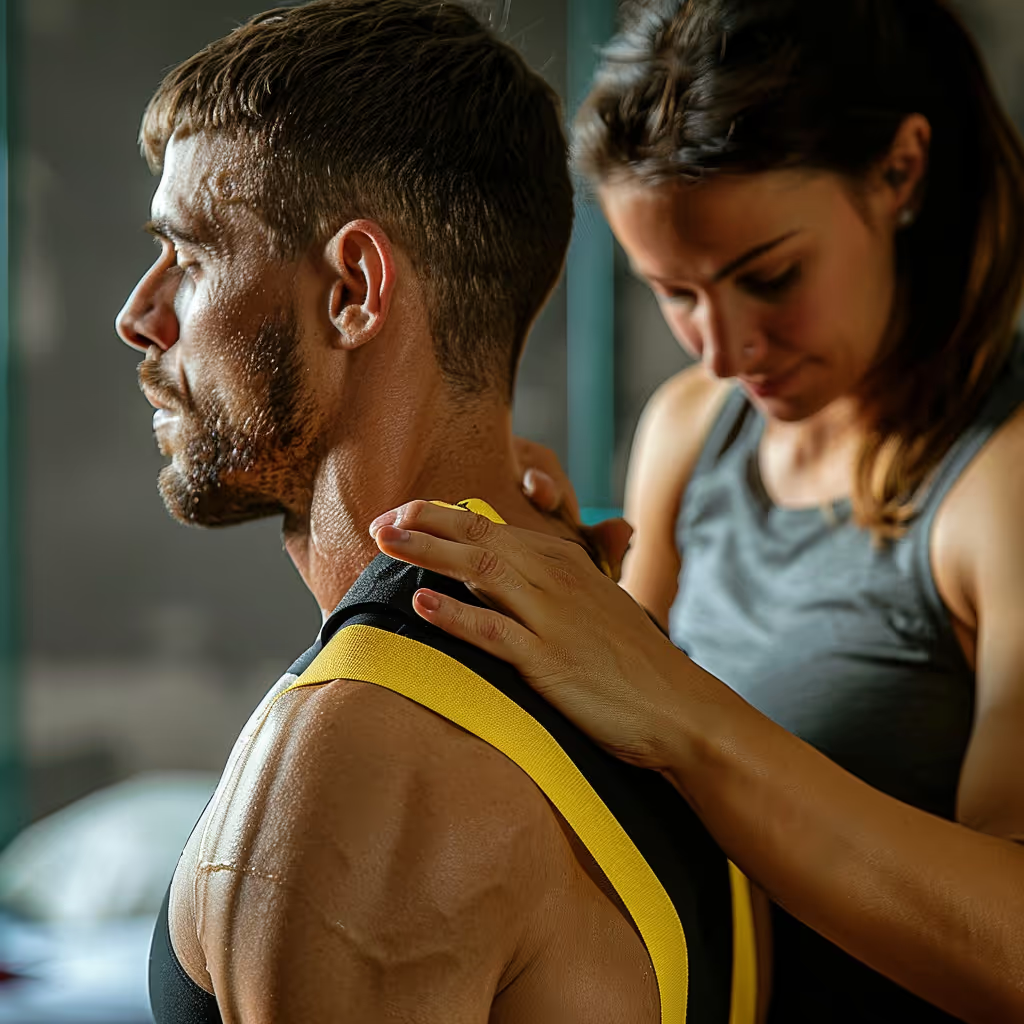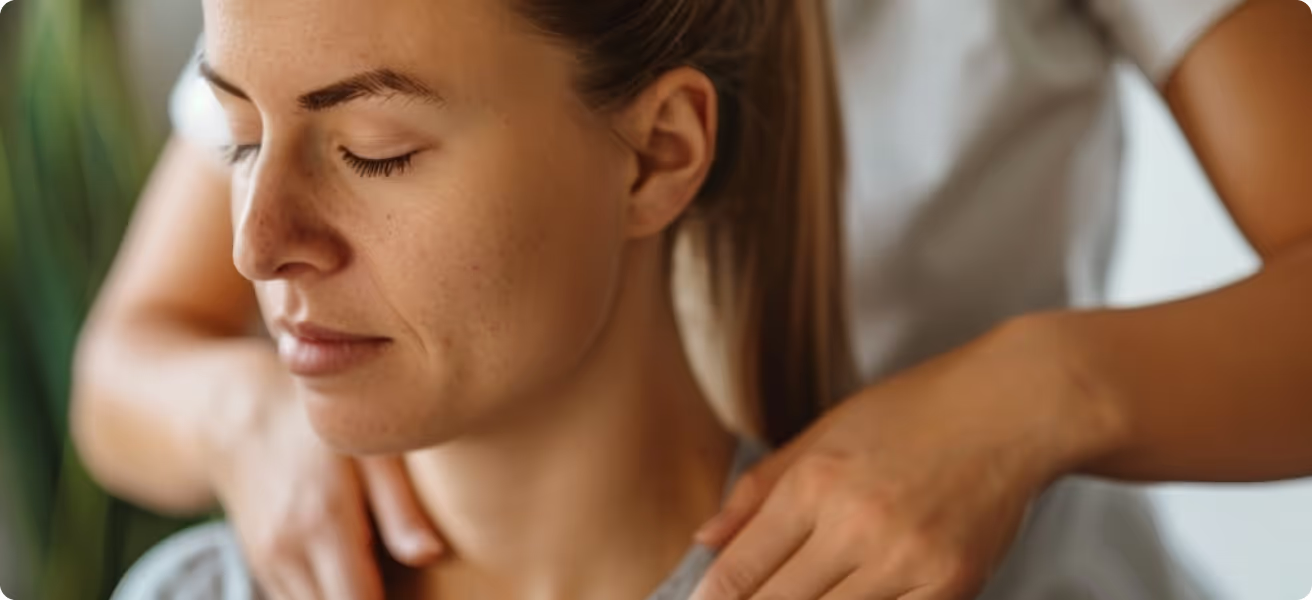


Who do we treat in physical therapy—from newborns to the elderly?
Physioactif treats children, adolescents, adults, and seniors. Our services also support pregnant women, new mothers, athletes, and workers. Physical therapy can begin at birth and continue past the age of 100. Our physical therapists tailor their care to your growth, your activities, or your desire to maintain your independence.
For children and adolescents, this support takes the form of a Physical Therapy for Children and Adolescents that tracks every stage of growth.Each stage of life comes with different needs. A teenager recovering from a sprain—an injury to the ligaments that connect bones—doesn’t have the same goals as a new mother. The latter may want to regain her core strength. An office worker may primarily want to relieve neck pain. Our assessment takes into account your goals, your abilities, and your daily life.
At Physioactif, we tailor your treatment plan based on your evaluation. A study of 2,598 treatment episodes found that treatments varied depending on the condition and the stage of recovery[1]1. This observation describes current practices; it does not compare their effectiveness. Other research provides guidance for specific needs: exercise programs reduce falls among older adults[2]. During pregnancy, recommendations for pelvic pain include explanations, reassuring advice, and exercises tailored to each individual[3].
This guide will help you understand how physiotherapy can assist you, regardless of your age, physical condition, or life situation.
10 Quick Tips to Understand Your Pain
One tip a day for 10 days to help you better understand your pain. About a 2-minute read.
How does physiotherapy adapt to each stage of life?
Physical therapy tailors the assessment, exercises, and goals to your age and abilities. For children, the treatment plan takes growth into account. For adults, it incorporates work and leisure activities. For older adults, it may focus primarily on walking, balance, and independence. Your overall health and rate of recovery are also important factors.
Children and Adolescents (0-18 years)
Children and adolescents seek pediatric physical therapy for pain associated with growth, sports injuries, or difficulty maintaining certain positions. A delay in motor development means that a child is slow to learn certain movements, such as sitting up or walking. Problems with the brain or nerves may also require treatment.
In children, the areas where bones grow are particularly susceptible to injury. The assessment and the amount of exercise prescribed take this growth into account[4]4. During growth spurts, some young people experience pain in their back, knees, or ankles. The physical therapist assesses the symptoms, activities, and recent changes in training. Pain alone does not necessarily indicate a muscular imbalance.
For young athletes, the American Medical Society for Sports Medicine recommends adapting training to their growth, allowing for rest, and varying activities. These recommendations are intended to minimize injuries caused by repetitive strain and exhaustion[5]. Some physical conditioning programs reduce injuries, but no single strategy can prevent all recurrences. The assessment takes into account the current injury, the amount of training, and the demands of the sport.
Common issues treated in young people:
- Osgood-Schlatter Disease (Knee Pain During Growth)
- Sever's disease (heel pain)
- Repeated Ankle Sprains
- Back Pain in Growing Adolescents
- Congenital torticollis: neck stiffness that appears early in infancy, causing the infant to keep the head tilted to one side.
- Motor delays (not walking at the expected age)
Sessions are tailored to the child’s developmental level. We use play to teach exercises to the youngest children. Parents participate in rehabilitation—that is, in the care aimed at developing or restoring the skills needed for daily life. With adolescents, we explain the purpose of each intervention to support their independence and active participation.
Active Adults (18-65 years old)
Adults seek medical care following a work-related injury, a traffic accident, or a sports injury. Chronic pain—which lasts longer than three months—can also interfere with their daily activities.
Adults often have to balance work, family, and social life. Musculoskeletal problems affect the muscles, bones, joints, or tendons. A tendon connects a muscle to a bone. Physical exertion at work can contribute to these problems6. In Quebec, the Institute of Statistics also publishes data on occupational injuries—that is, work-related injuries or illnesses—among young people aged 29 and under[7].
At Physioactif, we accept claims from the CNESST for work-related injuries and from the Société de l’assurance automobile du Québec (SAAQ) for traffic accidents. The CNESST prohibits charging workers for services covered by their plan. The SAAQ reimburses eligible treatments up to a maximum amount. As a result, you may still have a balance to pay. Before receiving treatment, check with the clinic to confirm the required documents, the eligibility of your case, and any potential costs.
The most common pains among active adults include:
- Back pain: Lumbago refers to pain in the lower back. Sciatica radiates down the leg along the path of the sciatic nerve. A herniated disc occurs when the contents of a disc protrude beyond its normal boundaries; the disc acts as a cushion between two bones in the spine.
- Shoulder pain: Rotator cuff tendinitis affects the tendons of the muscles that control the shoulder. Frozen shoulder causes the shoulder to become painful and stiff by affecting the joint capsule.
- Knee pain: Patellofemoral syndrome refers to pain around or behind the patella, the bone at the front of the knee. A meniscus injury affects the cushion between the bones of the knee.Early-stage osteoarthritis affects several tissues in the joint, particularly the cartilage that covers the ends of the bones.
- Hip pain: Bursitis is the inflammation of a small fluid-filled sac that helps tissues glide smoothly. Tendinitis affects a tendon.Osteoarthritis can also affect this joint.
- Neck pain related to office work
Our approach aims for a gradual and safe return to activities, including work and sports. We help you modify activities that are problematic while continuing those you can do. You’ll also learn ways to manage your symptoms that fit into your schedule.
For office workers, we offer ergonomic advice on how to adapt their workstations and tasks. Our programs take into account the needs of sedentary employees who spend a lot of time sitting. The assessment describes your symptoms and the activities that affect them. Prolonged sitting does not automatically explain all pain.
Seniors (65 years and older)
Older adults can seek geriatric physical therapy to work on their mobility, daily activities, or recovery from a fracture, depending on their situation.
In Canada, 20 to 30 percent of people aged 65 and older living in the community fall each year, according tothe Public Health Agency of Canada. In Quebec, the PIED program offers balance exercises to people aged 65 and older who live in the community[8]. After a hip fracture, recovery varies depending on the function being assessed. A study of 674 people followed for two years observed improvements mainly during the first year, with difficulties persisting in many participants[9]. The care plan is therefore tailored to each person’s progress.
Balance and strength training programs reduce falls among older adults living in the community[2][10]. The exercises can mimic everyday movements, such as standing up from a chair. Our interventions include an assessment of balance, advice on home modifications, and a progression tailored to your abilities.
Varying activities helps develop strength, balance, and the skills needed for independence[10]. The physical therapist will work with you to select exercises tailored to walking, climbing stairs, or changing positions.
Common health issues among older adults:
- Osteoarthritis (hips, knees, back, hands)
- Fractures of the wrist, hip, or vertebrae—the bones of the spine
- Loss of strength or endurance after a hospital stay
- Balance issues
- Chronic pain
- Joint stiffness
Osteoarthritis becomes more common with age[11], particularly in the hips, knees, back, and hands. A Cochrane review also highlights the role of obesity in the increase in the number of people with knee osteoarthritis12. For this joint, exercise reduces pain and difficulty with daily activities on average, compared to not following an exercise program[12]. The amount and intensity of the exercises should be adjusted to your symptoms.
Our sessions are tailored to your pace and priorities. The goals are practical: climbing the stairs to visit your grandchildren, walking to the grocery store with less pain, or getting up from your chair without assistance. With your consent, your family and caregivers can help put the plan into action.
What are our specialized services for key life stages?
Our services support you throughout pregnancy, postpartum recovery, and care before or after surgery. The plan takes into account changes in your body, your recovery, and medical instructions.
Pregnant women (prenatal period)
Physical therapy can help manage pain around the pelvis during pregnancy. European guidelines recommend personalized exercises, explanations, and reassuring advice[3]. The choice of treatment depends on symptoms, activities, and the assessment.
Pregnancy can affect your comfort and the way you move. The baby’s weight changes your body’s weight distribution and puts additional strain on your back and pelvis. These changes do not automatically make your joints weak or unstable. The pelvic floor is a group of muscles at the base of the pelvis that supports the organs and helps control urination and bowel movements. Pregnancy places increased demands on these muscles.
Common problems during pregnancy :
- Pain in the pelvis, either in the front near the pubic bone or in the back near the joints that connect the pelvis to the spine
- Lower Back Pain (Lombalgia)
- Sciatica
- Pain in the coccyx, the small bone at the bottom of the spine
- Urinary incontinence, or urine leakage
- Diastasis: increased separation of the two vertical muscles at the front of the abdomen
- Leg swelling and pain
Our prenatal approach focuses on your comfort and mobility during pregnancy. Depending on the evaluation, care may include gentle manual techniques and exercises to better support your core during movement. We provide advice on getting out of bed, carrying an older child, and adapting your activities. Pelvic floor exercises are also part of the preparation.
Pain or swelling—especially in just one leg—requires urgent medical attention, as a blood clot may be the cause. Learn about the signs of a blood clot. Sudden swelling of the face, hands, or feet requires you to contact your prenatal care team immediately. Read about the signs to watch for during pregnancy.
Call 9-1-1 if you experience sudden shortness of breath or chest pain. Read about the warning signs of a blood clot in the lung.
A review of studies concludes that supervised pelvic floor exercises during pregnancy may reduce the risk of urinary incontinence after childbirth[13]. After childbirth, a 2025 Canadian guideline also recommends a tailored resumption of physical activity[14].
We offer specialized pelvic floor physiotherapy care, provided by physiotherapists specifically trained for this clientele.
New mothers (postnatal period)
After giving birth, your body needs time and guidance to regain its strength and abilities. Recovery requires close monitoring, whether the birth was vaginal or by cesarean section—a surgical procedure to deliver the baby.
In a study of 272 women, about one in three reported lower back or pelvic pain three months after giving birth[15]15. Another study followed 84 women who were experiencing their first pregnancy. Six months after giving birth, 39% still had abdominal separation according to the threshold used in that study. This separation was not associated with back or pelvic pain[16].
Common problems in the postnatal period :
- Diastasis of the rectus abdominis muscles, the two vertical muscles at the front of the abdomen
- Pain in the perineum—the area between the genitals and the anus—or at the C-section scar
- Urinary or fecal incontinence: leakage of urine, stool, or gas
- Organ prolapse
- Persistent back or pelvic pain
- Neck and shoulder pain (from breastfeeding, carrying the baby)
Postpartum rehabilitation can begin with an evaluation and advice. When you can resume more strenuous exercises depends on the type of delivery, your symptoms, and your recovery. We assess the healing tissues, abdominal separation, pelvic floor function, and any positions or movements that cause you discomfort.
After childbirth, the program is designed to help you gradually regain strength in your abdomen and pelvis. The care takes into account any cesarean section or perineal tear scars and your return to exercise. We also adapt techniques related to caring for your baby, such as breastfeeding, babywearing, and diaper changes.
For women with urinary incontinence, pelvic floor exercises increase the likelihood that the incontinence will improve or resolve, compared with no treatment or inactive care[17]. This review covers several types of incontinence and does not provide findings specific to the postpartum period.
Physical activity after childbirth can also improve psychological well-being and reduce fatigue, according to the 2025 Canadian guidelines[14]. Your return to exercise should take into account your health and your recovery.
Our physical therapists specializing in pelvic health will help you regain confidence in your body. The plan is designed to help you return to the activities you love, with less pain or incontinence.
Preoperative and postoperative
Physical therapy can help you before or after bone or joint surgery. Physioactif can assist with certain common conditions, but does not currently offer all recovery programs for before and after surgery.
Before undergoing joint replacement surgery—the implantation of an artificial joint—exercises and instructions can aid in recovery. For the hip, a review found modest improvements in pain and function following surgery. For the knee, it found improvements in function and thigh strength. Hospital stays may also have been shorter in both groups[18]. Results varied across studies.
After surgery, physical therapy helps restore movement and reduce pain. The treatment plan may also aim to reduce swelling, stiffness, and muscle loss. Your return to activities will be guided by your healing progress and the surgical team’s instructions.
If you need intensive care before or after surgery, we can refer you to colleagues whose practice includes this type of rehabilitation.
How do we tailor physical therapy to your sport and your job?
We tailor physical therapy to the movements and physical demands of your sport or job. The evaluation helps us set return-to-activity goals that align with your activities. The type of injury and your abilities guide your progress.
Athletes and sports enthusiasts
Professional athletes, amateur athletes, and people who exercise for fun seek sports physical therapy. Injuries can result from a single impact or repetitive strain. The treatment plan takes into account the specific movements involved in the sport and the goal of restoring performance beyond just daily activities.
Based on U.S. data from 1997 to 1999, approximately seven million Americans are estimated to have received treatment each year for sports- and recreation-related injuries[19]. Injuries can affect the ankles, knees, shoulders, or back, depending on the activity and the population studied.
Our approach for athletes includes:
- Sport-specific assessment (analysis of sports movement)
- Treatment of a Recent Injury
- Strengthening muscles and improving movement control based on the difficulties observed
- Gradual progression towards return to sport
- Strengthening and Gradual Practice of Sports Movements
Returning to sports after an injury involves steps tailored to your specific injury. A study followed 106 people for two years after they underwent reconstruction of the anterior cruciate ligament, a ligament inside the knee. Up to nine months after surgery, each additional month of delay before returning to sports involving pivoting was associated with a 51% decrease in the rate of re-injury[20]. This finding applies specifically to this group and this procedure; it does not establish a universal timeframe for all injuries.
In a study of 3,068 adults aged 45 and older in North Carolina, the estimated risk of developing painful knee osteoarthritis before age 85 was 44.7%. The estimate rose to 56.8% among people who had previously suffered a knee injury[21]. These figures reflect a population as a whole; they do not predict your individual outcome.
Tests of strength, movement control, and sports-specific movements help determine when it’s time to move on to the next stage. The plan also aims to develop your abilities so you can better handle the demands of the sport after your injury.
Office Workers and Sedentary Individuals
Office work can involve long periods of time in front of a screen, with hands on the keyboard or mouse. Some people experience pain or stiffness while performing these tasks. The evaluation examines the workstation, the pace of work, and the symptoms.
A study examined 333 female office workers at a given point in time. Neck pain was associated with several factors, including a previous neck injury. The difficulties associated with this pain were also linked to prolonged mouse use and a workstation deemed uncomfortable[22]. Since the factors were measured at the same time, the study does not allow us to conclude that any single one of them causes the pain.
Common problems include:
- Neck pain and tension headaches, which often feel like a tightening sensation
- Carpal tunnel syndrome: compression of a nerve in the wrist that can cause tingling in the fingers
- Shoulder tendinitis or pain in the tendons on the outside of the elbow, known as “tennis elbow”
- Lower Back Pain During Certain Positions or Activities
- Generalized stiffness
Our program for office workers includes an assessment of your workstation, sometimes based on photos or videos.Ergonomic recommendations are provided to help you adapt your equipment and tasks. The exercises are designed to improve mobility and strength based on your needs.
A meta-analysis of ten trials found no overall benefit of ergonomic changes on the frequency of back or neck pain. However, certain chairs and forearm rests did reduce the intensity of neck pain, though the evidence was limited[23]. These results help in selecting which adjustments to try; they do not evaluate physical therapy care as a whole.
10 Quick Tips to Understand Your Pain
One tip a day for 10 days to help you better understand your pain. About a 2-minute read.
We also help you integrate movement into your workday: active micro-breaks, desk stretches, and strategies for alternating between sitting and standing positions.
Manual and Physical Workers
Physical jobs, such as construction, material handling, nursing, or housekeeping, may involve repetitive motions or working primarily on one side of the body. Injuries may occur as a result of these activities or following an impact.
Manual labor sometimes exposes the body to physical stresses that can contribute to musculoskeletal problems[6]. The most common problems affect the back (lifting, twisting), the shoulders (working overhead), the knees (working in a crouched or kneeling position), and the wrists (using vibrating tools).
Physioactif accepts claims from the Commission des normes, de l’équité, de la santé et de la sécurité du travail (CNESST). Treatment following a work-related accident or occupational illness must meet this organization’s coverage criteria.
Our approach for manual workers focuses on:
- Symptom relief to help employees stay on the job whenever possible
- Teaching safe handling techniques
- Strengthening areas stressed by work
- Temporary adjustment of duties in consultation with the employer and with the required medical approval
- Preventing Recurrence
Measures to adapt job duties and communication between the healthcare setting and the workplace can reduce the duration of absences or difficulties at work[24]. With your consent, we can work with your employer and your healthcare team to prepare for your return to work.
What conditions require special care in physical therapy?
Certain balance disorders, pelvic floor issues, and concussions require specialized care. Physioactif offers services in these areas. The physical therapists involved have training related to the conditions being assessed.
Vestibular rehabilitation: The vestibular system, located in the inner ear, helps us perceive head movements and maintain balance. Certain disorders of this system can cause vertigo, a sensation of spinning, or dizziness. Our physical therapists, who are trained in vestibular rehabilitation, tailor treatment to the specific disorder identified.
For benign paroxysmal positional vertigo (BPPV), the Epley or Semont maneuvers reposition small particles that have become dislodged in the inner ear[25]. This condition causes brief episodes of vertigo when the head is in certain positions; it is not the only cause of vertigo. Read the recommendations on BPPV.
If your inner ear isn't working as well as it should, exercises can improve your eye stability and balance. Read the recommendations for these exercises.
Pelvic Floor: Our physical therapists specializing in pelvic health treat urinary or fecal incontinence, pelvic pain, and pain during sexual intercourse. Treatment may also address organ prolapse or difficulties with pelvic floor muscle function. Both women and men can seek care. For men, common reasons for seeking care include incontinence following prostate surgery or persistent pelvic pain.
Concussions: Symptoms following this brain injury can sometimes persist. Our physical therapy approach to concussions can help patients gradually resume their activities. Depending on the evaluation, treatment may include endurance exercises performed below the threshold that exacerbates symptoms, neck exercises, or balance exercises. A review found benefits from certain active approaches, particularly combined neck and balance therapy, while noting limitations in the studies[26].
These specialized services are in addition to our general services and are available in our clinics for patients who need them.
How do we customize your treatment plan?
We tailor your plan to your goals, daily routine, preferences, and health status. The assessment also takes your social circle into account. These factors guide the following choices:
Your personal goals: What do you want to be able to do? Get back to hockey? Hold your grandchild without pain? Walk 30 minutes a day? Your goals guide our treatment plan.
Your life context: Do you have access to a pool for aqua fitness? How much time can you dedicate to home exercises? Do you live alone or with assistance? These factors influence our approach.
Your beliefs and preferences: Do you prefer exercises or manual techniques? Do you have any specific concerns? We adapt our explanations and interventions to your comfort level.
Your health: Diabetes affects blood sugar regulation.Osteoporosis makes bones more fragile. Anticoagulant medications reduce the formation of blood clots. If any of these conditions apply to you, your care will take into account your health status and the recommendations of your medical team.
Your support network: With your consent, your family or the people who help you can be involved in the plan. For example, they can help you organize exercises or outings. Their role depends on your preferences and needs.
We work with other professionals as needed. The doctor provides medical care. The occupational therapist helps you perform daily activities despite any difficulties. The kinesiologist supports you in engaging in physical activity. The psychologist can help you cope with emotional difficulties or behavioral changes. The extent of this collaboration depends on your needs.
What are your frequently asked questions about physiotherapy by population group?
Frequently asked questions cover topics such as when to seek medical care, access to care, pregnancy, aging, and work. The answers also address the presence of a parent, returning to work after childbirth, and exercising with osteoarthritis.
At what age can physiotherapy begin?
There is no minimum age. We treat patients ranging from newborns (with congenital torticollis or plagiocephaly—that is, a head that is flattened on one side) to centenarians. Our approach is tailored to each stage of development or aging.
Is physiotherapy covered for children?
Private health insurance coverage for a child depends on your insurance policy. Ask your insurer what is covered. For public services, your local community service center (CLSC) can guide you based on the child’s needs; the school can also provide details on available services. The Agir tôt program supports the development of young children. Access to a specific service and the wait time depend on the assessment and the available resources.
Can my teenager attend appointments alone, or do I need to accompany them?
In Quebec, a teenager aged 14 or older can generally give consent on their own for the medical care required by their health condition. They may therefore choose to seek medical care without a parent present in such cases. For those under 14, consent rests with the parent or guardian. Certain situations are subject to specific rules. We discuss the presence of a loved one with the teenager while respecting their choice and the applicable rules. See Articles 14 through 18 of the Civil Code of Québec.
I am pregnant, is physiotherapy safe?
Physical therapy is generally safe during pregnancy when it is tailored to your condition. The evaluation also helps identify situations that require medical advice. We use gentle techniques tailored to each trimester. Always let your physical therapist know if you are pregnant or think you might be.
How long after childbirth can I start physiotherapy?
You can schedule an appointment within the first few days after giving birth for an evaluation and advice. When you can resume more strenuous exercises depends on the type of delivery, your symptoms, and your recovery. Your physical therapist will work with you to adjust your progress.
I am retired and not very active, is it too late to start physiotherapy?
It's not too late to start. Exercise can be tailored to your health, abilities, and goals. Even a small improvement—such as being able to get up more easily—can help you maintain your independence.
I am 75 years old and have osteoarthritis; will exercise make it worse?
Appropriate exercise is part of the recommended treatment for osteoarthritis, even in older adults. It can reduce pain and difficulties with daily activities in people with knee osteoarthritis12. At first, some exercises may increase pain or discomfort. Recommendations encourage regular, tailored exercise to help your joints in the long term. Your physical therapist will tailor the exercises to your symptoms. Read the recommendations on exercise and osteoarthritis.
My job is very physical; how can I do rehabilitation if I can't stop working?
We can help you temporarily adjust your duties if your condition allows you to continue working. In a CNESST case, the employer proposes a temporary assignment—that is, duties that are compatible with your condition. The healthcare professional treating you must approve it according to the established criteria. Understanding the temporary assignment. The goal is to maintain an activity that is compatible with your recovery.
What are the next steps to book a consultation?
The next step is to schedule an appointment at a clinic in the Greater Montreal area for an evaluation. This session is designed to help us understand your situation and develop your care plan. The interventions take into account your age, abilities, and goals.
If you identify with any of the groups described in this guide, or if you are experiencing pain or limitations that affect your quality of life, please don’t hesitate to schedule a consultation. The first session consists of a comprehensive evaluation that allows us to understand your situation and develop a personalized treatment plan for you.
Need professional advice?
Our physical therapists can assess your condition and recommend a personalized treatment plan.
Make an appointmentWhat are the scientific sources for this guide?
The sources cited in this guide include studies, research reviews, and professional recommendations. The list below provides access to the numbered references.
- Jette AM, Delitto A. Physical therapy treatment options for musculoskeletal disorders. Phys Ther. 1997;77(2):145-54. ↩ Back to text: 1st, 2nd citations
- Gillespie LD, Robertson MC, Gillespie WJ, Sherrington C, Gates S, Clemson LM, et al. Interventions for preventing falls in older adults living in the community. Cochrane Database Syst Rev. 2012;2012(9):CD007146. ↩ Back to text: 1st, 2nd citations
- Vleeming A, Albert HB, Ostgaard HC, Sturesson B, Stuge B. European guidelines for the diagnosis and treatment of pelvic girdle pain. Eur Spine J. 2008;17(6):794-819. ↩ Back to text: 1st, 2nd citations
- Micheli LJ, Klein JD. Sports injuries in children and adolescents. Br J Sports Med. 1991;25(1):6-9. ↩ Back to text: 1st, 2nd citations
- DiFiori JP, Benjamin HJ, Brenner JS, Gregory A, Jayanthi N, Landry GL, et al. Overuse injuries and burnout in youth sports: a position statement from the American Medical Society for Sports Medicine. Br J Sports Med. 2014;48(4):287-8. ↩ Back to text
- Punnett L, Wegman DH. Work-related musculoskeletal disorders: the epidemiological evidence and the debate. J Electromyogr Kinesiol. 2004;14(1):13-23. ↩ Back to text: 1st, 2nd citations
- Quebec Institute of Statistics. Work-Related Injuries. ↩ Back to text
- Government of Quebec. Physical Activity for Older Adults | Viactive and PIED. ↩ Back to text
- Magaziner J, Hawkes W, Hebel JR, Zimmerman SI, Fox KM, Dolan M, et al. Recovery from hip fracture across eight functional domains. J Gerontol A Biol Sci Med Sci. 2000;55(9):M498-507. ↩ Back to text
- Bull FC, Al-Ansari SS, Biddle S, Borodulin K, Buman MP, Cardon G, et al. World Health Organization 2020 guidelines on physical activity and sedentary behavior. Br J Sports Med. 2020;54(24):1451-1462. ↩ Back to text: 1st, 2nd citations
- Public Health Agency of Canada. Chapter 1: Living with Arthritis in Canada: A Personal and Public Health Challenge: What Is Arthritis and How Prevalent Is It? 2022. ↩ Back to text
- Fransen M, McConnell S, Harmer AR, Van der Esch M, Simic M, Bennell KL. Exercise for osteoarthritis of the knee. Cochrane Database Syst Rev. 2015;1(1):CD004376. ↩ Back to text: 1st, 2nd, 3rd citations
- Mørkved S, Bø K. Effect of pelvic floor muscle training during pregnancy and after childbirth on the prevention and treatment of urinary incontinence: a systematic review. Br J Sports Med. 2014;48(4):299-310. ↩ Back to text
- Davenport MH, Ruchat SM, Jaramillo Garcia A, Ali MU, Forte M, Beamish N, et al. 2025 Canadian Guidelines for Physical Activity, Sedentary Behavior, and Sleep Throughout the First Year Postpartum. Br J Sports Med. 2025. ↩ Back to text: 1st, 2nd citations
- Gutke A, Lundberg M, Östgaard HC, Öberg B. Impact of postpartum lumbopelvic pain on disability, pain intensity, health-related quality of life, activity level, kinesiophobia, and depressive symptoms. Eur Spine J. 2011;20(3):440-8. ↩ Back to text: 1st, 2nd citations
- Fernandes da Mota PG, Pascoal AG, Carita AI, Bø K. Prevalence and risk factors of diastasis recti abdominis from late pregnancy to 6 months postpartum, and its relationship to lumbopelvic pain. Man Ther. 2015;20(1):200-5. ↩ Back to text
- Dumoulin C, Cacciari LP, Hay-Smith EJC. Pelvic floor muscle training versus no treatment, or inactive control treatments, for urinary incontinence in women. Cochrane Database Syst Rev. 2018;10(10):CD005654. ↩ Back to text
- Moyer R, Ikert K, Long K, Marsh J. The Value of Preoperative Exercise and Education for Patients Undergoing Total Hip and Knee Arthroplasty: A Systematic Review and Meta-Analysis. JBJS Rev. 2017;5(12):e2. ↩ Back to text
- Conn JM, Annest JL, Gilchrist J. Sports and recreation-related injury episodes in the U.S. population, 1997–99. Inj Prev. 2003;9(2):117–23. ↩ Back to text
- Grindem H, Snyder-Mackler L, Moksnes H, Engebretsen L, Risberg MA. Simple decision rules can reduce the risk of reinjury by 84% after ACL reconstruction: the Delaware-Oslo ACL cohort study. Br J Sports Med. 2016;50(13):804-8. ↩ Back to text
- Murphy L, Schwartz TA, Helmick CG, Renner JB, Tudor G, Koch G, et al. Lifetime risk of symptomatic knee osteoarthritis. Arthritis Rheum. 2008;59(9):1207-13. ↩ Back to text
- Johnston V, Souvlis T, Jimmieson NL, Jull G. Associations between individual and workplace risk factors for self-reported neck pain and disability among female office workers. Appl Ergon. 2008;39(2):171-82. ↩ Back to text
- Driessen MT, Proper KI, van Tulder MW, Anema JR, Bongers PM, van der Beek AJ. The effectiveness of physical and organizational ergonomic interventions on low back pain and neck pain: a systematic review. Occup Environ Med. 2010;67(4):277-85. ↩ Back to text
- Franche RL, Cullen K, Clarke J, Irvin E, Sinclair S, Frank J, et al. Workplace-based return-to-work interventions: a systematic review of the quantitative literature. J Occup Rehabil. 2005;15(4):607-31. ↩ Back to text
- Fife TD, Iverson DJ, Lempert T, Furman JM, Baloh RW, Tusa RJ, et al. Practice parameter: therapies for benign paroxysmal positional vertigo (an evidence-based review): report of the Quality Standards Subcommittee of the American Academy of Neurology. Neurology. 2008;70(22):2067-74. ↩ Back to text
- Schneider KJ, Leddy JJ, Guskiewicz KM, Seifert T, McCrea M, Silverberg ND, et al. Rest and treatment/rehabilitation following sport-related concussion: a systematic review. Br J Sports Med. 2017;51(12):930-934. ↩ Back to text
Customer satisfaction is our top priority
At Physioactif, excellence guides everything we do, but our patients are the best ones to tell you about it. Take a look at their verified reviews to get a real sense of their experience.









Discover our physical therapy clinics
We have locations in several areas to better serve you.
Blainville
190 Bas-de-Sainte-Thérèse Road, Suite 110,
Blainville, Quebec
J7B 1A7
Located in Blainville, near Rosemère, the Physioactif clinic is easily accessible to residents of the area and the surrounding communities
Boucherville
690 Rue de Montbrun, Suite S,
Boucherville, Quebec
J4B 8H2
Located in Boucherville, the Physioactif clinic is easily accessible to people in the area
Laval
3224 Jean-Béraud Ave., Suite 220, Laval,
QC H7T 2S4
Located in Chomedey, in the heart of Laval, the Physioactif clinic is easily accessible to people in the area
Montreal
8801 Lajeunesse Street,
Montreal,
QC H2M 1R8
Located in Ahuntsic, near Villeray, the Physioactif clinic is easily accessible to residents of both neighborhoods
Saint-Eustache
180 25th Avenue, Suite
201 Saint-Eustache
QC J7P 2V2
Located in Saint-Eustache, the Physioactif clinic is easily accessible to residents of the area and the surrounding communities
Vaudreuil
21 Cité-des-Jeunes Boulevard, Suite 240,
Vaudreuil-Dorion, Quebec
J7V 0N3
Located in Vaudreuil-Dorion, the Physioactif clinic is easily accessible to people in the area
Make an appointment now